
The Enduring Allure of Woodworking: Crafting a Legacy in the Digital Age
In an era increasingly dominated by digital screens and fleeting virtual interactions, there’s a profound, almost primal satisfaction found in the tangible craft of woodworking. Many lament that woodworking, once a fundamental skill passed down through generations, is becoming a forgotten art. Indeed, as technology infiltrates every corner of our lives, it sometimes feels like fathers are more likely to teach their children how to configure a POP email server than how to cut a precise dovetail joint. Yet, despite these trends, the timeless appeal of shaping wood into functional art remains incredibly strong, offering a deeply rewarding escape from the digital hustle.
Woodworking is far more than just cutting and measuring lumber; it’s a journey of discovery, creativity, and precision. It’s about understanding the material, respecting its grain, and transforming raw wood into something beautiful and lasting. For many, the true beauty of woodworking emerges when one transcends basic plans and begins to customize, personalize, and truly design pieces that reflect individual vision and skill. This shift from mere construction to artistic expression is where the magic truly happens, allowing for the creation of bespoke furniture, unique decorative items, and cherished heirlooms.
The Allure of Craftsmanship: Why Woodworking Matters More Than Ever
In a world of mass-produced goods, the value of handcrafted items has surged. Woodworking offers a unique opportunity to create something truly original, infused with your own effort and artistry. The process itself is therapeutic; the meditative rhythm of planning, cutting, shaping, and finishing can be a powerful antidote to modern stresses. Beyond the personal gratification, woodworking skills foster a sense of self-sufficiency, enabling you to build, repair, and enhance your home with pieces that possess character and durability unmatched by factory-made alternatives.
The knowledge of how to properly join two pieces of wood, to bring out the natural beauty of the grain, or to create a perfectly smooth finish are skills that connect us to a rich heritage of craftsmanship. It’s a discipline that encourages patience, attention to detail, and problem-solving, all valuable traits that extend far beyond the workshop. Embracing woodworking is not just about learning a hobby; it’s about rekindling a connection with tangible creation, contributing to a legacy of makers, and ultimately, building something real and lasting in a digital world.
Building Your Sanctuary: Designing the Ultimate Woodshop
For anyone with even a passing interest in tools and craftsmanship, the sight of a meticulously organized, clean, and well-equipped woodshop is nothing short of inspiring. These are spaces where creativity flourishes, where ideas take shape, and where the rhythmic hum of machinery blends with the scent of sawdust. Far from being merely utilitarian, these workshops often reflect the dedication and passion of their owners, embodying a commitment to quality and order that directly contributes to the mastery of the craft.
The dream of a dedicated woodshop might seem daunting, but it’s often more achievable than one might think. Many aspiring woodworkers begin by transforming existing spaces, such as a garage, basement corner, or even a spare shed, into functional home workshops. The key is to optimize the available area, ensuring adequate lighting, ventilation, and power access. Good lighting is paramount for precision work and safety, while proper ventilation is essential for managing sawdust and fumes. A strategically planned layout, even in a compact space, can accommodate a surprising array of tools and work surfaces, making the most of every square foot.
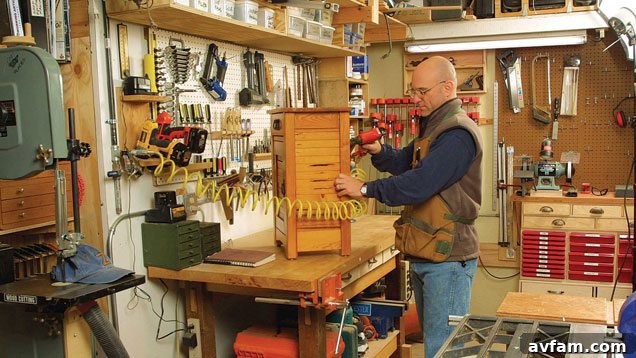
From fundamental hand tools to advanced power machinery, the ultimate home workshop evolves with the craftsman. Initial investments might include a solid workbench, a miter saw, a table saw, and various hand planes and chisels. As skills grow and projects become more ambitious, additions like a bandsaw, router table, or a robust dust collection system become invaluable. The beauty of building your own workshop is its adaptability; it can be tailored precisely to your needs, budget, and the specific types of projects you aim to undertake. These impeccably clean floors and flawless tools will make any tool enthusiast envious, showcasing what’s possible when passion meets meticulous organization.
Inspiring Spaces: A Glimpse into Dream Woodshops
A truly exceptional workshop goes beyond just housing tools; it’s a meticulously designed environment that fosters creativity, efficiency, and safety. The examples showcased here perfectly illustrate this ideal. Observe the pristine floors, free of debris, which not only indicate a commitment to cleanliness but also reduce tripping hazards and allow for easier recovery of dropped small parts. Each tool appears to have its designated place, often within custom-built storage solutions, reflecting an owner who values both accessibility and protection of their valuable equipment. This level of organization minimizes wasted time searching for tools and maximizes productive hours, allowing the craftsman to focus entirely on the project at hand.
The attention to detail extends to critical elements like lighting and space management. Ample, evenly distributed lighting reduces eye strain and ensures accuracy in cuts and joinery, while a thoughtful layout allows for smooth workflow and safe operation of machinery. These workshops aren’t just collections of tools; they are curated spaces where every element serves a purpose in supporting the creative process. They are testaments to the dedication, passion, and vision of skilled woodworkers, inspiring others to elevate their own workspaces and, by extension, their craft.
The Evolution of a Woodworker: From Plans to Personal Masterpieces
The journey from a novice enthusiast to a skilled woodworker is marked by continuous learning and an increasing ability to deviate from predetermined plans. Initially, following detailed instructions is crucial for understanding fundamental techniques, joinery, and safety protocols. However, the true artistry in woodworking begins when one gains the confidence and knowledge to adapt, modify, and even design entirely new pieces. This allows for the creation of truly unique furniture that perfectly fits a specific space, or custom gifts that carry a personal touch unavailable in mass-produced items. The sense of accomplishment derived from crafting a bespoke piece, knowing every curve and joint was carefully considered and executed by your own hands, is unparalleled.
This creative freedom extends beyond just furniture. Woodworking encompasses a vast array of projects, from intricate carvings and decorative boxes to essential home repairs and structural elements. It’s a skill set that empowers individuals to be self-sufficient, resourceful, and capable of bringing their creative visions to life. It’s a connection to a tangible world, a heritage of craftsmanship that dates back centuries, providing a valuable counterbalance to the often-abstract nature of modern life. Engaging with wood, feeling its texture, smelling its distinct aroma, and watching it transform under your touch offers a deeply meditative and grounding experience.
Embracing the Craft: Tips for Aspiring DIY Woodworkers
If the images of these immaculate workshops and the thought of crafting your own masterpieces inspire you, there’s no better time to begin your woodworking journey. Start small: invest in a few quality hand tools, a sturdy workbench, and a good introductory book or online course. Safety should always be your top priority, so learn how to properly use and maintain your tools, and always wear appropriate protective gear, including eye protection, hearing protection, and dust masks. Don’t be afraid to make mistakes; they are an integral part of the learning process. Each miscut or imperfect joint is an opportunity to learn and refine your skills, leading to greater proficiency and confidence.
Seek out local woodworking clubs, online communities, or even experienced mentors. The knowledge and camaraderie shared within the woodworking community are immense, providing invaluable support, troubleshooting advice, and inspiration. Remember, mastery comes with practice and patience. The satisfaction of transforming a raw piece of lumber into something beautiful and functional, something that will last for years, is a reward in itself. It’s an investment in a skill that not only enhances your home but also enriches your life, fostering creativity, problem-solving, and a profound connection to the material world. Take the first step, and unlock the rewarding world of woodworking.
Discover More Woodworking Wisdom
We hope these insights and inspiring workshop examples have sparked your interest in the enduring art of woodworking. Whether you’re dreaming of your own ultimate home workshop or looking for your next project, there’s a wealth of knowledge to explore. Check out the rest of our woodworking articles for more tips, projects, and inspiration. And if you’re deeply interested in awesome looking workshops from notable makers, builders, DIYers, and craftsmen, then you must visit Tool Crave. Immerse yourself in the world where talent meets the perfect environment, and discover the tools that bring visions to life.