
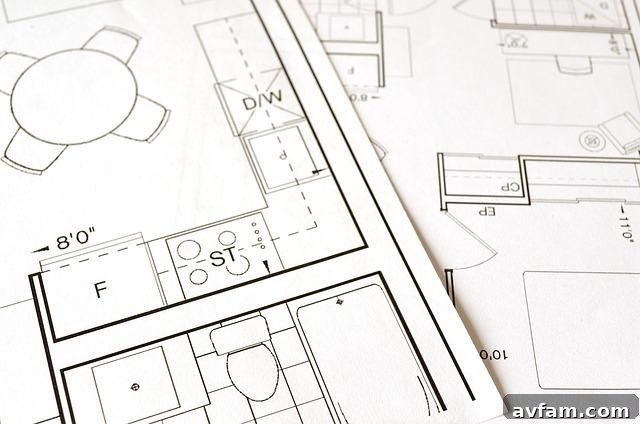
Every great renovation starts as an idea. You envision a kitchen that flows better for entertaining, a bathroom that feels like a bright, modern sanctuary, or a home layout that finally matches your family’s lifestyle. While the final vision is exciting, the journey to get there is paved with practical details that are often overlooked. The behind-the-scenes work—meticulous planning, strategic scheduling, and maintaining a safe, organized worksite—is what truly transforms a good idea into a great result.
The success of your project hinges just as much on this groundwork as it does on the aesthetic choices you make. When decisions are made thoughtfully and the project is managed with professionalism, the entire renovation process becomes smoother, less stressful, and more predictable. A beautiful outcome is not just about stylish materials and a clever design; it is the product of clear communication, diligent preparation, and a well-executed plan from the first day of demolition to the final coat of paint.
The Blueprint for Success: Crafting a Comprehensive Renovation Plan
A successful renovation is built on a foundation of clarity long before any walls come down. Before you dive into comparing tile samples or gathering quotes, invest time in defining the core objectives of your project. What problems are you trying to solve? What are your non-negotiable priorities? Answering these questions creates a guiding document for all subsequent decisions, helping to keep your project focused and on track.
Your budget must be grounded in reality from the outset. It’s wise to research the average costs for similar projects in your area and then build in a contingency fund—typically 15-20% of the total budget. This buffer is essential, as renovations, especially in older homes, often reveal unexpected issues like hidden water damage or outdated wiring. Similarly, your timeline should be practical, not just optimistic. A rushed schedule is a recipe for mistakes and compromises. Work with your contractor to create a realistic timeline that accounts for potential delays in material delivery or inspections.
Thinking about the project in distinct phases is also critical. A typical renovation follows a logical sequence: demolition, structural work, plumbing and electrical rough-ins, insulation and drywall, and finally, the finishing touches like flooring, painting, and fixture installation. Understanding this flow helps you appreciate how a delay in one stage can create a domino effect, impacting everything that follows. A strategic, well-considered home renovation plan empowers you to make smarter decisions and sets a professional tone for the entire job.
Assembling Your A-Team: How to Choose the Right Contractor
The professionals you hire will define your renovation experience. A skilled contractor brings far more than technical expertise; they provide crucial project management, clear communication, and a streamlined process that ensures the project advances efficiently and correctly. Their ability to organize, schedule, and problem-solve is what keeps a complex job from descending into chaos.
Begin your search by verifying the fundamentals: licensing, bonding, and adequate insurance (both liability and workers’ compensation). But don’t stop there. The most telling information comes from asking process-oriented questions. How do they handle project scheduling and updates? Who is the dedicated point of contact on-site each day? What is their formal process for handling change orders when you want to alter the plan? The answers to these questions reveal their level of professionalism and organization far more than a portfolio of finished photos ever could.
Pay close attention to how they communicate about the work itself. A contractor who can clearly explain the order of operations, define the responsibilities of their team and subcontractors, and set realistic expectations is one who likely runs a tight ship. When the process is transparent from the start, there is significantly less potential for misunderstandings or disputes once construction is underway. Always insist on a detailed, written contract that outlines the full scope of work, a payment schedule, and the project timeline before any work begins.
Navigating the Work Zone: Understanding Your Home as a Job Site
The moment work begins, a part of your home transforms from a living space into an active construction zone. This shift is often more disruptive than homeowners anticipate. Even a seemingly minor renovation introduces a new environment filled with potential hazards: exposed wiring, stacks of building materials, pervasive dust, sharp tools, and restricted access to familiar rooms. Preparing for this reality is key to managing the stress of the project.
While you don’t need to supervise every task, having a basic understanding of the daily operations is important, especially if you plan to live in the home during the renovation. Ask your contractor about the schedule for the most disruptive phases, which areas will be completely off-limits, and how their crew manages material storage, daily cleanup, and safe pathways through your home. Establishing these ground rules early helps maintain order and safety for both your family and the workers.
A well-managed job site is an organized one. Materials should be neatly stacked and stored, pathways should remain clear of debris, and distinct work areas should be maintained. These details are not just about tidiness; they are a direct reflection of the contractor’s professionalism and attention to detail. An organized site is a safer and more efficient site, signaling that your project is in capable hands.
Why Safety Should Be a Core Part of Your Renovation Plan
Job site safety is not merely about preventing accidents; it is fundamental to the overall quality and efficiency of the renovation. A strong safety protocol protects not only the workers but also your property, preventing accidental damage to unaffected parts of your home. When a worksite is managed with safety as a priority, the entire project feels more controlled, professional, and less stressful for everyone involved.
Simple, consistent precautions make an enormous difference. This includes establishing clear work zones, ensuring the proper handling and storage of tools and materials, and performing regular cleanup to minimize tripping hazards and fire risks. When these basic safety habits are neglected, even simple tasks can become dangerous, leading to injuries, property damage, and costly delays.
This safety-conscious mindset should extend to protecting the rest of your home from the unavoidable disruption of construction. Measures like using plastic sheeting to create dust barriers, protecting floors with ram board, and using a negative air machine to improve air quality can effectively contain dust and debris. By integrating safety into the initial plan instead of treating it as an afterthought, you foster a more responsible and efficient work environment, ensuring the project moves forward smoothly.
When Renovation Projects Don’t Go as Planned
Even the most meticulously planned renovation can encounter significant problems if the work is rushed or the site is poorly managed. When hazards are overlooked, responsibilities are unclear, or corners are cut to save time or money, the consequences can extend far beyond project delays and budget overruns.
Major issues rarely materialize from a single catastrophic error. More often, they are the culmination of smaller, unaddressed problems. A persistently cluttered work area, a lack of consistent supervision, or poor communication between the crew and the homeowner can create a culture of carelessness. This environment steadily increases the risk of mistakes, property damage, and, most seriously, personal injury.
In the unfortunate event that an avoidable injury occurs on-site, the focus can quickly shift to legal matters. A construction site accident lawyer may be consulted to navigate questions of liability and compensation. While the ultimate goal is always to prevent such incidents, it is crucial to recognize that unsafe site conditions carry serious consequences that can impact lives and finances long after the renovation is supposed to be complete.
Staying Involved Without Getting in the Way
Even with a trustworthy and competent team leading the charge, the homeowner’s role remains vital throughout the renovation. Your engagement ensures that the project continues to align with your vision and priorities as it evolves. You don’t need to watch over every nail being hammered, but staying informed and responsive is key.
Scheduled, regular check-ins are far more productive than sporadic interruptions. A brief daily or weekly meeting to discuss progress, confirm upcoming decisions, and address any changes to the schedule keeps everyone on the same page. This proactive communication helps catch potential misunderstandings before they escalate into significant problems.
At the same time, it is essential to give the crew the space they need to work efficiently. Constant questions or frequent, last-minute design changes can disrupt workflow, cause delays, and lead to frustration. The most effective approach is a balanced one: stay informed through your designated contact, ask thoughtful questions at appropriate times, and raise any concerns you have as soon as they arise so they can be addressed promptly.
The Final Walkthrough: A Checklist for Project Perfection
As your renovation project nears its conclusion, it is time for one of the most critical steps: the final walkthrough. This is your dedicated opportunity to meticulously review every detail of the work, ensuring the finished space not only matches the original plan but also meets the quality standards you expect. Do not rush this process.
Look beyond the major design elements that first catch your eye. Create a detailed “punch list” of items that need correction. Systematically check that all fixtures and appliances function correctly. Inspect the quality of the finishes—look for clean paint lines, consistent grout, and smooth surfaces. Open and close every door and cabinet to ensure they operate smoothly. Test light switches and outlets. Pay close attention to the small details in corners and along trim that are often missed in the final push to finish.
Your review should also include the condition of the site itself. All leftover materials, tools, and construction debris should be completely removed. The renovated area and any adjacent spaces used by the crew should be professionally cleaned and ready for you to move back in. If you find anything that is incomplete or not up to standard, document it and present it to your contractor before making the final payment. This ensures that all outstanding issues are resolved while the project is still officially active.
Conclusion
A truly successful home renovation is defined by more than just a beautiful final result. It is the outcome of a well-structured process rooted in careful planning, the selection of a professional team, and a shared commitment to safety and communication from start to finish. When the project is managed with diligence and care, the experience is less stressful, and the outcome is far more likely to meet or exceed your expectations.
By keeping safety and organization at the forefront, you protect your home, your investment, and every person contributing to the project. With thorough preparation, clear communication, and consistent oversight, you can navigate the complexities of a renovation with confidence. The reward is not just a stunning new space, but one that is well-built, functions perfectly, and provides lasting satisfaction for years to come.