
Cleaning vs. Sanitizing vs. Disinfecting: What’s the Difference?
Cleaning, sanitizing, and disinfecting are often used as if they mean the same thing, but each process has a distinct purpose. Understanding those differences helps you choose the right approach for homes, schools, offices, restaurants, healthcare settings, and public spaces. Some environments require only cleaning, others need sanitizing, and some demand disinfecting—or a combination of these steps.
This article clarifies what each method does, how they differ, and when to use them together for the best hygiene and safety outcomes.
What Is Cleaning?
Cleaning is the physical removal of dirt, dust, grime, and other visible impurities from surfaces. It improves appearance and reduces the amount of contaminants present, but it does not necessarily kill germs. Cleaning can be a quick surface wipe or a deeper, more thorough activity depending on the area and need.
Common cleaning actions include sweeping, wiping, mopping, washing, and vacuuming. Professional teams often use commercial-grade products and equipment to ensure floors, fixtures, and high-touch areas are properly maintained.
What Is Sanitizing?
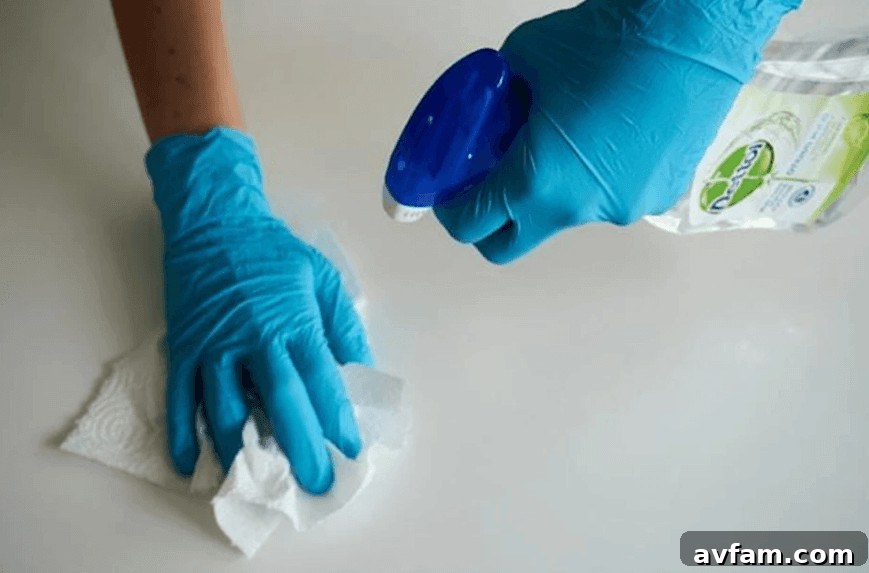
Sanitizing reduces the number of bacteria and other microorganisms to levels considered safe by public health standards. Unlike routine cleaning, sanitizing specifically targets microbial levels to lower health risks.
Sanitizing is especially important in food-preparation areas, childcare environments, and other spaces where reducing microbial load protects people’s health. Typical sanitizing agents include dilute bleach solutions and alcohol-based formulations formulated to lower pathogen counts on surfaces.
What Is Disinfecting?
Disinfecting uses chemical agents to kill or inactivate a broad range of pathogens, including bacteria, viruses, and some fungi. Disinfection is typically stronger and more targeted than sanitizing, and it’s used where a high level of germ control is required.
Disinfectants are applied with attention to proper contact time and coverage; those factors determine whether the product achieves the claimed microbial reduction. Because of this, disinfecting is often best performed by trained professionals who understand product instructions and safety precautions.
Key Differences Between Cleaning, Sanitizing, and Disinfecting
While related, these three processes serve different purposes and are used in different contexts:
- Cleaning removes visible soil and debris. It prepares surfaces for sanitizing or disinfecting and reduces the amount of material that can harbor germs.
- Sanitizing lowers microbial counts to safe levels for everyday use, particularly on food-contact surfaces and in areas with routine public exposure.
- Disinfecting kills a higher percentage of pathogens—often marketed as eliminating up to 99.9% of bacteria and many viruses—making it appropriate for high-risk environments like healthcare settings, medical equipment, and places with recent illness outbreaks.
As a rule of thumb, cleaning should precede sanitizing or disinfecting. Removing dirt and organic matter improves the effectiveness of the chemical agents that follow.
When to Sanitize vs. Disinfect
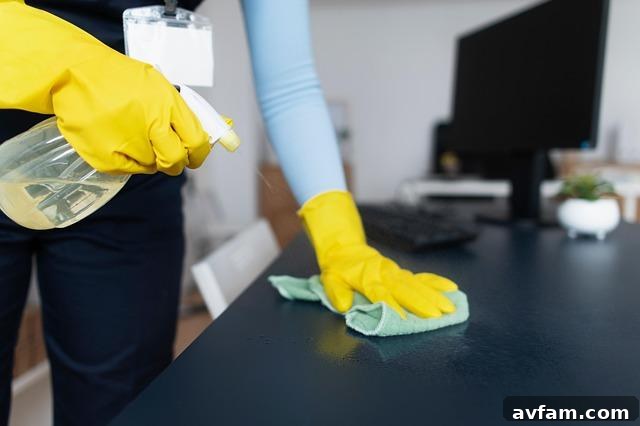
Choose sanitizing for routine maintenance in low-risk areas or where food is handled—kitchen counters, utensils, and children’s play surfaces are good examples. Sanitizing maintains everyday hygiene without the stronger chemical action of disinfectants.
Use disinfecting when the risk is higher—after someone is ill, during outbreaks, or in public restrooms and medical facilities. In large offices, schools, or communal spaces where many people touch surfaces, regular disinfection of high-touch points helps reduce transmission of infectious agents.
Common Mistakes to Avoid
To get the best results and avoid hazards, don’t fall into these common traps:
- Applying disinfectants to visibly dirty surfaces without cleaning first—soil can block the chemical and reduce effectiveness.
- Assuming all cleaning products disinfect—many cleaners only remove dirt, they don’t kill pathogens.
- Using harsh chemicals without reading and following label instructions for dilution, contact time, and safety measures.
- Overusing strong chemicals when a milder sanitizer would suffice, which can damage surfaces and pose unnecessary health or environmental risks.
Choosing the Right Products and Services
Selecting appropriate products and trained service providers matters for effective, safe hygiene. Keep these guidelines in mind:
- Use products that are approved or certified for their intended purpose. Certification indicates proven efficacy against listed pathogens.
- Consider safety for people, sensitive equipment, and the environment when choosing chemicals and application methods.
- Match products to the specific surfaces and settings where they’ll be used to avoid damage or reduced performance.
Many organizations and homeowners rely on professional cleaning services to ensure consistent, compliant results. When hiring a service, verify their training, certifications, and understanding of when to clean, sanitize, or disinfect.
Conclusion
Cleaning, sanitizing, and disinfecting are distinct but complementary steps in maintaining healthy spaces. Clean first to remove dirt and organic matter, then sanitize routine or food-contact surfaces, and disinfect when higher levels of microbial control are needed. Using the right process in the right situation improves hygiene, reduces illness risk, and helps keep environments safe and welcoming.
Choosing proper products and following correct procedures ensures a genuinely clean and hygienic space.