
Protecting Your Property and Family: A Comprehensive Guide to Identifying Unsafe Trees
The beauty and tranquility that trees bring to a property are undeniable. They offer shade, enhance curb appeal, and provide a habitat for local wildlife. However, amidst their many benefits, trees can also pose significant risks, particularly if they are unhealthy, damaged, or poorly maintained. A falling tree, or even a large falling branch, is not just a frightening event; it can lead to devastating consequences, including extensive property damage, serious personal injury, or even fatalities. While we cannot predict the fury of a sudden storm, we can proactively assess the trees on our property to identify potential hazards and take preventive measures. Understanding the warning signs of an unsafe tree is the first crucial step in safeguarding your home, your loved ones, and your peace of mind.
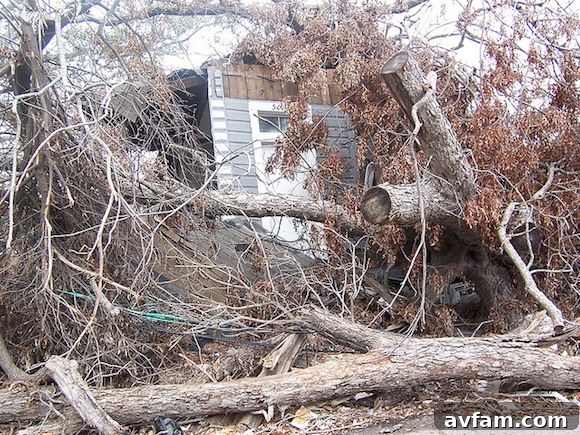
The safety of your property begins with a thorough understanding of the natural elements surrounding it. Trees, while majestic, are living organisms susceptible to disease, decay, and structural weaknesses that can compromise their integrity. Recognizing these issues early can be the difference between a simple maintenance task and an emergency situation. Experts often highlight key indicators that signal a tree might be a hidden danger. For instance, Jennifer Stell’s insightful tree safety slideshow on iVillage.com outlines several critical warning signs. Building upon such expert advice, let’s delve deeper into the most common and critical indicators that suggest a tree might be unsafe and require professional attention.
Key Warning Signs That Indicate a Tree is Unsafe
Identifying a problematic tree often requires a keen eye and an understanding of arboricultural principles. Here are the most prominent warning signs to look out for:
1. Large, Dead, or Hanging Branches
Observation: One of the most obvious and immediate signs of danger is the presence of large, dead branches within the tree’s canopy. These branches may appear brittle, lack leaves (especially when other branches are thriving), or have discolored bark. Worse still are “widowmakers” – branches that are already broken but still hanging precariously in the tree.
Risk: Dead branches are structurally compromised and can fall at any time, not just during high winds. Even on a calm day, the weight of a large dead limb can cause it to snap and crash down, posing a severe threat to anyone or anything beneath it. Such incidents can result in significant damage to roofs, vehicles, fences, and utility lines, and critically, severe injury to people.
Action: If you spot large dead areas or hanging branches, immediate removal by a qualified arborist is crucial. They have the equipment and expertise to safely prune these hazards.
2. Presence of Fungi, Mushrooms, or Conks
Observation: The appearance of mushrooms, bracket fungi, or “conks” growing on the tree’s trunk, at its base, or higher up on major branches is a critical red flag. These are the fruiting bodies of decay fungi, indicating that the tree’s internal wood structure is rotting.
Risk: Fungi signal advanced internal decay, which significantly weakens the tree’s structural integrity. Even if the exterior appears sound, the interior might be hollowed out or soft. This decay can compromise the tree’s ability to withstand winds or its own weight, making it highly susceptible to catastrophic failure. The higher up the trunk or on major limbs the fungi appear, the more severe and widespread the decay is likely to be.
Action: This is often a definitive sign that the tree is in severe decline and may need to be removed. An arborist can assess the extent of the decay and advise on the best course of action.
3. Cracks, Splits, or Weak Branch Unions (Especially Twin Trunks)
Observation: Look for vertical cracks along the trunk or major limbs. Pay particular attention to V-shaped crotches or “twin trunks” where two main stems grow closely together, often with included bark (bark growing inward between the stems).
Risk: Dual trunks, or co-dominant stems, often have a weak attachment point where they join. Instead of forming a strong U-shaped union, they typically form a tighter V-shape, meaning the wood fibers don’t properly interlace. This “included bark” prevents strong wood formation, making the union highly susceptible to splitting under stress from high winds, heavy ice, or snow loads. A split at this point can cause one half of the tree to fall, leading to substantial damage. Other cracks can indicate internal stress or decay.
Action: Early detection of weak unions allows for corrective pruning or cabling/bracing to reinforce the structure. However, advanced cracks or splits may necessitate removal.
4. Significant Leaning
Observation: While some trees naturally grow with a slight lean, a tree that has suddenly started to lean, or one with a pronounced lean that appears unstable, is a cause for concern. Look for soil heaving or cracking around the base on the side opposite the lean.
Risk: A sudden or excessive lean often indicates root damage or structural failure at the base. If the roots are compromised, the tree’s ability to anchor itself in the ground is severely diminished, making it highly vulnerable to toppling over, especially during strong winds or saturated soil conditions. This can cause the tree to fall completely in the direction of the lean.
Action: An arborist can assess the stability of the root system and the overall lean to determine if cabling, bracing, or removal is necessary.
5. Cavities and Hollows
Observation: Noticeable holes, indentations, or hollow sections in the trunk or main branches. These can range from small openings to large, cavernous spaces.
Risk: Cavities and hollows are often the result of decay that has progressed to the point of consuming significant portions of the tree’s interior wood. While a tree can sometimes compartmentalize decay, extensive hollowing compromises the structural strength of the trunk or limbs, making them prone to collapse under stress.
Action: The extent and location of the cavity are crucial. An arborist can perform a thorough assessment to determine if the remaining shell is strong enough to support the tree or if it presents an unacceptable risk.
6. Root Problems
Observation: Look for signs of root distress, such as roots growing into the trunk (girdling roots), soil heaving around the base (especially on one side), roots damaged by construction, or roots with fungal growth.
Risk: The root system is the tree’s anchor and nutrient delivery system. Girdling roots can choke the tree’s vascular system. Damaged roots from construction or poor planting can lead to instability and decline. Diseased roots can compromise the entire tree’s health and structural integrity, making it susceptible to falling.
Action: Protecting tree roots during construction is vital. An arborist can diagnose root issues and recommend solutions, from root collar excavation for girdling roots to managing disease.
7. Bark Abnormalities
Observation: Beyond simple peeling, look for large areas of missing bark, cankers (sunken, discolored lesions), vertical bark cracks, or fungal growth on the bark itself.
Risk: Bark protects the tree’s inner layers. Missing bark exposes the living tissue to pests and diseases. Cankers can indicate fungal infections that weaken the stem, while cracks might be a sign of internal stresses or decay. Abnormal bark can be an early indicator of significant underlying health problems that eventually lead to structural failure.
Action: Identifying the cause of bark abnormalities is key. An arborist can diagnose the specific disease or pest and recommend treatments or management strategies.
8. Pest Infestations
Observation: Visible signs of insect activity, such as sawdust-like frass, boreholes, tunneling under the bark, ant trails, or defoliation caused by pests.
Risk: Certain pests, like carpenter ants or termites, can tunnel through and extensively damage the internal wood structure of a tree, weakening it from the inside out. Others, like the Emerald Ash Borer or Asian Longhorned Beetle, can devastate entire tree species, causing rapid decline and death, leading to brittle wood and increased risk of breakage.
Action: Early detection of significant pest infestations is important. An arborist can identify the pest and recommend appropriate treatment to save the tree if possible, or advise on removal if the damage is too severe.
9. Proximity to Structures or Utility Lines
Observation: A tree, even a healthy one, that is growing too close to your home, garage, power lines, or other structures.
Risk: While this isn’t necessarily a sign of an “unsafe tree” in terms of its health, it represents an unsafe situation. As the tree grows, branches can rub against roofs, damage foundations, or interfere with power lines, creating fire hazards or power outages. During storms, even healthy branches can snap and cause significant damage if they are too close to vulnerable targets.
Action: Regular pruning to maintain clearance is essential. In some cases, if the tree’s growth habit is consistently problematic, removal might be the safest long-term solution.
10. An Ancient or Overly Mature Tree
Observation: Just because your tree is old doesn’t necessarily mean that it’s unsafe. However, very old trees have often accumulated years of stress, minor damage, and natural decay. Their sheer size also means that any failure will have more catastrophic consequences.
Risk: Older trees, while majestic, are naturally more prone to internal decay, root issues, and structural fatigue. Their large canopies catch more wind, and their heavy limbs put immense stress on unions. Without proper management, the risks associated with an ancient tree increase significantly over time.
Action: If you have any questions about the condition of an ancient or significantly mature tree, it is absolutely essential to consult a certified arborist. They possess the expertise to conduct a thorough risk assessment, identify any possible structural issues, and estimate the remaining safe life of the tree. This information is invaluable for creating a proactive course of action, which might include strategic pruning, cabling, or even planned removal if the risks are too high.
The Indispensable Role of a Certified Arborist
While homeowners can observe many of these warning signs, accurately diagnosing the extent of the problem and prescribing the correct solution requires professional expertise. This is where a certified arborist becomes your most valuable ally. An arborist is a tree care specialist with extensive knowledge of tree biology, physiology, and pathology. They are trained to:
- Conduct Comprehensive Risk Assessments: They can identify subtle signs of disease, decay, or structural weakness that might be missed by an untrained eye. They use specialized tools, sometimes even sonic or radar equipment, to assess internal decay.
- Provide Expert Diagnosis: Arborists can determine the specific cause of a tree’s decline, whether it’s pest infestation, disease, environmental stress, or structural defects.
- Recommend Appropriate Solutions: Based on their assessment, they can advise on the best course of action, which might include:
- Pruning: Removing dead, diseased, or hazardous branches to improve tree health and safety.
- Cabling and Bracing: Installing support systems to strengthen weak limbs or trunks.
- Disease and Pest Management: Implementing treatments to combat specific problems.
- Tree Removal: Safely dismantling and removing trees that pose an unacceptable risk or are beyond saving.
- Ensure Safety: Arborists are trained in safe work practices and have the necessary equipment to perform complex and dangerous tasks, significantly reducing the risk of accidents during tree work.
Taking Action: From Assessment to Resolution
Once you have identified potential issues and consulted with a certified arborist, it’s time to act. Based on the arborist’s recommendations, you might proceed with:
- Hazard Pruning: Removing specific hazardous branches.
- Structural Pruning: Improving the overall health and structure of the tree.
- Cabling/Bracing: Stabilizing weak points to extend the tree’s life safely.
- Tree Removal: If the tree poses an immediate and significant risk that cannot be mitigated, safe and professional removal is the only viable option. Ensure that any company you hire is fully insured and reputable.
Remember, preventative care is always better than reactive emergency measures. Regular inspections and maintenance can significantly extend the life of your trees and enhance the safety of your property.
Conclusion: Prioritizing Tree Safety for a Secure Environment
The responsibility of property ownership extends to the living elements within your landscape, especially large trees that can have a profound impact on safety. Being vigilant about the health and structural integrity of your trees is not merely a matter of aesthetics; it’s a critical aspect of risk management for your home and family. By understanding the common warning signs – from dead branches and fungal growth to cracks, leans, and the natural aging process – you empower yourself to identify potential dangers before they escalate into catastrophes.
Never underestimate the wisdom and tools of a certified arborist. Their professional assessment provides invaluable insights and guidance, enabling you to make informed decisions about tree care, whether that involves strategic pruning, structural support, or, when absolutely necessary, safe removal. Proactive tree care not only mitigates risks but also contributes to the longevity and vitality of your valuable landscape assets.
Do you have any problematic trees on your property that have shown these warning signs? And if so, are you planning to have them professionally assessed or removed? Taking action today can prevent significant problems tomorrow, ensuring your property remains a safe and beautiful environment for years to come.
Photo: Flickr.com/granick