
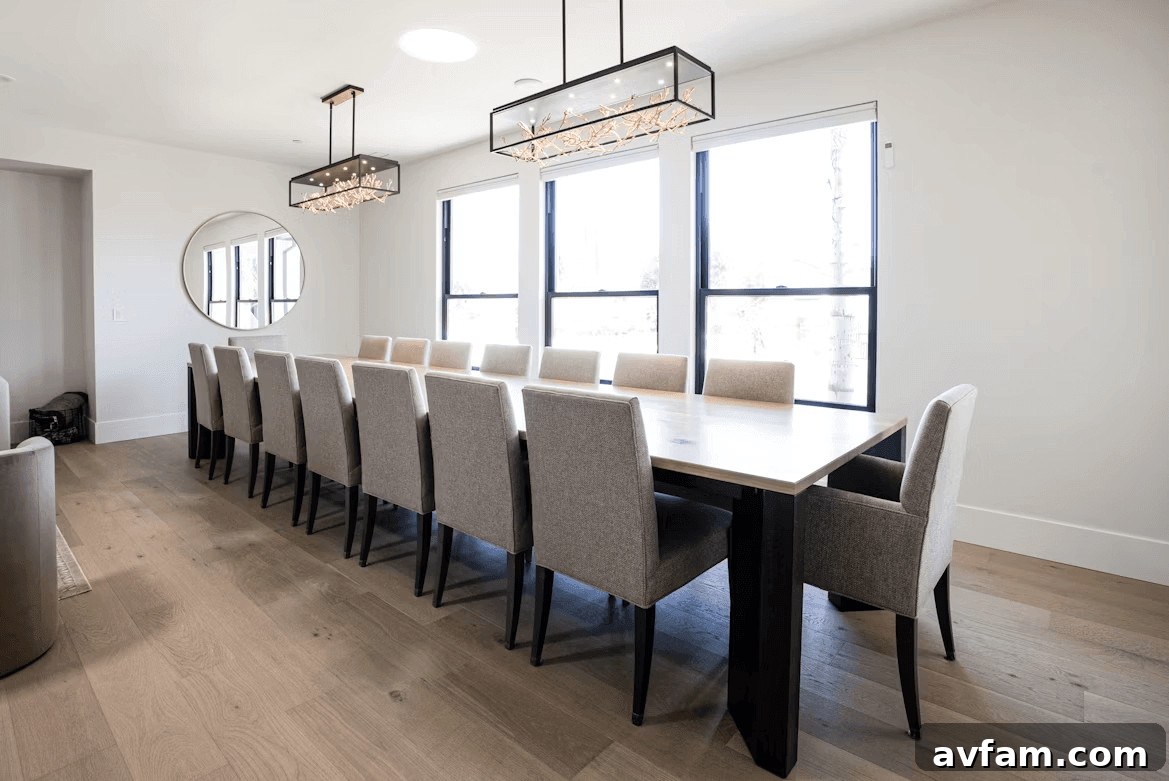
Introduction to the Importance of Decorating Dining Spaces
The dining room is often the heart of a home — a place where family and friends gather to eat, talk, and make memories. A well-decorated dining area sets the tone for those gatherings, creating a welcoming atmosphere that encourages conversation and comfort. One simple, effective way to improve the look and function of a dining space is by adding playmats or dining room rugs. These floor coverings do more than look good: they contribute to acoustics, comfort, protection, and overall cohesion of the room’s design.
Benefits of Using Playmats and Dining Room Rugs in a Dining Space
Incorporating playmats and rugs into your dining area offers multiple practical and aesthetic benefits:
- Aesthetics: Rugs and playmats add color, pattern, and texture. They help tie together furniture, wall colors, and decorative accents so the room feels intentional and cohesive.
- Comfort: Hard floors can feel cold and unforgiving. A soft rug or cushioned playmat underfoot makes long dinners more comfortable for everyone, and provides a gentler surface for children and older adults.
- Noise Reduction: Dining rooms with hard surfaces often echo. A rug absorbs sound from chairs and voices, improving the acoustic environment and making conversations more pleasant.
- Protection: Dining furniture can scuff and scratch hardwood or tiled floors. A rug placed under the table and chairs helps protect flooring from wear while also anchoring the dining set visually.
- Easy Maintenance: Spills and stains are inevitable around the table. Many rugs and playmats are designed for easy cleaning, allowing for spot cleaning or machine washing, which makes upkeep straightforward.
Choosing the Right Size and Shape for Your Dining Room Rug or Playmat
Selecting the correct size and shape ensures the rug or playmat enhances the room rather than overwhelms it. Consider these guidelines when choosing:
- Table Size: Measure your dining table and allow enough rug around it so chairs remain on the rug when pulled out. Generally, aim for at least 24 inches of rug extending beyond the table edge on all sides for comfortable chair movement.
- Room Size: Match the rug scale to the room. A grand rug can anchor a large dining room, while a modestly sized rug or playmat keeps a small dining area from feeling crowded.
- Shape: Rectangular rugs suit rectangular and oval tables, while round rugs harmonize with round tables. Choosing a complementary shape enhances balance and visual flow.
Paying attention to size and shape avoids awkward gaps and ensures the rug functions well during everyday use. A well-chosen rug defines the dining zone and elevates the overall design.
Ideas for Incorporating Playmats in a Traditional Dining Room Setting
Playmats are versatile pieces that can be integrated into a traditional dining room to add practicality and personality. Here are creative, tasteful ways to use playmats beyond the playroom:
- Layering: Place a colorful or patterned playmat over a larger neutral rug to introduce texture and focal interest while keeping a soft surface for children or pets.
- Table Runner Alternative: Use a narrow, decorative playmat as a table runner for a modern, unexpected centerpiece that protects the table and adds color.
- Cushioned Seating: Small playmats cut to size can function as extra cushioning on wooden chairs, providing comfort without disrupting the room’s style.
- Wall Accent: A visually striking playmat can be framed or hung as wall art to bring warmth and pattern into the dining area, especially useful in rooms that need a focal point.
- Placemats: Smaller playmats make durable, whimsical placemats that protect surfaces and add a playful touch to each setting.
How to Choose the Perfect Rug for a Small Apartment Dining Space
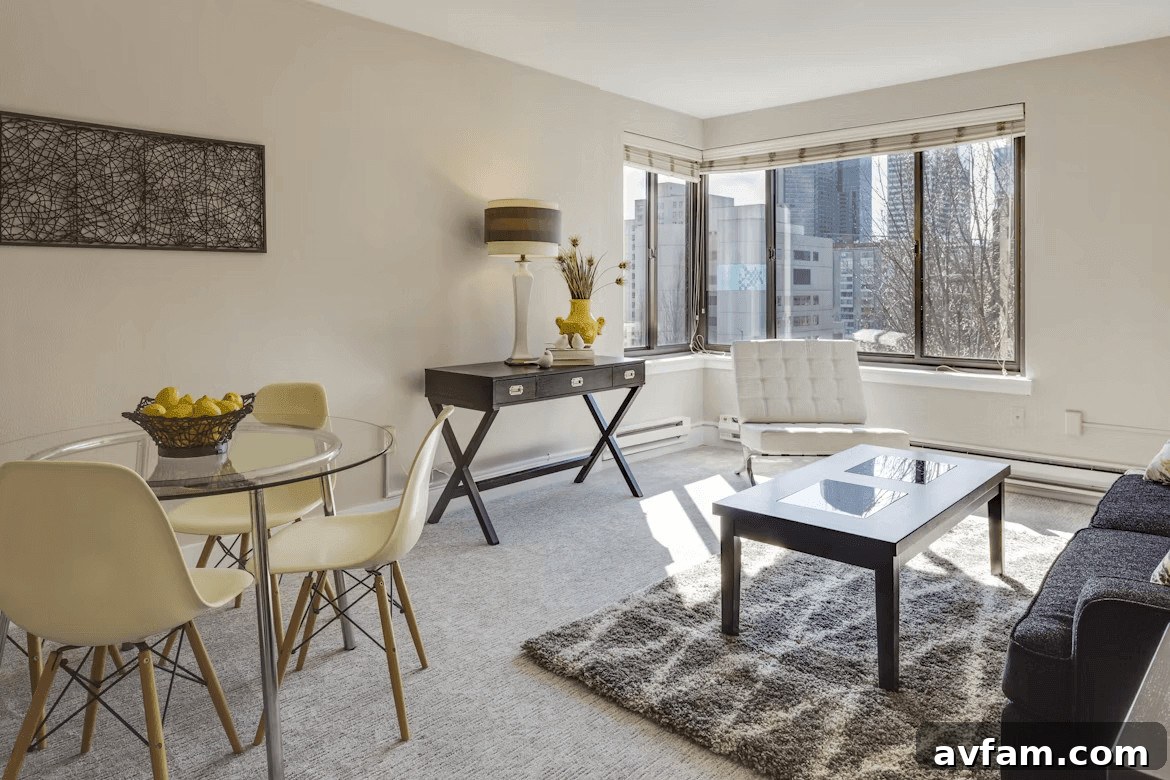
Small apartments require careful planning when selecting a dining rug. Consider these tips to get the most from a compact space:
- Size Matters: Measure the dining area and allow space for chairs to move without catching on the rug. A properly sized rug makes a small dining area feel deliberately designed rather than cramped.
- Color and Pattern: Choose subtle patterns or light, neutral tones to keep the room feeling open. A restrained palette visually expands the space while still adding warmth and texture.
- Durability: In multi-use apartments, a dining rug must stand up to traffic, spills, and frequent cleaning. Opt for materials that are stain-resistant and easy to maintain.
Conclusion
Rugs and playmats are simple, effective tools for improving the comfort, appearance, and function of any dining space. Whether you need noise reduction, floor protection, added comfort, or a fresh design statement, the right floor covering will enhance mealtimes and make the room feel complete. With attention to size, shape, color, and material, you can find a rug or playmat that suits your lifestyle and elevates your dining experience.