
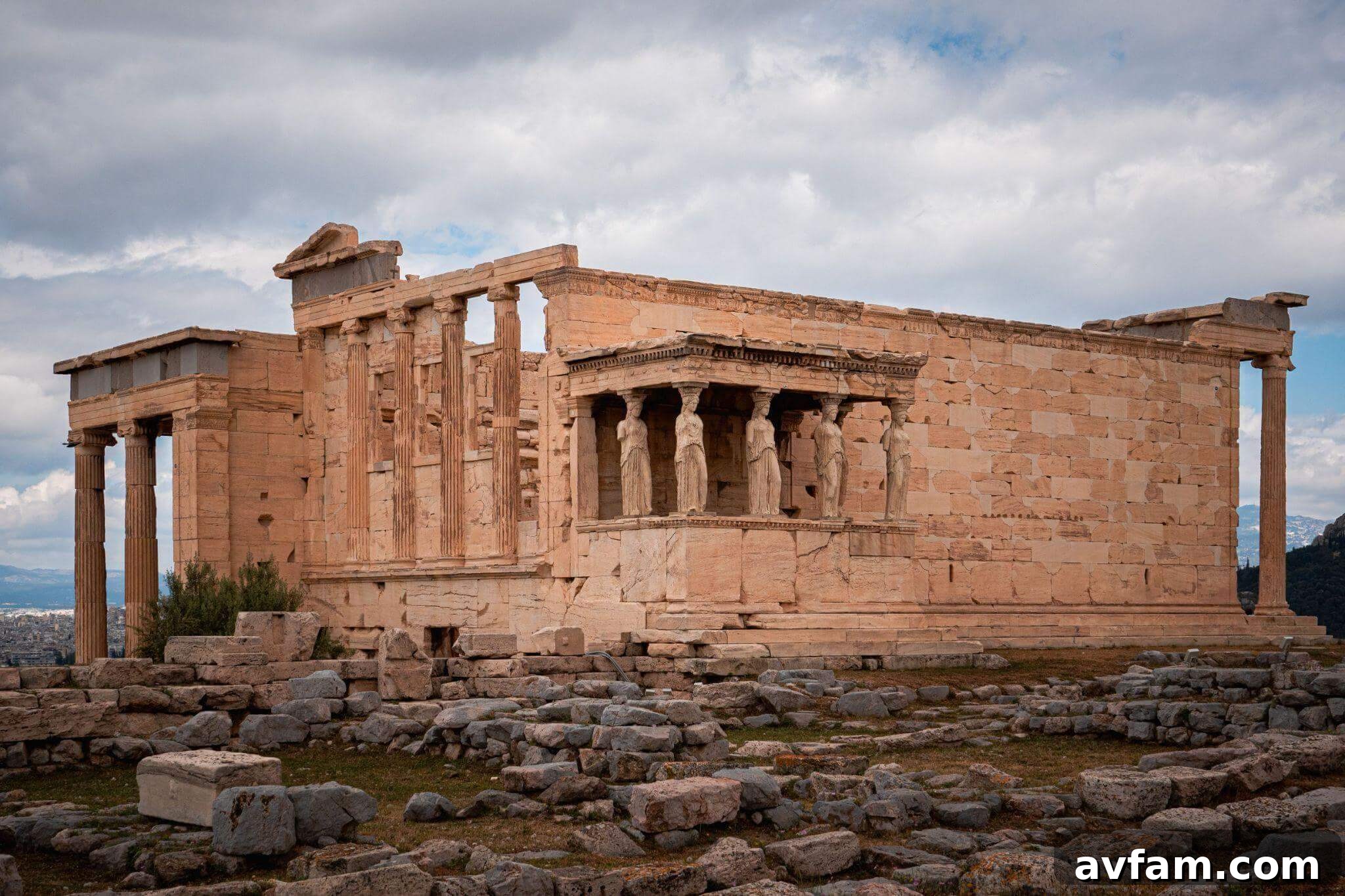
When you love history, travel becomes a journey through time rather than a simple getaway. Instead of lounging on a beach, you walk through streets and sites that reveal the stories, cultures and civilizations that shaped our world. From carefully preserved medieval quarters to ancient ruins, historic destinations invite you to witness layers of human experience and to connect with the past in a vivid, tangible way.
To help you plan your next trip—whether you are a dedicated history enthusiast or just looking for an alternative to a typical relaxing holiday—here are some of the world’s most compelling historic destinations. Each city highlighted below offers a distinct perspective on the past and plenty of opportunities to explore museums, monuments and living traditions.
Rome: Ancient Civilizations
Rome remains one of the world’s most iconic historic destinations, where ancient ruins seamlessly mingle with a vibrant modern city. The Roman Forum and the Colosseum are unmistakable landmarks; walking through them makes it easy to imagine the public debates, theatrical spectacles and civic life that once defined the city. These sites provide a powerful sense of continuity between past and present.
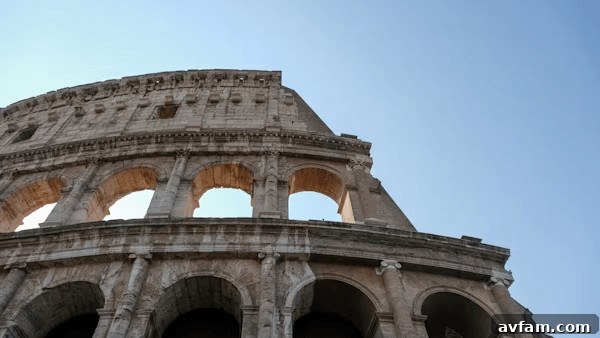
Beyond the headline attractions, Rome’s history is layered into nearly every street: hidden archaeological sites, preserved aqueducts and centuries-old architecture offer constant reminders of the city’s influence on law, governance and urban design in the Western world. The variety of accommodation supports different travel styles—small family-run guesthouses tucked in cobbled lanes, converted historic buildings with modern comforts, and luxury hotels that overlook ancient monuments. Staying in the historic centre maximizes walkability and gives you more time to soak up the atmosphere and the city’s architectural richness.
Kyoto: Japan’s Cultural Heritage
Kyoto presents a different kind of historical experience: instead of ruins alone, you encounter living traditions that have been practiced for centuries. The city is full of traditional wooden machiya houses, serene Shinto shrines and Buddhist temples, where ritual and aesthetics remain part of everyday life. Zen gardens, tea ceremonies and seasonal festivals are not staged only for visitors—they reflect cultural practices that continue to shape local life.
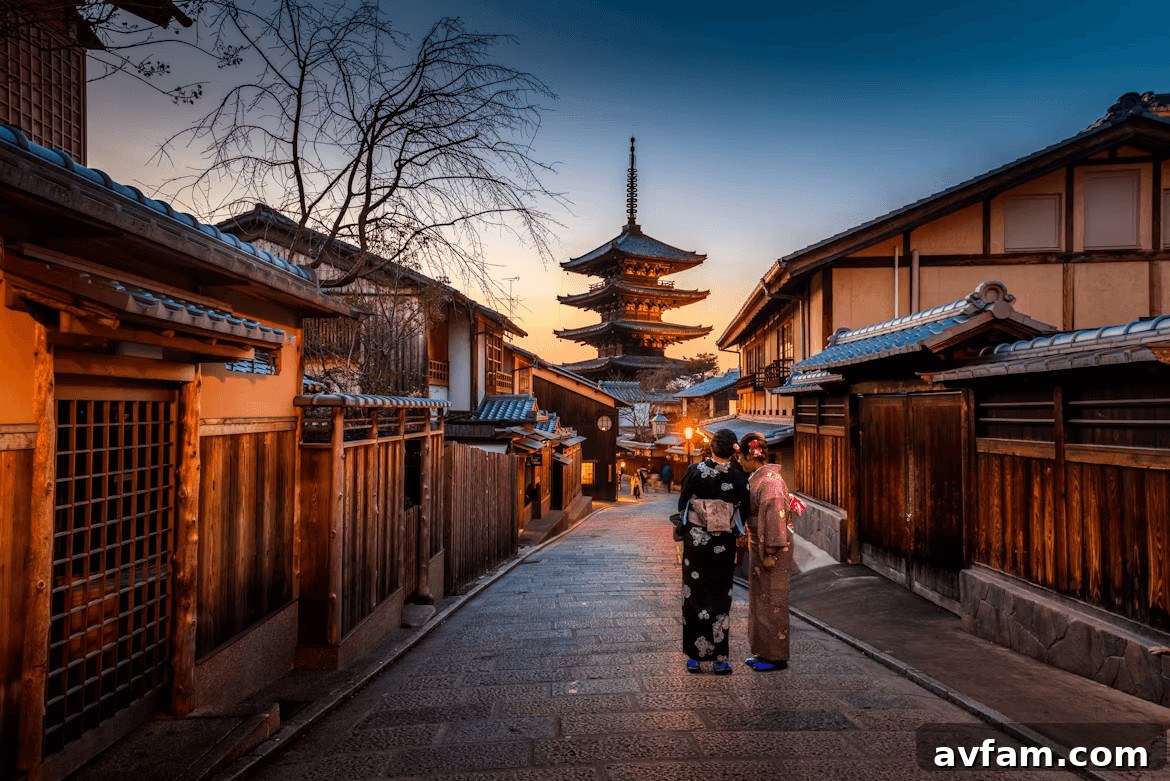
Accommodation in Kyoto reinforces the sense of place: ryokan and guesthouses offer traditional features such as tatami floors, futon bedding and communal bathing, while contemporary boutique hotels reinterpret Japanese design with minimalist aesthetics. Excellent public transport and reliable trains make it easy to move around the city and explore its many districts, from temple-dotted hillsides to atmospheric historic neighborhoods.
Cusco: The Heart of the Inca Empire
Cusco, once the capital of the Inca Empire, is a historic city where pre-Columbian foundations meet colonial architecture. The city’s stonework and plazas reflect centuries of cultural exchange and resilience, and Cusco serves as the primary gateway to Machu Picchu, one of the most famous archaeological sites in the Americas. Visitors can explore ancient terraces, temples and urban layouts that reveal how Inca society organized agricultural, religious and civic life.
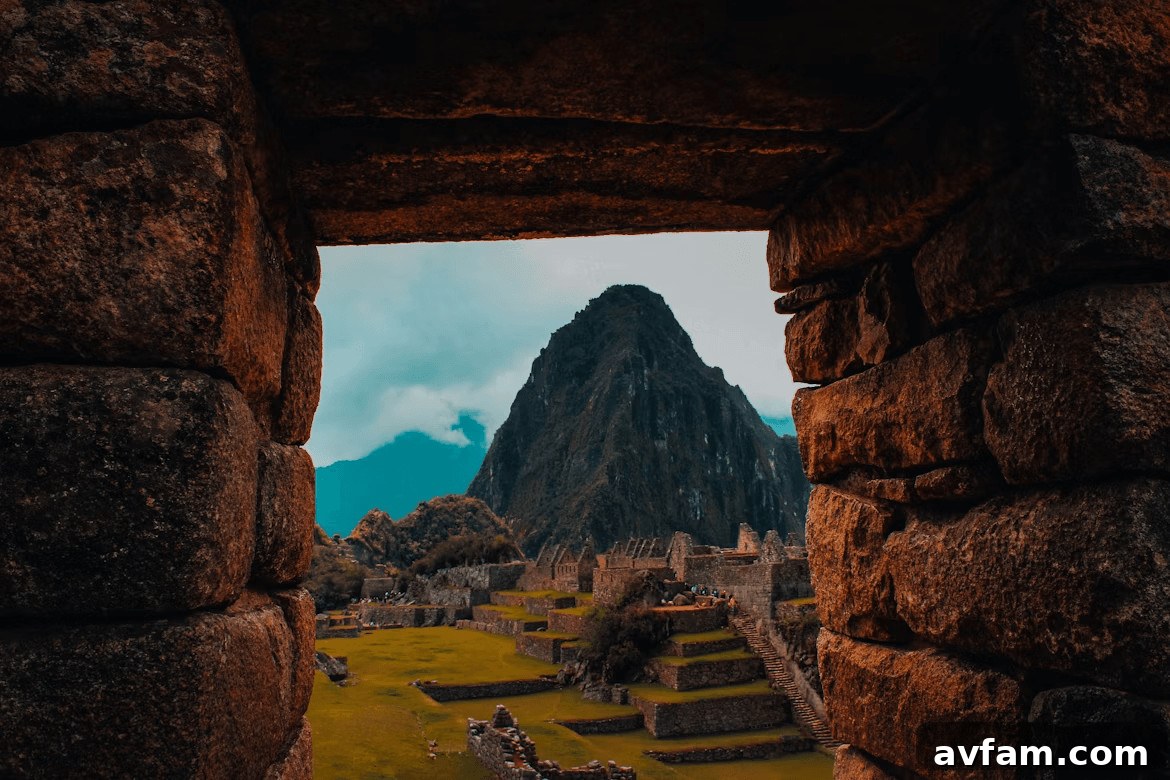
Accommodation options in Cusco range from restored colonial mansions in the historic centre to charming boutique hotels and budget-friendly hostels. Many restored properties preserve traditional architectural details while providing modern comfort, and staying in the old town gives you easy access to museums, markets and archeological sites.
Frankfurt: A Blend of Medieval Roots and Modern History
Although Frankfurt is widely recognized as a global financial centre, it has deep historical roots and a reconstructed old town that hint at its medieval past. The city was long an important centre for trade and politics in Europe, and its historic districts coexist with a contemporary skyline. For history-minded travellers, Frankfurt offers insights into the development of early parliamentary traditions and the ways a city can preserve heritage while embracing modern life.
Many visitors use Frankfurt as a base for short cultural excursions, taking advantage of efficient transport to explore museums, historic neighbourhoods and civic landmarks. Planning ahead—such as arranging practical matters like luggage storage if you have a short stopover—can help you make the most of limited time and focus on the city’s historical highlights.
Historic travel is more than seeing old buildings: it’s an immersive experience that lets you walk through the layers of human development. From the classical ruins of Rome to Kyoto’s living traditions, from Cusco’s Inca foundations to Frankfurt’s medieval-commercial legacy, each destination offers a distinct window into how societies have evolved. What they share is an active relationship between past and present—places where history continues to shape daily life and where every street, temple and plaza has a story to tell.