
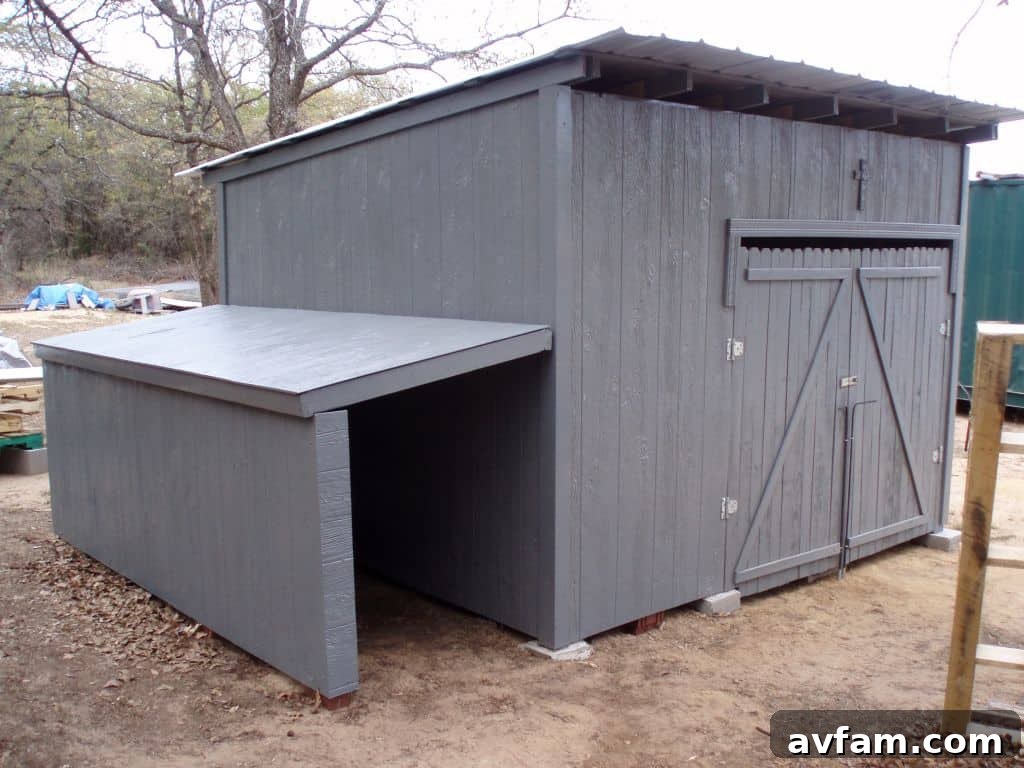
Reimagining discarded shipping pallets into functional and beautiful creations is a movement gaining immense popularity among DIY enthusiasts and eco-conscious builders alike. Far from being mere industrial refuse, the sturdy wood from clean, safe pallets offers an incredibly versatile and cost-effective building material, perfect for an astonishing array of projects, from simple wine holders to robust pallet sheds and sophisticated outdoor furniture. With a growing emphasis on sustainability and resourceful living, tapping into the potential of pallet wood not only provides an affordable route to realizing your creative visions but also contributes positively to environmental conservation by reducing waste.
The journey often begins with finding these wooden treasures. Many look to online marketplaces like Craigslist, where individuals and businesses frequently offer pallets for free or at minimal cost. This accessibility makes pallet projects particularly appealing for those on a budget, allowing them to transform readily available resources into valuable assets. Once sourced, these humble wooden frames become the foundation for endless possibilities, inviting crafters to design, build, and customize with sustainable practices at heart. So, whether you’re envisioning a cozy backyard retreat, a unique piece of furniture, or practical garden solutions, the world of pallet projects is ready for your exploration.
Engaging in projects that repurpose pallets is a commendable step towards a more sustainable lifestyle. However, the enthusiasm for upcycling must be tempered with a crucial understanding of safety. Before any cutting, sanding, or assembly begins, it is paramount to ensure that your chosen pallets are free from harmful chemicals, excessive dirt, and protruding nails. Neglecting this vital inspection can pose significant health risks and complicate the building process. Always prioritize safety, and meticulously check the origin and condition of each pallet to ensure your DIY endeavor is not only creative but also secure.
Sourcing Your Pallets: New vs. Used
Embarking on a pallet project begins with securing your primary material. The choice between new and used pallets often comes down to budget, project requirements, and, most importantly, safety considerations. Each option presents distinct advantages and disadvantages that every aspiring builder should carefully weigh.
Considering New Pallets for Your Project
While the allure of free used pallets is strong, we often recommend considering the purchase of new pallets, especially for projects that involve indoor use, contact with food, or scenarios where direct human interaction is frequent. New pallets offer an unparalleled level of peace of mind, as they are guaranteed to be free from chemical contamination, unknown spills, or biological hazards. You’ll know their exact origin and treatment, typically being heat-treated (HT) rather than chemically treated (MB – Methyl Bromide), which is a significant safety factor.
Opting for new pallets also means you’ll receive wood that is in pristine condition, with consistent dimensions and minimal imperfections. This can significantly streamline your building process, reducing the time spent on cleaning, repairing, and preparing the lumber. While there’s an upfront cost, the benefits of safety, quality, and ease of use can outweigh the expense for certain projects, ensuring a durable and safe outcome for your DIY endeavors. They are typically available from lumberyards, pallet manufacturers, or specialized timber suppliers.
Navigating the World of Used Pallets
For many, the appeal of free or inexpensive used pallets remains irresistible, and rightly so. Repurposing these materials is an excellent way to practice sustainability and keep costs down. A vibrant “mini-industry” has even emerged around the collection and sale of used pallets, often driven by individuals with pickup trucks who scour industrial areas and businesses for discards, then offer them for sale. This informal market provides a convenient way to acquire pallets without directly searching for them yourself, though vigilance in inspection is still critical.
Where to Find Free or Affordable Used Pallets
The most common and effective way to locate used pallets is through online classifieds. Websites like Craigslist are treasure troves, but success often depends on your search strategy. Instead of confining your search to a single category like “materials,” broaden your scope. Pallets are frequently listed under diverse headings such as “household,” “free stuff,” “farm & garden,” “tools,” or even “for sale.” A general search using terms like “free pallets,” “wood pallets,” or “shipping pallets” will yield the best results, ensuring you don’t miss out on potential sources hidden within less obvious categories.
Beyond online platforms, consider directly approaching local businesses. Warehouses, distribution centers, manufacturing plants, and even large retail stores often have excess pallets they need to dispose of. Always ask for permission before taking any pallets, as this respects their property and prevents misunderstandings. Construction sites can also be a source, but again, always seek permission from the site manager. Building relationships with these local entities can secure a steady supply for your ongoing projects.
Crucial Safety Inspections for Used Pallets
The cardinal rule when acquiring used pallets is thorough inspection. Safety cannot be overstated. Immediately avoid any pallets that show signs of having been used to transport hazardous materials, such as oil, chemicals, or other noxious substances. Look for stains, unusual odors, or residue that might indicate contamination. Pallets marked with “MB” (Methyl Bromide) should be strictly avoided, as this chemical treatment is toxic. Always look for the “HT” (Heat Treated) stamp, which indicates a safer, chemical-free treatment process.
Furthermore, assess the overall condition of the wood. Pallets that have been left outdoors for extended periods are highly susceptible to weather damage, rot, mold growth, and insect infestation. Wood compromised by these elements will be weaker, harder to work with, and may introduce pests or mold into your home or garden. Choose pallets that appear structurally sound, relatively clean, and free from excessive dampness or decay. Even small amounts of damage can be indicative of deeper issues, making the wood unsuitable for certain projects.
Essential Tools for Pallet Woodworking
Working with pallet wood, especially used pallets, often requires specific tools to effectively disassemble, clean, and process the lumber into usable stock. Having the right arsenal of equipment will not only make your work safer and more efficient but also open up a wider range of project possibilities.
Must-Have Tools for Disassembly and Preparation
- Crowbar: An indispensable tool for prying apart stubborn pallet boards. Look for a strong, sturdy crowbar with good leverage to minimize effort and prevent damage to the wood.
- Reciprocating Saw (Recip Saw): Equipped with a metal-cutting blade, a recip saw can quickly cut through nails and bolts, making swift work of pallet disassembly, especially for those tough-to-separate sections. This is a safer alternative to prying boards off if nails are deeply embedded or rusty.
- Circular Saw: Essential for cross-cutting boards to length and ripping them to width once disassembled. A good quality blade will ensure clean cuts and prevent splintering.
- Sander (Orbital or Belt): Pallet wood often has rough surfaces, splinters, and old dirt. A power sander is crucial for smoothing the wood, preparing it for finishing, and making it safe to handle.
Dealing with old pallets often means encountering rusty, bent, or deeply embedded nails. Attempting to pry these out manually with insufficient tools can be incredibly dangerous, leading to slips, punctures, or even tetanus from rusty nails. Always prioritize safety: wear heavy-duty gloves, eye protection, and sturdy footwear. If nails are too difficult to remove, cutting through them with a reciprocating saw is often the safest and most efficient method. Additionally, proper disposal of any unused or damaged pallet pieces is critical to prevent accidents; never leave sharp, nail-filled wood lying around where someone might step on it.
Advanced Tools for High-Quality Results
For those looking to elevate their pallet projects to a professional finish, acquiring a planer and a jointer can be game-changers. A planer will consistently smooth the faces of your pallet boards to a uniform thickness, removing surface imperfections and achieving a flat, even texture. A jointer, on the other hand, is used to flatten one face and square up one edge of a board, creating truly straight and square lumber. These tools transform raw, uneven pallet wood into premium, consistent stock, making it comparable to, or even better than, lumber purchased from a home center or lumberyard. The initial investment in these tools pays dividends in the quality, precision, and ease of your woodworking projects, allowing you to build virtually anything with reclaimed wood at a fraction of the cost.
A fantastic example of what can be achieved with pallets is the impressive shed built by Butch Bridges. His dedication to documenting the entire construction process provides an invaluable resource for anyone considering a similar undertaking. He meticulously detailed the project, offering insights into the number of pallets required, the time invested in building, and the overall cost. Such detailed accounts serve as a testament to the potential of pallet wood and offer practical guidance for aspiring builders.
Inspiring Pallet Projects: Unleash Your Creativity
Beyond functional structures like sheds, the world of pallet projects is truly boundless, limited only by your imagination. The versatility of reclaimed pallet wood makes it suitable for an incredible diversity of DIY creations, transforming raw timber into cherished household items and outdoor amenities. A quick search on platforms like Google and YouTube for “pallet projects” will instantly open up a seemingly never-ending list of innovative ideas, tutorials, and inspiring showcases from fellow DIY enthusiasts.
Consider the potential for both indoor and outdoor spaces. For your home, pallet wood can be fashioned into charming pallet shelves, robust coffee tables, rustic dining tables, or even unique bed frames and headboards that add character to any bedroom. Craft exquisite wine racks, storage bins, or decorative wall art – all while enjoying the satisfaction of creating something beautiful from reclaimed materials. The natural aesthetic of pallet wood, whether left rustic or meticulously finished, offers a distinct charm that complements various interior design styles, from farmhouse to industrial.
Outdoors, the possibilities are equally exciting. Construct durable garden planters, raised garden beds, or even an entire compost bin system. Create inviting outdoor seating areas with pallet chairs, lounge sofas, and picnic tables. You can build functional storage units for garden tools, fashionable patio bars for entertaining, or a unique fence that adds privacy and rustic appeal. The resilience of pallet wood, especially when properly treated and sealed for outdoor use, makes it an excellent choice for items exposed to the elements. With a little creativity and effort, you can transform your backyard or patio into a personalized oasis, all thanks to the humble pallet.
In conclusion, working with pallet wood is a rewarding endeavor that combines creativity, sustainability, and practicality. Whether you’re a seasoned woodworker or a beginner eager to try your hand at DIY, the accessible nature of pallets, coupled with the vast number of project ideas available, makes it an ideal starting point. Remember to prioritize safety in sourcing and preparation, equip yourself with the right tools, and let your imagination guide you. The journey from discarded pallet to cherished creation is not just about building; it’s about transforming, learning, and contributing to a more sustainable world, one unique wooden piece at a time. Start searching for those pallets today, and begin crafting your next masterpiece!