
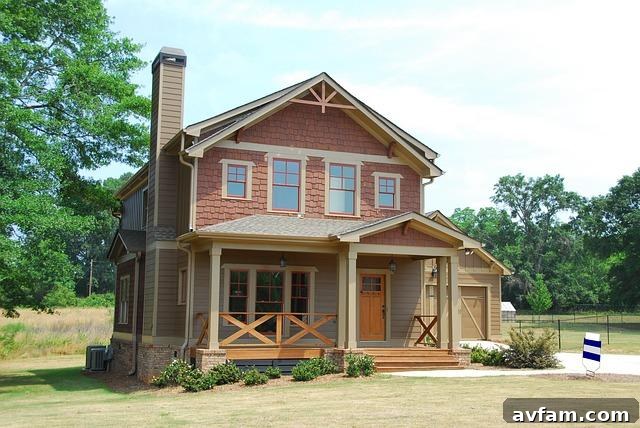
Most homeowners start construction projects with a target completion date in mind. Whether building a custom home, remodeling a kitchen, or finishing a basement, people naturally want work finished on time and within budget. In practice, construction schedules rarely proceed perfectly from one phase to the next. Delays can arise at nearly every stage, often from sources homeowners did not expect.

(photo credit: Microsoft Stock Images)
Planning and Design Delays
The planning and design phase often creates some of the largest scheduling challenges. Revisions to plans, permit applications, and material selections can slow progress before any physical construction begins.
Homeowners sometimes continue to change layouts, finishes, or room dimensions after plans are already underway. Even minor adjustments can force designers, engineers, or contractors to revise drawings and cost estimates. These updates can delay permit approval and push back start dates.
Material choices matter early in the process. Cabinets, flooring, tile, windows, and appliances may have long lead times depending on availability. Waiting too long to finalize selections often creates scheduling gaps that ripple through the project.
Permitting adds another layer of uncertainty. Some municipalities process applications quickly, while others require multiple rounds of review or corrections before issuing approvals.
Site Preparation Challenges
When construction begins, site preparation introduces additional delay risks. Soil conditions, drainage issues, utility access, and weather can all affect the schedule during this phase.
Excavation sometimes uncovers unexpected problems: old foundations, buried debris, unstable soil, or water drainage concerns that require additional work before crews can continue.
Weather is a major factor early on. Heavy rain, snow, or freezing temperatures can delay excavation, grading, and concrete work. Wet ground conditions can make sites difficult or unsafe for heavy equipment, making timing unpredictable.
Clear communication among crews matters during site preparation. On larger sites, contractors use coordinated scheduling and efficient communication tools to manage equipment movement and material deliveries across active work areas.
Framing and Structural Delays
The framing stage turns plans into visible structure but still carries several scheduling risks.
Material shortages or late deliveries—particularly of lumber—can delay framing crews. Labor availability also affects progress, especially during busy construction seasons when contractors juggle multiple projects.
Inspections are important during framing. Structural work often requires approval before electrical, plumbing, or insulation work can proceed. Delayed inspections can stall entire sequences of trades that depend on those approvals.
Design conflicts sometimes appear during framing. Measurements that seemed correct on paper can create issues in the field, especially around stairways, ceiling heights, or window placement, and resolving those conflicts can add time.
Mechanical and Utility Installation Issues
Electrical, plumbing, heating, and cooling systems involve multiple trades working in the same areas. Coordination problems during this stage commonly affect schedules.
A delay in one trade can hold up several others. For example, unfinished plumbing may prevent insulation or drywall installation from moving forward on time.
Material availability is critical: electrical panels, fixtures, specialty lighting, and HVAC equipment can experience shipping delays. Custom items often take longer to arrive than standard components.
Changes requested during installation increase risk. Homeowners sometimes decide to move outlets, relocate lighting, or change plumbing fixtures after work has begun. Even small changes can require reopening walls or adjusting multiple systems, adding time and cost.
Interior Finishes Often Take Longer Than Expected
Interior finishing can look straightforward, but it often becomes one of the longest phases of a project.
Cabinet installation, painting, flooring, tile work, trim, and lighting require coordination across several trades. A delay in one area frequently affects the next step in the process.
Custom materials add scheduling pressure. Handmade tile, specialty stone, custom cabinetry, or imported fixtures can take weeks longer than standard products. Damage during shipping can also extend timelines when replacements must be ordered.
Drying and curing times matter more than homeowners often expect. Paint, flooring adhesives, grout, and concrete finishes require waiting periods before subsequent work can continue safely.

Final Inspection and Punch List Delays
Many homeowners expect projects to finish quickly once construction looks nearly complete, but the final phase often stretches longer than anticipated.
Final inspections can reveal corrections that must be completed before approval. Missing hardware, paint touch-ups, fixture adjustments, or electrical fixes frequently appear on the punch list.
Scheduling conflicts can slow completion. Contractors may need to return for smaller fixes after moving to other projects, and ordering replacement materials near the end of construction can extend the schedule further.
Practical Ways to Reduce Construction Delays
Homeowners can reduce scheduling risks by making decisions early and staying organized throughout the project. Finalizing layouts, finishes, and material selections before construction begins helps prevent changes that slow progress later.
Maintain regular communication with contractors to improve scheduling clarity. Weekly updates help identify issues before delays grow larger. At the same time, expect some flexibility: weather, inspections, and shipping issues cannot always be controlled.
Build extra time into the project timeline to reduce frustration if delays occur. Construction projects almost always require adjustments along the way, especially for larger renovations or custom home builds.
Construction schedules involve many moving parts, and delays can happen during nearly every phase. Design revisions, weather conditions, labor coordination, inspections, and material shortages all influence how quickly work progresses. Homeowners who understand these risks early make better decisions and approach projects with more realistic expectations.
Infographic: