
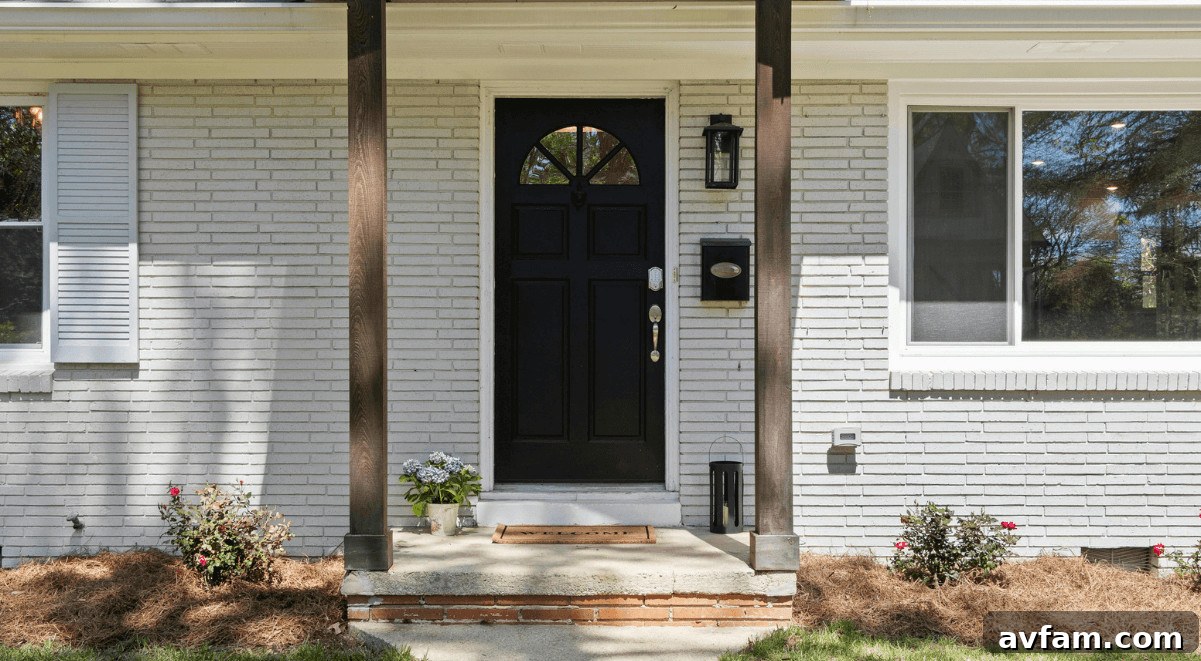
Your front door does more than shape your home’s curb appeal. It plays a crucial role in security, comfort and energy efficiency, helping to keep heated or cooled air inside and unwanted drafts out. In regions with pronounced seasons—like the Midwest—those functions matter even more because doors, frames and seals are constantly tested by cold winters and humid summers.
Cities across the Midwest face wide temperature swings that can expose weaknesses in exterior doors that homeowners in milder climates might not notice. A door that sticks, allows daylight to be seen around the frame, or does not latch tightly is a clear sign a replacement is needed. But some issues are subtler: older doors can still operate reliably while offering inferior insulation, weather resistance and security compared with modern options.
When planning a replacement, focus beyond appearance. Material, energy performance, frame condition and the quality of installation all determine the door’s long-term performance, maintenance needs and overall cost. Choosing the right combination will deliver better comfort, lower utility bills and improved durability.

Image by Kireyonok_Yuliya on Magnific
Prioritize energy performance before appearance
Energy efficiency should come first when replacing an exterior door in colder climates. Even a small gap around the door can allow significant heat loss during winter. Signs to watch for include visible daylight around the frame, drafts at the threshold or an older door with minimal insulation. Upgrading to a door with a low U-factor and tight air-sealing properties reduces heat transfer and can lead to tangible savings on heating and cooling.
Doors designed for northern climates meet stricter performance requirements than those intended for warmer regions. Selecting a model rated for low air leakage and good thermal resistance improves comfort and reduces the risk of moisture problems that can damage frames and finishes over time.
Steel doors: value, durability and insulation
Steel entry doors are a popular, cost-effective choice for many Midwest homes. Most modern steel doors include a polyurethane foam core that provides reliable insulation at a lower cost than many alternatives. Steel resists warping and swelling that can affect solid wood doors, and factory-applied finishes offer long-lasting protection with minimal maintenance.
Today’s steel doors are available with textured or embossed faces that mimic wood grain, giving homeowners traditional aesthetics without the upkeep of real wood. For many homeowners, steel strikes a practical balance between upfront cost, insulating performance and visual appeal.
Fibreglass doors: premium looks with low maintenance
Fibreglass doors appeal to those who want a wood-like look without the maintenance. High-end fibreglass models can replicate the grain and stain appearance of oak, mahogany or cherry, and they resist rust and many forms of weather-related damage. Fibreglass handles temperature fluctuations well and generally stays stable over time.
Fibreglass typically costs more than steel, so the decision often hinges on how much value you place on appearance and low upkeep. Where curb appeal and a realistic wood finish are priorities, fibreglass is a strong candidate.
Installation quality is as important as material
No matter the material, proper installation is essential. Even a high-performance fibreglass or steel door will underperform if it isn’t square, shimmed and sealed correctly. The rough opening, anchoring, and sealing around the frame must be addressed so the door maintains a consistent seal against wind and moisture throughout the year.
Threshold adjustment and weatherstripping are critical details. If the bottom of the door does not meet the threshold properly or the weatherstripping is compressed unevenly, air can leak under or around the door and defeat the door’s insulating benefits. A careful installer will test the fit, adjust the threshold and ensure weatherstripping contacts uniformly to preserve efficiency and ease of use.
Typical entry door replacement costs in the Midwest
Replacement costs vary based on material, glass, hardware and the complexity of the opening. A standard single steel door with mid-range hardware and a routine installation commonly falls in the lower price range, while a fibreglass system with decorative glass, premium hardware or work on a non-standard opening can increase cost substantially.
Beyond immediate energy savings, a new front door can improve resale appeal. Remodeling data often ranks entry door replacements among projects with good cost recovery, because the front door is one of the first features prospective buyers notice and a daily touchpoint for homeowners.
The complete door system: frame, weatherstripping and threshold
A replacement door is only as effective as the system that surrounds it. The existing frame should be solid, square and properly anchored. Old or flattened weatherstripping and a misaligned threshold will quickly undermine a new door’s performance. Installing a door into a damaged frame or leaving degraded weatherstripping in place can recreate the very problems the replacement was meant to fix.
Before installation, inspect the rough opening, framing and sill. Addressing rot, uneven framing or deteriorated seals before the new door is set prevents future issues and helps the new door operate as intended.
Choosing the right entry door for your home
Approach replacement as a system upgrade rather than a cosmetic change. Evaluate the condition of the current door and frame, compare materials, check energy ratings and consider maintenance and installed costs. Steel doors often offer the best balance of cost and insulation; fibreglass gives more design flexibility with minimal upkeep. In every case, proper installation and attention to the frame, threshold and weatherstripping are what deliver long-term comfort and efficiency.
For Midwest homes, the ideal entry door closes securely, seals out drafts and endures years of seasonal change while supporting both energy efficiency and curb appeal.