
Understanding Gentrification: A Comprehensive Sociological Perspective on Urban Transformation
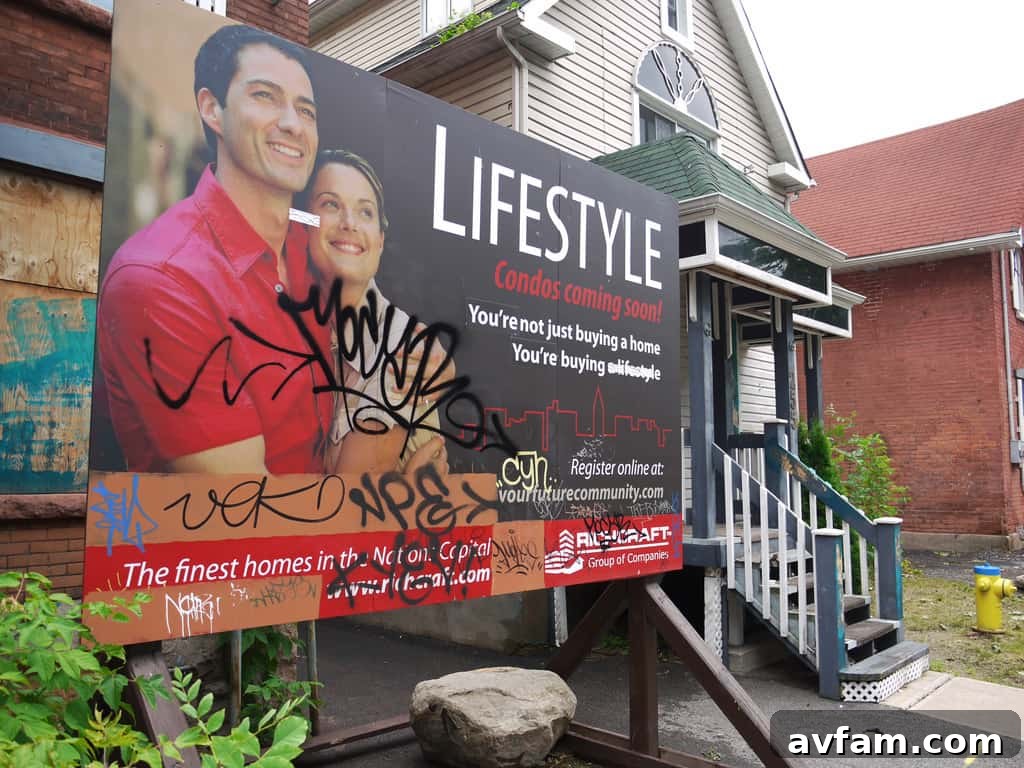
The term gentrification frequently ignites vivid, often contrasting, imagery. For some, it conjures scenes of revitalized historic districts, bustling with new businesses and affluent residents enjoying the fruits of urban renewal. They see refurbished brownstones, chic cafes, and a renewed sense of pride in previously neglected neighborhoods. For others, however, the word evokes anger and frustration, bringing to mind protests against new developments, the displacement of long-standing communities, and the erosion of local culture and history.
Whether you’ve ever contemplated purchasing and renovating a dilapidated property or simply observed the changing face of your own city, you’ve likely encountered, and perhaps even contributed to, the phenomenon of gentrification. Far from being a mere buzzword casually tossed around, gentrification is a profound and intricate sociological process with far-reaching consequences that extend beyond individual perceptions. It’s one of those concepts that many believe they understand, yet its full scope and implications often remain elusive.
This comprehensive guide aims to demystify gentrification, providing a deep dive into its sociological underpinnings, exploring its multifaceted impacts, and offering a nuanced understanding for anyone interested in urban development, community dynamics, and social change.
What is Gentrification? A Sociological Definition
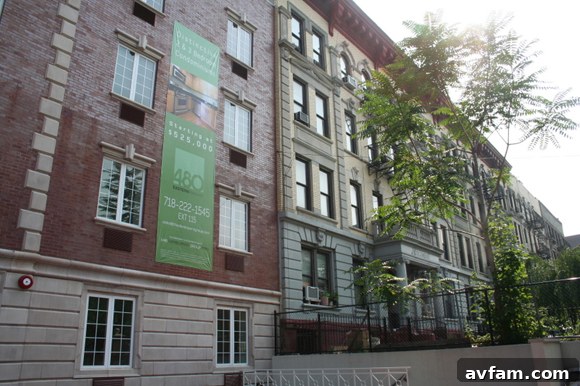
From a precise sociological standpoint, gentrification can be defined as the process by which middle and upper-class individuals and families move into historically lower-income or working-class urban neighborhoods. Their arrival often triggers a wave of property rehabilitation, investment, and socio-economic transformation, frequently with the intention of upgrading homes and public spaces to align with more suburban or affluent standards.
This phenomenon is often seen as the inverse of “white flight,” a significant demographic shift that occurred in the 1950s and 1960s. During that period, large numbers of middle-class families, predominantly white, migrated en masse from urban centers to the newly developing suburbs, leading to urban decay and economic decline in many city cores. Gentrification, in essence, represents a reversal of this trend, bringing a new wave of residents back into urban areas, often drawn by their historical character, proximity to amenities, or perceived investment potential.
The term itself was coined by British urban sociologist Ruth Glass in 1964 while observing changes in working-class neighborhoods of London. Glass noted that the original working-class occupants were being displaced by a new “gentry” – people of “gentle or easy birth” – leading to significant changes in the social character and housing market of these areas. This foundational understanding highlights that gentrification is not merely about physical renovation but fundamentally about shifts in class, culture, and power dynamics within a community.
The Dual Nature: Arguments For and Against Gentrification
The debate surrounding gentrification is complex and often emotionally charged, with passionate arguments on both sides. To truly grasp its sociological dimensions, it’s crucial to understand these competing perspectives.
Arguments For: The Benefits of Urban Renewal
Proponents of gentrification often highlight its potential to revitalize economically depressed neighborhoods and bring about significant improvements. The arguments in favor typically include:
- Economic Revitalization and Increased Tax Base: The influx of higher-income residents often leads to new businesses, higher property values, and increased consumption within the neighborhood. This can significantly boost the local economy, create jobs, and generate greater tax revenues for the city, which can then be reinvested in public services and infrastructure.
- Improved Infrastructure and Public Services: As wealthier residents move in and the tax base expands, there’s often greater political will and financial capacity to upgrade public infrastructure. This can include better roads, parks, schools, public transportation, and community centers, benefiting all residents to some extent.
- Reduced Crime Rates: Increased population density, more “eyes on the street,” and greater investment in community safety initiatives often correlate with a decrease in crime rates, making neighborhoods safer for everyone.
- Property Value Appreciation: Existing homeowners who remain in a gentrifying area can see a substantial increase in their property’s value, representing a significant personal asset gain.
- Fostering Community Pride and Investment: Rehabilitation efforts, both public and private, can transform neglected areas into vibrant, aesthetically pleasing environments. This can instill a greater sense of pride among residents and encourage further investment in the community’s upkeep and development.
In essence, the argument for gentrification paints a picture of progress, economic uplift, and a return to vibrant urban living, transforming rundown areas into desirable places where people want to live, work, and invest.
Arguments Against: The Costs of Displacement and Loss
Conversely, critics of gentrification emphasize its profound negative consequences, particularly for the original residents and the unique character of established communities. The primary concerns include:
- Economic Eviction and Displacement: This is arguably the most significant criticism. As property values and rents skyrocket due to new demand, long-term residents, particularly those with lower and fixed incomes, find themselves unable to afford their homes or apartments. Rising property taxes, often tied to increased property values, also burden homeowners. This leads to forced migration, or “economic eviction,” pushing established communities out of the neighborhoods they have called home for generations.
- Loss of Affordable Housing: The conversion of rental units to owner-occupied properties, coupled with the demolition of older, more affordable housing stock for new, upscale developments, dramatically reduces the availability of low-income housing. This exacerbates urban housing crises and concentrates poverty in other, often already struggling, areas.
- Erosion of Cultural Identity and Social Fabric: Gentrification often replaces local businesses (e.g., small family-run shops, ethnic restaurants) with upscale boutiques and chain stores catering to the new residents. This can lead to a homogenization of culture and the loss of a neighborhood’s unique identity, which was often built over decades by its original inhabitants. The tightly knit social networks and support systems within the original community can be fractured and destroyed.
- Increased Social Polarization: The arrival of affluent residents can create a stark socio-economic divide within the neighborhood, leading to a sense of alienation and resentment between new and old residents. This can manifest in subtle ways, such as changes in public space usage, or more overtly, in social tensions and conflicts.
- Decreased Availability of Social Programs: As an area becomes wealthier, there can be a decrease in the perceived “need” for certain social services and programs designed to support lower-income individuals, further disadvantaging those who remain or are displaced.
From this perspective, gentrification is viewed as a destructive force that prioritizes profit and development over people, tearing apart the social fabric of communities and deepening existing inequalities.
Delving Deeper: Influencing Frames of Thought in Gentrification
To fully understand gentrification from a sociological perspective, it’s essential to move beyond surface-level observations and analyze the various theoretical lenses through which it can be understood. Sociologists Bruce London and J. John Palen, in 1984, identified several influencing frames of thought that offer a comprehensive analytical framework:
1. Demographic-Ecological Perspective
This perspective focuses on the shifts in population composition and the spatial organization of urban areas. It examines who moves into gentrifying neighborhoods (e.g., empty-nesters, young professionals, artists), why they choose these areas (e.g., proximity to work, cultural amenities, unique housing stock), and the resulting changes in land use and housing patterns. It looks at factors such as declining household sizes in core cities, changing demographics of the workforce, and the appeal of urban living for specific population segments. This frame helps us understand the “push” and “pull” factors influencing migration patterns and the physical transformation of the urban landscape.
2. Sociocultural Perspective
The sociocultural lens explores the changes in a neighborhood’s social and cultural character. It investigates how the influx of new residents impacts existing social norms, values, and community practices. This includes examining the emergence of new cultural institutions (e.g., art galleries, gourmet restaurants), the decline of traditional ones, and the potential for cultural clash between long-term residents and newcomers. It also considers how changes in retail, entertainment, and public spaces reflect new cultural preferences and often lead to the marginalization of existing cultural expressions. This perspective is critical for understanding the emotional and identity-based impacts of gentrification.
3. Political-Economic Perspective
This framework emphasizes the role of broader economic forces and political decisions in driving gentrification. It analyzes how capital investment, real estate markets, and government policies (e.g., zoning laws, tax incentives, infrastructure projects) shape urban development. It questions who benefits economically from gentrification (e.g., developers, landowners, investors) and who bears the costs (e.g., displaced residents, small businesses). This perspective often critiques the commodification of urban space and views gentrification as a result of profit-driven development strategies, often supported by municipal governments eager to boost their tax base.
4. Community Networks Perspective
This view focuses on the impact of gentrification on existing social ties and informal support networks within a community. Long-standing neighborhoods often possess rich social capital, built through generations of shared experiences, mutual aid, and informal economies. Gentrification can disrupt these vital networks as residents are displaced, local gathering places close, and new residents may not integrate into established social structures. This perspective highlights the loss of community cohesion, social support systems, and the breakdown of informal mechanisms that help residents cope with urban life, particularly for vulnerable populations.
5. Social Movement Perspective
Finally, the social movement perspective examines the resistance and activism that gentrification often sparks. It looks at how affected communities organize to protest displacement, advocate for their rights, and influence urban planning decisions. This includes grassroots movements, tenant unions, community land trusts, and policy advocacy groups that seek to mitigate the negative effects of gentrification or promote alternative, more equitable development models. This frame underscores the agency of residents in challenging dominant development narratives and fighting for social justice in urban spaces.
The Unseen Impacts: Beyond Bricks and Mortar
The true reach of gentrification extends far beyond visible changes in buildings and businesses. It profoundly impacts the human experience, often in ways that are subtle yet deeply damaging.
- Psychological Toll: Displacement carries a heavy psychological burden. Losing one’s home and community can lead to stress, anxiety, depression, and a loss of identity and belonging. For elderly residents, leaving a lifelong home can be particularly traumatic.
- Loss of Historical Memory: Neighborhoods are repositories of collective memory. As original residents disperse and historic buildings are altered or demolished, the unique history and stories embedded in the urban fabric can be lost, severing ties to the past.
- Health Disparities: Displacement can force residents into areas with fewer resources, poorer environmental quality, or limited access to healthcare, potentially exacerbating existing health disparities.
- Educational Disruption: Children displaced from gentrifying neighborhoods may be forced to change schools, disrupting their education and social networks at critical developmental stages.
Gentrification and the Home Improvement Enthusiast
For individuals passionate about DIY and home renovation, the concept of gentrification presents a unique set of ethical considerations. While the act of rehabilitating a rundown property might seem inherently positive – improving aesthetics, increasing property value, and contributing to urban renewal – it’s crucial to acknowledge the broader context.
Those undertaking renovations in gentrifying areas are, by definition, participating in the process. Understanding the potential ripple effects of their actions is vital. For instance, a beautifully renovated home can increase property values and taxes for neighbors who may not be able to afford similar upgrades or the resulting tax hikes. This doesn’t mean home improvement should cease, but rather that it should be approached with an awareness of its social implications.
Responsible engagement might involve supporting local, existing businesses during the renovation process, engaging with long-term residents, advocating for policies that promote affordable housing, or participating in community efforts to ensure equitable development. Being an informed participant means recognizing that your individual investment has a collective impact.
Navigating the Aftermath and Future of Gentrification
The trajectory of gentrification isn’t always linear or guaranteed to “succeed” in all its intended ways. Sometimes, areas experience “failed gentrification” where initial investment doesn’t lead to sustained growth, leaving behind partially revitalized areas and lingering social tensions.
Regardless of its immediate outcome, the long-term consequences of gentrification necessitate thoughtful urban planning and policy interventions. Strategies aimed at equitable development include:
- Inclusionary Zoning: Mandating that new developments set aside a certain percentage of units for affordable housing.
- Rent Control and Stabilization: Policies to limit rent increases and protect existing tenants from rapid displacement.
- Community Land Trusts: Non-profit organizations that acquire land and hold it in trust for affordable housing and community use, ensuring long-term affordability.
- Anti-Displacement Measures: Providing financial assistance, legal aid, and relocation services for residents at risk of displacement.
- Supporting Local Businesses: Programs to help existing small businesses thrive amidst changing economic landscapes.
The goal is to foster urban revitalization that benefits all segments of the population, not just the affluent, creating truly sustainable and inclusive cities.
Conclusion: A Call for Nuanced Understanding
Gentrification is undeniably one of the most pressing and contentious issues in contemporary urban sociology. It is a powerful force that reshapes cities, influences economies, and profoundly impacts the lives of millions. As we have explored, it is not a monolithic concept but a dynamic process driven by complex demographic, economic, political, and cultural factors.
Understanding gentrification requires moving beyond simplistic black-and-white narratives. It demands a nuanced appreciation of both its potential benefits in urban revitalization and its often devastating costs in terms of displacement, cultural erosion, and social inequality. For anyone involved in urban life – as a resident, homeowner, developer, policymaker, or simply an observer – cultivating this deeper sociological understanding is not merely academic; it is essential for fostering more equitable, vibrant, and inclusive urban communities for the future.