
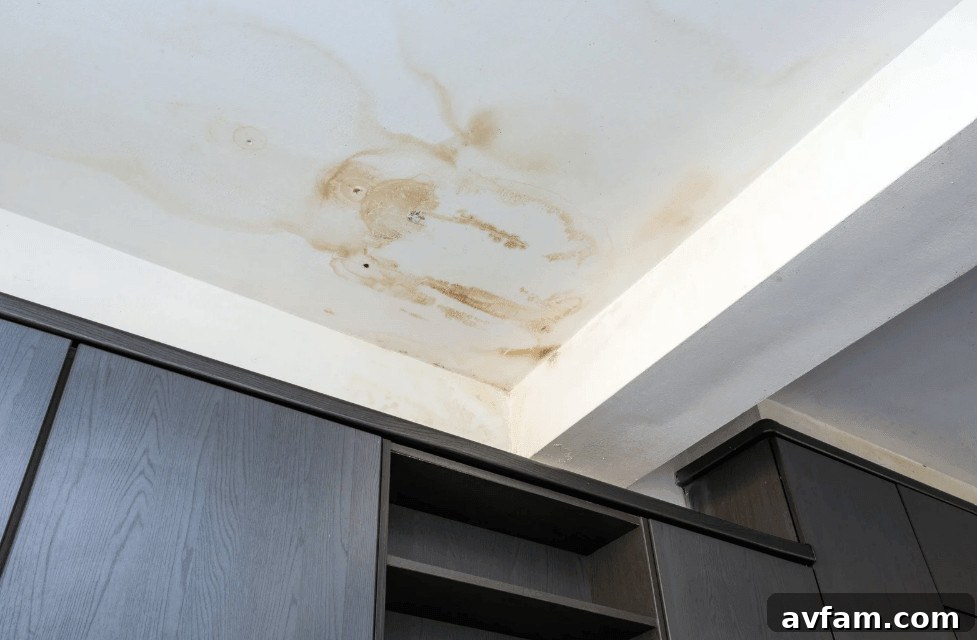
A water stain on the ceiling is frustrating, but it rarely shows the whole story. Roof leaks often travel along rafters, insulation, or other building materials before water becomes visible inside your home. That means the spot where you notice the damage can be several feet away from the actual source of the leak.
Understanding how roof leaks develop helps homeowners spot problems sooner, talk more effectively with contractors, and reduce the chance of costly repairs. Some issues will require professional attention, but knowing where to look and what to document is a useful first step.
(photo credit: Microsoft Stock Images)
Start With Interior Signs
Most homeowners find roof leaks from inside the house before they see any obvious roof damage outside. Water stains on ceilings, peeling paint, bubbling drywall, damp insulation, and musty odors are common early warnings that moisture has entered the structure. Begin by documenting where the damage appears: take photographs and note whether the leak happens only during heavy rain, after snow melts, or during high winds. These details narrow down likely sources and help a contractor diagnose the problem faster.
If it is safe to access your attic, inspect for damp insulation, water stains on roof decking, or any spots where daylight is visible through the roof. A flashlight will highlight small problem areas. Remember that water follows the path of least resistance, so a ceiling stain above the living room may actually originate higher up or farther along the roof.
Inspect Common Leak Locations
Certain roof areas are more prone to leaks because they contain joints, penetrations, or sudden changes in slope. Flashing—metal or other sealing material around chimneys, skylights, plumbing vents, and roof valleys—should be a top inspection target. Over time flashing can loosen, corrode, or pull away from surrounding materials, allowing water to enter.
Roof valleys collect large volumes of rain during storms and are vulnerable if shingles or flashing are damaged. Plumbing vent boots—the rubber seals around vent pipes—also degrade with exposure to sunlight and temperature changes. Even a small gap around one of these penetrations can let substantial water into the attic or ceiling cavity.
Check Gutters and Drainage
Sometimes the roof itself isn’t the main problem. Clogged gutters and downspouts can cause water to back up beneath roofing materials, especially during heavy rain. Leaves, twigs, and debris prevent proper drainage. When water pools along the roof edge it can work its way under shingles and flashing.
Inspect gutters for blockages, sagging sections, loose fasteners, and overflowing water during storms. Downspouts should direct water several feet away from your foundation to reduce moisture near the house. Regular gutter cleaning and occasional repairs are straightforward, cost-effective steps that prevent many roof issues.
Weather Often Reveals Hidden Weaknesses
Different weather conditions expose different roofing problems. Heavy rain reveals worn shingles, damaged flashing, and failed sealants. Strong wind can lift shingles and create gaps that allow water beneath the roofing layers. Snow and ice can produce ice dams, where melting snow refreezes at the eaves and forces water back under shingles.
After severe storms, perform a visual check from the ground for missing shingles, damaged flashing, fallen limbs, or debris on the roof. Avoid climbing onto a wet or damaged roof unless you have proper safety equipment and experience; slippery surfaces and loose materials increase the risk of falls.
Small Leaks Become Bigger Problems
Even slow, intermittent leaks can cause expensive damage if left unaddressed. Moisture trapped inside walls and ceilings can lead to mold growth, wood rot, ruined insulation, and weakened structural components. Water that reaches wiring or light fixtures poses fire and safety risks. Any active leak, however small, deserves prompt action to prevent escalation.
When to Hire a Professional
Some issues are suitable for homeowners to monitor, but many roof repairs require specialized knowledge, tools, and safety precautions. If water is actively entering the home, large sections of shingles are missing, or a storm has left noticeable damage, contact a qualified roofing contractor. For severe weather damage or rapidly worsening leaks, emergency roof repair professionals can provide temporary measures to stop water intrusion until permanent repairs are scheduled.
Practical Maintenance Steps
Regular maintenance is the best defense against roof leaks. Perform a visual roof inspection at least twice a year—spring and fall are ideal—looking for loose or missing shingles, damaged flashing, clogged gutters, and early signs of wear. Trim nearby trees so branches don’t scrape roofing materials or drop excessive debris into gutters. This reduces both gradual wear and the chance of storm damage.
Inside the home, check your attic periodically for moisture, stains, or unusual odors. Early detection often prevents much larger and costlier repairs. Keep a record of inspections, maintenance, and any repairs. Documentation helps contractors evaluate recurring problems and lets you track roof condition over time.
A roof leak rarely resolves on its own, and delays almost always let damage spread. Learning where leaks commonly start and recognizing early warning signs equips homeowners to act quickly before a minor issue becomes a major repair. Set aside time this season to inspect your roof, gutters, and attic so you can address small problems before they escalate.
Infographic: