
In Austin, air conditioning is more than a seasonal convenience — it’s a year-round necessity. Systems here run hard through long, hot summers, so factors like reliability, efficiency, and wear matter much more than in cooler climates. When an AC shows signs of trouble, homeowners face a common dilemma: repair or replace?
That choice is rarely decided by a single repair estimate. Consider the unit’s age, service history, recent problems, energy consumption, and the likely cost of keeping it running through another intense Texas summer. Balancing short-term repair costs against long-term performance and operating expenses leads to a smarter decision.

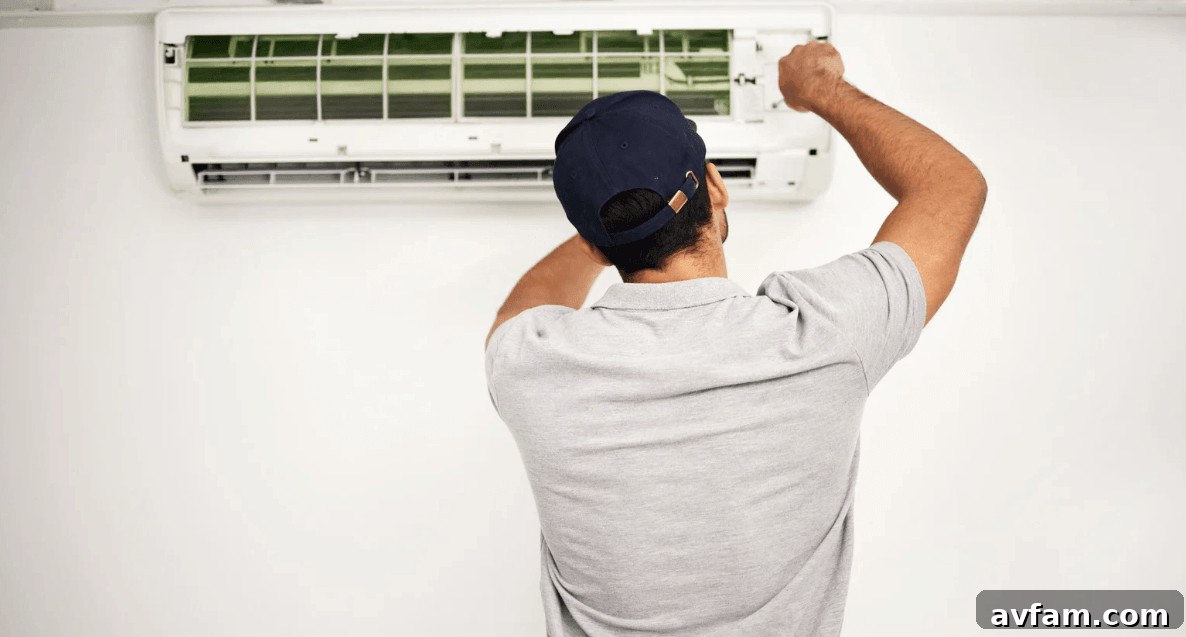
Image by senivpetro on Magnific
The Age Threshold That Changes the Math
Age is a helpful starting point, but it shouldn’t be the only factor. For systems under ten years old, a repair often makes sense—especially if the issue is isolated and the unit has been dependable. Between about 10 and 15 years, though, recurring problems, falling efficiency, and the cost of major components make replacement a more likely option.
Efficiency improvements in modern equipment are significant. An older unit can consume notably more electricity to deliver the same cooling as a newer model. In a climate where an AC runs frequently, higher operating costs can quickly offset the savings of a single repair. Compare repair costs against likely energy bills to see the full picture.
The 5,000 Rule as a Starting Point
A common rule of thumb multiplies the equipment’s age by the estimated repair cost; totals above 5,000 often push homeowners to seriously consider replacement. Use this rule only as a guideline rather than a strict test.
Other issues—warranty status, the refrigerant used, parts availability, and prior repair history—can change the calculation. A modest repair on a generally reliable older system may be justified. Conversely, repeated repairs on a comparatively young unit can indicate deeper problems that point toward replacement.
Also remember that Austin systems typically accumulate more runtime than identical-age units in cooler regions. Ten or twelve years of heavy Texas use can mean more wear and a higher chance of imminent failures than the calendar age alone implies.
What the Repair Actually Tells You
Not every repair communicates the same prognosis. A small, isolated issue on a newer unit may be routine maintenance. A major component failure on a fifteen-year-old system, however, calls for a careful look at the rest of the equipment.
When scheduling service, bring prior maintenance records and ask the technician about the condition of other major parts, the likelihood of near-term failures, and whether replacement parts are becoming costly or scarce. That context matters more than whether the current problem can be fixed; a repair that preserves a healthy system is very different from one that merely delays an inevitable replacement.
How Austin’s Climate Affects Replacement Timing
Hot central Texas summers make timing important. A breakdown during an extreme heat wave limits options and can increase costs or extend downtime. If a system is borderline, planning a replacement in milder weather offers better choice, time to compare units, and less urgency than waiting for an emergency.
Regular inspections of older equipment can identify worn parts and declining performance before a catastrophic failure. While no technician can guarantee an aging unit will survive another summer, early detection gives homeowners time to plan and budget for replacement if it becomes the best option.
Understanding What Replacement Actually Delivers
Replacing an outdoor condenser or air handler is just one part of the equation. The home’s ductwork, attic insulation, and air sealing influence how well new equipment performs. Leaky ducts or poor insulation can waste cooled air and reduce the benefits of a new, efficient system.
Proper sizing is critical. Oversized systems short-cycle, reducing comfort and humidity control; undersized systems run continuously and wear out faster. A correct load calculation considers insulation, windows, orientation, and the home’s thermal envelope—not just square footage.
The ENERGY STAR Framework for Replacement Decisions
Energy-efficiency benchmarks such as ENERGY STAR provide useful comparisons for heating and cooling equipment. Certified models meet defined efficiency standards, offering a reliable way to gauge expected operating costs against purchase price and installation expenses.
In a climate where air conditioning runs for months, even modest efficiency gains can translate into meaningful savings over an equipment’s lifetime. Still, higher efficiency alone doesn’t always justify replacement; weigh expected energy savings against the cost of new equipment and installation.
Look at the Whole Picture Before Deciding
There’s no single age or repair cost that mandates replacement. A ten-year-old unit with a minor problem and a strong service history is a very different case from a fifteen-year-old system with multiple expensive failures.
Evaluate service history, compare the repair cost with the overall condition of the system, and estimate future operating expenses. If replacement is likely, planning ahead offers time to evaluate equipment options and financing without making a rushed decision during the hottest week of the year.
The goal is practical: not to replace equipment simply because it’s old or to repair it indefinitely because it still operates. It’s to understand current and future costs and choose the option that best fits the home’s needs and budget over the coming years.