
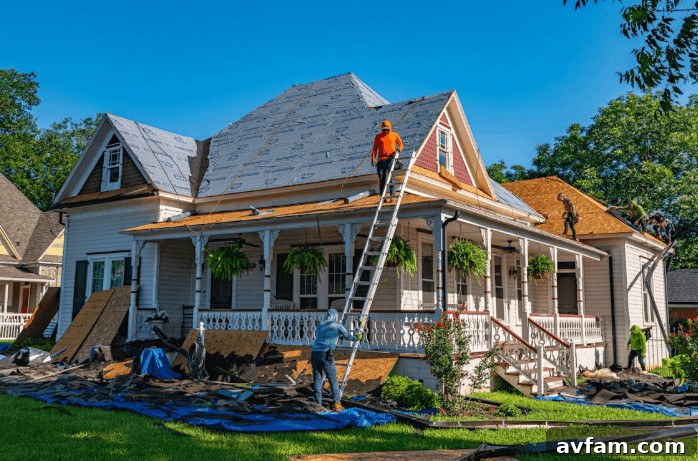
Have you ever looked at a peeling porch railing or cracked siding and thought, “How hard could a full exterior renovation really be?” That confident question has launched countless do-it-yourself attempts, professional overhauls, and more than a few neighborhood disagreements. Exterior renovations now sit at the intersection of rising property values, climate-driven concerns, and social-media expectations.
Today’s homeowners are doing more than cosmetic fixes. They’re reinforcing homes against severe weather, cutting energy costs, and trying to avoid a curb appeal misstep that could shave thousands off a sale price. What begins with a ladder and a trip to the hardware store can quickly turn into a complex undertaking with high stakes.
The Budget Almost Always Expands
Many projects start with a tidy spreadsheet and optimistic estimates. Reality, however, tends to arrive in work boots. Lumber and material prices remain volatile because of ongoing supply-chain instability, and labor shortages in construction push bids higher. A renovation that seemed affordable in winter can easily cost 15–25% more by summer.
The wisest homeowners set aside a contingency fund before construction begins. Once old siding or roofing comes off, contractors frequently find hidden issues—water damage, outdated wiring, or rotten framing—that require immediate attention. Discovering these problems after work has started is frustrating and costly, but postponing repairs only increases long-term expense and risk.
Weather Is Less Predictable Than It Used to Be
Scheduling exterior work used to mean watching a seven-day forecast and hoping for clear skies. Now, seasons are less reliable: storms arrive earlier, heat waves lengthen, and extreme rain events can flood work sites that long remained dry. Climate change has made weather-related delays commonplace rather than exceptional.
Before hiring a roofing or exterior contractor, ask how they handle weather interruptions, protect materials on site, and respond to emergency situations like sudden storms. Contractors working in hurricane- or wildfire-prone areas often have stronger contingency plans because they operate under constant pressure. A low bid can look attractive until a storm exposes an unfinished roof and forces repeat repairs.
Permits and Inspections Take Time
Municipalities now treat many exterior projects with the same scrutiny once reserved for large commercial builds. Local regulations around drainage, energy efficiency, and storm resistance have tightened in response to recent climate events, and even window or siding replacements can trigger inspections that add weeks to a timeline.
While the permit process can feel bureaucratic and slow, it exists to protect safety and property values. Skipping permits might save time initially, but it can create serious problems during resale—buyers often expect documentation showing work met code, and lenders may require proper permits before financing.
Materials Depend on Global Supply Chains
Exterior renovation timelines and costs are increasingly influenced by international events. Tariffs, shipping delays, labor disputes, and fuel prices affect the availability and price of siding, stone, roofing shingles, and windows. A disruption overseas can delay a local deck or facade project by months.
Order key materials early and get written confirmation of availability. Some contractors still quote products that are backordered, so flexibility helps when substitutions become necessary mid-project. The pandemic shifted expectations around delivery times, and construction now resembles a chain of dependent shipments where one delay can slow everything.
Neighbors Often Become Stakeholders
Exterior work is public by nature. Unlike interior renovations, the whole block watches scaffolding go up and trucks park in driveways. Noise, dumpsters, blocked access, and portable facilities can quickly create tension in closely spaced neighborhoods.
Clear communication can prevent many disputes. Share schedules, expected noise levels, and work hours with neighbors before demolition begins. Small courtesies—a heads-up about early concrete pours or temporarily blocked driveways—go a long way toward maintaining goodwill and avoiding lingering resentment.
Energy Regulations and Incentives Keep Changing
Energy efficiency now strongly influences exterior renovation choices. Federal tax credits, state rebates, and stricter building standards affect decisions about insulation, windows, roofing, and siding. Ignoring current requirements can leave homeowners paying more for products that underperform or miss out on available incentives.
Effective exterior upgrades should boost both durability and efficiency. Improved insulation behind siding reduces heating and cooling bills, while reflective roofing lowers interior temperatures during hot summers. With utility costs rising faster than wages in many regions, energy-smart renovations are increasingly viewed as necessary investments rather than optional upgrades.
Respect the House: Long-Term Value Matters Most
The most successful renovations enhance a home without erasing what makes it unique. Older houses often reveal practical and aesthetic clues about what works structurally and visually. Covering historic details with trendy materials can strip character and reduce long-term appeal.
Skilled renovators study drainage, sunlight exposure, ventilation, and original architectural details before making major changes. That thoughtful approach protects value and reduces future maintenance. While glamorous finishes are appealing, the invisible, functional improvements—proper flashing, waterproofing, and ventilation—are usually the elements that determine whether a renovation endures beyond a few seasons.
Exterior projects should solve existing problems and add resilience for the years ahead. A beautiful facade is important, but durability and performance will keep a renovation looking good for the long term.