
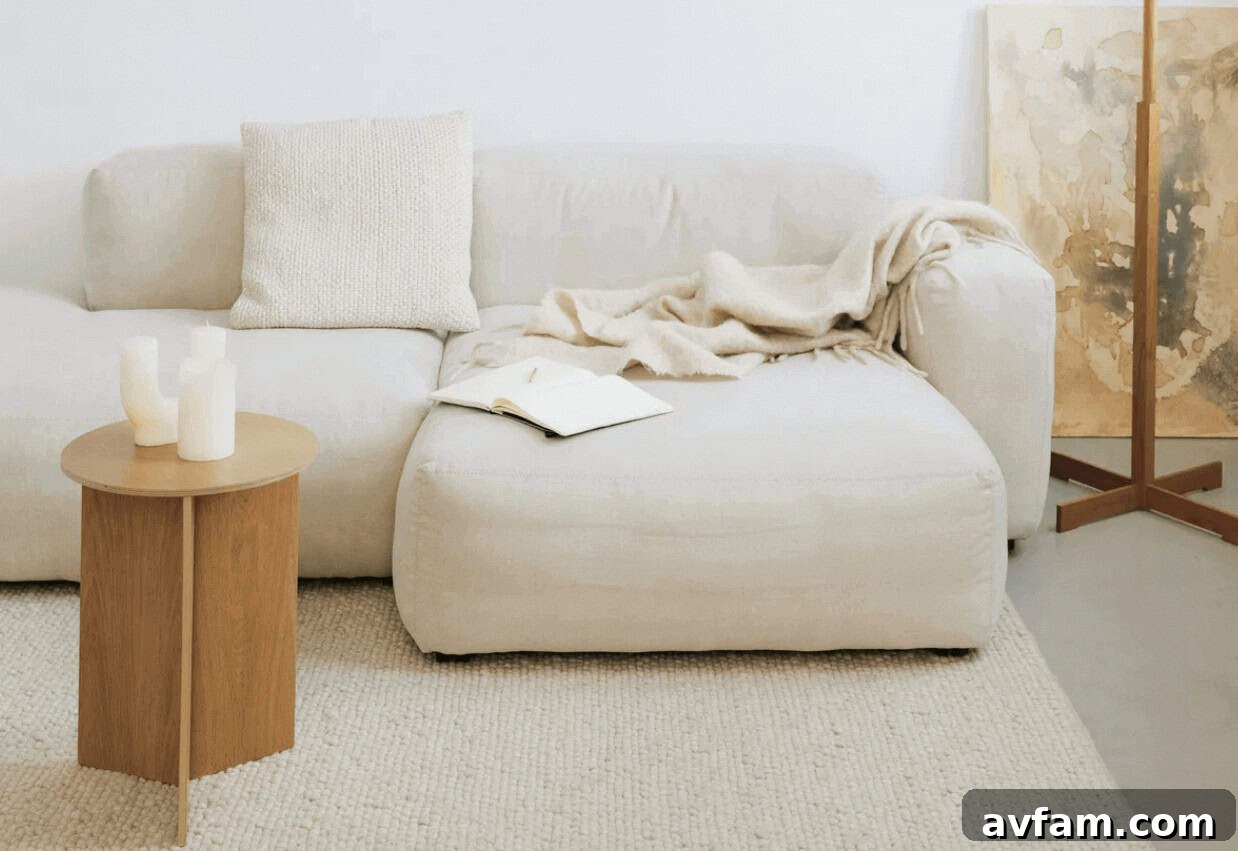
In the vast landscape of home design and living, much attention is often devoted to family-centric residences. These are spaces meticulously crafted to accommodate shared lives, bustling kitchens, and the dynamic needs of growing households. However, the narrative of home living is far more diverse than just multi-occupant dwellings. A significant and ever-increasing number of individuals are embarking on the journey of setting up their own private sanctuaries, whether they are taking their first steps into independent living or redesigning their lives after a significant change.
The experience of living alone presents a unique array of considerations and decisions. Unlike planning for a full household, the primary objective shifts to creating an environment that seamlessly supports one person’s daily routines, ambitions, and comfort, all while maintaining meticulous control over finances. The cumulative costs of furniture, utility services, and everyday essentials can escalate surprisingly quickly, and without a strategic, well-thought-out plan, the initial months of solo living can become a financial strain far greater than anticipated.
A diligently planned setup is the ultimate safeguard against these potential pitfalls. By strategically prioritizing essentials, making astute choices in selecting furniture that offers multifunctional utility, and spreading larger purchases over a manageable timeline, it becomes entirely feasible to cultivate a comfortable, inviting, and personalized home without overextending one’s budget. This deliberate approach ensures that independence is not only achievable but also sustainable and enjoyable.
This comprehensive guide delves into practical, actionable strategies for establishing a solo living space that excels in functionality, remains impeccably organized, and is, crucially, financially sustainable for the long term. It’s about building a foundation for independent living that fosters peace of mind and allows for personal growth.

Set Your Financial Foundations: The Pre-Setup Budget
The cornerstone of a successful and stress-free home setup for solo living is a meticulously crafted budget. Before any furniture is purchased or utility accounts are opened, it is imperative to calculate your full monthly housing costs upfront. Rent, while significant, is merely one component of the broader financial picture. To ascertain your true baseline expenses, you must factor in a comprehensive list of outgoings: utilities such as electricity, gas, and water; internet and cable services; waste disposal fees; parking costs (if applicable); essential renters’ insurance; and a realistic allocation for basic household supplies.
Once your recurring monthly obligations are clear, you can then develop a startup budget, approaching it methodically, room by room. Categorize items into “non-negotiable essentials” and “discretionary wants.” For the bedroom, a comfortable mattress, basic bedding, and adequate lighting are paramount. In the bathroom, a shower curtain, towels, and fundamental toiletries are immediate needs. The kitchen requires safe food storage solutions, a basic set of dishes, and simple cooking implements. For common areas like the living or dining room, consider foundational items like a small sofa or a dining table and chairs. The critical question to continually ask yourself is: Is this truly essential for immediate functionality, or can it wait? An ultra-wide television, for instance, might be a desirable luxury, but it is rarely an initial necessity.
Strategically deferring non-essential purchases to later weeks or months is a powerful budgeting tool. This approach prevents your initial budget from being depleted too quickly, allowing you to prioritize and spread significant expenditures over time. This phased buying strategy not only alleviates financial pressure but also enables more thoughtful decisions.
When planning how to afford to live alone, it’s crucial to acknowledge the upfront costs associated with moving. Deposits, application fees, utility activation charges, and initial grocery runs can quickly add up, often requiring payment before you even move in. These expenses can place even the most carefully thought-out budgets under considerable pressure. In such scenarios, understanding how a small, responsible emergency loan or short-term financing can serve as a structured bridge can be invaluable. This type of financing should be considered only for essential move-in costs, with a clear repayment plan integrated into your monthly budget. When utilized prudently, short-term financing can help maintain financial stability during the transition, ensuring your home setup journey remains on solid footing rather than veering off course due to unexpected initial outlays. Always ensure that any borrowing is manageable and supports your long-term financial health.
Choosing Your Sanctuary: Selecting a Suitable Space for Solo Living
The process of selecting the right apartment for solo living extends far beyond mere aesthetics or amenities. While proximity to leisure opportunities, verdant green spaces, or convenient shopping districts are certainly attractive, the maximum size of a unit should rarely be the deciding factor. You undoubtedly need sufficient space to live comfortably and freely, but there’s an undeniable, often critical, trade-off between square footage and cost efficiency. For a single occupant, an oversized apartment can quickly become a financial burden, leading to inflated utility bills and the unnecessary expense of furnishing empty spaces.
Monthly costs are substantially reduced when you heat, cool, and furnish less space. This principle guides smart decision-making when evaluating potential homes. Instead of fixating on vast rooms, focus on clever design and strategic storage solutions. Closets, vertical shelving units, under-bed storage bins, and modular furniture are all ingenious ways to maximize utility within a smaller footprint, rendering expansive square footage a secondary, rather than primary, consideration. These solutions enable a decluttered, organized, and functional environment without the premium of extra space.
Location is another significant cost driver that demands careful assessment. A slightly higher monthly rent for an apartment in a prime location might initially seem daunting, but this premium is frequently offset by reduced commuting costs. Favoring walkable neighborhoods or areas with excellent public transportation links can drastically cut down on transportation needs. Fewer miles driven translates to significant savings on fuel, vehicle maintenance, and insurance. Furthermore, avoiding parking fees and the daily stress of navigating congested traffic contributes significantly to both financial and personal well-being.
Finally, the “move-in readiness” of a potential space is a crucial factor in protecting your initial budget. Units that already include essential appliances (like a refrigerator, stove, and dishwasher), modern and energy-efficient lighting fixtures, and an adequate number of well-placed electrical outlets can dramatically reduce your first-month spending. When a home is largely functional “as is,” you avoid immediate, unplanned expenses for essential upgrades. This not only protects your budget but also allows you to optimize savings and allocate funds towards personalization or building your emergency fund, rather than fixing deficiencies.
The Phased Approach: Staging Purchases with a Six-Week Plan
Establishing a fully equipped and comfortable home doesn’t, and shouldn’t, need to be an overwhelming endeavor completed within a single weekend. Far better, and more financially prudent, results are achieved when buying is strategically staged across several weeks. This methodical approach to acquiring household items ensures spending is controlled, priorities are addressed systematically, and decisions are made thoughtfully rather than rushed under pressure. It transforms a potentially stressful event into a manageable, even enjoyable, process.
A financially savvy home setup can be effectively structured over approximately six weeks, focusing on different categories each week:
- Week One: Foundations of Comfort, Safety, and Productivity. The initial focus is on the absolute essentials for basic living: restorative sleep, personal hygiene, immediate safety, and (for many) the capacity for productivity. This means prioritizing a comfortable mattress and basic bedding (sheets, pillows, a light duvet). For hygiene, a shower curtain, bath towels, and fundamental toiletries are a must. Safety is paramount; ensure you have new batteries for smoke and carbon monoxide detectors, and consider a small fire extinguisher. For those working or studying from home, a functional desk and an ergonomically sound chair are non-negotiable investments in your well-being and efficiency. These items lay the groundwork for a habitable space.
- Week Two: Culinary Independence and Nourishment. This week is dedicated to equipping your kitchen for basic food preparation. Investing in a small, versatile cookware set, a reliable set of knives, and practical food storage containers will empower you to cook meals at home. Stock your pantry with essential basics like salt, pepper, oil, pasta, and canned goods. By enabling simple meal planning and preparation, you will significantly reduce reliance on expensive meal delivery services or dining out, leading to substantial long-term savings and healthier eating habits.
- Weeks Three and Four: Enhancing Ambiance and Privacy. With the core functional needs met, attention shifts to enhancing the living environment. Introduce floor and table lamps to supplement overhead lighting, creating a warmer, more inviting ambiance and improving overall visibility. Simultaneously, install curtains or blinds. These are not merely decorative; they are crucial for controlling natural light, maintaining privacy, and contributing to energy efficiency by blocking harsh sun or insulating against drafts. This stage begins to transform a functional space into a comfortable home.
- Weeks Five and Six: Organization, Comfort, and Personal Touches. The final weeks are dedicated to refining your space. Focus on effective storage solutions such as shelving units, decorative baskets, and bins to keep your home tidy and organized. Introduce rugs for warmth, sound dampening, and to define areas within a room. This is also the time to consider non-essential but convenient appliances like a microwave, toaster, or coffee maker. Finally, add comfort upgrades and personal touches – throw pillows, artwork, plants, or decorative items – that enhance the space and reflect your personality, all without straining your carefully managed budget.
Furnish for Function, Then Infuse Style: Smart Furniture Choices
One of the most common and expensive financial missteps when setting up a new home is investing in furniture that may look aesthetically pleasing in a showroom but proves inefficient, impractical, or simply unsuitable for your specific living space. A prime example is purchasing an overly large sofa that clogs foot traffic flow, makes a room feel cramped, and potentially incurs costly return fees. To avoid such pitfalls and ensure better value for your money, always begin by meticulously sketching a floor plan of your new space and taking precise measurements of each room and entryway before committing to any purchases. This proactive step helps visualize how furniture will fit and function within your home.
In single-occupant homes, where space is often at a premium, multipurpose pieces of furniture are invaluable. Embrace items that serve dual or even triple functions. A storage ottoman, for instance, can provide extra seating, a convenient footrest, and discreet hidden storage for blankets or magazines. If closet space is limited, opt for a bed frame equipped with integrated drawers or under-bed storage solutions. For compact dining areas, a drop-leaf table offers flexibility, expanding when needed for meals and folding down to reclaim floor space when not in use. These versatile pieces maximize utility without compromising on style or comfort.
Prioritize quality and durability for items that will see constant use. These are the workhorses of your home and warrant a more significant investment. A supportive, ergonomic chair for your desk, a durable set of cookware that withstands daily use, and a dependable vacuum cleaner are examples of items where quality should take precedence. Investing in these foundational pieces ensures longevity and prevents the need for frequent, costly replacements. Decorative items, personal accents, and purely aesthetic upgrades can be added later. This staged approach allows you to shop without the pressure of immediate need, giving you the freedom to seek out sales, explore second-hand options, or save up for that perfect piece.
Smart Savings: Reduce Utility Bills with Simple Upgrades and Habits
Controlling utility costs is not just about being frugal; it’s a fundamental skill for maintaining a financially stable solo living setup. Significant savings can be realized early on through a series of targeted, low-cost changes and conscious daily habits. Begin by swapping out traditional incandescent bulbs for energy-efficient LED bulbs. LEDs consume far less electricity, last significantly longer, and provide excellent light quality, making them a wise investment that quickly pays for itself. Utilize power strips for electronic devices and appliances; these allow you to easily cut off “standby” or “phantom” energy waste that occurs even when devices are turned off but still plugged in. For smart savings, consider smart power strips that automatically cut power to idle devices.
Effective management of heating and cooling is paramount. During warmer months, strategically draw curtains or blinds during the hottest parts of the day to block direct sunlight and reduce heat gain. In colder seasons, keep them open to leverage natural sunlight for warmth and close them at night to insulate against winter drafts. Consider installing weatherstripping around leaky windows and doors, or using draft stoppers at the base of exterior doors to prevent heat loss or gain. Adjust your thermostat intelligently; lowering it by a few degrees in winter and raising it by a few degrees in summer can lead to substantial energy savings without sacrificing comfort, especially if you use a programmable or smart thermostat.
Water consumption is another area ripe for savings. Installing low-flow shower heads and faucet aerators are inexpensive and incredibly effective ways to reduce water usage without impacting water pressure. These upgrades are typically allowed in most rental properties as they require no permanent structural changes and are easily reversible. Additionally, make it a habit to check for and promptly repair any leaky faucets or running toilets, as even small drips can waste thousands of gallons of water annually.
Proactive maintenance acts as preventative medicine for your home, saving you from costly repairs down the line. Establish a schedule for replacing HVAC filters regularly (typically every 1-3 months, depending on usage) to ensure your heating and cooling systems operate efficiently. Keep refrigerator coils clean to prevent your appliance from overworking. Periodically empty and clean dishwasher traps to ensure optimal performance and prevent clogs. Regularly testing smoke and carbon monoxide detectors and cleaning dryer vents are also crucial for safety and efficiency. These small, routine tasks not only prevent costly repairs and extend the lifespan of your appliances but also contribute to a more comfortable, safer, and energy-efficient daily living environment.
Building Resilience: Establish and Maintain a Safety Net
For individuals living alone, stability and peace of mind are significantly enhanced by establishing a modest yet robust financial safety net right from the outset. The initial goal should be to accumulate enough savings to cover at least one month’s worth of your core expenses – rent, utilities, and essential groceries. Once this initial buffer is in place, commit to gradually growing it over time, aiming for three to six months of living expenses. This emergency fund is your first line of defense against unexpected financial challenges, such as a job loss, an unforeseen medical bill, or an urgent home repair, drastically reducing panic and stress levels when faced with the unpredictable.
Beyond financial savings, safeguarding your possessions is equally important. Create a comprehensive home inventory using a simple yet effective method: take photos and videos of your belongings, especially high-value items, and keep digital copies of receipts. Document serial numbers and descriptions. Store this inventory in a secure, off-site location (e.g., cloud storage, a safe deposit box, or an external hard drive stored elsewhere). This detailed record streamlines the process of filing insurance claims in the event of theft, fire, or damage, and also simplifies the planning for replacements. Having clear documentation can be the difference between a smooth resolution and a frustrating ordeal.
Crucially, ensure your renters’ insurance policy is always current and adequate. Many people overlook renters’ insurance, assuming their landlord’s policy covers their belongings, which it does not. Renters’ insurance provides vital protection for your personal property against perils like fire, theft, and vandalism, and also offers liability coverage in case someone is injured in your home. The cost of renters’ insurance is remarkably affordable, especially when compared to the substantial financial risks it protects against. Regularly review your policy to ensure it still meets your needs as your possessions or circumstances change.
Finally, build a practical home maintenance kit gradually. Stock a single, easily accessible bin with essential tools such as a plunger, a variety of screwdrivers (flathead and Phillips), an adjustable wrench, a reliable flashlight with spare batteries, picture hooks, and a selection of basic fasteners (nails, screws). Learning a few fundamental DIY skills, like how to reset a circuit breaker, unclog a drain, or change an air filter, can save you money on service calls. Being equipped to handle common household problems quickly not only avoids emergency trips to the store but also empowers you to maintain your space effectively, fostering a greater sense of self-reliance and control over your living environment.
Sustainable Independence: Building a Home That Stays Affordable
Crafting a home setup that perfectly aligns with your budget is an art achieved through thoughtful sequencing and disciplined restraint, rather than through feelings of deprivation. When core monthly costs are carefully managed and kept under control, a profound sense of comfort and stability can be achieved without the pervasive shadow of financial stress. The most robust and enduring plans for solo living are always guided by a clear understanding of total monthly housing costs, a conscious commitment to space efficiency, and a strategic, staged purchasing approach that meticulously protects vital cash flow. This holistic perspective ensures that every decision contributes to long-term financial health.
A truly reliable and enjoyable living alone experience is built upon several foundational pillars: furniture consciously chosen for its functional utility and longevity, utility bills systematically reduced through simple yet effective upgrades and mindful habits, and a robust safety net diligently maintained to absorb life’s predictable and unpredictable surprises. Each of these elements works in concert to create a resilient and adaptable living situation.
When these critical decisions are made proactively and early in the planning process, the journey toward independence becomes significantly easier to sustain. This approach also allows for future upgrades and personalizations to be introduced at the right pace, precisely when they are genuinely needed, and, most importantly, when they are comfortably affordable. This ensures that your home not only serves your immediate needs but also evolves with you, remaining a source of comfort, pride, and financial security for years to come.