
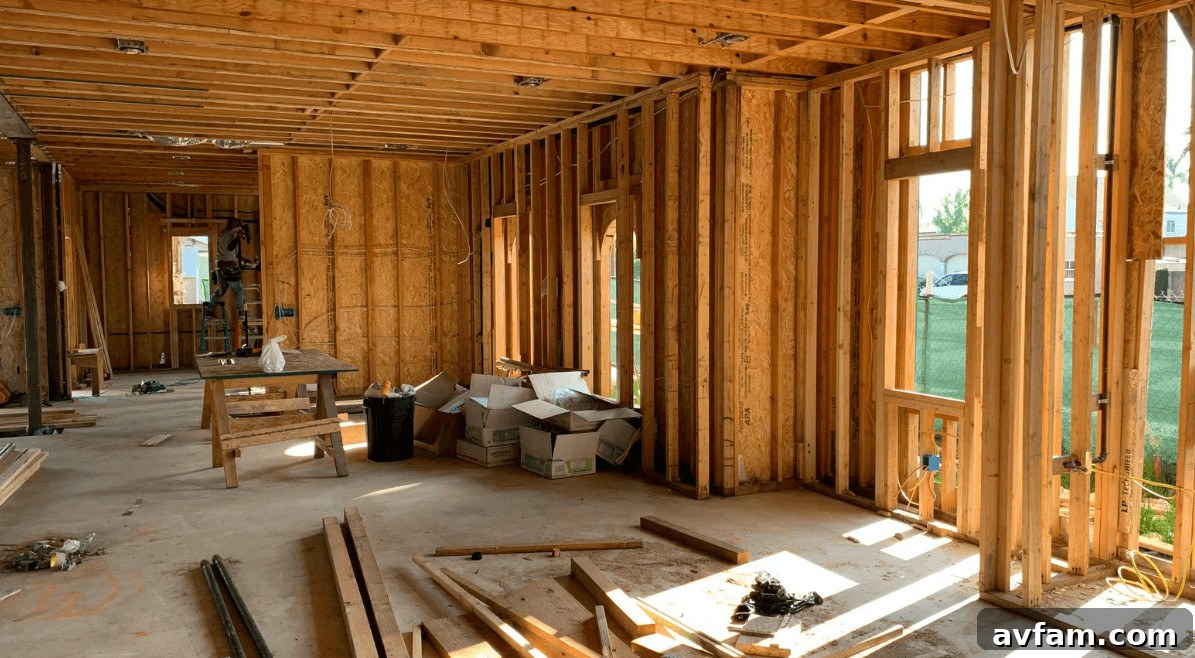
A major home improvement project can transform how you use and enjoy your home. Whether the kitchen no longer fits your family’s needs, you require an additional bedroom, or various parts of an older house need updating, it’s easy to get excited about the finished space before addressing the many practical steps that come first.
Renovations involve numerous moving parts: costs fluctuate, materials can be delayed, and people who initially agreed a remodel was needed may discover they have different priorities once choices about cabinets, countertops, and finishes are on the table.
Before contractors arrive or demolition begins, discuss the decisions that could create challenges later. Clarify what you’re willing to spend, which elements matter most in the final space, who will make specific choices, and how much disruption your household can tolerate. Resolving these issues early reduces back-and-forth once work is underway and helps keep the project on track.

Defining Your Vision and Core Priorities
Every successful renovation starts with a clear purpose. Before selecting finishes or fixtures, outline why you’re undertaking the project and what a successful outcome looks like for everyone involved. It’s easy to get lost in paint swatches and backsplashes and miss the bigger goals.
Begin by listing primary motivations: expand living space for a growing family, modernize outdated systems, improve functionality, or create a more energy-efficient layout. Expect household members to have different priorities — one person may emphasize aesthetics and luxury finishes while another prioritizes durability, utility, and a practical layout.
Discussing preferences early prevents conflict down the road. Create a shared list of non-negotiable requirements and a secondary list of desirable features. This creates a decision-making framework when trade-offs are necessary due to space or budget constraints.
Setting a Realistic Budget and Financial Strategy
Money is one of the most common sources of friction in home renovation. To avoid unpleasant surprises, have an honest, detailed conversation about finances before hiring professionals or purchasing materials.
Establish a firm total budget that covers contractor labor, permits, primary materials, and design fees, plus less obvious costs such as temporary housing, meals during disruptions, and disposal fees. Include a contingency fund—commonly 15–20% of the estimate—to handle unexpected structural work, price shifts, or other surprises.
Decide how the project will be funded: savings, home equity, or a combination. If costs are shared with a partner or co-owner, agree on how expenses will be tracked and managed. Consider whether a shared bank account or another transparent bookkeeping method will help both parties contribute, pay invoices, and monitor remaining funds. The key is a clear, shared process so everyone can see what’s been spent, what remains, and who is responsible for upcoming payments.
Establishing Timelines and Daily Life Impact
Major renovations disrupt daily life. Construction noise, dust, and the challenge of accessing essential rooms can test patience and routines. Discuss timelines and how construction will affect your household to reduce stress during the build.
Contractors provide estimated schedules, but delays from weather, material shortages, or permit approvals are common. Identify any hard deadlines—family events, lease expirations, or seasonal constraints—and plan accordingly. Be realistic about how flexible you can be if the completion date slips.
Address practical logistics in advance: where daily activities will occur if kitchens or bathrooms are inaccessible; how power, water, or internet interruptions will be handled; and what safety measures will protect children and pets from active work zones. Early planning lets you set up temporary solutions, such as a makeshift food prep area or short-term accommodations, before stress levels rise.
Selecting the Right Professional Team
Choosing the right team to execute your vision is vital. Clarify what you expect from designers, general contractors, and trade specialists so you can evaluate candidates effectively.
Decide on preferred communication styles—daily texts, weekly check-ins, or an online client portal—and select a contractor whose approach matches your needs. Ask prospective professionals about licensing, insurance, and recent project portfolios. Request references to learn about schedule adherence, job site cleanliness, and problem-solving ability. A strong contractor not only builds well but listens, communicates clearly, and respects your home.
Delegating Roles and Decision-Making Power
Renovations generate many small decisions, from tile grout color to outlet placement. Trying to make every choice jointly can cause decision fatigue and delays. Delegate responsibilities based on strengths and interests: one person can manage scheduling and budget tracking while another focuses on design selections.
Agree beforehand on what constitutes a minor decision versus a major change that requires mutual consent. Clear roles speed approvals for contractors and ensure everyone remains involved without feeling overwhelmed.
Preparing for the Unexpected
Even careful planning can reveal surprises once walls are opened. Materials can arrive late, budgets may need adjustments, and seemingly simple choices can stall progress. That’s why initial conversations matter: team members should understand the budget, core priorities, and who has final authority for quick decisions.
Stressful days will likely occur, but when major questions are settled in advance, you spend less time arguing about plans and more time addressing actual issues. That makes the renovation easier to manage and increases the likelihood that the finished home matches what everyone envisioned.