

Updating wall surfaces can instantly transform any room as part of home improvements. Choosing the right materials refreshes the atmosphere, enhances decor, and protects underlying structures from wear and moisture.
Every room requires careful consideration of durability, texture, and light reflection. Matching wall coatings to a room’s function helps prevent premature wear and reduces the need for costly repairs down the line.
Understanding Basic Paint Finishes
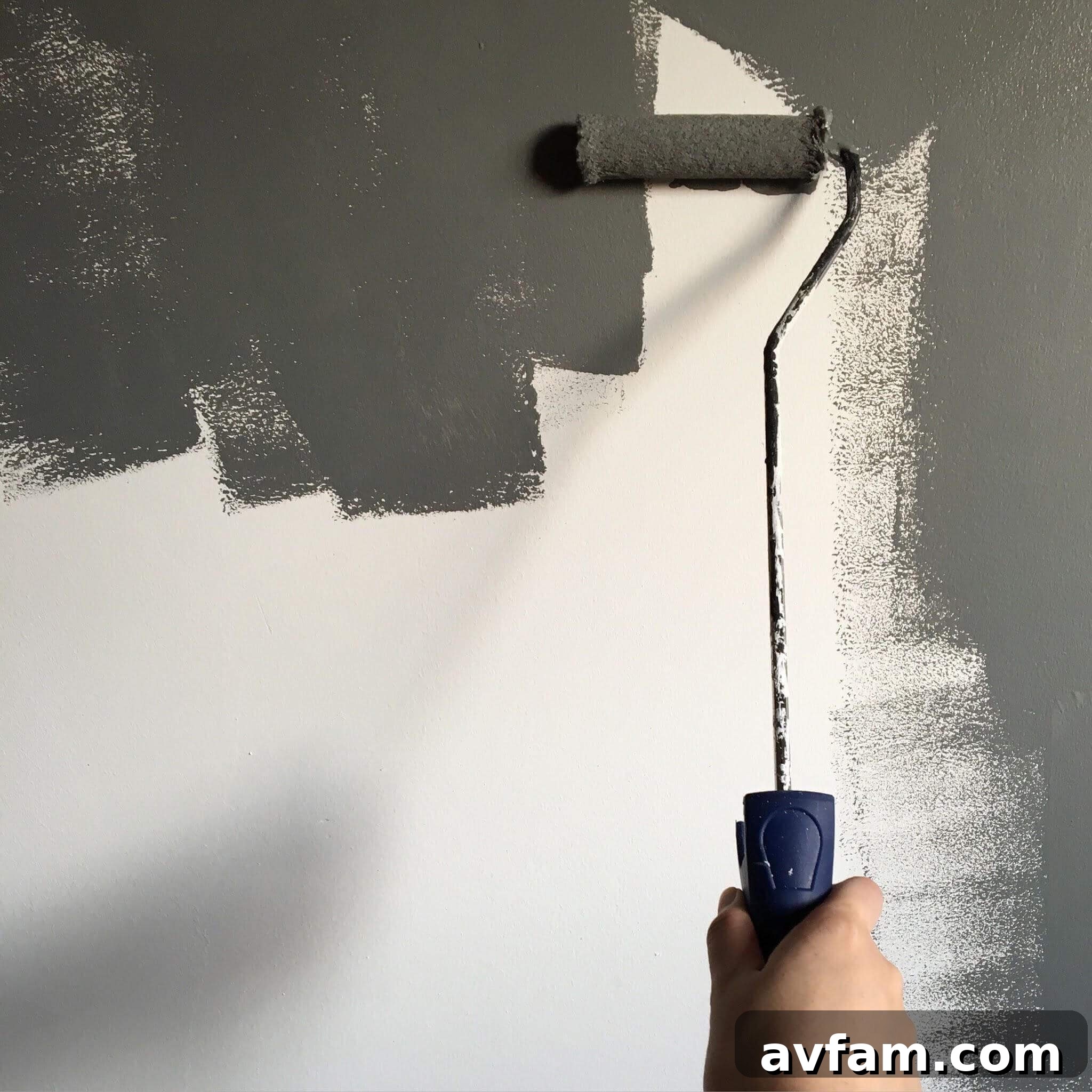
Paint sheens range from flat and matte to high gloss, and each has practical benefits. Matte finishes hide minor surface imperfections and give walls a soft, contemporary look. High gloss reflects more light, resists scuffs, and stands up well to heavy use—making it a good choice for trim and high-traffic areas.
Mid-sheen options such as eggshell or satin strike a balance between appearance and durability, making them popular for living rooms, hallways, and family spaces. Many homeowners seek low-VOC or organic paint products to improve indoor air quality during renovations; selecting well-formulated paints and applying them properly results in a smooth, even finish across rooms.
For active households, washable sheens simplify maintenance. Satin finishes, for example, clean more easily without losing color depth, while glossier options provide superior resistance to moisture and soap residue in kitchens and bathrooms.
Evaluating Textured Plaster Options
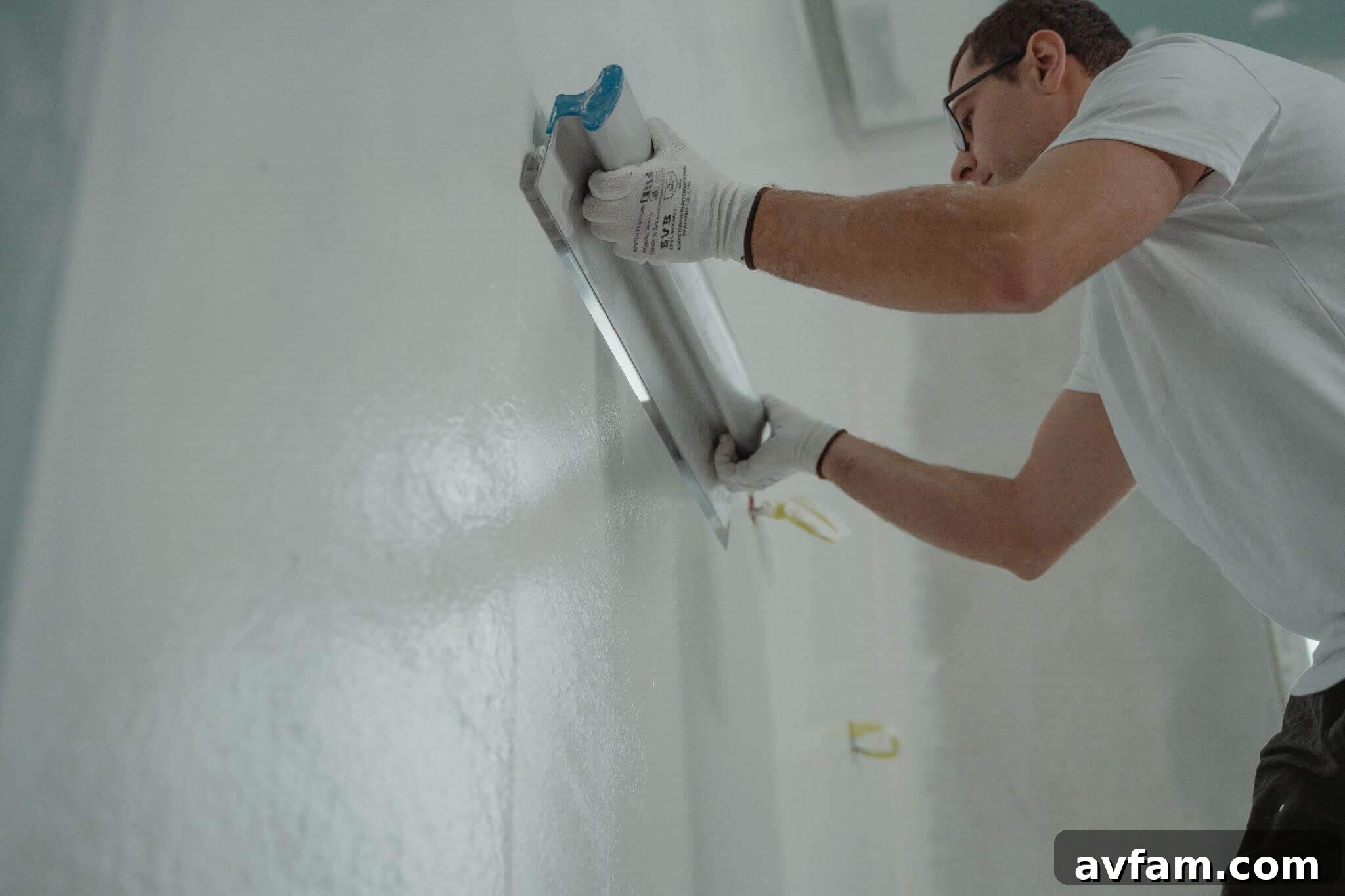
Textured plaster can add dimension and character to otherwise flat walls. Heavy plaster applications are useful for concealing cracks and uneven drywall, while smooth plaster offers a refined, modern aesthetic with durable performance.
Trowel techniques allow craftsmen to create custom patterns and subtle relief on feature walls, catching and diffusing natural light in attractive ways. Lighter textures often work best on large, open walls where light distributes evenly, while bolder textures add interest to accent walls.
Because thick plaster adds weight, it requires solid backing and careful preparation. Proper substrate repair, priming, and skilled application help prevent cracking as the plaster cures across broad wall areas.
Exploring Natural Limewash Coatings
Limewash produces a soft, earthy look with a delicate, chalky surface that develops subtle variations over time. This breathable finish allows moisture to evaporate, which can be an advantage on older masonry or in situations where vapor permeability is desirable.
When applied in multiple thin coats, limewash builds gentle depth and soft imperfections that create a distinctive, lived-in patina. Application with specialized brushes and consistent strokes promotes even coverage and harmonious color distribution across dining rooms, bedrooms, or feature walls.
Matching Wall Colors with Lighting Conditions
Light profoundly affects how paint colors appear. North-facing rooms tend to display cooler undertones, while south-facing rooms often enhance warm neutrals in bright afternoon light. Artificial lighting also shifts color perception, so it’s important to evaluate samples at different times of day and under your room’s actual lamps.
Testing sample boards on several walls and observing them through daylight and evening lighting prevents unexpected surprises once a full coat is applied. Moving samples around helps you understand how shadows, reflections, and furniture placement will influence the final look.
Selecting Sheens for High-Traffic Spaces
Busy hallways, entryways, and family areas demand finishes that resist daily bumps and scuffs. Satin and semi-gloss sheens are easier to wipe clean and withstand routine maintenance without losing vibrancy. In kitchens and bathrooms, moisture-resistant formulas paired with glossier sheens reduce staining and simplify cleaning.
Consider the following when choosing finishes for active areas:
- Required moisture resistance for damp or humid rooms
- Ease of cleaning fingerprints, scuffs, and stains
- How surface reflection interacts with strong natural light
Selecting durable sheens for high-traffic zones can reduce the frequency of touch-ups and keep shared spaces looking fresh longer.
Choosing Earthy Tones and Warm Neutrals
Earthy colors—warm browns, muted taupes, terracotta, and soft beiges—are replacing stark whites in many contemporary interiors. These tones bring warmth and a grounded feeling to living rooms and open-plan areas, while remaining versatile enough to complement a wide range of furniture and decor.
Greens in muted, sage-like shades are particularly adaptable, offering a calming connection to nature that pairs well with timber trim and stone accents. Using an earthy palette across adjoining rooms helps create a cohesive flow through a home while allowing artwork and textiles to stand out against subtle, neutral backgrounds.
Preparing Interior Walls for New Coatings
Thorough preparation is essential for long-lasting results. Sanding rough spots, removing loose paint, and cleaning surfaces ensures new coatings adhere properly. Address deeper issues by patching holes with joint compound and sanding smooth once dry.
Recommended preparation steps include:
- Patching deep drywall holes and cracks with appropriate compounds
- Sanding patched areas and feathering edges for a seamless surface
- Applying a quality primer over repaired spots and stains
Priming seals repaired areas, blocks stains from bleeding through, and creates an even base for topcoats—delivering a professional-looking finish after painting.
Maintaining Wall Surfaces Through the Years
Regular, gentle cleaning helps preserve paint color and finish without the need for frequent repainting. Use soft microfiber cloths to remove dust and spot-clean marks before they penetrate the paint film. Mild dish soap diluted in warm water is usually sufficient for most scuffs; avoid abrasive pads on low-sheen surfaces to prevent unwanted glossy spots.
Keeping small amounts of touch-up paint on hand makes quick repairs easy—tiny brushes address nicks and edge wear without repainting entire walls. Consistent care and timely attention to minor damages will keep renovated walls looking fresh and well-maintained for many years.
Successful renovations balance practical performance with aesthetic goals. Thoughtful preparation, appropriate material choices, and testing colors under real lighting conditions ensure finishes that are attractive, durable, and well suited to how each room is used.