
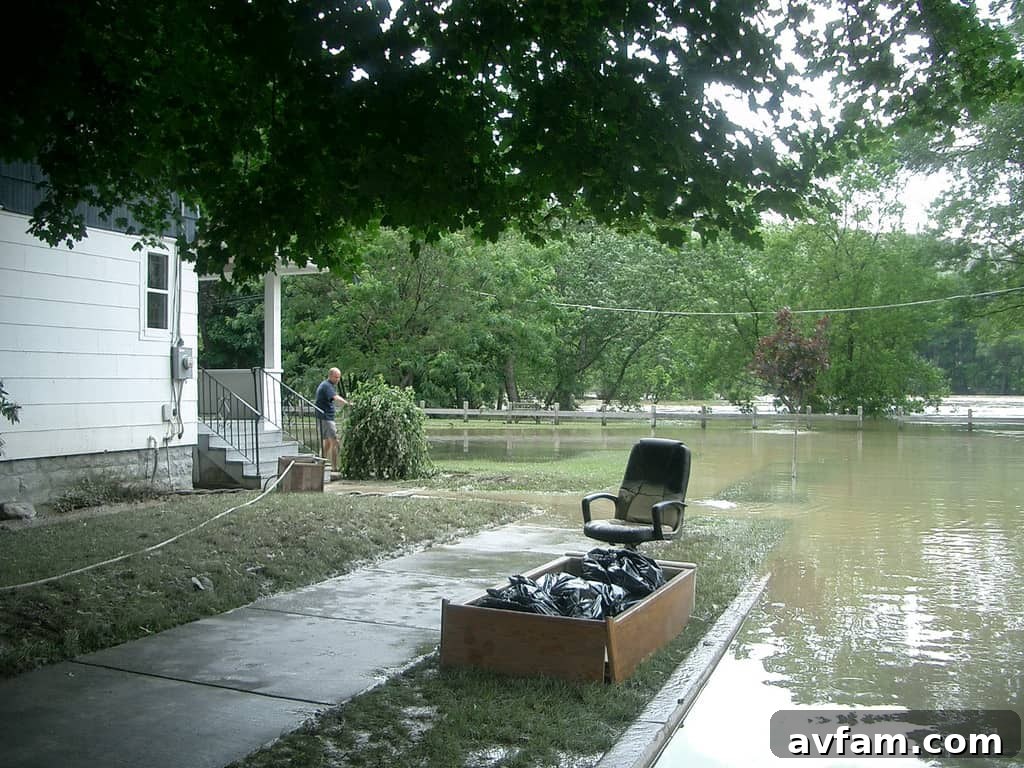
Navigating Water Damage: Essential Steps for Home Safety and Effective Remediation
Water damage, whether from a burst pipe, an overflowing appliance, or a severe weather event, can be one of the most devastating experiences for a homeowner. Beyond the immediate visible destruction, it poses significant risks to your property’s structural integrity and, more critically, to your personal safety. This comprehensive three-part series is designed to empower you with the knowledge and actionable steps necessary to safely identify, assess, and initiate the remediation of water damage in your home. While professional water damage restoration experts are invaluable for large-scale or complex situations, understanding the initial crucial steps can significantly reduce damage, mitigate risks, and potentially save you considerable time and money.
There are many reasons why you might choose to take immediate action yourself. Perhaps the damage appears minor at first glance, making you hesitant to incur an emergency response charge from a professional service right away. Maybe you’re the proactive type who prefers to address problems head-on rather than waiting anxiously while your property sustains further harm. Or perhaps the situation demands immediate attention before professionals can arrive. Regardless of your motivation, being prepared to respond effectively and quickly to water damage will dramatically increase your chances of minimizing its impact, protecting your home, and ensuring the safety of everyone inside. This guide will walk you through the critical initial stages, starting with the absolute priority: ensuring the affected area is safe.
Step 1: Check for Danger — Prioritizing Your Safety Above All Else
Before you even think about mopping up water or moving damaged items, your absolute first priority must be safety. Rushing into a water-damaged area without proper assessment can quickly turn a challenging situation into a life-threatening one. The primary concern in any water damage scenario is the risk of electrical hazards, but it’s far from the only danger. Approaching a flood-affected zone requires a systematic and cautious mindset to identify and neutralize potential threats.
Understanding and Mitigating Electrical Hazards
Water and electricity are a deadly combination. When water infiltrates electrical systems, it can create short circuits, expose live wires, and electrify standing water, turning your home into a dangerously conductive environment. As you approach the water-damaged area, meticulously check for light fixtures, ceiling fans, wall outlets, and any appliances that may have been submerged, impacted, or dislodged before, during, or after the flood event. Even seemingly minor dampness around electrical components can pose a serious risk.
Consider a scenario where a second-floor bathroom floods, leading to the collapse of a section of the first-floor ceiling. If this ceiling housed a light fixture or a ceiling fan, the sheer weight of saturated drywall, insulation, and water could easily tear the fixture right out of its housing. This leaves live electrical wires exposed and dangling, potentially submerged in water or creating an immediate shock hazard. You might notice flickering lights, strange buzzing sounds, or even a burning odor, all of which are critical indicators of an electrical problem.
Immediate Action: Safely Cutting Power
If there is any doubt whatsoever about the electrical safety of an area, or if you observe exposed wires, sparks, smoke, or standing water near electrical sources, your immediate and non-negotiable step is to cut off power to the affected section of the building, or even the entire property. Here’s how to do it safely:
- Locate Your Main Electrical Panel: This is typically a grey metal box found in a basement, garage, utility closet, or outside wall.
- Identify the Main Breaker: This is usually a large switch at the top or bottom of the panel, often labeled “Main” or indicating the highest amperage (e.g., 100A, 200A).
- Turn Off Power: If the flood is contained to a specific room or area, you might be able to identify and switch off only the relevant circuit breakers for that zone. However, if water is widespread, standing deep, or if you’re unsure which circuits are affected, it is safest to flip the main breaker to the “OFF” position, cutting all power to the house.
- Use Caution: Ensure your hands are dry, and if possible, stand on a dry, non-conductive surface (like a wooden stool) when operating the breaker. Never touch the electrical panel if you are standing in water.
- Verify Power is Off: Once the power is cut, use a non-contact voltage tester (if you have one) or try to switch on a light or appliance in the affected area to confirm that power has been disconnected.
When to Call an Electrician Immediately:
While cutting power is a crucial DIY step, there are situations where you should not attempt any electrical intervention yourself and must call a licensed electrician and your power company immediately. These include:
- If the main electrical panel itself is submerged in water or appears damaged.
- If you see sparks or flames coming from the panel.
- If you smell burning wires or insulation, even after cutting power.
- If you cannot safely reach the main breaker without entering standing water.
- If any large appliances (like furnaces, water heaters, central air units) are submerged or severely damaged.
Identifying Other Immediate Dangers
Beyond electrical hazards, several other dangers can lurk in a water-damaged environment:
- Structural Instability: Water is incredibly heavy, and prolonged exposure can severely weaken building materials. Look for sagging ceilings, bulging walls, buckling floors, or displaced structural elements. A water-logged ceiling, like the one in our example, can collapse without warning. Avoid walking on or beneath areas that show signs of structural compromise.
- Contaminants and Health Risks: Not all water is clean. Category 2 (grey water) from appliance overflows or Category 3 (black water) from sewage backups or outdoor flooding can contain bacteria, viruses, chemicals, and other hazardous microorganisms. Direct contact with contaminated water can lead to illness. Even clean water, if stagnant for more than 24-48 hours, can quickly become a breeding ground for mold and bacteria, posing respiratory risks.
- Slipping and Falling Hazards: Wet floors are incredibly slippery. Exercise extreme caution when moving through affected areas. Debris hidden beneath standing water can also create tripping hazards.
- Sharp Objects: Broken glass, shattered drywall, exposed nails, and other sharp debris can be hidden by water, posing a risk of cuts and punctures.
- Gas Leaks: If gas lines or gas-powered appliances (like water heaters or furnaces) have been damaged or dislodged, there’s a risk of a gas leak. If you smell gas (a rotten egg odor) or hear a hissing sound, evacuate immediately and call your gas provider from a safe distance. Do not operate light switches or anything that could create a spark.
Personal Safety Precautions and Equipment
Before entering any water-damaged area, even after cutting power, it’s crucial to don appropriate personal protective equipment (PPE):
- Waterproof Boots: Sturdy rubber boots (like Wellingtons) are essential to protect your feet from contaminated water, sharp objects, and electrical currents if power hasn’t been completely cut (though it should be the first step).
- Heavy-Duty Gloves: Protect your hands from sharp debris, chemicals, and contaminants.
- Protective Eyewear: Goggles can shield your eyes from splashing water, dust, and airborne particles, especially if structural elements are compromised.
- Respirator or N95 Mask: If there’s any suspicion of mold, sewage, or excessive dust, a respirator can protect your lungs.
- Headlamp or Flashlight: Even if power is restored, a hands-free light source is invaluable for seeing into dark corners and under debris, especially if the main power is off.
Remember, your life and safety are paramount. Never put yourself or others at undue risk. If you encounter any situation that feels unsafe or beyond your capabilities, do not hesitate to contact emergency services or professional water damage restoration specialists. A swift and safe response starts with a thorough danger assessment.
In Part II of this essential series, we will delve into categorizing the type of water damage and, crucially, how to identify and stop the source of the water causing the damage. Understanding the source is key to preventing further harm and planning effective remediation.
Navigating Water Damage: A Comprehensive Series
1. Check for Danger: Ensuring Your Safety First
2. Identify the Source: Stopping the Flow and Assessing Contamination
3. Prevention & Drying: Mitigating Long-Term Damage and Mold Growth