
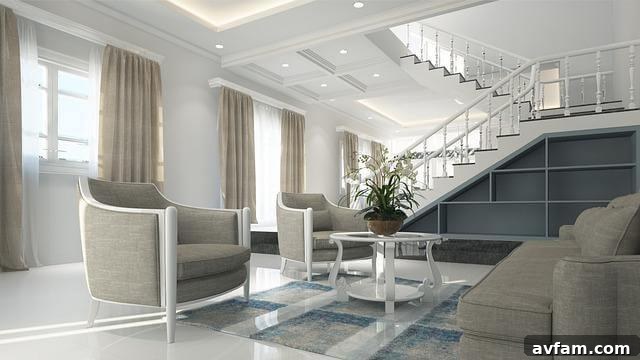
For decades, high-end homes prioritized display: flashy metallic finishes, oversized crystal chandeliers, and furniture plastered with recognizable designer logos or loud patterns. The point was clear—make the space announce its value the moment someone entered.
That approach has shifted. Today, interior design is moving toward “stealth wealth,” often called quiet luxury.
Quiet luxury rejects ostentation. It celebrates the idea that the ultimate statement is comfort, quality, and calm rather than visible brand signals. Instead of designing a room to impress passersby, you design it to feel right on an ordinary weeknight. Shopping changes accordingly: when looking for luxury modern furniture, you search for pieces that whisper quality rather than shout for attention.
Creating this atmosphere doesn’t require unlimited funds, but it does demand a disciplined approach to materials, color, and spatial planning.
Rejecting the “Fast Furniture” Cycle
The first step toward quiet luxury is changing how you relate to trends. Fast furniture—cheap, trendy items that look great in staged photos but arrive in flat-packed boxes—tempts many of us.
Fast furniture often lacks substance. It may mimic the look of solid wood but feels hollow; drawers wobble on lightweight hardware. Quiet luxury, by contrast, is grounded in physical reality. You can’t fake quality once you touch and use a piece.
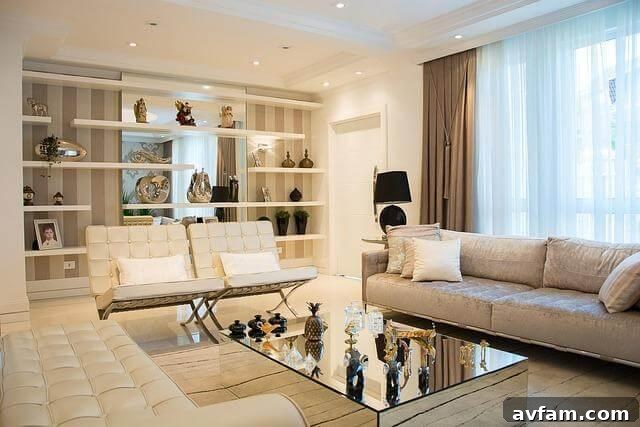
Rather than replacing a peeling veneer coffee table every few years, adopt a mindset of buying fewer, better pieces. Look for furniture made with integrity: solid woods with tactile grain, durable joinery instead of basic screws, and genuine metals that develop a pleasing patina. Aim to own objects that look better with years of use than they did the day you bought them.
The Power of a Warm, Disciplined Palette
Quiet luxury does not mean a sterile, all-white home. It relies on a controlled, nature-inspired color palette.
Highly saturated tones like neon pink or electric blue demand attention and make a room feel loud. Quiet luxury favors calming, earthy hues—deep olive, terracotta, warm taupe, oatmeal, and mushroom. These colors soothe the eye and allow texture to become the room’s storytelling device.
When bold colors and busy prints are removed, the textures carry the visual weight. With a restrained palette, layering different tactile finishes creates depth and interest.
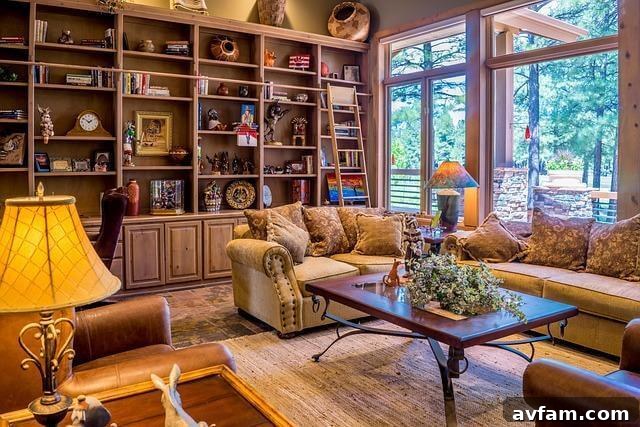
A sophisticated room can be built from creams and browns if you mix textures thoughtfully:
- Soft against Hard: Drape a chunky wool throw over a sleek leather chair.
- Matte against Shine: Place a raw, unglazed ceramic vase on a polished marble side table.
- Woven against Smooth: Pair heavy linen curtains with a plush velvet sofa.
Contrasting textures create a layered, refined look without ever feeling visually aggressive.
Strategic Spending: The Anchor Pieces
You don’t need to replace every item to achieve a luxurious feel. The key is to mix well-chosen investments with sensible basics and to spend where it matters most: the anchor pieces you use daily.
Main Seating Your sofa is the room’s anchor. Don’t compromise here: a poorly made sofa sags quickly and ages your entire space. Choose a kiln-dried hardwood frame, high-resilience foam cushions, and a durable, tactile fabric.
Dining Table The dining table anchors family life. A substantial table—whether a thick walnut slab or a heavy sintered stone top—grounds the room and elevates everyday meals.
Lighting Fixtures Lighting is the jewelry of a room. A carefully crafted pendant or lamp—made from brass, blown glass, or hand-fired ceramic—can elevate otherwise simple furnishings. Conversely, cheap plastic fixtures can undermine the look of quality pieces.
Elevating the Hidden Details
True luxury lives in the small, often private details that improve daily life. It’s not only about what visitors see but how your home feels to you.
Consider tactile upgrades: replacing hollow, builder-grade doorknobs with solid metal hardware changes how your house feels every time you open a door. Soft-close hinges on cabinets remove jarring noises. Uniform, heavy wooden hangers make getting dressed feel more organized and calmer. These subtle improvements don’t call attention to themselves, but they quietly raise the everyday experience.
The Art of Breathing Room
Quiet luxury also requires restraint. Even the most beautiful furniture will feel wrong if a room is cluttered. Resist the urge to fill every corner or wall. Negative space—the open areas around furniture—is as important as the pieces themselves.
Leaving a console table mostly empty save for a single well-made ceramic bowl demonstrates confidence in design and allows the craftsmanship of each object to be appreciated. A blank wall can lend a sense of airy volume and calm to a room.
Ultimately, quiet luxury is about editing: choosing a few exceptional items over many mediocre ones. Prioritize material integrity, warm textures, and generous spacing. The result is a personal sanctuary that doesn’t need to shout to show its worth—just a space that feels effortlessly comfortable and enduringly refined.