
Decoding the Mystery: Why Your House Makes Creaking Sounds and How to Find Peace
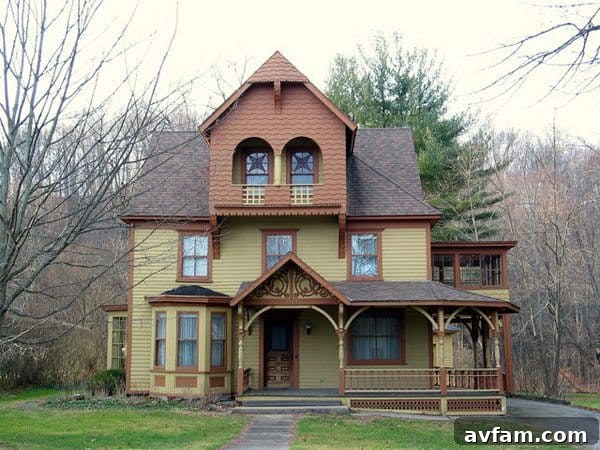
Every home has its own unique soundtrack. For many homeowners, this symphony often includes a chorus of mysterious creaks, groans, and pops that can be unsettling, especially in the dead of night. You might not live in an ancient Victorian mansion, but the array of sounds emanating from your residence can sometimes make you feel like you do. These creaking house sounds are a common source of curiosity and mild concern for countless individuals. If you’ve ever found yourself wondering what those persistent noises truly are, rest assured, you are far from alone in this vexing mystery.
Often, we dismiss these peculiar house noises with a simple, reassuring phrase: “the house is settling.” While there’s a kernel of truth to this common explanation, what does “house settling” truly entail, and does it mean you’re destined for a perpetually noisy home? Let’s delve deeper into the reasons behind these common household acoustics and explore practical solutions to quiet your living space.
The Science of “House Settling”: Wood, Humidity, and Tension Release
The primary culprit behind many of those classic creaking sounds is the very material that forms the backbone of most homes: wood. As an organic and hygroscopic material, wood has a natural affinity for moisture. This means it readily absorbs and releases water vapor from the surrounding air, leading to a phenomenon known as expansion and contraction. Based on changes in humidity levels and temperature, the wood framing, floor joists, wall studs, and roof trusses in your home will subtly change their size.
Imagine the intricate network of wooden components in your house, meticulously fitted together during construction. When wood expands due to higher humidity or warmer temperatures, these components press against each other, building up internal tension. Conversely, when the air dries out or temperatures drop, the wood contracts, and this tension is released. The creaks and groans you hear are essentially the sounds of these wooden elements rubbing against each other, shifting slightly, and releasing the accumulated stress. This isn’t limited to older properties; even newly built homes can experience these sounds as their materials adjust to the environment. In some cases, the natural settling process of a house can continue for years, never truly ceasing entirely.
Combating Wood-Related Noises: Humidity Control and Structural Stability
Understanding the root cause allows us to explore effective strategies for mitigating these pervasive house sounds. One of the most effective ways to combat the constant expansion and contraction of wood is to maintain a stable indoor environment. This involves controlling both temperature and, more crucially, humidity levels within your home.
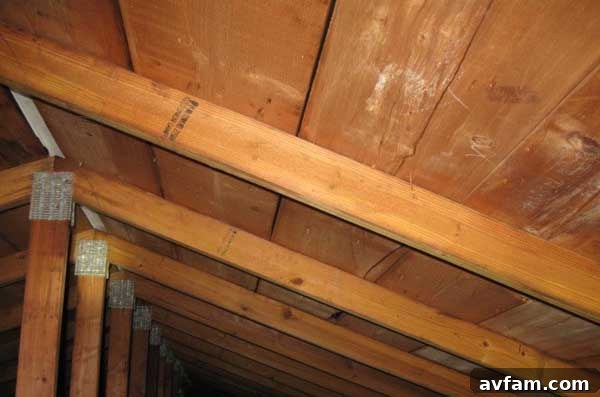
Crucial to this stability, especially when it comes to ceiling and roof creaks, is proper attic insulation and ventilation. A well-insulated attic acts as a buffer against extreme outdoor temperatures, preventing drastic thermal changes from affecting the wood in your roof structure and ceiling joists. Equally important is proper ventilation, which allows warm, moist air to escape during summer, preventing it from saturating the wood, while keeping out water and excessively cold air in winter. This balanced approach helps maintain a more constant air temperature and humidity level within the attic space, significantly reducing the frequency and intensity of creaking noises originating from above.
Furthermore, consider using humidifiers in dry winter months and dehumidifiers in humid summer months to keep indoor humidity levels consistent, ideally between 30% and 50%. This helps stabilize the moisture content within the wood throughout your home, leading to fewer expansion and contraction cycles and, consequently, a quieter living environment.
Beyond Wood: Unmasking Other Common Household Noises
While wood movement is a major contributor to creaking house sounds, it’s certainly not the only source of those unsettling noises. Your home is a complex ecosystem of materials and systems, all capable of producing their own unique sounds. Identifying the specific type of noise and its location is key to addressing it effectively.
The Pitter-Patter of Unwanted Guests: Rodents and Pests
Perhaps one of the most unnerving house sounds is the scratching, scurrying, or gnawing coming from behind walls, under floors, or on the roof. These are often tell-tale signs of uninvited guests: rodents like mice, rats, or even squirrels. These creatures are not only noisy but can also cause significant damage to wiring, insulation, and structural elements. If you suspect such sounds, a thorough inspection is critical. Look for droppings, chew marks on wood or wiring, disturbed insulation, or small entry points. Catching a pest problem early can save you a lot of headache and expense. If the issue appears widespread or persistent, it’s always best to call professional exterminators to ensure complete eradication and prevent future infestations.
Plumbing Puzzles: The Sounds of Water at Work
Your home’s plumbing system can also be a source of various noises. A common complaint is “water hammer,” a loud banging sound that occurs when water flow is suddenly stopped, causing pressure waves to reverberate through pipes. This can often be fixed by installing water hammer arrestors. Other plumbing sounds include dripping from leaky faucets (which should be fixed to prevent water waste and potential damage), whistling or humming from old pipes, or even the subtle expansion and contraction of copper pipes when hot water flows through them, leading to soft ticks and pops.
HVAC Hums and Groans: Noises from Your Heating and Cooling Systems
The heating, ventilation, and air conditioning (HVAC) system is another significant contributor to household acoustics. Ductwork, especially metal ducts, can expand and contract with temperature changes, producing creaking or popping sounds similar to wood. A noisy furnace or air conditioner might indicate a problem with the fan motor, a dirty filter, or loose components. Regular maintenance, including cleaning filters and having a professional check the system, can often resolve these issues and lead to a quieter home.
Electrical Whispers: Buzzes, Hums, and Pops
While less common, certain electrical issues can also manifest as sounds. A faint buzzing from an outlet or light switch, a humming from a circuit breaker, or even occasional popping sounds could indicate loose wiring, overloaded circuits, or faulty components. Unlike other noises, electrical sounds should always be taken seriously as they can pose a fire hazard. If you hear persistent or unusual electrical noises, it’s imperative to contact a qualified electrician immediately.
Wind’s Whistle and Structural Groans: External Influences
Sometimes, the sounds you hear are external forces making their way in. Wind whistling through gaps around windows or doors, rattling loose siding, or even causing a poorly sealed attic hatch to lift and fall can create distracting noises. Sealing these gaps with weatherstripping, caulk, or insulation can often solve these problems. More seriously, loud, persistent groaning or cracking sounds, especially those accompanied by visible cracks in walls or foundation, could indicate structural issues. While normal settling is common, significant structural movement requires assessment by a professional structural engineer to ensure your home’s integrity.
When to Worry: Differentiating Normal Sounds from Problematic Ones
It’s important for homeowners to learn how to differentiate between the normal, benign sounds of a living house and those that signal a potential problem. Most creaks and groans related to wood expansion and contraction are harmless, simply a part of your home’s natural response to its environment. These tend to be intermittent and often coincide with significant temperature or humidity shifts.
However, sounds that are persistent, increasingly loud, accompanied by other symptoms (like leaks, visible damage, or strange odors), or electrical in nature, warrant closer investigation. A sudden, loud bang followed by a crack in the wall, continuous scratching behind a wall, or a buzzing from an electrical fixture should not be ignored. Trust your instincts; if a sound feels “wrong” or concerning, it’s always better to err on the side of caution and investigate or seek professional advice.
Embracing a Quieter Home: DIY Solutions and Professional Assistance
Armed with a better understanding of what causes those vexing house noises, you can take proactive steps towards a quieter home. Many solutions are well within the grasp of the average homeowner:
- Monitor and Control Humidity: Invest in a hygrometer to track indoor humidity levels and use humidifiers/dehumidifiers as needed.
- Optimize Attic Environment: Ensure your attic has adequate insulation and proper ventilation to minimize temperature and moisture fluctuations.
- Seal Gaps: Use caulk and weatherstripping around windows, doors, and utility penetrations to block wind and reduce drafts.
- Address Plumbing Issues: Fix dripping faucets, consider water hammer arrestors, and insulate noisy pipes.
- Maintain HVAC Systems: Regularly change air filters and schedule annual professional maintenance.
- Inspect for Pests: Conduct routine checks for signs of rodents or insects, and act quickly if you find any evidence.
- Tighten Loose Elements: Sometimes, a loose floorboard, a rattling window pane, or a squeaky stair can be fixed with a few screws or shims.
For more complex or persistent issues, don’t hesitate to consult professionals. Plumbers, HVAC technicians, electricians, pest control experts, or even structural engineers can provide specialized assessments and solutions. While some house sounds are an inevitable part of homeownership, many can be significantly reduced or eliminated with the right approach.
Conclusion: Finding Harmony in Your Home’s Symphony
The sounds your house makes are more than just background noise; they are often indicators of its health and its interaction with the environment. By understanding the common culprits behind creaking, groaning, and other mysterious sounds – from the natural expansion and contraction of wood due to humidity and temperature changes, to the presence of pests or issues within your home’s various systems – you can take informed action.
Embracing preventive measures like humidity control, proper ventilation, and regular maintenance can transform a cacophony into a calm living space. So, the next time you hear an unexpected pop or creak, you’ll be better equipped to identify its source and decide whether it’s simply your home’s everyday chatter or a signal that requires your attention. Here’s to enjoying a more peaceful and quiet home!