
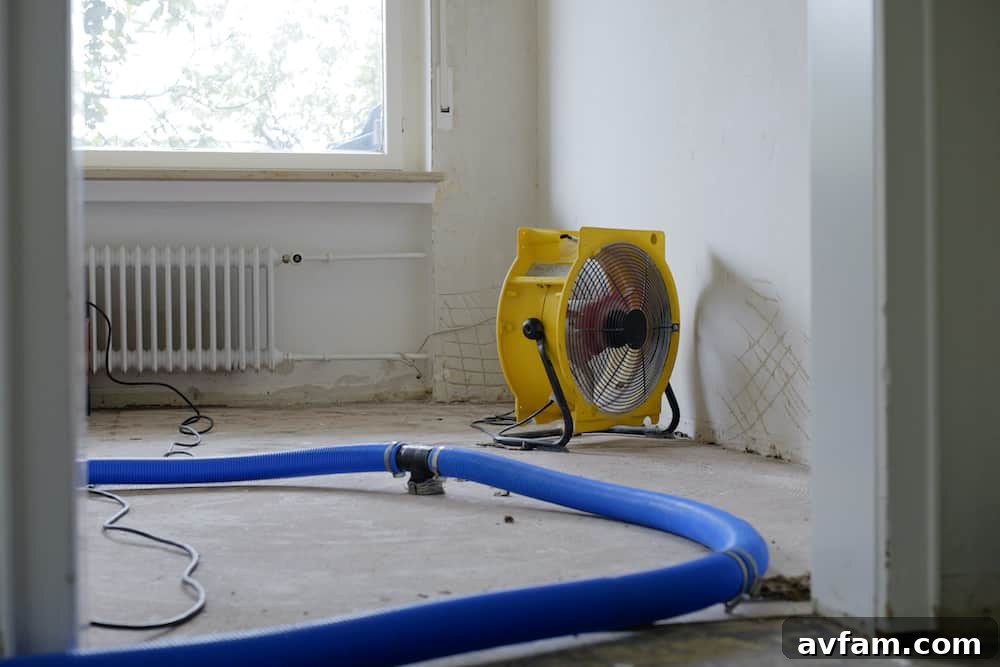
Experiencing water damage can be a homeowner’s worst nightmare, leading to stress, significant disruption, and potential financial strain. The immediate aftermath requires swift and decisive action. The crucial first step in any water damage scenario is meticulously assessing the source of the water and consequently, its category. This initial evaluation is paramount because the water category directly dictates what materials and furnishings can realistically be salvaged and what must be discarded for safety and health reasons. Understanding these categories is not just about cost-saving; it’s fundamentally about protecting the health and well-being of your family and the structural integrity of your property.
Water damage is typically classified into three main categories, each with escalating levels of contamination and potential health risks:
- Category I: Clean Water. This originates from a sanitary source and poses no immediate health threat. Examples include burst pipes, overflowing sinks, or appliance malfunctions involving potable water.
- Category II: Grey Water. This water contains a significant level of chemical, biological, or physical contaminants and can cause illness if ingested or exposed to. Sources often include overflowing washing machines, dishwashers, or toilet bowls (without fecal matter). If left untreated, Category II water can quickly degrade to Category III.
- Category III: Black Water. This is grossly unsanitary water containing harmful bacteria, fungi, viruses, and other toxic agents. It poses a severe health risk.
Understanding the Dangers of Category III Water Damage
Category III water, often referred to as “black water,” represents the most severe form of water contamination. It’s characterized by its potential to contain raw sewage, toxic chemicals, and a host of pathogenic microorganisms. This classification is critical because any material exposed to Category III water is considered highly contaminated and potentially hazardous. Even if water from a toilet bowl appears clean, if it originates from an overflow, it must be treated as Category III due to the inherent risk of contamination from the sewer system. The seemingly innocent appearance of water should never override the assessment of its source.
Consider the analogy: you wouldn’t use water from a toilet, no matter how clean it might appear, for cooking or drinking. This simple thought experiment underscores the profound health risks associated with Category III water. Exposure to such contaminated water can lead to serious gastrointestinal illnesses, skin infections, respiratory problems, and other severe health issues for occupants. Therefore, immediate and stringent safety protocols are absolutely non-negotiable when dealing with black water intrusions.
What Can Be Salvaged After Category III Water Damage?
When Category III water damage strikes, the approach to salvageable items is drastically different and far more conservative. The primary directive is to prioritize health and safety over property restoration. Consequently, most porous materials that have come into contact with black water must be removed and discarded without hesitation. This includes a wide array of common household items and building components such as drywall, carpet, carpet padding, insulation, baseboards, certain types of wood flooring, rugs, and most furnishings. These materials absorb contaminants deep within their structure, making complete sanitation virtually impossible and posing an ongoing health hazard.
All removal work must be performed with full personal protective equipment (PPE). While a detailed guide to PPE might be covered elsewhere, it’s crucial to understand that this typically involves respirators (N95 or higher), chemical-resistant gloves, protective eyewear, and full-body suits to prevent direct contact with contaminated materials. Proper containment and ventilation procedures are also essential to prevent the spread of airborne contaminants.
There are rare exceptions for items of extraordinary value, such as an irreplaceable antique rug from the 17th century. In such unique cases, specialized textile restoration companies might be consulted, but this decision always involves a complex cost-benefit analysis and a full understanding of the residual risks. For most everyday items, however, the safety of your family unequivocally dictates that these items should be promptly and safely discarded to eliminate any potential for lingering contamination or mold growth. The cost of replacing these items pales in comparison to the potential health risks.
In contrast, non-porous materials, such as ceramic tile, concrete subfloors, plumbing fixtures, and metal components, can often be salvaged. These surfaces do not absorb contaminants in the same way porous materials do, making them amenable to thorough cleaning and disinfection. For effective remediation, these surfaces should be meticulously cleaned using a professional-grade biocide cleaner. These biocides are specifically formulated to kill bacteria, viruses, and fungi. When sourcing such products, a janitorial supply company is often a good resource for stronger, more effective agents than those found in standard retail stores. It is absolutely imperative to follow the manufacturer’s use label and safety guidelines explicitly. Misuse of biocides can not only be ineffective but can also cause harm to the occupants of the home and is often a violation of federal regulations. Proper ventilation during and after application is also vital.
Salvaging Materials After Category I and II Water Damage
The protocols for Category I (clean water) and Category II (grey water) damage differ significantly from Category III. With clean or grey water, the primary concern shifts from immediate biohazard contamination to the extent of material damage and the potential for mold growth if not dried properly. The focus here is on efficient drying and restoration rather than automatic disposal, allowing for a greater number of materials to be salvaged. The goal is to dry materials completely and quickly to prevent secondary damage, such as mold, which can rapidly develop within 24-48 hours if moisture persists.
However, it’s important to remember that Category II water, if left untreated for an extended period (typically beyond 48 hours), or if it comes into contact with organic materials or elevated temperatures, can degrade and transform into Category III water, introducing new and severe health risks. Therefore, even with Category I and II incidents, a rapid and professional response is critical to mitigate further damage and preserve more of your property.
Detailed Guidelines for Salvaging Common Materials
When facing Category I or II water damage, careful assessment and rapid drying techniques are key to successful restoration. Here’s a more in-depth look at salvaging various materials:
Carpet and Padding
In most Category I and II water damage scenarios, the carpet padding (underlayment) should be removed and replaced. Padding is highly absorbent, often made of foam or fiber, and acts like a sponge, trapping a significant amount of water. It’s notoriously difficult to dry completely and quickly in place, making it a prime breeding ground for mold and mildew. Attempting to save water-damaged padding is rarely cost-effective or successful. The carpet itself, however, can often be salvaged. This typically involves immediate extraction of water using powerful vacuums, lifting the carpet to allow for thorough drying of the subfloor and the underside of the carpet, and then deploying air movers and dehumidifiers. Professional carpet cleaners may also be able to clean and sanitize the carpet. Be aware that Category II water, which might contain soaps, detergents, or dirt, has the potential to permanently stain carpets, but trying to dry and clean it first is usually a worthwhile effort, balancing the cost of replacement against restoration.
Wood Flooring
Water damage to wood flooring presents one of the most complex restoration challenges. The ability to salvage it depends heavily on the type of wood, the duration of exposure, and the speed of intervention. Solid hardwood floors, if professionally treated very quickly, can sometimes be saved through specialized drying techniques that prevent or correct cupping and crowning. This often involves using unique drying mats or vacuum systems that draw moisture directly from the wood. These processes are highly technical and usually come at a significant cost, requiring very experienced and qualified restoration companies. Engineered wood floors, which consist of multiple layers of wood composite and a veneer, are much less forgiving. They tend to delaminate, swell, and warp permanently when exposed to water, often requiring full replacement. Laminate flooring, which is largely made of particle board with a photographic layer, is almost always a complete loss. The debate on salvaging wood floors within the restoration community is ongoing, reflecting the nuanced challenges involved.
Baseboard
Baseboards are often overlooked but play a critical role in drying wall cavities. If baseboards are removed immediately after water damage occurs, and drying efforts begin promptly, they can sometimes be salvaged. This is especially true for natural wood baseboards. However, if your baseboards are made from engineered materials like MDF (Medium-Density Fiberboard), even minimal exposure to moisture will cause them to swell, warp, and become structurally compromised. Swollen MDF baseboards cannot be restored to their original condition and must be replaced. Removing baseboards also allows for better air circulation into the wall cavities, which is crucial for preventing hidden mold growth within the walls.
Cabinets
Cabinets pose a unique and frustrating challenge in water damage restoration. They often appear intact but can hide significant moisture. When dried correctly, many cabinets can indeed be salvaged, but effective drying underneath and behind them is notoriously difficult. The recommended approach involves removing any standing water from the floor, removing the baseboard covering the toe-kick (the recessed area at the bottom), and drilling strategically placed ~1-inch diameter holes into the toe-kick, approximately every 12 inches. This allows for targeted air circulation. Most professional restoration companies utilize specialized blower adapters designed to direct powerful airflow into these drilled holes, effectively drying the hidden areas. Furthermore, if there is any suspicion that the drywall behind the cabinets has become saturated, the cabinets will need to be carefully removed to assess the wall and facilitate proper drying to prevent mold growth, which can quickly spread unseen.
Drywall and Plaster
Like baseboards, early intervention is paramount for drywall and plaster. These materials can absorb a limited amount of water and still be successfully dried. For drywall, a critical indicator is the condition of the paper facing. If the paper is wet but the gypsum core inside remains firm and has not begun to degrade or turn mushy, there’s a good chance it can be salvaged through proper drying. However, if the paper is saturated and the gypsum starts to soften or crumble, it usually indicates that the damage is too extensive, and the material is beyond repair. In many cases, a “flood cut” is performed, where the bottom 12-24 inches of wet drywall is removed. This not only removes the damaged material but also creates an opening to dry the wall cavity thoroughly and inspect for insulation damage.
Insulation
Batt insulation, such as fiberglass or mineral wool, is highly absorbent and loses much of its insulating value when wet. More importantly, it becomes an ideal breeding ground for mold if not completely dried. Given the difficulty of thorough, in-place drying, batt insulation should almost always be removed and replaced, even if it appears only slightly wet. This necessitates the removal of drywall from at least one side of the affected wall. Therefore, any flooding that saturates insulation above the sill plate of an insulated wall will typically require the removal and replacement of both the drywall and the insulation. Other types of insulation, such as closed-cell spray foam or rigid foam boards, are more water-resistant and may be salvageable depending on the extent of water exposure and professional assessment.
Wallpaper
Unfortunately, wallpaper rarely survives water damage. The adhesives used to apply wallpaper often degrade significantly when wet, causing the paper to bubble, peel, and delaminate. Furthermore, wet wallpaper can trap moisture against the drywall or plaster beneath it, creating a perfect environment for mold growth between the wall and the paper. For these reasons, wallpaper almost invariably needs to be removed and replaced.
Rugs (Area Rugs)
Area rugs, especially those made of synthetic fibers or durable natural fibers, can usually be cleaned and restored by a professional rug cleaner following Category I or II water damage. However, it’s essential to perform a careful cost-benefit analysis. Evaluate the intrinsic and monetary value of the rug against the anticipated cost of professional cleaning, drying, and potential repair. For highly valuable or delicate rugs (e.g., silk, antique wool), specialized cleaning methods are required to prevent damage or dye bleeding.
Sheet Vinyl
Sheet vinyl flooring, while seemingly water-resistant, is notoriously difficult to dry properly when water penetrates underneath it. Water trapped between the vinyl and the subfloor can lead to delamination (the separation of layers within the material) and discoloration, sometimes appearing months after the initial water event. Since sheet vinyl is often a relatively inexpensive material to begin with, it is usually more practical and cost-effective to remove and replace it rather than attempting the challenging and often unsuccessful drying process.
Furniture
Most furnishings can be saved, provided the water damage is caught early and proper drying protocols are initiated promptly. The critical first step is to get all furniture up off the ground as quickly as possible. Use blocks, plastic sheets, or aluminum foil between furniture legs and the wet flooring to prevent further moisture absorption and to facilitate air circulation around and under the pieces. This proactive measure significantly reduces the odds of mold growth and permanent damage to wood or upholstery. Fabric upholstery should be dried thoroughly, potentially with the aid of air movers. Wooden furniture should be dried slowly and carefully, away from direct heat sources, to prevent cracking or warping. Always check for signs of mold or mildew on all surfaces and in hidden areas.
Ultimately, prompt action, accurate assessment, and often, professional expertise are your best allies in mitigating the devastating effects of water damage and maximizing the salvage potential of your property.
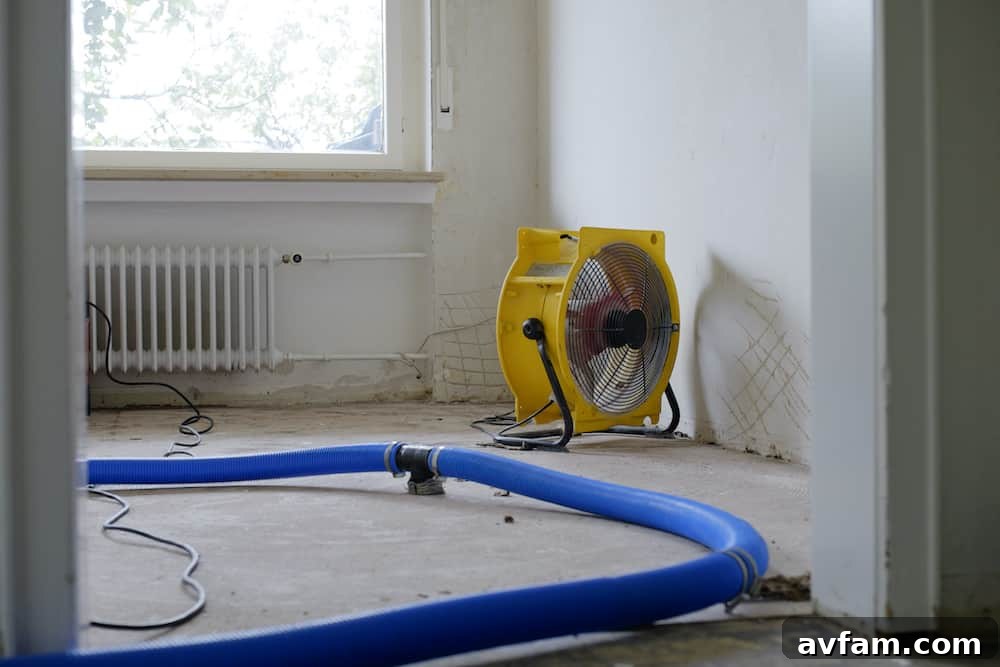
Experiencing water damage can be a homeowner’s worst nightmare, leading to stress, significant disruption, and potential financial strain. The immediate aftermath requires swift and decisive action. The crucial first step in any water damage scenario is meticulously assessing the source of the water and consequently, its category. This initial evaluation is paramount because the water category directly dictates what materials and furnishings can realistically be salvaged and what must be discarded for safety and health reasons. Understanding these categories is not just about cost-saving; it’s fundamentally about protecting the health and well-being of your family and the structural integrity of your property.
Water damage is typically classified into three main categories, each with escalating levels of contamination and potential health risks:
- Category I: Clean Water. This originates from a sanitary source and poses no immediate health threat. Examples include burst pipes, overflowing sinks, or appliance malfunctions involving potable water.
- Category II: Grey Water. This water contains a significant level of chemical, biological, or physical contaminants and can cause illness if ingested or exposed to. Sources often include overflowing washing machines, dishwashers, or toilet bowls (without fecal matter). If left untreated, Category II water can quickly degrade to Category III.
- Category III: Black Water. This is grossly unsanitary water containing harmful bacteria, fungi, viruses, and other toxic agents. It poses a severe health risk.
Understanding the Dangers of Category III Water Damage
Category III water, often referred to as “black water,” represents the most severe form of water contamination. It’s characterized by its potential to contain raw sewage, toxic chemicals, and a host of pathogenic microorganisms. This classification is critical because any material exposed to Category III water is considered highly contaminated and potentially hazardous. Even if water from a toilet bowl appears clean, if it originates from an overflow, it must be treated as Category III due to the inherent risk of contamination from the sewer system. The seemingly innocent appearance of water should never override the assessment of its source.
Consider the analogy: you wouldn’t use water from a toilet, no matter how clean it might appear, for cooking or drinking. This simple thought experiment underscores the profound health risks associated with Category III water. Exposure to such contaminated water can lead to serious gastrointestinal illnesses, skin infections, respiratory problems, and other severe health issues for occupants. Therefore, immediate and stringent safety protocols are absolutely non-negotiable when dealing with black water intrusions.
What Can Be Salvaged After Category III Water Damage?
When Category III water damage strikes, the approach to salvageable items is drastically different and far more conservative. The primary directive is to prioritize health and safety over property restoration. Consequently, most porous materials that have come into contact with black water must be removed and discarded without hesitation. This includes a wide array of common household items and building components such as drywall, carpet, carpet padding, insulation, baseboards, certain types of wood flooring, rugs, and most furnishings. These materials absorb contaminants deep within their structure, making complete sanitation virtually impossible and posing an ongoing health hazard.
All removal work must be performed with full personal protective equipment (PPE). While a detailed guide to PPE might be covered elsewhere, it’s crucial to understand that this typically involves respirators (N95 or higher), chemical-resistant gloves, protective eyewear, and full-body suits to prevent direct contact with contaminated materials. Proper containment and ventilation procedures are also essential to prevent the spread of airborne contaminants.
There are rare exceptions for items of extraordinary value, such as an irreplaceable antique rug from the 17th century. In such unique cases, specialized textile restoration companies might be consulted, but this decision always involves a complex cost-benefit analysis and a full understanding of the residual risks. For most everyday items, however, the safety of your family unequivocally dictates that these items should be promptly and safely discarded to eliminate any potential for lingering contamination or mold growth. The cost of replacing these items pales in comparison to the potential health risks.
In contrast, non-porous materials, such as ceramic tile, concrete subfloors, plumbing fixtures, and metal components, can often be salvaged. These surfaces do not absorb contaminants in the same way porous materials do, making them amenable to thorough cleaning and disinfection. For effective remediation, these surfaces should be meticulously cleaned using a professional-grade biocide cleaner. These biocides are specifically formulated to kill bacteria, viruses, and fungi. When sourcing such products, a janitorial supply company is often a good resource for stronger, more effective agents than those found in standard retail stores. It is absolutely imperative to follow the manufacturer’s use label and safety guidelines explicitly. Misuse of biocides can not only be ineffective but can also cause harm to the occupants of the home and is often a violation of federal regulations. Proper ventilation during and after application is also vital.
Salvaging Materials After Category I and II Water Damage
The protocols for Category I (clean water) and Category II (grey water) damage differ significantly from Category III. With clean or grey water, the primary concern shifts from immediate biohazard contamination to the extent of material damage and the potential for mold growth if not dried properly. The focus here is on efficient drying and restoration rather than automatic disposal, allowing for a greater number of materials to be salvaged. The goal is to dry materials completely and quickly to prevent secondary damage, such as mold, which can rapidly develop within 24-48 hours if moisture persists.
However, it’s important to remember that Category II water, if left untreated for an extended period (typically beyond 48 hours), or if it comes into contact with organic materials or elevated temperatures, can degrade and transform into Category III water, introducing new and severe health risks. Therefore, even with Category I and II incidents, a rapid and professional response is critical to mitigate further damage and preserve more of your property.
Detailed Guidelines for Salvaging Common Materials
When facing Category I or II water damage, careful assessment and rapid drying techniques are key to successful restoration. Here’s a more in-depth look at salvaging various materials:
Carpet and Padding
In most Category I and II water damage scenarios, the carpet padding (underlayment) should be removed and replaced. Padding is highly absorbent, often made of foam or fiber, and acts like a sponge, trapping a significant amount of water. It’s notoriously difficult to dry completely and quickly in place, making it a prime breeding ground for mold and mildew. Attempting to save water-damaged padding is rarely cost-effective or successful. The carpet itself, however, can often be salvaged. This typically involves immediate extraction of water using powerful vacuums, lifting the carpet to allow for thorough drying of the subfloor and the underside of the carpet, and then deploying air movers and dehumidifiers. Professional carpet cleaners may also be able to clean and sanitize the carpet. Be aware that Category II water, which might contain soaps, detergents, or dirt, has the potential to permanently stain carpets, but trying to dry and clean it first is usually a worthwhile effort, balancing the cost of replacement against restoration.
Wood Flooring
Water damage to wood flooring presents one of the most complex restoration challenges. The ability to salvage it depends heavily on the type of wood, the duration of exposure, and the speed of intervention. Solid hardwood floors, if professionally treated very quickly, can sometimes be saved through specialized drying techniques that prevent or correct cupping and crowning. This often involves using unique drying mats or vacuum systems that draw moisture directly from the wood. These processes are highly technical and usually come at a significant cost, requiring very experienced and qualified restoration companies. Engineered wood floors, which consist of multiple layers of wood composite and a veneer, are much less forgiving. They tend to delaminate, swell, and warp permanently when exposed to water, often requiring full replacement. Laminate flooring, which is largely made of particle board with a photographic layer, is almost always a complete loss. The debate on salvaging wood floors within the restoration community is ongoing, reflecting the nuanced challenges involved.
Baseboard
Baseboards are often overlooked but play a critical role in drying wall cavities. If baseboards are removed immediately after water damage occurs, and drying efforts begin promptly, they can sometimes be salvaged. This is especially true for natural wood baseboards. However, if your baseboards are made from engineered materials like MDF (Medium-Density Fiberboard), even minimal exposure to moisture will cause them to swell, warp, and become structurally compromised. Swollen MDF baseboards cannot be restored to their original condition and must be replaced. Removing baseboards also allows for better air circulation into the wall cavities, which is crucial for preventing hidden mold growth within the walls.
Cabinets
Cabinets pose a unique and frustrating challenge in water damage restoration. They often appear intact but can hide significant moisture. When dried correctly, many cabinets can indeed be salvaged, but effective drying underneath and behind them is notoriously difficult. The recommended approach involves removing any standing water from the floor, removing the baseboard covering the toe-kick (the recessed area at the bottom), and drilling strategically placed ~1-inch diameter holes into the toe-kick, approximately every 12 inches. This allows for targeted air circulation. Most professional restoration companies utilize specialized blower adapters designed to direct powerful airflow into these drilled holes, effectively drying the hidden areas. Furthermore, if there is any suspicion that the drywall behind the cabinets has become saturated, the cabinets will need to be carefully removed to assess the wall and facilitate proper drying to prevent mold growth, which can quickly spread unseen.
Drywall and Plaster
Like baseboards, early intervention is paramount for drywall and plaster. These materials can absorb a limited amount of water and still be successfully dried. For drywall, a critical indicator is the condition of the paper facing. If the paper is wet but the gypsum core inside remains firm and has not begun to degrade or turn mushy, there’s a good chance it can be salvaged through proper drying. However, if the paper is saturated and the gypsum starts to soften or crumble, it usually indicates that the damage is too extensive, and the material is beyond repair. In many cases, a “flood cut” is performed, where the bottom 12-24 inches of wet drywall is removed. This not only removes the damaged material but also creates an opening to dry the wall cavity thoroughly and inspect for insulation damage.
Insulation
Batt insulation, such as fiberglass or mineral wool, is highly absorbent and loses much of its insulating value when wet. More importantly, it becomes an ideal breeding ground for mold if not completely dried. Given the difficulty of thorough, in-place drying, batt insulation should almost always be removed and replaced, even if it appears only slightly wet. This necessitates the removal of drywall from at least one side of the affected wall. Therefore, any flooding that saturates insulation above the sill plate of an insulated wall will typically require the removal and replacement of both the drywall and the insulation. Other types of insulation, such as closed-cell spray foam or rigid foam boards, are more water-resistant and may be salvageable depending on the extent of water exposure and professional assessment.
Wallpaper
Unfortunately, wallpaper rarely survives water damage. The adhesives used to apply wallpaper often degrade significantly when wet, causing the paper to bubble, peel, and delaminate. Furthermore, wet wallpaper can trap moisture against the drywall or plaster beneath it, creating a perfect environment for mold growth between the wall and the paper. For these reasons, wallpaper almost invariably needs to be removed and replaced.
Rugs (Area Rugs)
Area rugs, especially those made of synthetic fibers or durable natural fibers, can usually be cleaned and restored by a professional rug cleaner following Category I or II water damage. However, it’s essential to perform a careful cost-benefit analysis. Evaluate the intrinsic and monetary value of the rug against the anticipated cost of professional cleaning, drying, and potential repair. For highly valuable or delicate rugs (e.g., silk, antique wool), specialized cleaning methods are required to prevent damage or dye bleeding.
Sheet Vinyl
Sheet vinyl flooring, while seemingly water-resistant, is notoriously difficult to dry properly when water penetrates underneath it. Water trapped between the vinyl and the subfloor can lead to delamination (the separation of layers within the material) and discoloration, sometimes appearing months after the initial water event. Since sheet vinyl is often a relatively inexpensive material to begin with, it is usually more practical and cost-effective to remove and replace it rather than attempting the challenging and often unsuccessful drying process.
Furniture
Most furnishings can be saved, provided the water damage is caught early and proper drying protocols are initiated promptly. The critical first step is to get all furniture up off the ground as quickly as possible. Use blocks, plastic sheets, or aluminum foil between furniture legs and the wet flooring to prevent further moisture absorption and to facilitate air circulation around and under the pieces. This proactive measure significantly reduces the odds of mold growth and permanent damage to wood or upholstery. Fabric upholstery should be dried thoroughly, potentially with the aid of air movers. Wooden furniture should be dried slowly and carefully, away from direct heat sources, to prevent cracking or warping. Always check for signs of mold or mildew on all surfaces and in hidden areas.
Ultimately, prompt action, accurate assessment, and often, professional expertise are your best allies in mitigating the devastating effects of water damage and maximizing the salvage potential of your property.