
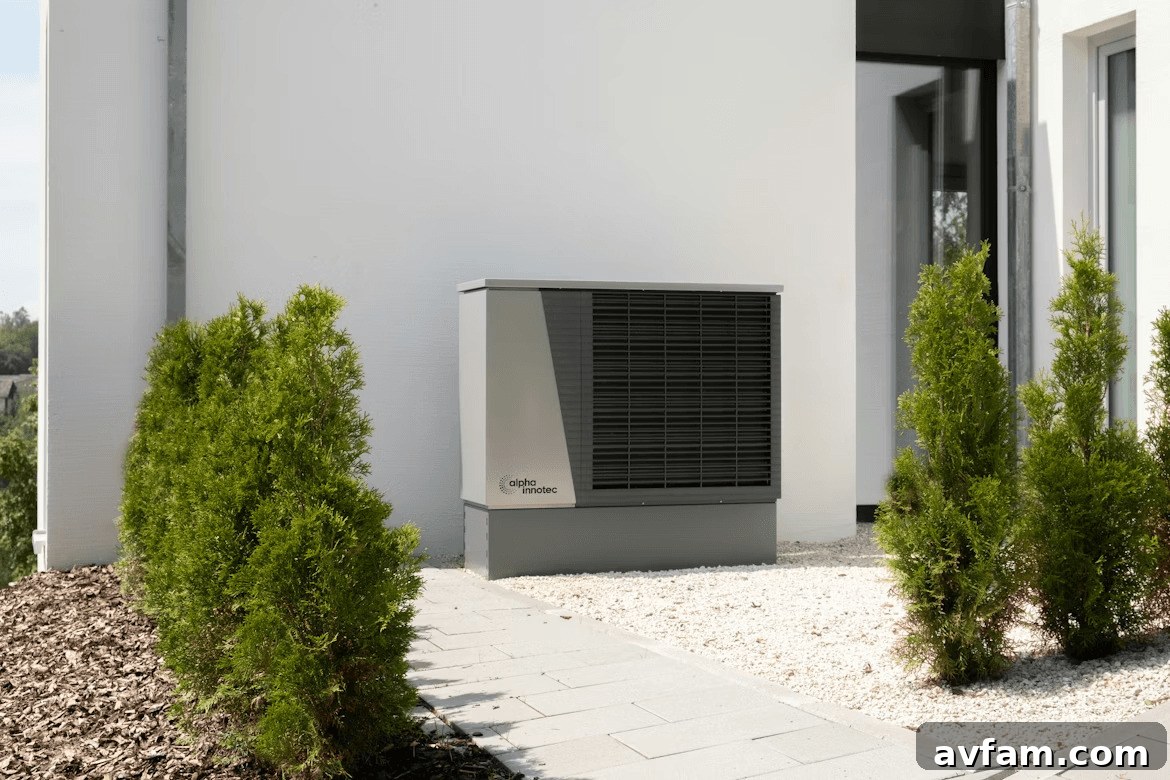
In the evolving landscape of home comfort, heat pumps have definitively moved from a niche technology to a mainstream solution. Homeowners across North America are increasingly seeking out advanced equipment that elegantly manages both heating and cooling from a single, highly efficient system. With robust federal incentives, remarkable improvements in cold-climate performance, and the persistent climb of energy costs, the current year presents an exceptionally compelling opportunity to consider upgrading to a heat pump system.
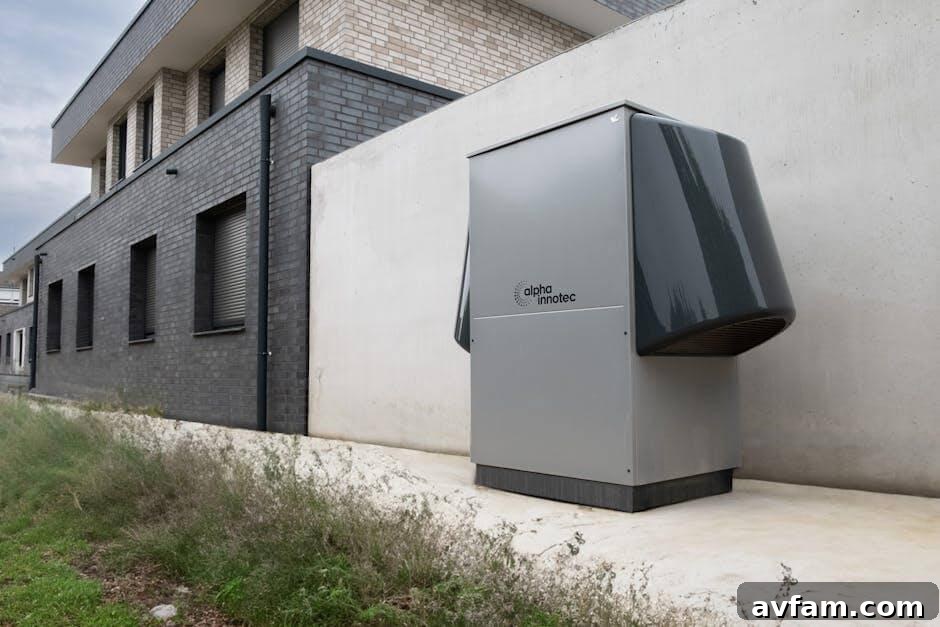
Leading HVAC specialists, such as Handy Bros., who install across diverse regions experiencing genuinely harsh winters, consistently report that today’s advanced heat pumps deliver reliable performance even in extreme conditions that challenged or defeated earlier generations of this technology. The critical distinction between a successful, satisfying installation and a frustrating, underperforming one often hinges on two key factors: selecting the appropriate system for your home’s specific needs and, crucially, choosing a highly qualified and experienced installer.
Understanding How Modern Heat Pumps Deliver Year-Round Comfort
At its core, a heat pump operates on a principle fundamentally different from traditional heating and cooling systems. Instead of generating heat by burning fuel or using electrical resistance, a heat pump simply moves existing heat. This innovative approach makes it dramatically more energy-efficient than conventional alternatives.
During the colder months, the heat pump extracts thermal energy from the outdoor air, even when temperatures are well below freezing. It then concentrates this heat and transfers it into your home, warming your living spaces. Conversely, when the warmer months arrive, the system seamlessly reverses its process: it removes excess heat and humidity from your indoor air and expels it outside, effectively cooling your home. This bidirectional capability means that a single piece of equipment serves all your seasonal comfort needs.
This heat transfer mechanism results in exceptional efficiency. According to the U.S. Department of Energy, modern heat pumps can deliver an impressive three to five units of heat energy for every single unit of electricity consumed. This stands in stark contrast to electric resistance heating methods, like baseboard heaters, which deliver only one unit of heat for one unit of electricity, making heat pumps three to five times more efficient.
The technological advancements in heat pump design over the last decade have been groundbreaking. Contemporary cold-climate heat pumps are engineered to maintain high levels of efficient operation at ambient temperatures far below freezing, often down to -15°F (-26°C) or even lower. Key innovations include variable-speed compressors, which precisely adjust their output to meet the exact heating or cooling demand, eliminating the inefficient on-off cycling prevalent in older systems. This not only enhances comfort by maintaining more consistent temperatures but also significantly boosts energy efficiency. Furthermore, modern refrigerants used in these systems have a much lower environmental impact compared to older formulations, aligning with global sustainability goals.
Key Considerations Before Investing in a Heat Pump System
Upgrading to a heat pump represents a significant investment in your home’s comfort and energy future. Before making a commitment, a thorough evaluation of several crucial factors will ensure it’s the right choice for your property and lifestyle:
- Age of Your Existing HVAC System: If your current furnace is over 12 years old or your air conditioning unit exceeds 10 years, it’s likely approaching the end of its operational lifespan. Replacing both aging systems with a single, integrated heat pump solution can simplify your decision-making process and often proves more cost-effective in the long run than replacing them individually.
- Home’s Insulation and Air Sealing: Heat pumps perform optimally in well-insulated and properly air-sealed homes. Any significant air leaks, drafty windows, or insufficient attic and wall insulation can undermine the heat pump’s efficiency, leading to higher operating costs and reduced comfort. Addressing these deficiencies either before or during the installation of your new heat pump is highly recommended for maximizing performance.
- Your Local Climate Zone: Modern heat pumps are designed to operate effectively in a vast majority of North American climates. However, for homes situated in extremely cold regions that experience prolonged periods of sub-zero temperatures, a supplementary or backup heat source might be necessary for the absolute coldest days of the year. This often takes the form of a small electric resistance coil integrated into the air handler, or a dual-fuel system combining a heat pump with a high-efficiency gas furnace.
- Existing Electrical Capacity: Heat pumps are electrically powered. Older homes, particularly those built several decades ago, may have electrical panels with limited capacity (e.g., 100 amp service). Installing a new heat pump, especially a larger one, might necessitate an electrical service upgrade to a 200-amp panel, which can add to the overall project cost. A qualified installer will assess your home’s electrical infrastructure.
- Availability of Rebates and Incentives: This is a critical financial consideration. Federal, provincial or state, and local utility companies frequently offer substantial rebates, grants, and tax credits to homeowners who install energy-efficient heat pump systems. These incentives can significantly offset the upfront installation cost, sometimes by several thousand dollars. A reputable contractor should be well-versed in the current programs available in your area and help you navigate the application process.
- Long-Term Cost-Benefit Analysis: While the initial installation cost is important, it’s essential to evaluate the long-term operating cost differences over the typical 10-to-15-year lifespan of the equipment. Due to their superior energy efficiency, heat pumps typically pay back their initial premium through reduced energy bills within five to eight years, offering substantial savings thereafter.
A reputable and experienced contractor will conduct a comprehensive assessment of these factors during the initial consultation phase, providing you with a tailored recommendation and a transparent quote before any work begins.
Understanding Heat Pump Installation Costs and Savings
The total installed cost of a heat pump system can vary considerably, influenced by factors such as the system’s size and type, the complexity of your home’s configuration (e.g., existing ductwork, electrical upgrades), and regional pricing variations for labor and materials. Generally, typical residential air-source heat pump installations range from $8,000 to $20,000 USD before any rebates or incentives are applied. Most ducted whole-home systems commonly fall within the $12,000 to $16,000 bracket.
A significant aspect of the financial equation lies in the array of available incentives. According to Natural Resources Canada, federal and provincial rebate programs for qualifying energy-efficient heat pump equipment can substantially reduce the net cost, often by several thousand dollars. Similarly, south of the border, comparable US federal tax credits are available for homeowners installing Energy Star-rated heat pump systems. Beyond these government programs, many local utility companies offer additional rebates, which can further amplify total incentives, making the investment even more accessible and attractive.
However, the true financial value of a heat pump system is realized over its operational lifetime through dramatically lower energy bills. A typical household that replaces an older, less efficient heating system – whether it’s electric resistance, an outdated gas furnace, or oil/propane heating – with a modern, high-efficiency heat pump can expect to save between $500 and $2,000 annually on energy expenses. These savings are contingent on local energy prices, the size of the home, and the efficiency of the system being replaced, demonstrating a compelling return on investment over time.
Choosing the Right Heat Pump Installer: A Crucial Decision
It’s a common adage in the HVAC industry: even the most advanced equipment installed poorly will yield a suboptimal result, while mediocre equipment installed expertly can still provide a satisfactory outcome. This underscores a vital truth: the quality and expertise of your installer often matter more than the specific brand of equipment for nearly every homeowner seeking a new heat pump system.
- Manufacturer Training and Certification: Prioritize installers who are authorized dealers for reputable heat pump brands. Authorized dealers typically receive direct factory training, ensuring their technicians are up-to-date on the latest installation techniques, diagnostic procedures, and specific equipment specifications. This also grants them access to comprehensive warranty support directly from the manufacturer, which independent, untrained installers may lack.
- Proven Local Experience: Opt for contractors with a solid track record of installing dozens, if not hundreds, of heat pumps annually within your specific geographic region. Such experience means they possess an intimate understanding of local building codes, unique climate considerations (e.g., specific challenges of cold winters or humid summers), and which systems consistently perform best under your area’s conditions.
- Detailed Home Assessment and Load Calculation: A professional installer will never provide a quote without first conducting a thorough home assessment. This includes performing a “Manual J load calculation,” a standardized industry procedure that accurately determines your home’s precise heating and cooling requirements based on factors like square footage, insulation levels, window types, and sun exposure. This prevents the common pitfalls of oversizing or undersizing a system, which can lead to inefficiency, discomfort, and premature equipment wear.
- Clear and Comprehensive Documentation: Demand a written quote that is transparent and highly detailed. It should clearly specify the exact equipment make, model, and tonnage, the type of refrigerant used, the full scope of the installation work (including any necessary ductwork modifications, electrical upgrades, or thermostat installations), and unambiguous warranty terms for both parts and labor.
- Robust Service and Maintenance Infrastructure: A heat pump is a long-term investment, often lasting 15 to 20 years. Your relationship with the installer shouldn’t end after the installation. Confirm that the company offers ongoing maintenance plans, annual tune-ups, and reliable after-hours emergency service. A proactive maintenance schedule is crucial for maximizing efficiency, extending the lifespan of your system, and preserving your warranty.

It cannot be overstated: skipping the vital home assessment step or accepting a quote that isn’t based on a proper load calculation often leads to an improperly sized system. An oversized system, for example, will “short cycle,” turning on and off too frequently. This not only wastes energy and increases wear and tear but also performs poorly in humidity control, leaving your home feeling clammy even when cool.
Your Comprehensive Heat Pump Decision Checklist
To summarize the key takeaways when considering a heat pump for your home:
- Modern heat pumps are incredibly efficient, delivering 3 to 5 units of heat energy for every unit of electricity consumed.
- Advanced cold-climate models are engineered to work effectively and efficiently even when temperatures drop well below freezing.
- The total installed cost for most residential systems typically ranges from $8,000 to $20,000, prior to any rebates or incentives.
- Leverage federal, provincial/state, and utility rebates, which can often reduce your net installation cost by a substantial $2,000 to $5,000 or more.
- Expect significant annual operating savings, typically ranging from $500 to $2,000, depending on the type of heating system you are replacing and local energy prices.
- Crucially, the quality and reputation of your chosen installer are often more important than the specific brand of equipment for ensuring optimal performance and long-term satisfaction.
A Smart, Long-Term Investment That Continues to Pay Dividends
Embracing heat pump technology is a strategic decision that consistently rewards homeowners who approach it with careful planning. By taking the time to “do the math,” meticulously selecting a highly qualified contractor, and viewing the purchase as a significant long-term investment rather than an impulsive emergency buy, you position yourself for years of comfortable, energy-efficient living. The convergence of steadily falling equipment costs, continuous advancements in cold-climate performance capabilities, and the proliferation of aggressive rebate and incentive programs collectively make the current year one of the most advantageous periods yet to make the transformative upgrade to a modern heat pump system.
Frequently Asked Questions About Heat Pumps
Will a heat pump effectively heat my home in extremely cold winter climates?
Absolutely. Modern cold-climate heat pumps are specifically engineered to maintain efficient and robust operation in temperatures as low as minus 25 degrees Celsius (approximately minus 13 degrees Fahrenheit) and sometimes even lower. For homes in regions with extreme, prolonged cold snaps, most installations thoughtfully include a small, supplementary backup heat source (often an electric resistance coil within the air handler or a dual-fuel setup with a furnace) to ensure continuous comfort during the absolute coldest days of the year, providing complete peace of mind.
How long does the average heat pump installation typically take?
For a standard replacement of a ducted heat pump system in an existing home, the installation process typically requires one to two days to complete. Ductless mini-split systems, which require less extensive modifications, can often be installed and operational within a single day. For new construction projects, the heat pump installation is seamlessly integrated into the broader building schedule, coordinating with other trades.
What is the expected lifespan of a modern heat pump system?
With proper installation and consistent, professional maintenance, contemporary heat pumps are robust and built to last. Homeowners can reasonably expect their system to provide reliable heating and cooling for 15 to 20 years. Adhering to annual professional maintenance schedules and regularly changing air filters are crucial practices that meaningfully extend the operational life and efficiency of your heat pump.
Are heat pumps generally expensive to repair compared to traditional HVAC systems?
Repair costs for modern heat pumps are generally comparable to those for traditional furnace and air conditioning equipment. While heat pumps do feature advanced components, such as variable-speed compressors and sophisticated electronic controls, which can be more costly to replace than older mechanical parts, overall system reliability has significantly improved with modern engineering. A reputable installer will offer maintenance plans that can help prevent costly repairs and extend component life.