
A well-designed room often feels balanced before you can articulate why: furniture fits the proportions, lighting complements the architecture, and colors, textures, and finishes all contribute to a unified look.
Then heating becomes part of the equation.
Traditional heaters can occupy valuable floor space, limit furniture layout, or become a focal point the moment you enter a room. For a long time many homeowners accepted that trade-off because warmth was more important than aesthetics.
That compromise is no longer necessary.
Wall-mounted electric heating panels provide warmth without dominating the interior. For those planning renovations or updating a carefully considered space, exploring an electric heating panels range shows how heating can be integrated into the room rather than treated as an afterthought.
The result is straightforward: comfort and design can coexist.
Warmth Changes How a Room Feels
Interior design is about more than visual appeal. A room can look polished and still feel unwelcoming if the temperature is off.
Temperature heavily influences how people experience a space. A well-lit living room with carefully chosen furniture and color can still feel uninviting if it’s too cold; people are less likely to settle in and stay.
Conversely, a comfortable temperature makes a room feel welcoming and encourages occupants to relax and linger.
When heating becomes part of the architecture it supports the room’s purpose rather than competing with it.
Why Wall-Mounted Heating Works With Modern Interiors
Good design often means eliminating unnecessary distractions.
Wall-mounted electric panels take up minimal floor space. Instead of positioning a freestanding heater beside seating or across from a dining table, the heating element sits close to the wall, freeing up the floor and simplifying layout choices.
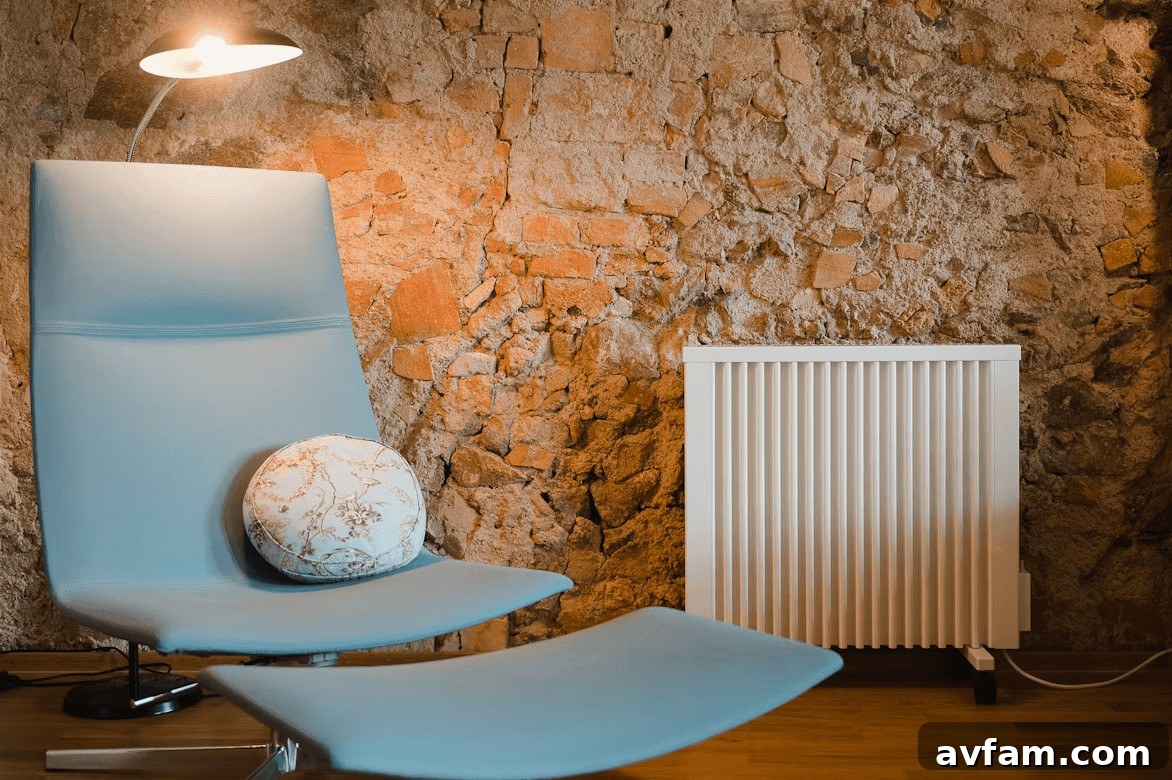
That freedom makes furniture placement easier and can reduce the sense of crowding. In smaller homes, apartments, bedrooms, home offices, and narrow living rooms, every square foot counts. A wall-mounted system increases flexibility without sacrificing performance.
Less Visual Clutter Makes a Room Feel Larger
Clutter isn’t only items on surfaces—bulky appliances and protruding equipment add visual weight and shrink perceived space.
By moving heating off the floor, you open opportunities for furniture, artwork, rugs, lamps, and architectural details to take center stage. Clean wall lines and more open floor area help furniture look intentional and make circulation feel easier.
A heating solution that blends into the interior preserves attention for the elements you want visitors to notice.
The Psychology of Visual Warmth
Physical temperature is only part of the warmth experience. Visual warmth—created through materials, colors, lighting, and texture—plays an equally important role.
Wood, natural textiles, soft lighting, warm neutrals, layered fabrics, and matte finishes all contribute to a cozy atmosphere. Actual room temperature reinforces these visual cues.
For example, a bedroom designed for rest combines soft lighting and soothing colors with a comfortably warm temperature. A living room with deeper hues and layered fabrics benefits from consistent warmth. A home office may favor a cleaner look and steady, unobtrusive heating.
When temperature, materials, lighting, and layout align, the space feels complete.
Minimalism Does Not Mean Removing Personality
Minimalism is often mistaken for emptiness or starkness. Thoughtful minimal design gives key pieces space to be noticed: artwork stands out, furniture feels intentional, and architectural features become more apparent.
Wall-mounted heating complements this approach by keeping floors clear and providing visual breathing room. A room can remain characterful—through textured rugs, timber furniture, soft upholstery, artwork, and warm lighting—while the heating stays unobtrusive.
Heating Can Become Part of the Architectural Plan
Heating is frequently left to the end of a renovation, which can create conflicts. Homeowners may finalize flooring, furniture, lighting, and paint only to find the heating system must occupy a corner or floor area they planned for something else.
Considering heating earlier lets you place panels alongside furniture, wall finishes, lighting, and windows so the room functions as intended. Rather than asking merely “How will we heat this room?” ask “Where will heating go so the room still works?” That shift produces a more cohesive result.
Designing Around What You Don’t Want to Notice
The best parts of a home are often the things you don’t have to think about: lighting that lets you see without drawing attention, storage that stays out of sight, and heating that keeps you comfortable without dictating layout.
Integrated design creates calm by giving everything a purpose while avoiding visual competition. Wall-mounted panels fit this model, allowing rooms to remain visually simple while delivering the warmth needed.
Small Rooms Benefit Most From Careful Heating Placement
Heating placement is important in every room, but it’s critical in limited spaces. A small bedroom needs to accommodate a bed, bedside tables, storage, and perhaps a desk. A compact living room must balance seating, media, storage, and circulation.
Bulky heating appliances make these challenges harder. Wall-mounted systems free up floor space, giving homeowners more options for practical and comfortable furniture arrangements and improving natural circulation through the room.
Think About the Whole Wall Before Installation
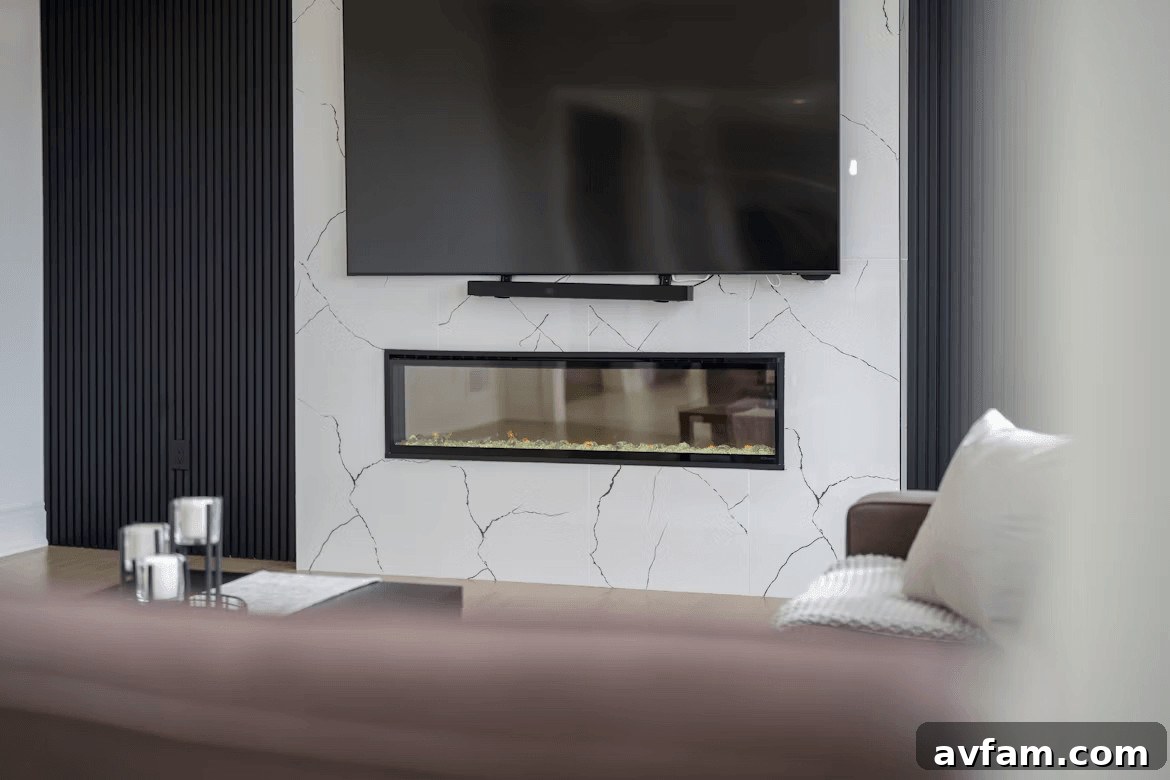
Although heating panels have a small visual footprint, their placement still affects the whole wall. Consider artwork, outlets, switches, windows, curtains, shelving, and furniture before selecting a location. Also think ahead: a currently empty wall may later hold a sofa or cabinet.
Planning with these details in mind prevents heating from becoming an obstacle. Follow manufacturer installation guidance and have any electrical work done by a qualified professional—good design should never compromise safety.
Comfort Should Support How You Use the Room
Different rooms have different needs: a bathroom needs warmth at select times, a home office may require steady heat during long workdays, a guest room may be used sporadically, and a living area may demand longer periods of comfort in winter.
Understanding actual usage helps determine the right type, size, and placement of heating. The most successful design choices solve functional needs while fitting the space.
Warmth With a Lighter Visual Footprint
Trends will change, but homeowners will always value spaces that feel comfortable, calm, and livable. Wall-mounted electric panels provide warmth while preserving floor space and reducing visual impact, making them worth considering during renovations, new builds, or interior updates—especially where clean lines and flexible furniture placement are priorities.
When heating is planned alongside lighting, furniture, finishes, and layout, it becomes part of the architecture rather than an afterthought. For homeowners looking to combine comfort with a cleaner interior, exploring options in electric heating panels is a practical starting point for finding styles that suit modern living spaces.