
The Essential Guide to Kids’ Step Stools: Fostering Independence and Safety
Every home, particularly those filled with the lively energy of children, benefits immensely from having a reliable step stool. Often underestimated, these simple household items play a monumental role in a child’s development and daily routines. For families like ours, with a little one now eager to reach the sink and confidently wash his hands, a step stool isn’t just a convenience – it’s fundamental. It’s a key tool for nurturing independence and ensuring daily tasks are performed safely. We wholeheartedly encourage this newfound autonomy, recognizing the significant milestones it represents in his growth journey.
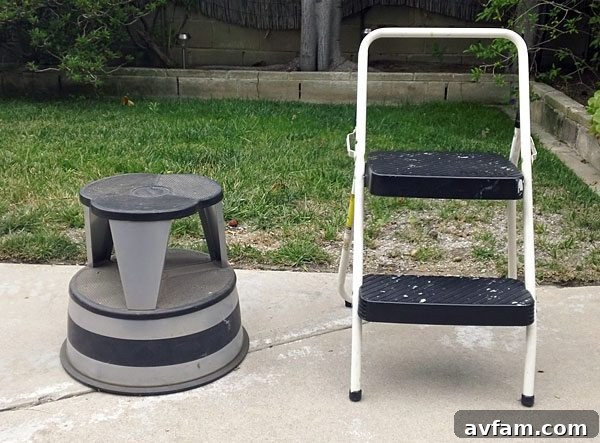
Before understanding the specific needs of children, we, like many others, relied on general utility stools around the house. While these were functional for adult tasks, they always felt somewhat out of place and inadequate for a child-friendly bathroom or kitchen environment. Their height, stability, and overall design rarely aligned with the needs of a small person, often leading to awkward stretches or wobbly moments that raised safety concerns.
Why Every Family Needs a Dedicated Kids’ Step Stool
Beyond the immediate practicality of helping a child reach a sink, a dedicated kids’ step stool offers a multitude of benefits that permeate various aspects of a child’s life. It transforms previously inaccessible spaces into arenas of exploration and learning, making the world a more manageable and engaging place for them.
Empowering Independence and Self-Sufficiency
One of the most profound advantages of a children’s step stool is its role in fostering self-reliance. When a child can independently perform tasks like washing their hands, brushing their teeth, or assisting with light chores in the kitchen, they gain an incredible sense of accomplishment and control. This empowers them, builds confidence, and encourages them to take on more responsibilities, effectively laying the groundwork for greater independence as they mature. Simple acts, such as reaching a light switch or putting their toys away on a higher shelf, become significant, empowering moments.
Enhanced Safety and Accessibility
While promoting independence, safety remains the paramount consideration. A thoughtfully designed kids’ step stool provides a stable and secure platform, significantly mitigating the risk of falls or strains that can occur when children attempt to climb on unstable objects or stretch precariously. It ensures they can safely access essential areas like bathroom counters and kitchen islands without undue risk, transforming potential hazards into safe zones where they can actively participate.
Facilitating Learning and Practical Life Skills
From establishing proper hygiene routines to assisting in meal preparation, step stools enable children to engage in critical practical life skills. They can learn about personal care, develop fine motor skills through supervised tasks like stirring or pouring, and even grasp basic concepts of measurement or organization. These hands-on experiences are invaluable for cognitive development and building foundational skills that will serve them well throughout their lives.
Choosing the Perfect Step Stool: Key Features and Types
With a vast array of options available on the market, selecting the right step stool can initially feel overwhelming. However, by considering these crucial factors, you can ensure you find one that perfectly suits your family’s unique needs and your child’s current stage of development.
Essential Safety Features to Prioritize
- Unwavering Stability: Always look for a step stool with a wide, robust base and integrated anti-slip feet. This design minimizes the risk of tipping and ensures the stool remains firmly in place. It should feel unequivocally solid and secure when your child stands on it.
- Non-Slip Standing Surface: The top surface where your child stands should feature a non-slip texture or a rubberized grip. This crucial detail significantly reduces the risk of slipping, especially in damp environments like bathrooms or near kitchen spills.
- Durable Construction: Whether crafted from sturdy wood or high-quality, impact-resistant plastic, the stool must be robust enough to withstand daily use, enthusiastic play, and your child’s growing weight. Always inspect for strong joints, quality fasteners, and overall structural integrity.
- Rounded Edges and Smooth Finishes: Prioritize stools with rounded edges and smooth, splinter-free finishes. This design choice actively prevents accidental bumps, scrapes, or other injuries that could occur from sharp corners.
- Adequate Weight Capacity: Verify that the stool’s stated weight capacity safely accommodates your child’s current weight and offers sufficient margin for their growth over time.
Exploring Different Types of Kids’ Step Stools
- Basic Single-Step Stools: These are ideal for younger toddlers or for situations where only a few inches of extra height are needed. They are typically simple, lightweight, and highly portable, making them easy to move wherever they’re needed.
- Two-Step Stools: Offering greater height, these are excellent for growing children or for reaching taller counters and sinks. The two-step design often includes wider, more comfortable steps for easier and safer climbing.
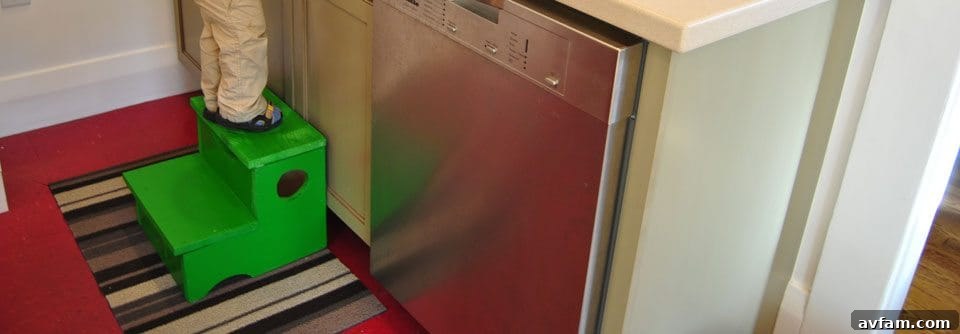
- Storage Step Stools: A truly fantastic space-saving and organizational solution, these innovative stools feature built-in compartments perfect for stowing away toys, books, art supplies, or bathroom essentials. We personally constructed a wonderful storage step stool, expertly demonstrated by our friend Leo in the earlier photo. It has proven to be incredibly practical, blending functionality with clever organization.
- Kitchen Helper Towers (Learning Towers): While more substantial than a traditional step stool, these enclosed platforms provide an exceptionally safe way for children to stand securely at counter height. They allow kids to actively engage in kitchen activities alongside adults, fostering a love for cooking and learning in a protected environment.
- Folding Step Stools: These are incredibly convenient for smaller living spaces or for families who need a portable solution to take on trips. They can be easily collapsed and stored away when not in use. Always ensure they feature a secure, reliable locking mechanism when unfolded.
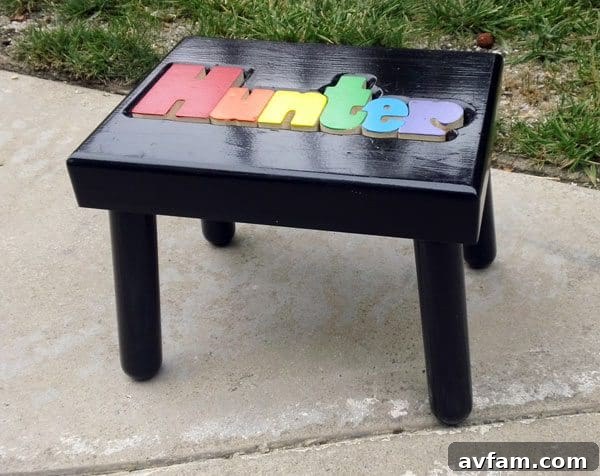
- Personalized Step Stools: Often adorned with a child’s name, favorite characters, or a special design, these stools add a unique, personal touch. They can make a child feel more connected to their belongings and encourage pride of ownership. We’ve been fortunate enough to receive a couple of these delightful personalized step stools, complete with our son’s name, which he absolutely adores and which add a special charm to his space.
DIY Step Stool vs. Buying One: Making the Right Choice for Your Family
The decision to build or buy a step stool ultimately comes down to personal preference, budget considerations, available time, and your skill level with tools. Both options present distinct advantages tailored to different family situations.
The Allure of DIY: Crafting Your Own Kids’ Step Stool
For individuals who relish hands-on projects and the satisfaction of creation, building a step stool can be an incredibly rewarding experience. The sense of accomplishment that comes from crafting something functional and personal for your child is unparalleled. DIY projects offer several compelling benefits:
- Unrestricted Customization: You gain complete control over every aspect of the design, including height, dimensions, materials, and the final finish. Whether you desire a specific color to perfectly match your bathroom decor or need it to fit into a precise, awkward niche, DIY makes these personalized requirements achievable.
- Cost-Effectiveness: In many instances, building a step stool from scratch can be more economical than purchasing a custom or high-end model, especially if you already possess some basic tools and materials. This allows for budget-friendly quality.
- Superior Quality Control: By selecting the highest quality wood or components yourself, you can ensure a robust, sturdy, and exceptionally durable product that meets your exact standards for longevity and safety.
- Valuable Bonding Experience: Involving older children in the design process or even light assembly can transform the project into a wonderful bonding activity. It teaches them about tools, safety protocols, and the inherent value of craftsmanship and hard work.
- Profound Sense of Accomplishment: There is a unique and deeply satisfying pride in watching your child confidently use something you lovingly crafted with your own hands. Our DIY storage step stool, for instance, not only serves its practical purpose but also carries the rich sentimental value of a project we personally undertook.
However, it’s important to note that DIY projects do require an investment of time, some basic woodworking skills, and access to the necessary tools. If you’re new to building, starting with a simple, well-documented step stool plan can serve as an excellent entry point into rewarding home improvement projects.
The Convenience of Buying: Off-the-Shelf Step Stool Solutions
For many families, purchasing a pre-made step stool is often the most practical, time-saving, and convenient option. The market is saturated with a diverse range of designs, ensuring that there is an ideal solution for nearly every need, aesthetic preference, and budget. Advantages of buying include:
- Significant Time-Saving: The process is straightforward: simply select, purchase, and bring it home. There’s no need for extensive planning, cutting, sanding, painting, or assembly, freeing up valuable time.
- Immense Variety and Diverse Designs: You gain access to a vast array of styles, colors, materials, and specialized features, ranging from minimalist plastic stools to elaborate wooden designs. This wide selection ensures you can easily find options that perfectly complement your existing home decor.
- Adherence to Professional Safety Standards: Reputable manufacturers often comply with stringent safety regulations and conduct rigorous testing on their products. This provides an invaluable layer of peace of mind regarding the stool’s stability, durability, and overall child-friendliness.
- Immediate Usability: Buying a step stool is perfect for situations where you need one right away, such as in preparation for a new stage of your child’s development or addressing an immediate need.
- Access to Specialized Features: Many commercially available stools come equipped with advanced features like anti-microbial surfaces, ingenious folding mechanisms, or ergonomically integrated handles, which might be complex or challenging to replicate effectively in a DIY project.
Maximizing Safety: Essential Tips for Using Kids’ Step Stools
Regardless of whether you choose to build or buy, proper usage and diligent supervision are absolutely crucial to ensuring your child’s safety when using a step stool:
- Constant Supervision for Young Children: Always supervise young children, especially when they are first learning to use the stool or engaging in tasks at elevated heights. Never leave them unattended.
- Optimal Placement Matters: Always position the step stool on a flat, dry, and stable surface. Rigorously avoid placing it on plush rugs that can bunch up and create an unstable base, or on potentially slippery bathroom floors without non-slip features.
- Pre-Use Stability Check: Before each and every use, take a moment to quickly ensure the stool is not wobbly and that any folding mechanisms (if applicable) are securely locked into place.
- Strictly One Child at a Time: Strongly discourage multiple children from attempting to stand on the stool simultaneously. Overcrowding significantly increases the risk of instability and tipping.
- Teach Proper Usage Techniques: Patiently show your child how to step on and off the stool carefully and deliberately. Encourage them to hold onto a sturdy counter or a nearby adult for balance if they feel unsteady, especially during their initial uses.
Conclusion: A Small Step for Them, a Giant Leap for Their Independence
A kids’ step stool is far more than just a utilitarian piece of furniture; it’s a profound investment in your child’s burgeoning independence, self-confidence, and fundamental safety. By thoughtfully providing them with the means to reach, participate, and contribute, you’re not merely simplifying daily routines; you are actively nurturing their growth and empowering them to explore their world with greater autonomy and capability.
Whether you lean towards the deep satisfaction of a custom-built creation or the unparalleled convenience of a carefully selected store-bought option, the myriad benefits of providing a dedicated child’s step stool are unequivocally clear. It transforms everyday challenges into invaluable opportunities for growth, making those once-unreachable places accessible and fostering an enduring sense of capability in your little ones.
So, which path will you choose for your family’s next essential item, a cornerstone of independence? Would you build or buy a step stool? We’d genuinely love to hear your thoughts, personal experiences, and any helpful tips you might have in the comments section below! Your insights could inspire other families.