
A Homeowner’s Guide to Common HVAC Problems: Troubleshooting Your AC
During a sweltering summer, a reliable air conditioning system is more than a luxury—it’s essential for comfort and well-being. But when your HVAC system starts to falter, it can be a source of significant stress. You might hear strange noises, feel weak airflow, or see a sudden spike in your energy bills. These are often the first warning signs of common HVAC problems that, if ignored, can lead to costly repairs or a complete system failure.
Understanding the typical issues that plague air conditioning systems empowers you to identify problems early, perform simple maintenance, and know when it’s time to call in a professional. This comprehensive guide will walk you through the most frequent HVAC troubles, helping you keep your home cool and your system running efficiently all season long.
1. Clogged Air Filters: The Silent System Killer
One of the most common yet easily preventable HVAC problems is a dirty or clogged air filter. The air filter’s job is to trap dust, pollen, pet dander, and other airborne particles, preventing them from circulating through your home and from gumming up the sensitive components of your HVAC system. However, when the filter becomes saturated with debris, it severely restricts airflow.
Symptoms of a Clogged Filter
When airflow is choked off, your system has to work much harder to pull air through, leading to several noticeable issues:
- Reduced Cooling Performance: The airflow from your vents will feel weak, and rooms may not cool down as quickly or evenly as they used to.
- Increased Energy Bills: The extra strain on the system’s fan motor consumes significantly more electricity, causing your utility costs to rise.
- Poor Indoor Air Quality: A full filter can no longer effectively trap contaminants, allowing dust and allergens to recirculate throughout your home.
- System Overheating: The continuous strain can cause the system to overheat, leading to unexpected shutdowns or even permanent damage to the compressor.
The Easy Solution
Fortunately, this is a simple DIY fix. Most air filters are disposable and should be replaced regularly. A good rule of thumb is to check your filter every 30 days and replace it at least every 90 days. If you have pets or live in a dusty environment, you may need to replace it monthly. Changing the filter is a small task that makes a massive difference in your system’s efficiency and longevity.
2. Refrigerant Leaks: The Cause of Warm Air
Refrigerant is the vital chemical that flows through your AC system, absorbing heat from inside your home and releasing it outside. When the refrigerant level is low, your air conditioner loses its ability to cool effectively. Low levels are almost always caused by a leak somewhere in the refrigerant lines.
Telltale Signs of a Leak
A refrigerant leak isn’t always obvious, but it leaves behind distinct clues:
- Lukewarm Air: The most common symptom is air blowing from the vents that feels cool but not truly cold.
- Constant Operation: Your AC will run continuously, struggling in vain to reach the temperature set on your thermostat.
- Hissing or Bubbling Sounds: You might hear a faint hissing noise near the refrigerant lines, indicating escaping gas.
- Ice on the Coils: A lack of refrigerant can cause the evaporator coils to get too cold and freeze over (more on this below).
Why This is a Job for a Professional
Handling refrigerant requires specialized tools and an EPA certification. Simply “topping off” the refrigerant without fixing the leak is not a solution; the new refrigerant will just leak out again. A qualified HVAC technician must locate the source of the leak, repair it, and then recharge the system to the manufacturer’s precise specifications.
3. Frozen Evaporator Coils: A Sign of Restricted Airflow
The evaporator coil, located in your indoor air handler, is where the heat exchange happens. Warm indoor air blows across the cold coil, and the heat is absorbed by the refrigerant. For this process to work, there must be a constant flow of warm air. If airflow is restricted, the coil’s surface temperature drops below freezing, and the condensation on it turns into a solid block of ice.
Once the coil is encased in ice, it can no longer absorb heat, and the cooling process stops entirely. You might see water pooling around your indoor unit as the ice eventually melts.
What Causes Coils to Freeze?
The root cause is almost always an airflow problem, which can stem from:
- A severely clogged air filter.
- Blocked or closed air vents in one or more rooms.
- A thick layer of dirt and grime on the coil itself.
- A malfunctioning blower fan.
What to Do
If you see ice on your coil, turn the AC system off immediately but leave the fan running. This will help the ice melt more quickly. While it thaws, check for the obvious culprits: replace your air filter and ensure all your supply and return vents are open and unobstructed. If the problem persists after the ice has melted, it’s time to call a technician to clean the coils and inspect the fan.
4. Malfunctioning Thermostat: The Brain of the Operation
The thermostat is the command center for your entire HVAC system. If it isn’t working correctly, it can’t tell your air conditioner when to turn on or off, leading to inconsistent temperatures and wasted energy. Thermostat issues can be surprisingly simple to fix.
Common Thermostat Issues
- Dead Batteries: Many digital thermostats rely on batteries. If the screen is blank or unresponsive, this is the first thing to check.
- Poor Placement: If a thermostat is located in direct sunlight, near a hot lamp, or next to a heat-generating appliance like a TV, it will get a false reading. This “ghost heat” will cause it to think the room is warmer than it is, forcing the AC to run excessively.
- Dirt and Debris: Dust can accumulate inside the thermostat, interfering with the sensors and electrical contacts.
Before calling for service, try replacing the batteries and gently cleaning the inside with a soft brush. Also, assess its location. Moving a poorly placed thermostat to a central, interior wall can provide a much more accurate reading of your home’s climate and improve efficiency.
5. Clogged Condensate Drain Line: Preventing Water Damage
As your air conditioner cools your home, it also acts as a dehumidifier, pulling a significant amount of moisture from the air. This condensation collects in a drain pan and is channeled outside through a condensate drain line. Over time, algae, mold, and sludge can build up in this wet environment, creating a stubborn clog.
When the line is blocked, the water has nowhere to go. The drain pan will overflow, potentially causing serious water damage to your ceilings, walls, and floors. Most modern systems have a safety switch (called a float switch) that shuts down the entire AC unit when it detects a full pan to prevent this damage.
How to Clear a Minor Clog
You can often prevent clogs by pouring a cup of distilled vinegar down the drain line every few months to kill algae growth. If a clog has already formed and your system has shut off, a technician can use a special vacuum to clear the blockage and get your system running again.
Upgrading Your System When Problems Persist
If your HVAC system is over 10-15 years old and you find yourself facing frequent and costly repairs, it might be more economical in the long run to consider a replacement. While the upfront cost is higher, a new, high-efficiency system offers numerous benefits.
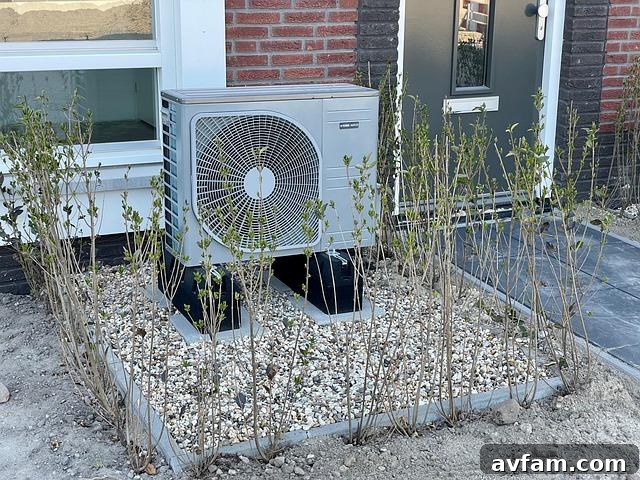
Modern solutions, such as heat pumps, provide both heating and cooling in a single, highly efficient unit. They can dramatically reduce your energy consumption, leading to lower monthly utility bills that help offset the initial investment. A new system also provides peace of mind with a fresh warranty and the promise of reliable, consistent comfort for years to come. Consulting with an HVAC professional can help you weigh the costs of ongoing repairs against the long-term savings and benefits of a full system upgrade.