
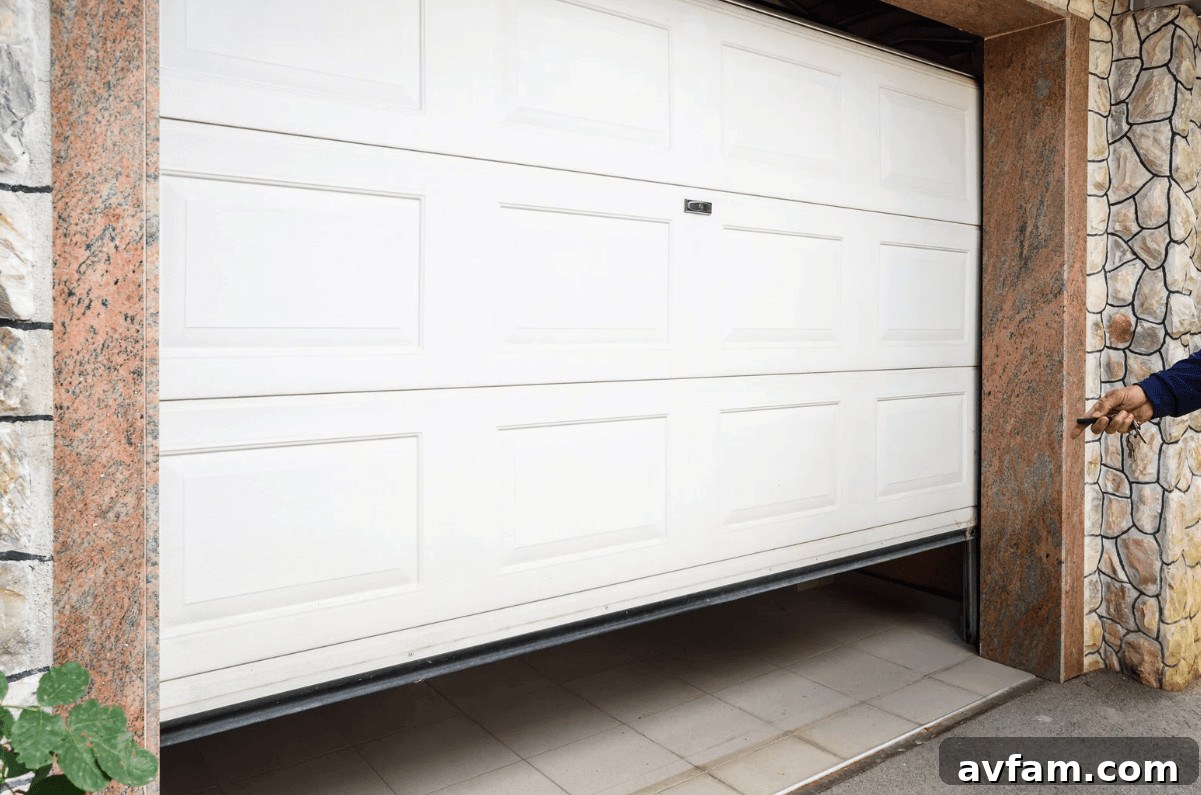
Most homeowners expect a garage door to work reliably without thinking about it. It opens in the morning, closes at night, protects stored items, and often serves as a busy entry point to the house. When the door starts shaking, sticking, squealing, reversing unexpectedly, or refusing to move, daily routines can be disrupted. Garage door repair in San Diego and similar services focus not only on restoring operation but also on ensuring the entire system works safely, smoothly, and reliably.
A garage door is heavier and more complex than it appears. Springs, cables, rollers, tracks, hinges, sensors, openers, remotes, wall buttons, and panels must all operate together. When one part fails, stress transfers throughout the system. That is why effective repairs look beyond the obvious symptom and address the door’s overall performance.
The Door Is a Daily Convenience Until It Stops Cooperating
Problems with a garage door rarely occur at convenient times. The door may refuse to open when someone is running late, stop partway with a car inside, make noise loud enough to wake the house, or close unevenly leaving a gap that affects security. Because the garage door is tied to everyday movement, storage, access, and safety, these issues are particularly disruptive.
Many homeowners mistake early warning signs for minor annoyances. A noisy door, a slow opener, jerky movement, or a small gap may seem unimportant but often indicate wear in rollers, springs, cables, hinges, sensors, or misaligned tracks. Left unaddressed, small problems frequently escalate into larger, more costly repairs.
A door that moves smoothly and quietly is not simply more pleasant; it is under less stress. Smooth, balanced motion reduces the strain on the opener and other components, prolonging the system’s lifespan.
Springs Carry More Responsibility Than Most People Realize
Garage door springs do most of the heavy lifting even though they often go unnoticed. While the opener provides motion, springs counterbalance the door’s weight. When springs weaken or break, the opener can struggle, the door may become hard to lift by hand, or the system may stop working altogether. Broken springs pose a significant safety risk because they store high tension.
Spring issues should not be handled casually. These components are tightly wound and can be dangerous without proper tools and training. Professional technicians determine whether a spring has failed, whether both springs should be replaced together, and whether the door needs rebalancing after repair.
Spring lifespan depends largely on use rather than age. A properly installed spring might last around 10,000 cycles, but homes that open the garage many times a day can reach that point much sooner than those that use the door infrequently.
Tracks, Rollers, and Hinges Keep Movement Honest
Every opening and closing requires a clear, stable path. Tracks guide the door, rollers enable motion, and hinges allow the door sections to flex as they travel. When any of these parts are bent, rusted, loose, or worn, the door can drag, shake, scrape, or come off track. Sometimes the door appears crooked or feels heavier than normal.
Because the door’s weight constantly presses against the damaged area, these problems can worsen quickly. A bent track causes rollers to bind; worn rollers increase vibration; loose hinges affect alignment. The opener may continue to pull, but that does not mean the system is healthy.
A thorough repair includes checking how the door moves both manually and with the opener connected. If the door doesn’t move smoothly by hand, the issue is likely mechanical rather than electrical.
The Opener Should Not Have to Fight the Door
A garage door opener is meant to guide a balanced door, not to force a failing one. When the door is too heavy, misaligned, or stuck, the opener must strain. Signs of opener trouble include vibration, unusual noise, slow movement, intermittent operation, failure to respond to remotes, or unexpected reversing. Sometimes the motor or drive mechanism is at fault; other times the opener is compensating for a mechanically unsound door.
That distinction matters: replacing an opener without correcting door balance or worn hardware may only postpone the next breakdown. The opener will continue to wear out if it’s asked to do more than it was designed to handle. Effective service evaluates both electrical and mechanical elements to determine the root cause.
Safety Sensors Are Small Parts With a Big Job
Modern garage doors rely on safety sensors to prevent accidents. Photo-eye sensors sit near the bottom of the opening and detect obstructions in the door’s path. If they are blocked, dirty, misaligned, damaged, or disconnected, the door may refuse to close or may reverse unexpectedly. While homeowners can check for obvious obstructions and clean sensor lenses, persistent sensor problems usually require professional attention.
Issues like faulty wiring, misalignment, sunlight interference, or broken brackets can cause unreliable sensor behavior. A door that only closes when the wall button is held, flashes the opener’s lights, or reverses without a clear reason often indicates a safety-system issue and should not be ignored.
Panels and Sections Affect More Than Appearance
Dents or damage to a door panel may seem cosmetic but can affect performance. Sections help the door stay aligned as it travels on the tracks. Bent, cracked, warped, or weakened panels can prevent the door from moving evenly. Damage near hinges or rollers is especially important because those areas endure significant stress.
Sometimes a single section can be replaced, but widespread damage may make repair impractical. Decisions about repair versus replacement depend on the door’s age, material, availability of matching sections, and whether structural integrity is compromised. In short, choices should be based on function as well as appearance.
Noise Is a Message, Not Just an Irritation
Noise often signals underlying problems. Grinding noises can point to worn rollers or damaged tracks. Squeaks often mean dry hinges or springs. Rattling may be a sign of loose hardware, while popping noises can involve spring tension or shifting sections. A humming opener that produces no movement could indicate a motor, gear, or drive issue.
Not every sound requires major repairs; lubrication and basic adjustments often help. Still, a door that suddenly becomes louder, vibrates more, or starts making sharp metallic sounds should be inspected promptly. Regular lubrication and tune-ups that check hardware, balance, rollers, hinges, spring condition, sensors, and opener performance are useful preventive maintenance.
Commercial Doors Need The Same Care With Higher Stakes
Garage door problems extend beyond homes. For businesses, a malfunctioning door can disrupt deliveries, delay employees, interfere with customer access, or compromise security. Commercial doors tend to be larger, heavier, and used more frequently, so wear can develop faster. A small issue on a high-use door may quickly cause costly downtime if not addressed early.
Business owners should monitor doors that protect inventory, control loading access, or serve as daily entry points. Slow operation, damaged tracks, failing openers, broken cables, or unreliable closing can affect both safety and workflow. For commercial properties, scheduled maintenance often makes more sense than waiting for failure because downtime frequently costs more than routine service.
Reliable Repair Starts With a Full System Check
The best repair is not always the quickest patch. A garage door should be inspected as a connected system: springs, cables, rollers, tracks, hinges, panels, opener settings, sensors, remotes, wall controls, and hardware all contribute to performance. Replacing only the visibly broken part without checking the surrounding system can leave the door struggling.
A full diagnostic helps identify whether a problem stems from age, impact, poor balance, lack of lubrication, misalignment, or worn supporting parts. That insight enables homeowners and businesses to make informed decisions and avoid repeat issues.
When repairs restore smooth opening, secure closing, proper reversing, and consistent stability throughout the full cycle, the garage door returns to its intended role: a quiet, dependable part of everyday life.