
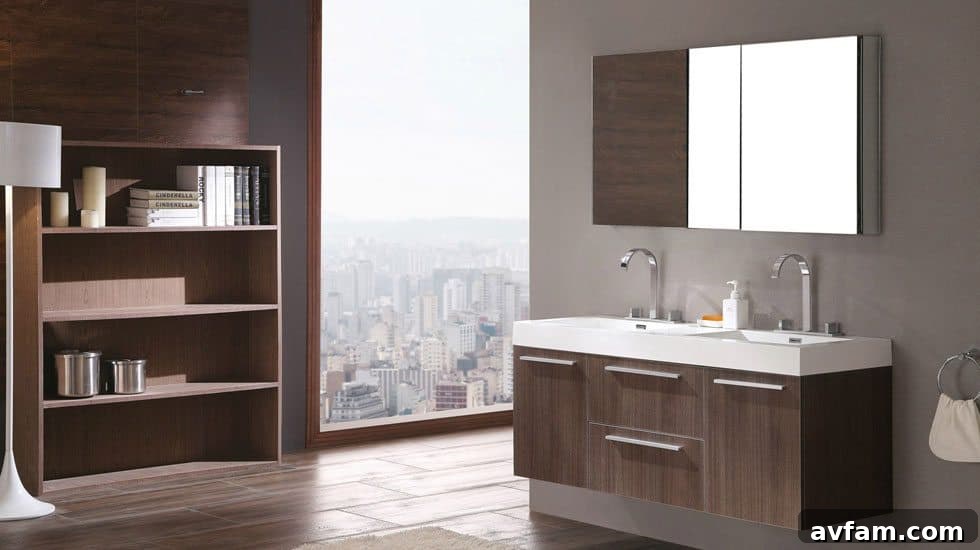
Transform Your Bathroom into an Eco-Friendly Oasis: A Comprehensive Guide to Sustainable Living
Embarking on a journey towards a more sustainable lifestyle doesn’t always require monumental shifts or overwhelming commitments. Sometimes, the most impactful changes begin in the most personal spaces. Your bathroom, often an overlooked area when it comes to environmental impact, presents a remarkable opportunity to embrace eco-friendly practices that benefit both your wallet and the planet. Transitioning to a green bathroom is an incredibly effective way to conserve resources, reduce waste, and minimize your carbon footprint, all without demanding significant time or effort. In fact, many steps towards creating an environmentally conscious bathroom can be accomplished quickly, often on a weekend, transforming your daily routine into a celebration of sustainability.
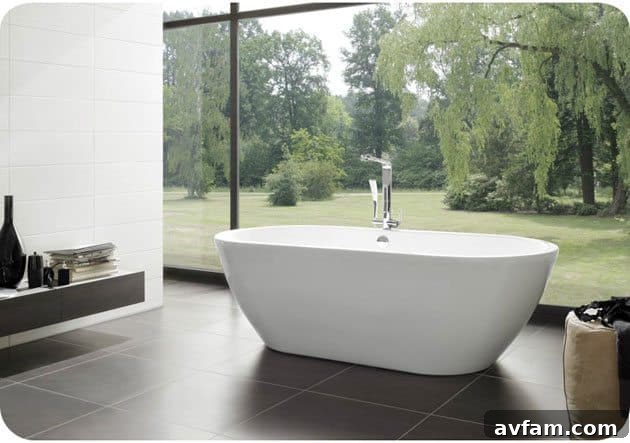
Nameeks Knief Form Bathtub
Embrace Water & Energy Efficiency: Upgrade Your Bathroom Fixtures
One of the most significant steps in creating an eco-friendly bathroom is upgrading your fixtures. Old, inefficient toilets, faucets, and shower heads are notorious for their excessive water consumption, leading to higher utility bills and unnecessary strain on local water resources. By swapping these water-guzzling components for modern, high-efficiency models, you not only contribute to planetary health but also unlock substantial annual savings on your water bill.
Smart Toilets for a Smarter Home
Consider replacing an outdated toilet, which can use up to 3.5 to 7 gallons per flush, with a WaterSense-certified model. These modern marvels use 1.28 gallons per flush or less, offering significant water savings without compromising performance. Dual-flush toilets provide an even more efficient option, allowing you to choose between a full flush for solids and a half flush for liquids, further optimizing water usage. The initial investment in a high-efficiency toilet pays for itself surprisingly quickly through reduced water consumption.
Faucets That Flow Responsibly
Your bathroom faucet is another prime candidate for an eco-friendly upgrade. Traditional faucets can flow at rates of 2.2 gallons per minute (GPM) or higher. By installing low-flow faucets or simply adding aerators to your existing ones, you can reduce water flow to 1.5 GPM or even less. Aerators mix air with water, maintaining sufficient pressure for handwashing and other tasks while drastically cutting down on water usage. This simple, inexpensive modification can save thousands of gallons of water annually, especially in a household with frequent handwashing.
Revolutionize Your Shower Experience with Low-Flow Shower Heads
Showering accounts for a significant portion of household water consumption, especially if you enjoy longer, hotter showers. Old shower heads can spray out 2.5 GPM or more. Upgrading to a WaterSense-labeled low-flow shower head can reduce this to 2.0 GPM or less, sometimes as low as 1.5 GPM, without sacrificing water pressure or your showering comfort. Modern low-flow designs often feature innovative spray patterns that deliver an invigorating experience while conserving water. Furthermore, using less hot water for showering also translates into energy savings, as your water heater doesn’t have to work as hard.
Illuminate with Energy-Efficient Lighting
Beyond water, optimizing energy consumption is crucial for a green bathroom. Switching from traditional incandescent bulbs to energy-efficient lighting options like LED (Light Emitting Diode) or compact fluorescent (CFL) bulbs can dramatically reduce electricity usage. LEDs, in particular, are incredibly energy-efficient, offer a long lifespan, and provide excellent light quality. They consume significantly less power and last many times longer than conventional bulbs, meaning fewer replacements and less waste. Consider adding occupancy sensors for lights to ensure they’re only on when the bathroom is in use, further enhancing energy efficiency.
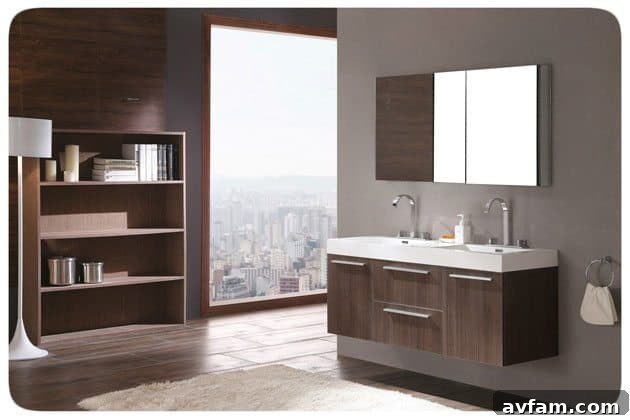
Fresca Opulento Grey Oak Modern Double Sink Bathroom Vanity
Integrate Sustainable Materials & Design Elements
As you improve the functionality of your bathroom, consider the materials you bring into the space. Opting for sustainable, non-toxic, and durable materials not only enhances the eco-friendliness of your bathroom but often improves its aesthetic appeal and longevity too.
Choose Organic Shower Curtains Over PVC
One easy swap is replacing your old PVC (polyvinyl chloride) shower liner with an organic, healthier alternative. PVC can off-gas harmful chemicals, contributing to indoor air pollution. Instead, choose shower curtains made from natural fibers like hemp, organic cotton, linen, or PEVA (polyethylene vinyl acetate), which is a non-chlorinated vinyl. These alternatives are not only attractive and soft to the touch but are often machine washable, naturally antimicrobial, and more durable, allowing them to outlive most conventionally manufactured options and keeping them out of landfills longer.
Sustainable Choices for Vanities and Finishes
When renovating or furnishing your bathroom, look for vanities, cabinets, and other furnishings made from sustainably sourced or recycled materials. Opt for wood certified by organizations like the Forest Stewardship Council (FSC), or consider options made from bamboo, reclaimed wood, or recycled glass. Beyond the materials themselves, pay attention to the finishes. Low-VOC (Volatile Organic Compound) or no-VOC paints and sealants significantly reduce the emission of harmful chemicals into your home’s air, creating a healthier environment for you and your family. Explore a range of stylish, eco-conscious bathroom vanities at trusted retailers like DecorPlanet.com to find options that blend seamlessly with your sustainable vision.
Embrace Conscious Cleaning Agents
Many conventional cleaning products are packed with harsh chemicals that can be detrimental to your health and the environment. These chemicals can irritate skin and airways, contribute to water pollution, and release toxic fumes. Thankfully, effective and natural alternatives are readily available.
The Power of Natural Ingredients
Re-evaluate how “clean” your cleaning agents truly are. Natural cleaners, often derived from simple pantry staples, have proven to be just as effective – if not more so – than their chemical-laden counterparts. Ingredients like distilled white vinegar, baking soda, lemon juice, lavender essential oil, and tea tree oil are powerhouse natural disinfectants, deodorizers, and stain removers. For instance, a solution of vinegar and water can effectively clean surfaces and remove mold, while baking soda is excellent for scrubbing grime and neutralizing odors. Tea tree oil is renowned for its natural antimicrobial properties, making it a fantastic addition to homemade cleaning sprays.
DIY or Certified Organic Options
You can easily make your own cleaning solutions with these ingredients, saving money and avoiding unnecessary plastic packaging. For example, a simple mixture of white vinegar and water (1:1 ratio) in a spray bottle can tackle most bathroom surfaces. A paste of baking soda and water can be used to scrub sinks, tubs, and tiles. If DIY isn’t your preference, numerous brands offer certified organic and natural cleaning products. When purchasing, look for certifications from reputable organizations to ensure the products meet strict environmental and health standards, avoiding greenwashing claims.
Opt for Green Personal Care Products
The quest for a green bathroom extends to your personal care routine. Many popular shampoos, soaps, toothpastes, and lotions contain known hormone disruptors, skin irritants, parabens, sulfates, and other questionable ingredients that can harm your health and impact aquatic ecosystems once washed down the drain.
Scrutinize Ingredients and Seek Trustworthy Sources
Choosing natural beauty products from trusted sources is crucial for keeping your body clean, healthy, and attractive without harmful side effects. Look for products with plant-based ingredients, essential oils, and minimal, transparent ingredient lists. Be wary of marketing claims like “natural” or “eco-friendly” without supporting evidence; these terms are often unregulated in the beauty industry. Instead, research brands, read labels carefully, and prioritize products with organically sourced ingredients you can pronounce. Look for third-party certifications like USDA Organic, Leaping Bunny (for cruelty-free), or EWG Verified to ensure products meet stringent health and environmental standards.
Beyond the Bottle: Reducing Waste in Personal Care
Further minimize your environmental footprint by embracing innovative personal care options. Consider solid shampoo and conditioner bars, which eliminate plastic bottles entirely. Bamboo toothbrushes offer a compostable alternative to plastic ones. Refillable dispensers for hand soap and lotions reduce packaging waste. Reusable cotton rounds or cloths can replace disposable wipes. Small changes in your daily routine, from brushing your teeth to showering, can collectively make a significant difference in reducing waste and exposure to harmful chemicals.
The Journey to a Greener Bathroom: A Continuous Process
Going green in the bathroom is not necessarily an all-or-nothing endeavor. It’s a progressive journey that can be undertaken all at once, perhaps during a renovation, or gradually by replacing items as needed with friendlier and more conscious products. The cumulative effect of these small, thoughtful decisions creates a healthier home environment and contributes positively to the planet.
There are a wealth of internet resources and reputable retailers that can help you find high-efficiency fixtures, organic accessories, natural cleaning products, and other eco-friendly items. Websites like DecorPlanet.com offer an extensive selection of bathroom vanities and other sustainable bathroom elements that can make the process of greening up your personal space both simple and immensely rewarding. By making informed choices, you can create a bathroom that is not only beautiful and functional but also a true sanctuary of sustainability.
Disclosure: This post is brought to you by DecorPlanet.com