

Moving into a shared living space involves much more than just splitting rent and utility bills. It’s about creating a home together, a vibrant and comfortable sanctuary where everyone feels valued and at ease. The exciting yet sometimes challenging journey of decorating shared areas like the kitchen, bathroom, and living room is a crucial aspect of this process. Whether you’re settling in with long-time friends or getting to know new housemates, establishing a decor strategy that fosters warmth and functionality without stepping on anyone’s toes is fundamental to ensuring a positive and enriching co-living experience.
This comprehensive guide will equip you with the essential tools to navigate decor conversations with diplomacy, creativity, and mutual respect. Our goal is to help you transform shared houses or apartments into beautifully designed and fair environments that truly reflect the diverse personalities residing within them.
Foster Harmony: Start with a Housemate Meeting
Before any furniture is moved or a single paint swatch is considered, the most vital first step is to bring everyone together for an open and honest housemate meeting. This initial gathering sets the foundation for all future decor decisions and is instrumental in preventing misunderstandings down the line. It’s an opportunity for each resident to articulate their vision for the shared spaces. Do you collectively lean towards a clean, minimalist aesthetic, or do bold colors, eclectic patterns, and quirky art pieces better capture the desired vibe? Discussing these preferences openly allows everyone to feel heard and included from the very beginning.
Even if individual styles don’t perfectly align, this foundational conversation is critical for setting expectations, identifying potential areas of compromise, and establishing a collaborative tone. By discussing shared goals and individual preferences upfront, you create a framework for collective decision-making, ensuring that the final decor scheme is a reflection of everyone’s input and contributes to a truly shared sense of home.
Define Boundaries: Establish Shared Spaces vs. Personal Zones
Clarity is key when living with others. In any shared home, some areas are inherently communal, intended for collective enjoyment and use, while others serve as private sanctuaries for individual residents. Clearly defining which spaces are open for collaborative decorating—such as the living room, dining area, and main bathroom—and which are strictly off-limits, like individual bedrooms or dedicated home office nooks, can significantly reduce potential tension and misunderstandings. This distinction also helps to foster respect for personal space and privacy within the shared dwelling.
Beyond personal preference, this clear demarcation is also incredibly practical when it comes to budgeting for decor. If one housemate dreams of investing in a large, statement piece of art for the living room, it’s essential to clarify whether this will be a group investment, with costs split amongst everyone, or a personal contribution from the enthusiastic individual. Establishing these boundaries early on simplifies financial discussions and ensures transparency in all decor-related expenditures, making the process smoother and more equitable for all.
Cooking & Connecting: Decorating the Kitchen with Functionality and Friendliness
As one of the most frequently used spaces in any shared home, the kitchen demands a perfect balance of practicality and aesthetic appeal. While functionality should always be paramount, there’s no reason why this bustling hub can’t also be a beautifully inviting and well-organized area where everyone enjoys spending time.
- Neutral Color Scheme: Opt for calming, versatile, and neutral colors for walls, kitchen linens, dishware, and basic appliances. Shades like soft grays, warm whites, or subtle beiges are universally appealing and less likely to clash with individual tastes. This approach creates a cohesive backdrop that feels clean, spacious, and allows for personalized accents to shine without overwhelming the space.
- Rotating Art or Accents: If housemates have diverse artistic preferences, consider a rotating display of small decorative items. This could include framed prints, unique magnets, or charming table centerpieces that can be swapped out every few months. This collaborative approach allows everyone to contribute their style periodically, keeping the kitchen decor fresh and dynamic.
- Shared Calendar or Message Board: A strategically placed chalkboard, whiteboard, or cork pinboard serves multiple purposes. It’s an excellent organizational tool for grocery lists, chores, and shared appointments, but it also adds a charming, lived-in touch. Housemates can leave notes, share recipes, or even draw doodles, making it a focal point for communication and connection.
- Embrace Greenery: Introduce small, low-maintenance herb plants on a windowsill or a lush pothos plant on a shelf. Plants not only bring a fresh, organic feel to the kitchen but also purify the air and can be incredibly useful for shared cooking endeavors, adding both beauty and practicality.
- Smart Storage Solutions: Implement clear and accessible storage solutions that cater to everyone. Designate specific shelves in the pantry, refrigerator, or cabinets for each housemate’s groceries. Universal storage containers, a shared spice rack, or a communal tea and coffee station can help maintain order and reduce clutter, making the kitchen a more pleasant space for all.
- Essential Supplies Checklist: Beyond decor, discussing who is responsible for communal kitchen supplies like dish soap, paper towels, and cleaning sprays can prevent awkward situations. A shared list or digital tracker ensures these items are always stocked and costs are distributed fairly.
The Heart of the Home: Living Room Vibes Blending Styles with Soft Touches
The living room is often the central gathering point in a shared home—a place for relaxation, entertainment, and bonding. It should radiate a welcoming ambiance that caters to everyone’s comfort and aesthetic preferences. Here’s how to diplomatically blend diverse styles to create a truly inviting communal space:
- Neutral Furniture as a Versatile Base: Invest in foundational pieces like the couch, coffee table, and area rug in neutral tones (gray, beige, cream, navy). These larger items are often the most expensive and longest-lasting, so choosing versatile colors ensures they won’t clash with evolving personal styles. This neutral canvas then allows for individual personalities to be layered in through smaller, easily interchangeable items.
- Collaborative Gallery Wall: Instead of one person’s art dominating the space, create a dynamic gallery wall featuring contributions from each housemate. Encourage everyone to submit a favorite piece—a photograph, a print, or even a small personal artwork. Using consistent frames or a cohesive color palette for the frames can tie diverse pieces together, creating a unified yet personalized display that celebrates everyone’s taste.
- Layered Lighting Variety: Implement a multi-layered lighting scheme to cater to different moods and activities. Mix soft ambient lamps for cozy evenings, functional task lighting for reading, and decorative string lights for a relaxed atmosphere, alongside essential overhead lighting. This allows individuals to adjust the lighting to their preference without drastically altering the entire room’s setup.
- Shared Bookshelf or Record Stand: A dedicated community shelf for books, records, board games, or puzzles can be a fantastic way to inject collective personality into the living room. It invites everyone to contribute their favorite reads or albums, fostering a sense of shared interests and providing entertainment options for group activities.
- Emphasize Comfort and Coziness: Ensure ample and varied seating options, such as a comfortable sofa, a few accent chairs, and even floor cushions. Introduce soft throws and decorative pillows in different textures and complementary colors. These elements enhance comfort and add a tactile richness to the room, making it feel more inviting and lived-in.
- Define Activity Zones: If the living room is large enough, consider subtly defining different activity zones. A reading nook with a comfortable chair and lamp, an entertainment area centered around a TV, or a casual conversation corner can allow multiple activities to happen simultaneously without feeling cramped, enhancing the room’s overall functionality.
Refreshing and Fair: Keeping the Bathroom Stylish and Organized
The bathroom, by nature, is a highly functional space, but when shared, it can quickly become cluttered. Smart decor choices are essential for maintaining organization, hygiene, and a pleasant ambiance for everyone. The key is to balance individual needs with a cohesive, clean aesthetic.
- Matching Towels with Individual Colors: Agree on a consistent style or brand of towels, but let each person choose their own distinct color. This maintains a unified look within the bathroom while making it incredibly easy to identify whose towel is whose, promoting better hygiene and organization.
- Personal Storage Baskets or Caddies: Allocate an individual storage basket or shower caddy for each roommate. These can be placed under the sink, on a designated shelf, or easily transported to and from individual bedrooms. This system keeps personal toiletries tidy and contained, significantly reducing countertop clutter and simplifying cleaning routines.
- Fun, Easily Swappable Decor: Opt for small, cheerful, and inexpensive decor items that can be updated without a major redesign. This could include a stylish shower curtain, a set of decorative soap dispensers, small framed prints, or a unique bath mat. Such items allow for periodic refreshes, preventing the space from feeling stale and allowing for seasonal or thematic updates.
- Strategic Scent Management: Agree on a shared strategy for keeping the bathroom smelling fresh and pleasant. Options include an essential oil diffuser, a subtle reed diffuser, a well-ventilated candle, or a light air freshener. Be mindful of potential allergies or sensitivities among housemates when choosing scents, aiming for universally appealing, gentle fragrances.
- Visible Cleaning Schedule: While not strictly decor, a simple, stylish cleaning schedule displayed on the back of the door or on a small whiteboard can serve as a subtle reminder and keep everyone accountable. This helps maintain the aesthetic by ensuring the space remains tidy and hygienic.
- Individual Hygiene Stations: Encourage each housemate to keep their personal hygiene products (toothbrushes, toothpaste, skincare) organized within their designated caddy or storage area. Providing a small, stylish tray or container for shared items like hand soap or lotion can still maintain a clean look.
The Practical Side: Budgeting for Decor – Group or Solo?
Money matters can often be a sensitive topic, so approaching decor budgeting with transparency and clarity is paramount. For items that genuinely enhance the shared experience and benefit everyone equally—such as a new living room rug, a dining table, or a shared kitchen appliance—it makes sense to split the cost proportionally among all housemates. This ensures fairness and collective ownership.
Conversely, for more specific, personal, or temporary items—like holiday decorations, a niche art piece that only one person loves, or a particular type of throw pillow—the individual who desires them most might take the lead on purchasing. A practical solution many shared homes adopt is to create a small, recurring “house fund.” Even a modest contribution of a few dollars from each housemate every month can accumulate into a fund dedicated to low-pressure updates, communal supplies, or even a fun decor splurge that everyone agrees upon. Tools like shared spreadsheets or cost-splitting apps can help track contributions and expenditures transparently, fostering trust and avoiding financial disputes related to shared home decor.
Embrace Simplicity: When in Doubt, Keep It Minimal
Sometimes, the most effective strategy for navigating potential decor disagreements or simply creating a universally appealing shared space is to embrace simplicity. Opting for a clean, comfortable, and minimalist aesthetic provides a neutral canvas that can be easily personalized without overwhelming any single housemate’s style. Starting with a less-is-more approach allows the space to breathe and prevents it from feeling cluttered or visually chaotic from the outset.
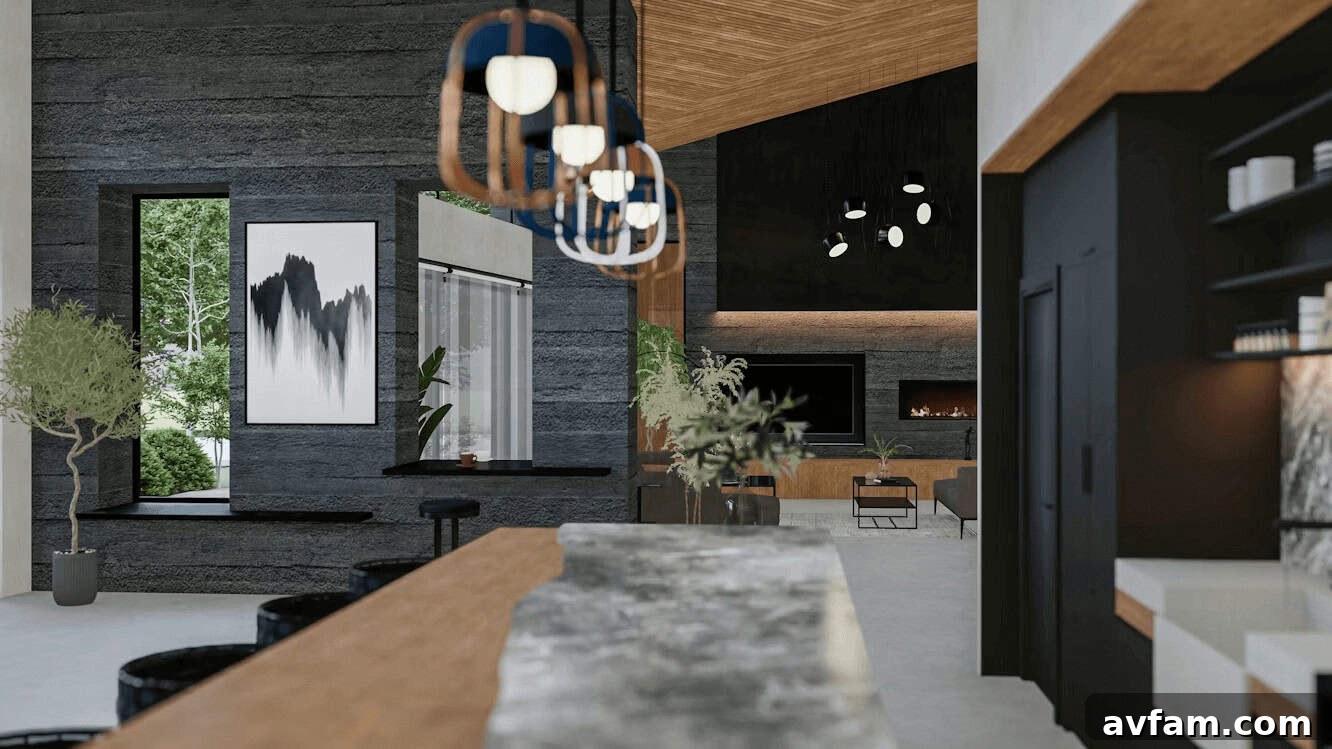
When selecting items, prioritize durability, easy maintenance, and timeless design. Steer clear of overly bold or polarizing statement pieces unless there’s enthusiastic unanimous agreement from everyone. Most importantly, always ensure there’s ample room for personal touches—small, individual items that each housemate can bring to subtly reflect their personality and contribute to the overall unique vibe of the household. A minimalist foundation makes it easier to integrate these individual elements harmoniously, creating a shared home that feels cohesive yet distinctly personal.
Shared Spaces Can Be Beautiful: A Journey of Connection
Decorating a shared home is undeniably a delicate balancing act, a creative endeavor that requires patience, empathy, and open communication. However, when approached with a spirit of collaboration and mutual understanding, it transforms into a deeply rewarding and bonding experience. Beyond the aesthetic appeal, the true success of shared home decor lies in how it enhances the daily living experience for everyone—fostering a sense of belonging, comfort, and shared ownership. It’s about creating an atmosphere where every housemate feels genuinely at home and genuinely happy.
If you’re currently in the exciting process of finding the ideal housemates to embark on this journey with, platforms like SpareRoom can be invaluable. Explore options such as roommate search in Miami and other cities available on their site. These resources connect you with individuals who are also seeking to share a space, significantly increasing your chances of finding compatible housemates who align not only with your budget but also your lifestyle, values, and even your decorating sensibilities.
Final Thoughts: Crafting Your Harmonious Home
You don’t need identical tastes in decor to create a home that functions beautifully and feels wonderfully inviting for every resident. With a foundation of clear communication, a dash of creativity, and a willingness to compromise, it is entirely possible to transform a shared house or apartment into a warm, stylish, and harmonious haven. Remember, the most thoughtfully decorated shared spaces are ultimately those where everyone feels a profound sense of peace, comfort, and belonging. It’s about building a home, together.