

Moving to a new home is undeniably one of life’s most significant transitions, a journey many households embark on each year. Data from the U.S. Census Bureau indicates that a substantial 11.8% of Americans changed residences in 2024 alone. While a large portion of these moves occur within the same local area, the misconception that a local move is inherently simple often leads to underestimation of the intricate coordination required. The emotional toll, logistical complexities, and sheer volume of decisions can quickly transform an anticipated fresh start into a whirlwind of stress.
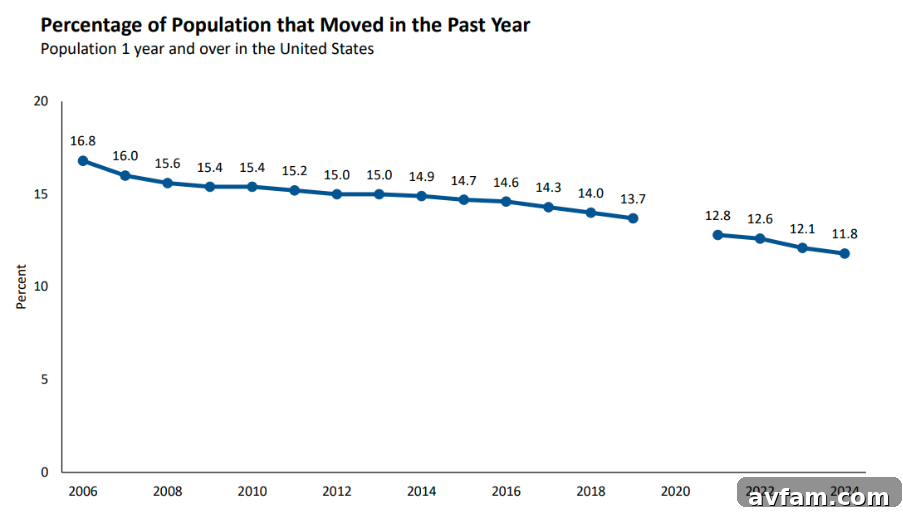
[Source: US Census Bureau]
From the outside, a local home transition might appear straightforward. However, once you’re immersed in the process, it reveals itself as a complex chain of small, interconnected decisions. Each choice, no matter how minor, has the potential to contribute to a sense of chaos on moving day. This is precisely why investing in reputable local moving services often proves to be a wise decision. Professional movers possess the experience and expertise to navigate these complexities, transforming what could be a frantic experience into a smooth, organized transition.
Industry professionals understand that the foundation of a stress-free move is built upon meticulous planning and a strategic setup designed to facilitate a rapid and comfortable settlement into your new residence. Let’s delve into the essential components that contribute to achieving this seamless experience.
Lay the Foundation: Start with a Comprehensive Plan
Every successful move begins with a clear, well-defined plan. Before you even lift a box, ask yourself a crucial question: Do you prioritize the fastest possible home transition, or a meticulously clean and organized handoff between your old and new homes? Your answer to this fundamental question will dictate every subsequent decision, from the creation of your moving timeline to the strategic order in which you pack your belongings.
Developing Your Moving Timeline
A detailed timeline is your roadmap. Begin by establishing a firm packing start date and your ultimate move date. Work backward from the move date, assigning specific, manageable tasks for each week leading up to the big day. This approach prevents last-minute scrambling and allows for a more methodical progression. Consider key milestones such as booking movers, ordering packing supplies, decluttering, notifying utilities, and preparing change-of-address forms. Breaking down the immense task of moving into smaller, actionable steps makes the entire process feel less daunting and significantly more achievable.
Understanding Your Motivations for Moving
Moving is rarely a whimsical decision; it’s often driven by practical housing needs and aspirations. In 2022, 41.6% of movers cited housing-related reasons for their relocation. This includes the need for more living space, a better home layout, a desire for a different neighborhood with improved amenities or school districts, or simply a home that better aligns with their current lifestyle and future goals. Keeping this bigger objective in focus throughout the moving process can provide motivation and clarity, especially when the day-to-day logistics begin to feel overwhelming or messy. Your plan acts as a constant reminder of the positive outcome you are working towards.

[Source: US Census Bureau]
Streamline Your Belongings: Declutter Before You Pack
One of the most pervasive and easily avoidable moving mistakes is packing items you no longer use or need. While it might seem easier in the moment to simply box everything up, this only postpones the inevitable decision-making process to your new home. There, you’ll likely have less patience, less immediate space, and a desire to settle in quickly, making the task of sifting through unwanted items far more arduous.
A Ruthless Approach to Unnecessary Items
Adopt a methodical, room-by-room approach to decluttering. Be honest and ruthless in evaluating each item. Look for duplicates of kitchen gadgets or tools, broken or irreparable items, expired food products and medications, old paperwork that can be digitized or shredded, and anything that has sat untouched for a year or more. A good rule of thumb: if you haven’t used it, worn it, or thought about it in the last 12 months, it’s probably time to let it go. Consider a “four-box method”: Keep, Donate/Sell, Recycle, Toss. Fewer boxes to pack translates directly to less time spent unpacking, a more organized new home, and ultimately, a cleaner, fresher start.
The Benefits Beyond the Move
Decluttering isn’t just about making the move easier; it’s an opportunity to re-evaluate your possessions and lifestyle. By shedding excess baggage, you create physical and mental space. You’ll not only save on packing materials and potentially moving costs, but you’ll also enter your new home with a renewed sense of purpose and a clearer vision for how you want your new space to function. This proactive step can significantly reduce post-move stress and aid in creating a truly intentional living environment.
Systemize Your Packing: Build a Room-by-Room Strategy
Packing transforms from a chaotic chore into a manageable sequence when approached systematically. Develop a logical order for packing, starting with the least-used rooms in your home, such as guest bedrooms, formal dining rooms, or storage areas. Progress to seasonal items like holiday decorations or out-of-season clothing, then tackle decorative pieces, and finally, your daily essentials. This phased approach allows you to gradually empty your home without disrupting your daily routine too much.
Labeling for Success
The cardinal rule of efficient packing is thorough labeling. Every single box should be clearly marked with both the room it belongs in at your new residence and a concise list of its contents. This simple act will be a lifesaver during unpacking. Imagine knowing exactly which box contains your coffee maker or your children’s pajamas without having to open multiple boxes. Consider adding a priority level (e.g., “Open First,” “Later”) to critical boxes.
Strategic Kitchen Packing
The kitchen, being one of the most frequently used spaces, should generally not be your first packing target, unless you genuinely rarely cook. To maintain functionality until the last possible moment, designate a small “kitchen essentials” box. This should contain one pan, one pot, a few plates, basic eating utensils, dish soap, paper towels, and your coffee setup. These items will see you through the final day or two in your old home and the initial setup in your new one, ensuring you don’t resort to excessive takeout.
Leveraging Color-Coding for Seamless Unloading
For an extra layer of organization, implement a color-coding system. Assign a distinct color to each room in your new home. You can use colored tape, stickers, or even different colored markers. Apply the corresponding color to all boxes destined for that room. Upon arrival at your new place, place matching colored signs or labels on the doors of each room. This visual cue empowers movers or helpers to place boxes exactly where they belong, eliminating the need for you to constantly direct traffic and freeing you up to focus on other critical tasks. This strategy significantly reduces confusion and speeds up the unloading process.
Choosing the Right Packing Materials
Beyond labeling, the quality and type of packing materials are crucial. Invest in sturdy moving boxes of various sizes, specialized boxes for dishes and clothing, bubble wrap, packing paper, and strong packing tape. Ensure fragile items are individually wrapped and cushioned, and fill any empty spaces in boxes to prevent shifting during transit. Proper packing protects your belongings and provides peace of mind.
Safeguard Your Essentials: Protect Documents, Valuables, and First-Night Needs
Not everything should be entrusted to the moving truck. There are certain items that demand personal transport and immediate accessibility. Create a dedicated “essentials” bag or lockbox that you personally keep with you throughout the move.
The Personal Essentials Bag
This critical bag should contain all your most important personal and financial documents: passports, birth certificates, social security cards, current leases or property deeds, financial records, insurance policies, and contact lists. Also include essential medications for all family members, phone chargers, house and car keys, laptops, valuable jewelry, and any deeply sentimental items that would be irreplaceable if lost or damaged. Keeping these items securely with you mitigates the risk of loss, damage, or theft and ensures immediate access when needed.
The “Open First” Kit for Immediate Comfort
Plan for the initial 24 to 48 hours in your new residence by preparing a separate “open first” kit. This box or bag should contain everything you’ll need before you start digging into the hundreds of other boxes. Include toiletries for everyone, a change of clothes for each family member (and pajamas!), basic cleaning supplies (paper towels, all-purpose cleaner, sponges), pet food and supplies (bowls, leash, toys), a roll of toilet paper for each bathroom, non-perishable snacks and bottled water, a flashlight, and a small collection of basic tools. A box cutter, screwdriver, measuring tape, and an extra phone charger will prove invaluable for unpacking and minor adjustments. Having these items readily available will make your first nights in the new home far more comfortable and less stressful.
Documenting Valuables for Peace of Mind
A frequently overlooked but vital step is documenting your valuable items and electronics before they are packed. Take clear photos or videos of these possessions, particularly any high-value, antique, or fragile items, noting their condition. For electronics, photograph serial numbers. This brief investment of time can be incredibly beneficial in the unlikely event of damage or loss during transit, simplifying insurance claims and providing concrete evidence of your belongings’ prior condition. Store these photos and videos in a secure, easily accessible cloud storage solution or external drive.
Ensure a Smooth Transition: Vet Your Moving Help Early
The success of your moving day heavily relies on the competence and reliability of your chosen moving crew. A professional, experienced team of professional movers can prevent damage to your belongings, protect your property, and ensure the entire day remains on schedule. However, diligence is key when selecting a moving company.
Choosing a Reputable Moving Company
Begin your search by gathering multiple quotes from different companies. Compare not just prices, but also services offered, insurance coverage, and customer reviews. Always verify their credentials, especially if you are undertaking an interstate move, which requires federal licensing. The Federal Motor Carrier Safety Administration (FMCSA) oversees interstate movers, and their website is a valuable resource for checking a company’s registration and safety record. Look for movers with a strong track record of positive customer feedback and transparent pricing.
Understanding the Risks and Red Flags
Unfortunately, the moving industry can attract less reputable operators. A 2024 report to Congress by the FMCSA highlighted this issue, stating that in 2023, the agency closed 544 complaints, identified 166 violations, and issued 17 Letters of Probable Violation in investigations related to household goods brokers. These statistics serve as a stark reminder: it is absolutely crucial to meticulously check a company’s details and legitimacy before booking their services, rather than waiting until an issue arises. Beware of unusually low quotes, requests for large upfront cash deposits, movers who lack proper identification, or companies that provide vague contract details. Always get everything in writing.

Insurance and Valuation Options
Discuss insurance and valuation options thoroughly with your chosen mover. Standard “released value” protection is typically included but offers minimal coverage based on weight, not actual value. Consider purchasing “full value protection,” which holds the mover liable for the replacement value of lost or damaged items. Understanding these options upfront is vital for protecting your belongings.
Prepare for Departure: Prep the Old Home Before Move-Out Day
An organized home transition isn’t solely about efficient packing; it also involves leaving your old residence in a condition that facilitates a smooth final handoff. This is particularly important for renters hoping to retrieve security deposits or for sellers aiming to leave a positive impression on new owners.
Essential Pre-Move-Out Tasks
Schedule a thorough cleaning of the entire home for after your belongings have been moved out. For minor wall damage from hanging pictures, patch and touch up paint where necessary. Ensure all trash is emptied and removed from the property. Defrost and clean the refrigerator and freezer a day or two before the move to prevent leaks and odors. Set aside any fixtures, appliances, or specific items that are contractually required to remain with the property, clearly demarcating them for movers if necessary.
The Impact of Presentation for Sellers
If you are selling your home, presentation is paramount. According to a National Association of Realtors (NAR) report, 49% of sellers’ agents indicated that home staging significantly reduces the time a property spends on the market. Even if you’re not undertaking full professional staging, ensure that all surfaces are clean, rooms are well-defined, and the space feels inviting. This allows prospective buyers or the next residents to properly visualize the space and minimizes any lingering negative impressions.
Utility Management
Don’t forget to schedule utility shutoff dates for your old home and activation dates for your new one. This includes electricity, gas, water, internet, and cable services. Confirm these dates well in advance to avoid being without essential services or paying for utilities at an unoccupied property.
The Grand Finale: Final Checklist for Moving Week
As moving week approaches, a comprehensive checklist becomes your best friend. Use this guide to maintain control during the final, often hectic, stretch:
- Confirm Moving Logistics: Double-check the exact moving date, the agreed-upon arrival window for your movers, and all payment details. Confirm any special instructions for accessing either property.
- Complete Non-Essential Packing: Finish packing any remaining non-essential items, ensuring every box is taped securely and ready for transport.
- Secure Personal Documents and Valuables: Ensure your personal essentials bag, containing passports, financial records, medications, and jewelry, is packed and set aside for personal transport.
- Pack Your “First-Night” Essentials Bag: Confirm your “open first” kit for your new home is complete and easily accessible, containing toiletries, a change of clothes, basic tools, and snacks.
- Label Every Box Clearly: Re-verify that every single box is clearly labeled with its destination room and a concise list of its contents. Use your color-coding system if applicable.
- Photograph High-Value Items: Take final photos or videos of fragile, antique, or high-value items, documenting their condition before they are moved.
- Prepare Appliances: Empty, thoroughly clean, and unplug major appliances like refrigerators, freezers, washing machines, and dryers. Disconnect hoses and secure doors.
- Reserve Access Points: If you live in an apartment building or a busy area, reserve elevators, loading docks, or designated parking zones for the moving truck as required by your building management.
- Manage Utilities: Confirm the scheduled shutoff dates for utilities at your old residence and the activation dates for your new home.
- Update Your Address: Notify the post office of your change of address and update your information with banks, subscription services, and other important contacts.
- Arrange for Pets and Children: Plan for pets and young children to be cared for off-site on moving day to ensure their safety and reduce stress.
- Conduct a Final Walkthrough: Before officially locking up your old home, perform a thorough final walkthrough of every room and closet to ensure nothing has been left behind.
A truly well-organized home transition isn’t a stroke of luck; it’s the direct result of proactive planning and making informed decisions well in advance. By starting early, thoughtfully decluttering what you no longer need, labeling everything with precision, and meticulously protecting your most valuable items and documents, you transform a potentially stressful ordeal into a smooth, efficient process. The smoother the system you implement, the easier it becomes to turn the challenge of moving into a refreshing and clean start in your new home.