
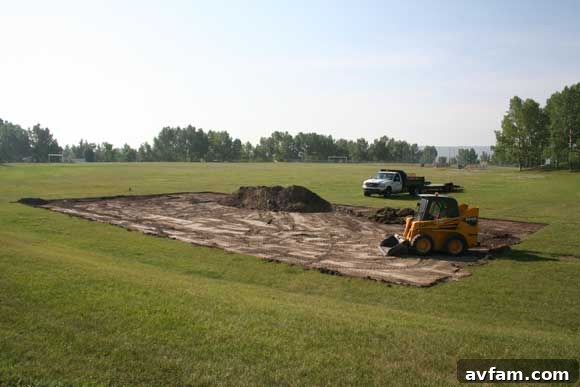
For decades, a common practice in land development has involved the large-scale removal and commercialization of topsoil. This precious layer, typically spanning the uppermost 8-12 inches of a property, is a highly valuable commodity, rich in essential minerals and nutrients accumulated over countless years through the decomposition of plant and animal matter. Developers have found it to be another profitable asset, often selling it to various buyers, including sod farms, nurseries, and large-scale landscaping companies. While this practice generates immediate revenue, it raises significant questions about environmental stewardship, long-term soil health, and the ultimate impact on homeowners and local ecosystems.
The importance of nutrient-rich topsoil cannot be overstated, especially when it comes to cultivating a vibrant lawn or a thriving home garden. This vital layer is the foundation of terrestrial life, teeming with microorganisms, organic matter, and the intricate web of nutrients that plants require to flourish. If you find yourself constantly battling to maintain a lush lawn or a productive garden, despite your best efforts in watering and fertilizing, the underlying issue might very well be a severe deficiency or complete absence of topsoil. Planting directly into inert subsoil or degraded fill dirt creates an uphill battle for any vegetation, leading to wasted resources and endless frustration.
Understanding the Value of Topsoil: More Than Just Dirt
Topsoil, scientifically known as the A-horizon, is the uppermost layer of soil, characterized by its dark color, crumbly texture, and high concentration of organic matter. It is a living ecosystem in itself, teeming with beneficial bacteria, fungi, earthworms, and other microorganisms that are crucial for nutrient cycling and soil aeration. This intricate biological activity transforms raw minerals and decaying organic material into forms that plants can readily absorb. Beyond its biological richness, topsoil possesses superior water retention capabilities compared to subsoil, allowing it to hold moisture and release it gradually to plant roots, significantly reducing the need for excessive irrigation. Its excellent drainage properties also prevent waterlogging, fostering healthy root development and preventing disease. In essence, topsoil is the engine of plant growth, directly influencing everything from germination rates to fruit yield and overall plant vigor.
From a broader ecological perspective, healthy topsoil plays a critical role in carbon sequestration, effectively locking away atmospheric carbon dioxide and mitigating climate change. It acts as a natural filter, purifying water as it percolates through the ground, and supports a diverse range of biodiversity, from microscopic life to larger soil-dwelling organisms that form the base of many food webs. The integrity of topsoil is therefore not just a horticultural concern but a fundamental environmental one, impacting air quality, water cycles, and the stability of ecosystems.
Developers’ Perspective: Monetization vs. Sustainable Practices
From a developer’s standpoint, the removal of topsoil serves multiple purposes beyond mere monetization. Building foundations, particularly for large residential or commercial structures, requires a stable and unyielding base. Topsoil, with its compressible nature and high organic content, is generally not considered an ideal substrate for structural foundations. Builders typically aim to pour foundations into a solid, undisturbed clay or subsoil layer to ensure long-term stability and prevent settling issues. Therefore, the initial clearing and grading of a property often involves the stripping away of this superficial, organic-rich layer to reach the more stable ground beneath.
However, the crucial distinction lies in what happens next. While the removal of topsoil for foundational stability is often a necessary step, its subsequent sale and permanent removal from the site represent a missed opportunity for sustainable land management. Instead of being viewed solely as a commodity to be sold, topsoil could be responsibly managed. The immediate financial gain from selling topsoil can be significant for developers, helping to offset project costs and improve profit margins. This economic incentive, coupled with a lack of stringent regulations or a clear mandate for on-site reuse, often drives the decision to cart it away, rather than stockpile and redistribute it. This short-term gain, however, often leads to long-term environmental and aesthetic liabilities for the eventual homeowners.
The Detrimental Impact on Homeowners and the Environment
The widespread practice of selling and removing topsoil has profound negative consequences, particularly for homeowners and the environment. When topsoil is stripped away, properties are left with a nutrient-poor subsoil or compacted fill dirt. This impoverished base makes it incredibly difficult to establish and maintain healthy lawns, gardens, and landscaping. Homeowners often face a relentless struggle against patchy grass, stunted plants, and gardens that refuse to thrive, despite investing heavily in seeds, plants, and care products.
This struggle often leads to a cycle of unsustainable practices: homeowners resort to excessive use of chemical fertilizers, pesticides, and prodigious amounts of water in an attempt to coax life out of barren ground. Such practices are not only costly and inefficient but also environmentally damaging. Over-fertilization can lead to nutrient runoff, polluting local waterways and harming aquatic ecosystems. Excessive watering depletes precious freshwater resources, especially in drought-prone regions. Furthermore, the constant application of chemicals can degrade the remaining soil structure, kill off beneficial microorganisms, and contribute to land degradation, turning what should be a vibrant green space into a chemical-dependent, ecological burden. In essence, we are “burning the land” with unsustainable inputs, all because the vital foundation of healthy soil was removed at the outset.
The long-term economic burden on homeowners is also considerable. Having to continuously purchase and apply fertilizers, replace struggling plants, and potentially even buy and spread new topsoil to amend their degraded yards represents a significant ongoing expense. Moreover, the aesthetic appeal and overall property value can be negatively impacted by perpetually struggling landscapes, diminishing the enjoyment and investment potential of a home.
Responsible Land Management: A Better Way Forward
The ideal approach to lawn and garden establishment, even after necessary excavation, involves a commitment to responsible soil management. While it’s true that structural foundations require the removal of topsoil, this doesn’t necessitate its permanent removal from the site. A more sustainable practice involves carefully stockpiling the removed topsoil on-site during the construction phase. Once the home is built and major construction is complete, this nutrient-rich topsoil can then be redistributed across the property for landscaping purposes. This simple act ensures that the property retains its natural fertility, providing an optimal base for lawns, gardens, and planted areas to thrive without the need for excessive external inputs.
Developers who adopt this approach not only contribute to environmental sustainability but also enhance the long-term value and appeal of the homes they build. Properties with healthy, established landscapes are more attractive to potential buyers and require less maintenance for homeowners. This responsible practice benefits all parties involved: the environment, the developer’s reputation, and most importantly, the homeowner who inherits a piece of land ready to flourish.
What Homeowners Can Do: Inquire and Improve
For prospective homeowners, awareness and inquiry are crucial. Before purchasing a home from a developer, it is imperative to ask specific questions about the fate of the topsoil. Inquire whether the topsoil was salvaged and redistributed, or if it was sold off. This question can provide valuable insight into the developer’s commitment to sustainable practices and the potential challenges you might face with your new landscape. An informed decision at the purchasing stage can save significant time, money, and effort down the line.
If you already own a home where topsoil removal is suspected or confirmed, there are proactive steps you can take to rejuvenate your soil. First, consider having your soil professionally tested. A soil test will reveal crucial information about its pH levels, nutrient deficiencies, and organic matter content. This data is invaluable for developing a targeted plan for soil improvement. Based on the test results, you can then begin to amend your soil. Incorporating generous amounts of organic matter – such as compost, well-rotted manure, or leaf mold – is one of the most effective ways to rebuild soil health. Organic matter improves soil structure, enhances water retention, provides essential nutrients, and encourages beneficial microbial activity. Over time, consistent application of organic amendments can transform barren subsoil into a more fertile and productive growing medium.
Additionally, thoughtful planting choices can make a difference. Selecting native plants that are well-adapted to your local climate and existing soil conditions can reduce the need for intensive care and external inputs. Implementing proper watering techniques, such as deep and infrequent irrigation, encourages deeper root growth and conserves water. Regularly checking the pH levels of your soil will help you maintain an optimal environment for your plants, as nutrient availability is highly dependent on pH. By taking these proactive steps, homeowners can gradually restore vitality to their landscapes, transforming struggling yards into vibrant, sustainable green spaces.
The Broader Picture: Ethics, Sustainability, and Community Impact
The practice of topsoil removal extends beyond individual property lines; it touches upon broader ethical and sustainability considerations. Are we, as a society, prioritizing short-term financial gains over the long-term health of our land and environment? Sustainable development principles emphasize meeting the needs of the present without compromising the ability of future generations to meet their own needs. The indiscriminate removal of topsoil, a non-renewable resource on human timescales, often contradicts these principles.
As communities expand and new developments emerge, the collective impact of these practices accumulates. Degraded landscapes contribute to urban heat island effects, reduce local biodiversity, and can exacerbate issues like stormwater runoff and erosion. Encouraging responsible topsoil management through local ordinances, developer incentives, and increased public awareness can foster a more holistic approach to land development. It’s about recognizing the inherent value of our natural resources and making choices that reflect a commitment to environmental stewardship and a higher quality of life for all residents.
Conclusion: Reclaiming Our Soil, Rebuilding Our Future
The widespread practice of scraping topsoil from properties for commercial sale represents a significant challenge to sustainable land development and homeowner success. While necessary for structural stability, the complete removal of this vital layer leads to environmental degradation, wasted resources, and endless frustration for those attempting to cultivate healthy landscapes. Nutrient-rich topsoil is the lifeblood of our lawns and gardens, offering the essential elements for growth, water retention, and a thriving microbial ecosystem.
It’s time for a shift in perspective, moving from a view of topsoil as a disposable commodity to recognizing it as an invaluable asset to be preserved and utilized on-site. By asking developers critical questions, understanding our soil’s needs, and actively working to enrich our landscapes with organic matter, we can collectively push for more responsible practices. Is your lawn or garden suffering because of this overlooked issue? Let us rethink our approach to land development, prioritize long-term ecological health, and empower ourselves to cultivate greener, more sustainable futures, one garden and one home at a time.