
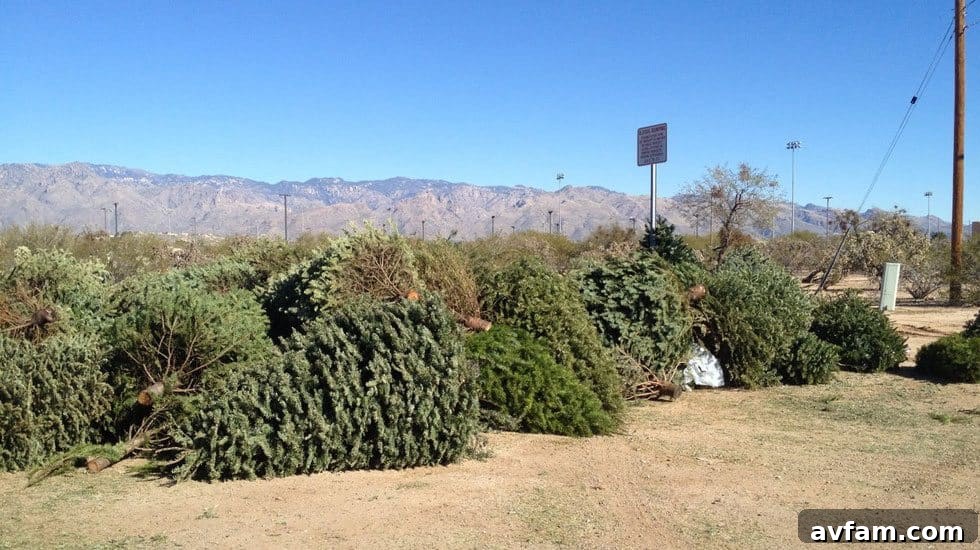
The Green Farewell: How to Responsibly Recycle Your Christmas Tree
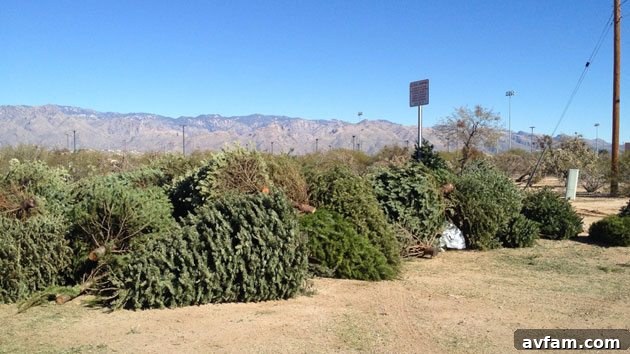
As the festive glow of the holiday season fades, your beautifully decorated Christmas tree, once the vibrant centerpiece of celebration, can quickly become a significant fire hazard and a source of incessant needle drops. Rather than simply discarding it, embracing responsible Christmas tree recycling, often known as “treecycling,” offers an environmentally conscious way to give your tree a renewed purpose long after the last carol has been sung. This guide will walk you through the essential steps and benefits of ensuring your post-holiday clean-up is as green as your tree once was.
Why Responsible Christmas Tree Disposal Matters
The inclination might be to simply toss your tree in the trash, but this seemingly simple solution carries several hidden dangers and environmental drawbacks. Most communities have explicit regulations prohibiting the disposal of cut trees and yard waste in landfills, and for good reason.
Mitigating Fire Hazards
The most immediate and critical reason to properly dispose of your Christmas tree is fire safety. A dry Christmas tree is incredibly flammable, turning into kindling within weeks of being cut. As moisture content decreases, the needles become brittle and highly combustible. Should a stray spark from a fireplace, an electrical malfunction, or even a forgotten candle come into contact with a desiccated tree, it can ignite in a matter of seconds, leading to a rapidly spreading and devastating house fire. Proper treecycling removes this significant risk from your home and neighborhood, contributing to community safety.
Protecting Our Environment from Landfill Waste
Beyond fire safety, the environmental implications of landfilling Christmas trees are substantial. When organic materials like trees decompose in oxygen-deprived landfill environments, they release methane gas, a potent greenhouse gas that contributes significantly to climate change – far more than carbon dioxide over a shorter timescale. Disposing of trees in landfills also consumes valuable space that could be used for non-recyclable waste. By opting for treecycling, you prevent these trees from contributing to landfill bulk and methane emissions, instead redirecting them towards beneficial reuse.
Reducing Household Mess
Anyone who has kept a Christmas tree up too long knows the persistent battle against falling needles. A dry tree sheds needles profusely, creating a constant mess that seems to multiply daily. Recycling your tree promptly after the holidays not only addresses the safety concerns but also saves you from endless vacuuming and sweeping, allowing for a cleaner and more organized transition out of the holiday season.
Your Step-by-Step Guide to Treecycling
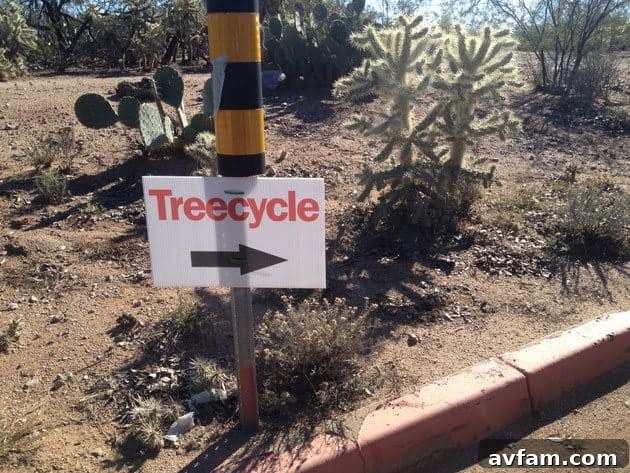
Participating in a treecycling program is straightforward, but it requires a few important preparatory steps to ensure your tree can be processed efficiently and safely.
Step 1: Undress Your Tree Completely
Before your tree can embark on its journey to a new life, it must be completely bare. This step is crucial for the safety and efficiency of the recycling process. Imagine a wood chipper attempting to process metal hooks or strands of tinsel; it’s a recipe for damage to machinery and potential hazards for workers. Take your time to thoroughly remove every single item:
- All Ornaments: Carefully remove every bauble, figurine, and decorative item. Double-check for any small or hidden ornaments.
- Lights: Unwind and remove all strands of Christmas lights. These are typically not recyclable through treecycling programs and should be disposed of or recycled separately according to local electronic waste guidelines.
- Tinsel: Tinsel, in particular, is a common culprit for causing issues in chipping machines. Its metallic strands can wrap around blades, leading to costly damage and operational delays. Be meticulous in removing all tinsel.
- Hooks and Wires: Ensure all ornament hooks, floral wires, or any other metallic fasteners are completely removed. Even small pieces can pose a threat to equipment.
- Tree Stand: Remove the tree stand, whether it’s plastic, metal, or a wooden block. These components are not part of the treecycling process and should be reused or disposed of appropriately.
- Tree Skirt and Bags: Remove any tree skirts or plastic bags used for transport. The tree should be free of all foreign objects.
The goal is to present a clean, naked tree to the recycling center, ensuring that the only material being processed is organic wood and needles.
Step 2: Locate Your Local Treecycling Program
Once your tree is fully undressed, the next step is to find out where and how to recycle it in your area. Most communities offer convenient options, but it’s essential to check local guidelines as programs can vary widely.
- Contact Your Local Waste Management Company: Many private or municipal waste management companies offer specific Christmas tree collection services. This might include special curbside pickup dates, where you place your tree out on a designated day, or designated drop-off locations.
- Visit Local Recycling Centers: Many recycling centers operate a separate “treecycle” area specifically for discarded Christmas trees during the post-holiday period. These centers are often equipped to handle large volumes of trees.
- Check City/County Websites: Your local government’s official website (city or county) is an excellent resource. Look for sections on “Waste & Recycling,” “Holiday Services,” or “Public Works.” They typically publish detailed information about dates, locations, and preparation requirements for tree recycling.
- Community Drop-off Events: Some communities organize special “chipping days” or collection events at parks, community centers, or temporary sites where residents can bring their trees to be chipped on the spot or collected for processing. These events often highlight the end-use of the mulch.
- Local Nurseries or Garden Centers: Occasionally, local nurseries or garden centers may participate in tree recycling programs, sometimes offering incentives or discounts for future purchases.
It’s always best to make this inquiry well in advance, even before the holidays begin, so you can plan your tree’s departure efficiently. An online search for “[Your City/County] Christmas tree recycling” will usually yield the most up-to-date and relevant information.
Step 3: Prepare for Drop-off or Pickup
Once you know where and when to take your tree, ensure it’s ready. If you’re transporting it yourself, secure it safely to your vehicle. If it’s for curbside pickup, make sure it’s placed in an accessible location, free from obstructions, and clearly visible to collection crews. Do not bag the tree unless specifically instructed to by your local program, as plastic bags are a contaminant in the mulching process.
The New Life of a Recycled Christmas Tree
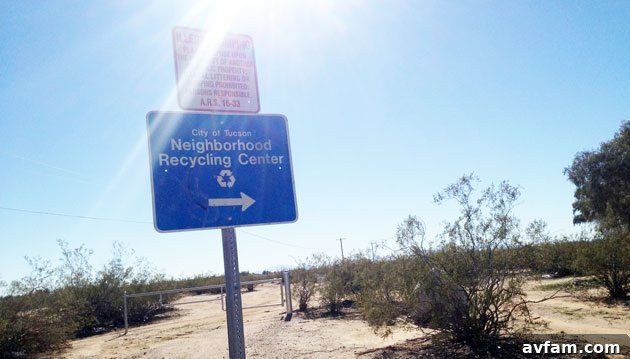
The journey of a recycled Christmas tree doesn’t end when you drop it off. Instead, it enters a new phase of usefulness, transforming into a valuable resource that benefits local ecosystems and communities.
Transformation into Mulch
The primary fate of most recycled Christmas trees is to be fed into powerful wood chippers. These machines shred the trees into small, uniform pieces of wood chips and mulch. This organic material is then ready for a variety of beneficial applications, effectively closing the loop and giving the tree a second life.
Beneficial Uses of Christmas Tree Mulch
- Erosion Control: Mulch is an excellent natural barrier against soil erosion. When spread on slopes or exposed ground, it helps stabilize the soil, preventing runoff from rain and wind. This is particularly valuable in areas prone to land degradation.
- Landscaping and Gardens: One of the most common and beneficial uses of recycled Christmas tree mulch is in landscaping and gardening. When spread around plants, trees, and shrubs, it offers numerous advantages:
- Moisture Retention: Mulch acts as a blanket, reducing water evaporation from the soil, which means less watering for gardeners.
- Weed Suppression: A thick layer of mulch can significantly inhibit weed growth by blocking sunlight, saving time and effort on weeding.
- Temperature Regulation: It insulates the soil, keeping roots cooler in summer and warmer in winter, protecting plants from extreme temperature fluctuations.
- Nutrient Enrichment: As the mulch slowly decomposes over time, it releases valuable organic matter and nutrients back into the soil, improving soil health and fertility.
- Trail Surfaces: Many parks and recreational areas use recycled wood chips as a soft, permeable, and natural surface for walking paths, hiking trails, and playgrounds. It provides cushioning, improves drainage, and creates a pleasant aesthetic.
- Wildlife Habitat Enhancement: While less common for large-scale programs, some specific recycling initiatives might use trees for creating brush piles or structures that provide shelter and nesting sites for birds and small animals in natural areas. In coastal regions, some programs even sink trees into lakes or ponds to create underwater habitats for fish.
- Biofuel: In some larger-scale operations, chipped Christmas trees, along with other woody waste, can be processed into biomass fuel. This renewable energy source can be used to generate electricity or heat, offering an alternative to fossil fuels.
Beyond Treecycling: Embracing a Greener Holiday Season
While recycling your Christmas tree is a fantastic step, it’s part of a larger movement towards more sustainable holiday practices. Consider these options for future holidays:
- Live, Potted Christmas Trees: If you have the space and climate for it, purchasing a live, potted Christmas tree that can be planted in your yard or donated after the holidays is an incredibly eco-friendly choice.
- Artificial Trees: A high-quality artificial tree, used for many years, can reduce the environmental impact over its lifespan compared to purchasing a new real tree annually. However, consider the materials and end-of-life disposal of artificial trees too.
- DIY and Reusable Decorations: Opting for homemade, natural, or reusable decorations reduces waste and adds a unique, personal touch to your festivities.
Making a Difference with Every Tree
Each Christmas tree that is properly recycled contributes to a healthier planet and safer communities. It prevents potential fire hazards, diverts organic waste from overflowing landfills, and transforms a temporary holiday decoration into a beneficial resource. By taking a few simple steps to prepare and drop off your tree, you’re not just cleaning up after the holidays; you’re actively participating in a cycle of sustainability and giving back to the environment.
So, as you pack away your ornaments and untangle the last string of lights, remember the final, important act of giving your Christmas tree a green farewell. Seek out your local treecycling program and make responsible disposal a cherished part of your holiday tradition.