
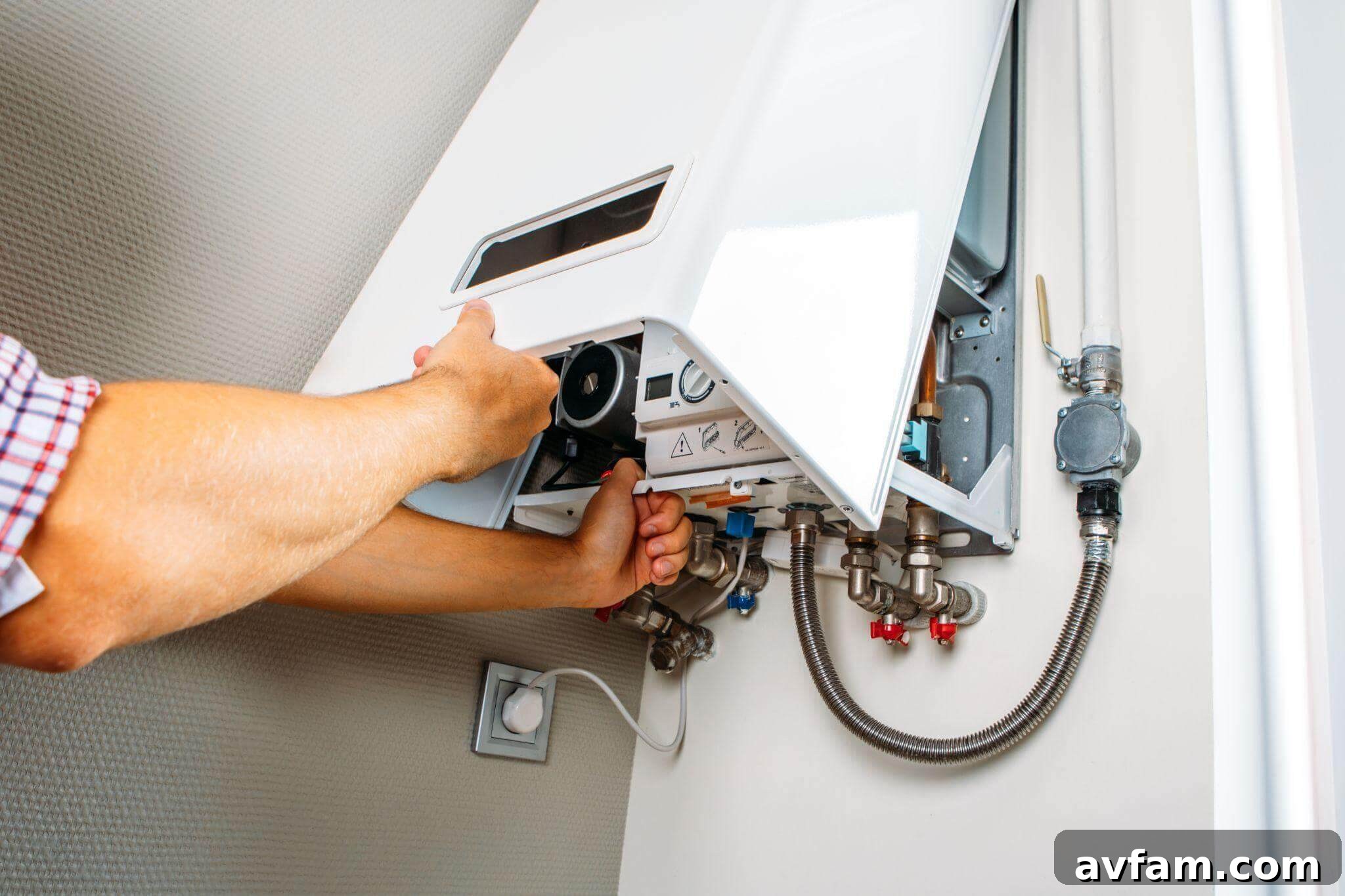
Water heaters rarely fail without warning. Sounds like gravel tumbling in a dryer, a gradual drop in hot water pressure, or rust-tinted water at the tap are early signs that something inside the tank needs attention. Many homeowners wait and hope the issue will resolve itself, but it seldom does. Ignoring an unusual noise for just a couple of weeks can let sediment damage a heating element, turning what might have been a simple repair into a much more expensive job. This pattern repeats across HVAC and electrical services: small problems become costly when left unattended. If you need a Fremont water heater specialist, contacting one early usually saves money and time.
Water heater problems in 2026 look much like they did five years ago, though labor and some parts costs have changed. Prices have shifted particularly for smart and hybrid models. Below is a clear breakdown of what to expect for common issues and the factors that influence repair costs.
What Influences Water Heater Repair Costs in 2026?
Several variables drive repair costs. The type of unit makes a big difference: tankless systems generally cost more to repair than standard tank units because parts are pricier and fewer technicians have extensive experience with them. Age matters as well—units older than about eight years often require parts that are harder to source, increasing cost and wait time.
Location and timing also matter. Urban labor rates tend to run 20–35% higher than rural rates. Emergency or weekend service calls commonly add $75–$150 in service fees. The severity of the issue is obvious, but even factors like the water pressure at your property can affect whether a repair is straightforward or complex.
Average Water Heater Repair Costs in 2026
For most typical repairs in 2026, homeowners can expect to pay between $150 and $700. A general price range for common services is:
- Thermostat replacement: $100–$300
- Heating element replacement: $200–$400
- Anode rod replacement: $150–$250
- Pressure relief valve replacement: $100–$200
- Pilot light/igniter repair: $150–$350
- Sediment flushing: $80–$200
- Full control board replacement (tankless): $400–$900
Labor typically runs $75–$150 per hour. Most common repairs take between one and three hours to complete.
Common Water Heater Problems and Their Repair Costs
No hot water is the problem that gets the fastest response. For tank units, this often indicates a failed heating element or thermostat, usually $200–$400 to repair. For tankless systems, failures often involve the flow sensor or igniter and tend to cost $350–$600.
Rust-colored water usually signals a corroded anode rod and the start of tank lining deterioration. Replacing the anode rod early keeps costs reasonable—about $150–$250. If the tank itself is compromised, replacement is typically necessary.
Unusual noises, often described as gravel-in-a-dryer sounds, are most commonly caused by sediment buildup. A professional flush costs roughly $80–$200 and is part of routine maintenance that should be done annually in many areas.
Leaks vary widely in cost. A leaking pressure relief valve is often under $200 to replace. A cracked tank, however, usually means the unit must be replaced rather than repaired.
Repair vs. Replacement: What Is More Cost-Effective?
A practical rule of thumb is to consider replacement when repair costs exceed about half the price of a new unit. A new 40-gallon tank water heater typically costs $400–$900, plus $200–$500 for installation. If a repair approaches $800 on a machine that is over a decade old, replacement is often the better financial choice.
Conversely, a three-year-old unit with a failed thermostat is almost always worth repairing. Consider both age and repair cost together when making the decision.
Hidden Costs Homeowners Often Overlook
Permit fees can appear unexpectedly, particularly for tankless conversions or major component replacements—typically $50–$150 depending on the municipality. Required code upgrades can add more. If the unit is located in a tight closet or an awkward crawlspace, accessibility surcharges are common.
Disposal fees for old units ($25–$75) and separate diagnostic fees are other costs that sometimes aren’t disclosed up front. Ask for a full estimate that lists these potential extras before work begins.
DIY Repair vs. Professional Service Costs
Some tasks are reasonable for a handy homeowner. Replacing an anode rod is straightforward: tools under $30, anode rod $20–$50, and online guides make the process accessible. Sediment flushing is another task many homeowners can handle safely with basic tools and precautions.
Anything involving electrical components, gas lines, or the pressure relief system should be handled by a licensed professional. The money saved on a DIY repair can be quickly lost if an error causes additional damage or creates a safety hazard.
Conclusion
The main takeaway is that water heater repair costs rise quickly when diagnosis and intervention are delayed. A $150 flush ignored can become a $400 element replacement. Call a professional at the first sign of trouble, get a written estimate before any work starts, and discuss whether the unit’s age makes replacement the smarter option. That short conversation can save several hundred dollars and prevent inconvenient breakdowns.