

This article is proudly sponsored by Pennington Seed, a leader in innovative lawn and garden solutions.
Sustainable Lawns: Mastering Water Conservation for a Thriving Landscape
In an era where environmental consciousness is paramount, responsible home ownership extends far beyond the confines of your four walls. It encompasses the entirety of your property, including your beloved lawn and garden. One of the most critical aspects of this responsibility is water conservation. From the kitchen faucet to the bathroom shower, and perhaps most significantly, to your outdoor landscape, prudent water usage is essential not only for saving money on utility bills but also for preserving the invaluable resource of potable water for future generations.
The challenges to maintaining a healthy landscape are ever-present. Consider the year 2012, which ranked as one of the warmest on record, plagued by extreme heat and significant lack of precipitation. This combination led to widespread suffering for countless yards across the nation. Today, the outlook remains concerning, with thirty-six states anticipating ongoing local, regional, or statewide water shortages, even during periods not officially classified as drought conditions. These factors underscore the urgent need for smarter, more sustainable landscaping practices.
Did you know: Americans dedicate an average of 73 hours annually to maintaining their lawns. A substantial portion of this time and energy is spent on watering, making it a prime area for efficiency improvements and significant savings.
Faced with these environmental and economic obstacles, both seasoned landscape enthusiasts and enthusiastic DIY homeowners are actively seeking solutions. The goal is clear: cultivate landscapes that remain lush, vibrant, and beautiful, while simultaneously being more resilient to challenging conditions and remarkably easier to maintain. Achieving this balance requires strategic planning and the implementation of proven water-saving techniques.
To guide us in this endeavor, we turn to an undeniable expert: Russ Nicholson. As the Senior Agronomist for Pennington Seed and a Certified Professional Agronomist (CPAg), Russ brings over 35 years of unparalleled expertise in turfgrass research and management. His deep understanding of what it takes to cultivate healthy, water-efficient landscapes makes his advice invaluable. Here are 10 straightforward yet highly effective tips from Russ Nicholson to help you keep your landscape healthy, vibrant, and significantly reduce your water consumption.
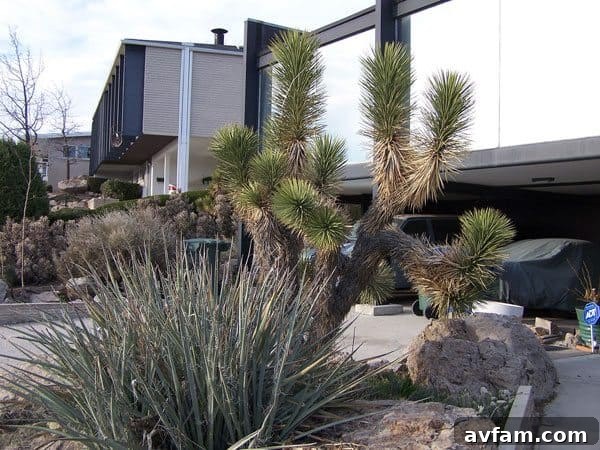
Top 10 Expert Tips for Water-Efficient Landscaping
1. Condition Your Plants for Drought Resilience
Proactive conditioning is key to fostering plants that can withstand periods of dry weather. Begin this process early in the spring season by modifying your irrigation schedule. Instead of frequent, shallow watering, irrigate less often but for longer durations. This encourages water to penetrate deeper into the soil. While more frequent watering is necessary during the initial stages of development, particularly during germination and establishment, subsequent ongoing maintenance should focus on decreasing frequency and increasing the depth of water penetration. This strategy prompts plants to develop deeper, more extensive root systems, making them inherently more drought-tolerant and less reliant on constant surface moisture.
2. Install Advanced Water-Saving Systems
Embracing modern irrigation technology can drastically improve your water efficiency. Consider installing a drip irrigation system around trees, shrubs, and garden beds within your landscape. Drip irrigation delivers water directly to the plant’s root zone, minimizing loss due to evaporation and preventing moisture from reaching spaces between plants. This targeted approach not only conserves water but also helps to suppress weed growth in unplanted areas by denying them moisture. Furthermore, explore the benefits of rain barrels. These simple yet effective systems can harvest rainwater from your roof for later use in your landscape, providing a sustainable and cost-free source of irrigation during dry spells.
3. Choose Water-Efficient Plants and Grasses
The foundation of a water-wise landscape begins with your plant selection. By utilizing grass seed varieties that naturally require less water, your lawn will exhibit greater resilience during periods of drought and become significantly easier to maintain, reducing the time, energy, and resources you invest. Specifically, consider a purebred, drought-tolerant seed like Pennington Smart Seed. This innovative product is engineered to stay green for up to three weeks without water and consistently requires 30 percent less water year after year compared to ordinary grass seed. The carefully selected varieties in every bag are developed to help you establish a fuller, healthier, and greener lawn, all while making efficient use of precious natural resources.
4. Avoid Overwatering and Over-Reactivity
One of the most common mistakes in lawn care is overwatering. Often, entire lawns are irrigated excessively just to address a few dry spots, leading to numerous problems. Overwatering can result in shallow root systems, which make the grass less resilient to drought. It also increases the likelihood of disease, weed infestations, and insect problems by creating an overly moist environment. Additionally, it can contribute to increased thatch buildup and excessive, weak growth. A healthy lawn does not require water until its color begins to noticeably fade by about 50 percent. When watering, aim to apply approximately one inch of water, which is generally sufficient to reach the deeper root zone without oversaturating the soil.
5. Precisely Adjust Your Sprinklers
Improperly adjusted sprinklers are a significant source of water waste. Take the time to ensure that your sprinklers are accurately watering your lawn and defined landscape areas, not the driveway, sidewalk, or street. If you observe water running off into hardscapes, it indicates several potential issues: sprinklers may be misaligned, too much water is being applied in a short period, or the soil has reached its saturation point and cannot absorb any more. Regular checks and adjustments can prevent this wasteful runoff and ensure water is delivered exactly where it’s needed.
6. Optimize Watering Time: Early Morning is Best
The timing of your irrigation significantly impacts water efficiency. The optimal window for watering is in the early morning, typically between 4 a.m. and 10 a.m. Watering during this cooler part of the day dramatically reduces the amount of water lost to evaporation, which is common during the mid-day heat. This timing allows the grass sufficient opportunity to absorb and retain moisture before the sun gets too high, yet still permits the foliage to dry completely before nightfall. Dry grass prevents the prolonged dampness that can foster the development of various lawn diseases, which are more likely to thrive in a wet lawn.
7. Plan Around Wind Conditions
Wind is a major enemy of efficient watering. Strong winds can cause sprinkler spray to drift, leading to water being blown outside of your intended landscape areas and significantly increasing evaporation rates before the water even reaches the soil. To minimize waste and maximize effectiveness, always plan your watering sessions for calm, windless days. If watering on windy days is unavoidable, consider using low-angle sprinkler nozzles that produce larger water droplets, which are less susceptible to wind drift.
8. Retain Moisture with Strategic Mulching
Mulch is a landscaper’s best friend when it comes to moisture retention. When seeding new areas, or around established plants, spread a layer of organic mulch over the soil. This protective layer acts as a barrier, significantly reducing water evaporation from the soil surface and helping your soil retain critical moisture, especially during the crucial seed germination and establishment stages. Additionally, the clippings from mulching mowers serve a similar purpose, returning finely chopped grass back to the lawn. These clippings decompose, preserving soil moisture and returning valuable nutrients to the growing grass, creating a healthier, more self-sustaining ecosystem.
9. Embrace “Broom Clean” Habits
This simple habit can lead to substantial water savings over time. Instead of habitually reaching for a hose to clear leaves, dirt, and other debris from your walkways, patios, and driveways, grab a broom. Manual sweeping is an incredibly effective, water-free method for tackling these routine cleaning tasks. By making “broom clean” your default, you prevent countless gallons of water from being wasted on tasks that don’t require it.
10. Fertilize Thoughtfully and Strategically
Fertilization is crucial for supplying plants with the essential nutrients needed for strength, uniform growth, and the development of a robust, fibrous root system. A vibrant, healthy plant is inherently more efficient at utilizing available water, meaning it will require less supplemental water over time to thrive. This also reduces the chance of the plant becoming “burned” or dried out to a point beyond recovery. However, timing is everything with fertilization. It is critically important that fertilizers are not applied during periods of drought, as this can stress plants and potentially lead to damage, exacerbating rather than alleviating water-related issues.
The Pennington Smart Seed Advantage
When selecting the right seed for your lawn, prioritizing water conservation is a smart choice. Pennington Smart Seed stands out for several compelling reasons:
- It is scientifically formulated to remain green for up to three weeks without water, offering exceptional drought tolerance.
- Year after year, Pennington Smart Seed requires up to 30 percent less water compared to ordinary grass seed, delivering significant long-term savings and environmental benefits.
- By utilizing this high-quality, purebred, drought-resistant seed that contains no unnecessary fillers, you establish a lawn that is not only more resilient but also much easier to maintain.
- Pennington Smart Seed is designed to help you cultivate fuller, healthier, and greener lawns, ensuring efficient use of vital natural resources.
Conclusion: A Greener Future, One Drop at a Time
Embracing water conservation in your landscaping isn’t just an admirable goal; it’s a practical, essential step towards a more sustainable future. By implementing these expert tips from Russ Nicholson, you can transform your lawn and garden into a resilient, water-efficient oasis. From choosing drought-tolerant seeds like Pennington Smart Seed to optimizing your watering schedule, using smart irrigation systems, and nurturing your soil with mulch, every action contributes to preserving our precious water resources. Start today, and enjoy a beautiful, thriving landscape that not only enhances your home but also supports a healthier planet.
Disclosure: This article is sponsored by Pennington Seed. It is important to note that Pennington Seed does not dictate what bloggers say about their products or how they express it. Pennington Seed’s policies are fully aligned with the WOMMA Ethics Code, FTC guidelines, and best practices for social media engagement recommendations, ensuring transparency and authenticity in all sponsored content.