

Every new homeowner faces the familiar question: should you renovate before moving in or wait until you’ve settled? The best answer is rarely absolute—decisions should be made room by room. Treating “renovate first” or “live in first” as an all-or-nothing choice often leads to unnecessary delays, extra expense, or projects that drag on because people don’t want contractors working around furniture and daily life.
A room-by-room strategy makes planning clearer, more practical, and usually more cost-effective.
Rooms That Should Almost Always Come First
Some jobs are inherently disruptive and are far easier and cleaner when the space is empty. Flooring is the most obvious example: installing new floors or refinishing hardwood in an empty house is quicker, cleaner, and produces a superior finish compared with working around couches, tables, and boxes. Protection of furniture, careful maneuvering, and multiple touch-ups typically add days or weeks to the timeline and increase costs.
Painting large rooms or ceilings is also best done before moving belongings in. An empty room can often be painted in a day or two with crisp edges and even coverage. When furniture is present, even if pushed to the center and covered, paint jobs take longer, edges are harder to tape cleanly, and the overall result is usually less polished.
Work that generates significant dust or debris—demolition, wall removal, cabinet refacing, or major electrical and plumbing upgrades—should also be scheduled before move-in. Construction dust settles into textiles, HVAC systems, drawers, and window treatments. Protecting an empty space and containing dust at the source is far easier than deep-cleaning finished furnishings and soft surfaces after the fact.
Prioritizing these disruptive, high-impact tasks up front reduces the risk of damage and helps avoid repeated touch-ups later. If budget and timing allow, getting the messy, structural, or flooring work done first often makes subsequent cosmetic projects faster and less intrusive.

Rooms Where Living in the Space First Actually Helps
Kitchens and bathrooms are commonly at the top of renovation wish lists. But these are also the spaces where living in the house first can provide valuable insight. A kitchen plan that looks awkward on paper may function perfectly once you see how you move, cook, and store items every day. Conversely, a layout that seemed fine could reveal storage shortfalls, clearance issues, or workflow problems only evident after regular use.
Bathrooms similarly benefit from actual usage. Storage needs, towel hooks, lighting, and ventilation requirements become clearer over time. Planning a full gut renovation before you’ve lived with the existing layout risks solving problems you don’t have while missing those that only appear in daily life.
The same principle applies to larger layout changes and additions. Living in a home through different seasons shows how natural light moves through rooms, which areas feel cramped, and where circulation paths actually run. Waiting allows you to base renovation decisions on real patterns of use, helping avoid costly rework or designs that look good in theory but fail in practice.
Budget Reality Usually Makes the Decision Anyway
Financial constraints often determine timing as much as practicality. Closing costs, moving expenses, new furnishings, and incidental costs can leave less budget for renovations than buyers expect. In many cases, homeowners prioritize the disruptive, high-value work—floors, paint, structural repairs—and postpone cosmetic or exploratory projects like a full kitchen remodel until finances stabilize.
This budget-first approach aligns well with the room-by-room method: invest in work that’s difficult to do around furniture or that affects the whole home’s livability, and defer projects that benefit from lived experience or can be staged over time.
Coordinating the Move Around the Work
If you choose pre-move-in renovations, time the actual move to occur after the most disruptive work is complete. Bringing belongings into a house mid-renovation means protecting furniture from dust, navigating contractors and equipment, and potentially paying extra for storage or moving adjustments.
Planning a buffer between closing and the move-in date gives contractors the space to finish floors, paint, or trim work without the added complication of furniture and household items in the way. Many homeowners close on a property and intentionally wait days or weeks before moving in for exactly this reason. That simple sequencing reduces risk, saves time, and often lowers overall costs.
Let the Room Decide, Not a Rule
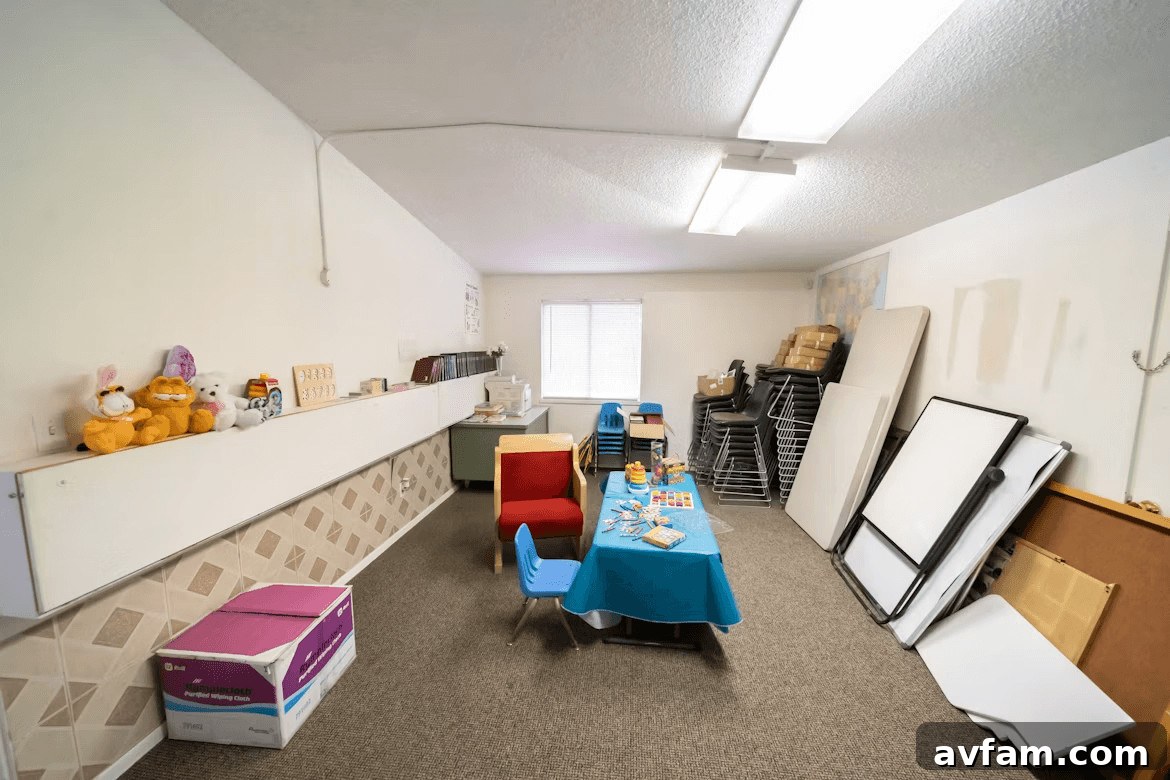
There is no single correct answer to renovate-first versus live-in-first. The most effective approach is to evaluate each room on its own merits. Prioritize work that benefits from empty spaces—flooring, painting, structural changes, and projects that generate dust—before moving in. For kitchens, bathrooms, and major layout changes, living in the space first often reveals the real needs that a thoughtful renovation should address.
Taking a room-by-room perspective leads to smarter decisions, better results, and renovations that stand the test of time. Planning with practicality and budget in mind, and sequencing work around the move, will help your home improvement process be smoother and more successful.