
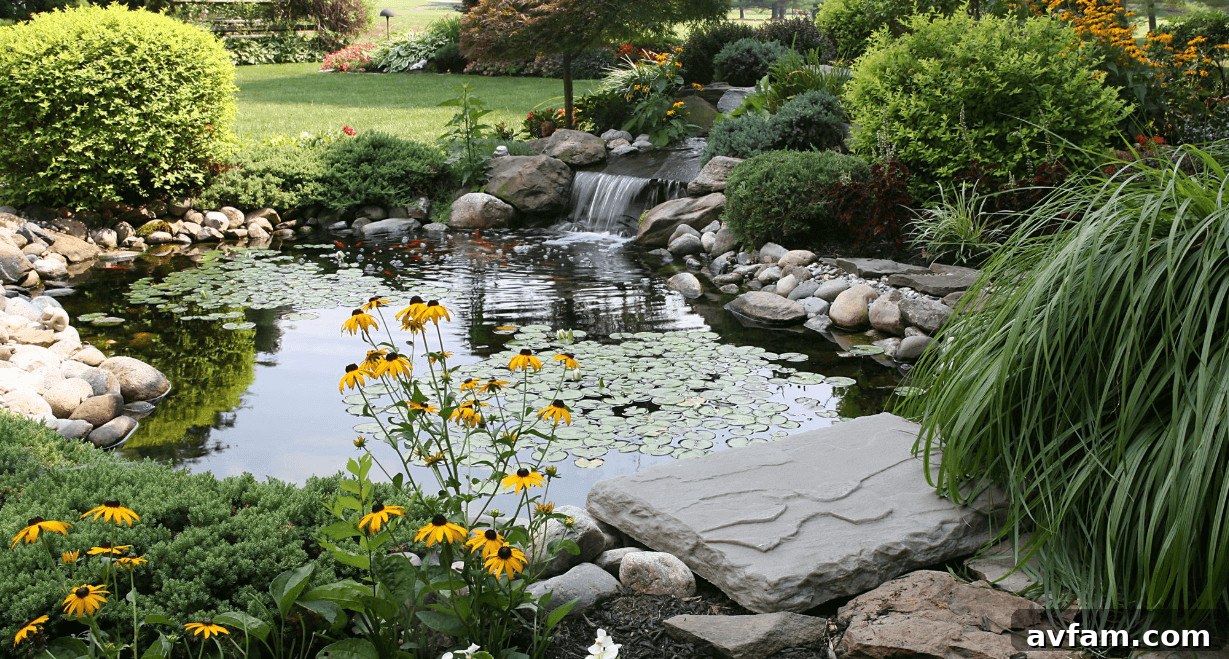
Britons take considerable pride in gardening. With nearly half of the population naming gardening as a favourite pastime, it’s common to find homes with well-tended lawns, colourful flowerbeds and neatly trimmed hedges. Ponds of all sizes are a frequent and cherished garden feature, attracting wildlife, creating peaceful settings and offering a calming escape from daily life.
With almost 3 million garden ponds and some 500,000 seasonal, village and natural ponds across the country, effective water filtration is essential. Proper filtration maintains a healthy ecosystem by removing debris, breaking down fish waste and preventing excessive algae growth. Combined with correctly sized pumps that circulate water and maintain oxygen levels, a sealed pressurised pond filter keeps water clear and fish populations healthy by preventing stagnation and ammonia buildup.
The Basics of Pressurised Pond Filters
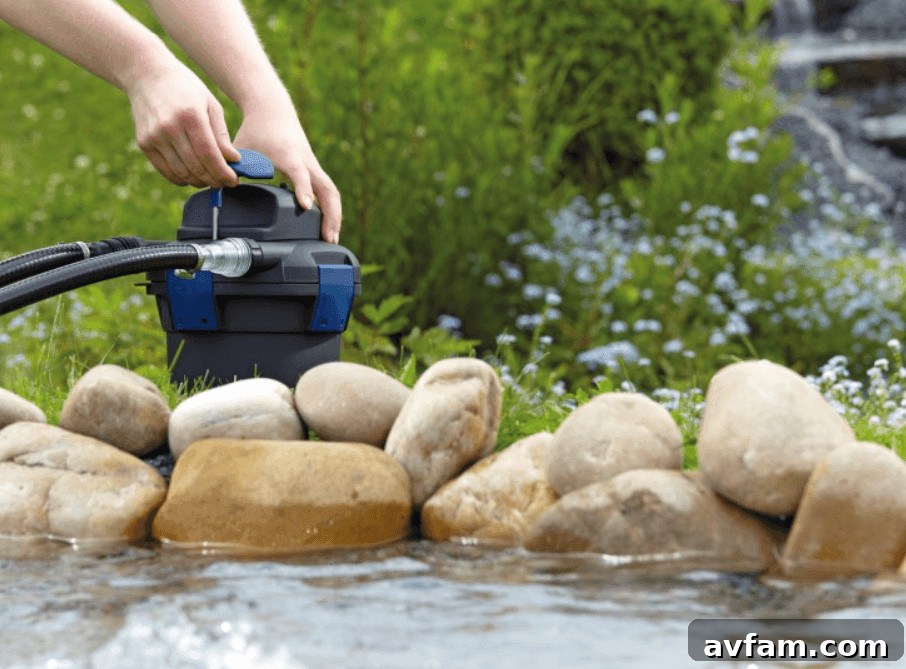
Pressurised filters are a popular choice for small to medium garden ponds and for moderately stocked fish ponds because of their compact footprint and flexible placement. Their sealed design allows them to push water uphill, making them ideal for ponds with streams, rock features and cascading waterfalls. Because they can maintain pressure without additional external equipment, many pressurised filters can be partially buried or hidden, preserving the garden’s visual appeal.
How It Works
Although compact, a pressurised filter contains multiple filtration stages that work together to maintain healthy pond water. Water is pushed from the pump into the sealed filter housing under pressure, and then passes through different filter media. The main stages are:
- Mechanical filtration: Solid waste such as fish waste, algae, leaves, twigs and uneaten food is removed as water flows through successive layers of coarse and fine foam pads. These layers trap particles, preventing cloudiness and reducing organic load, but they do require regular cleaning to avoid clogging.
- Biological filtration: After solids are removed, water flows through media like bio-balls or ceramic rings that provide large surface areas for beneficial bacteria to colonise. These bacteria convert toxic ammonia from fish waste and decaying material into nitrite and then into relatively harmless nitrate, which aquatic plants can use while helping to maintain oxygen balance.
- UV clarification: Many pressurised filters include an integrated UV clarifier. The ultraviolet light causes single-cell algae to clump together, making them large enough to be trapped by mechanical media. UV helps reduce green water and improves overall clarity when appropriately sized for the pond.
Key Features and Benefits
Pressurised Operation and Flexible Installation
The sealed, pressurised design enables returns to be placed at height, allowing waterfalls and raised features while still providing strong circulation and oxygenation. These filters also allow for discreet installation, so equipment can be hidden without compromising performance.
No Gravity Overflows
Unlike gravity-fed box filters, pressurised filters eliminate the risk of water spilling over when media becomes clogged. This reduces the chance of water loss or surrounding area flooding and supports uninterrupted filtration performance.
Simple Cleaning and Maintenance
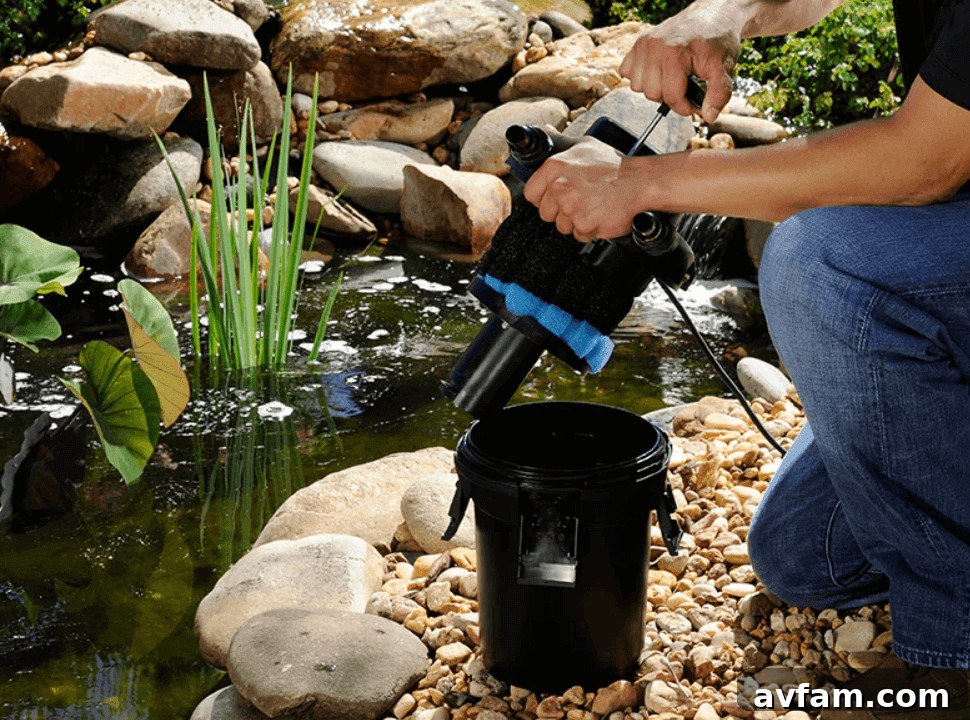
Many modern pressurised filters include convenient cleaning features such as pull-out handles, multi-directional valves for squeezing or rinsing foam pads, and quick-release lids or metal clamps for fast access. These design elements reduce downtime during maintenance and make routine servicing easier.
By combining mechanical and biological filtration with UV sterilisation, a pressurised pond filter delivers clear, healthy water and attractive-looking ponds. For smaller garden ponds, their compact size and installation flexibility often make them a better fit than larger gravity-fed systems, while still offering robust filtration if paired with a properly matched pump. That makes them suitable even for more demanding setups, such as moderately stocked koi ponds.
Choosing the Right Pressurised Pond Filter
Selecting the right pressurised pond filter requires evaluating the pond’s volume, fish stock, landscaping features, pump capacity and desired maintenance level. Pond volume—calculated from length, width and depth when full—is the primary consideration, as pressurised filters are best suited to small and medium ponds.
Manufacturer ratings can be optimistic, often referring to ponds without fish or plants. For reliable results, upsize the filter if you expect higher fish loads or heavy sunlight exposure, both of which increase algae growth and clogging. As a rule of thumb, a filter rated for a 10,000-litre ornamental pond is typically appropriate for a 5,000-litre goldfish pond or a 2,500-litre koi pond, but add around 25% extra capacity if the pond receives a lot of direct sun.
Matching the filter to a pump is equally important. Too powerful a pump can reduce filtration efficiency, strain internal seals and cause overflow issues; too weak a pump will lead to dead zones, poor circulation and low oxygen levels. Aim for a turnover rate that cycles the entire pond volume once every 1 to 2 hours. If your pond includes waterfalls or other landscape features, check the filter’s maximum pressure rating to ensure reliable circulation. Buying a matched filter-and-pump kit can simplify this process.
Consider maintenance features when choosing a model: size UV bulbs appropriately for your pond, prefer filters with easy backwash or cleaning options and look for quick-access lids. For peak performance, clean pressurised filters weekly during busy seasons (or perform a deep clean at least twice a year), replace UV bulbs approximately every six months, and renew filter media every two years or as recommended by the manufacturer.