
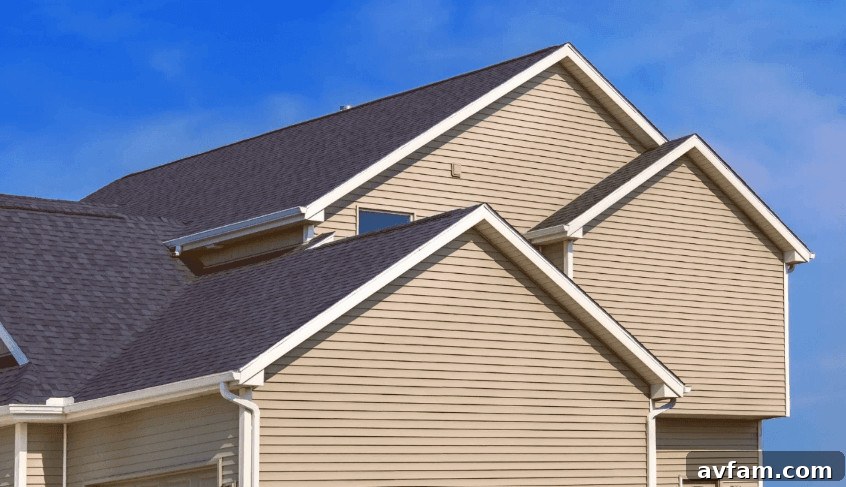
If both your roof and siding are showing their age, you may be weighing whether to replace them together or handle one now and the other later. There’s no single right answer for every homeowner, but you can make a clear, practical decision by comparing costs, timing, and the actual condition of each system.
The Case for Bundling the Projects
One of the strongest reasons to replace roof and siding at the same time is cost efficiency. Contractors frequently offer discounts for bundled work because managing a single project reduces administrative costs, equipment mobilization, and scheduling overhead. When crews are already on site, labor and logistics can be coordinated more efficiently than running two separate jobs spaced months or years apart.
Bundling also reduces disruptions to your property. Both roofing and siding jobs typically require scaffolding, ladders, and protective measures around the home. Installing that access equipment once instead of twice saves time, lowers the risk of damage to landscaping, and minimizes the period your home is under construction.
There’s a practical maintenance advantage as well. Replacing a roof while leaving old siding in place can uncover hidden damage at the junctions between the two systems—rot, mold, or water intrusion that was masked by failing roof materials. Addressing those issues while the exterior is already open is more efficient and often less expensive than discovering and repairing them later during a separate siding job.
The Case for Staggering Them
Bundling isn’t always the best choice. The most straightforward reason to stagger roof and siding replacement is cash flow. A combined project is a large, sometimes unexpected expense; splitting the work into two phases can make the spending more manageable and avoid stretching your budget or taking on more financing than necessary.
Another valid reason to delay one of the projects is if one system still has usable life left. Replacing perfectly serviceable siding solely because the roof needs work can be wasteful. The right approach depends on the condition of each system, not just the convenience of doing everything at once.
Finally, if you plan to change styles, colors, or materials—for example switching to different siding profiles or upgrading to higher-end roofing materials—staggering can give you time to evaluate options, obtain samples, and budget for the finishes you really want without rushing the decision.
How to Actually Evaluate Which System Needs Attention
Age alone isn’t always a reliable guide. Look for these specific signs that indicate a system is due for replacement:
For the roof: widespread granule loss on asphalt shingles, curling or cracked shingles, visible sagging of the roof deck, persistent leaks, or an age of roughly 20 years or more for standard asphalt roofing are strong indicators that replacement is imminent.
For siding: warping, significant cracking, faded or brittle material beyond what paint or minor repairs can fix, soft spots that suggest moisture penetration, or visible mold and rot behind the siding all point to the need for replacement.
When both roof and siding show clear signs of wear or damage, doing both at once usually makes financial and logistical sense. If only one system is showing trouble, it’s often wiser to address that one immediately and plan the other for the future, based on inspection results and your budget.
What a Combined Project Actually Looks Like
A properly coordinated combined project generally begins with the roof. Roofing work can dislodge or damage siding near eaves and rooflines, so completing the roof first reduces rework and allows any incidental siding repairs to be handled as part of the same contract. Experienced contractors sequence work to minimize overlap and protect finished surfaces rather than attempting both tasks simultaneously in ways that can cause avoidable damage.
On a combined job, crews will typically protect landscaping and windows, remove old materials, inspect underlying sheathing and framing for damage, make necessary repairs, and then proceed with installation of new roofing and siding materials in a planned order that preserves warranty coverage and ensures proper flashing and water management at all transitions.
Getting an Honest Assessment Either Way
The best way to decide is to get a professional inspection of both systems. A qualified contractor or home inspector can document the condition of the roof and siding, identify any hidden damage, and provide realistic cost estimates for replacing one or both systems. Armed with that information, you can weigh the financial benefits of bundling against the cash-flow advantages of staggering and choose the option that fits your home’s needs and your budget.