
Upgrade Your Water Heater: Save Energy, Money, and Enjoy Endless Hot Water
Your home’s water heater is often an unsung hero, tucked away in the garage or basement, silently and tirelessly ensuring you have warm water for showers, dishes, and laundry throughout the year. While it might be out of sight, its crucial role in your daily comfort and household budget should never be out of mind. Understanding its function, recognizing signs of inefficiency, and knowing when to upgrade are vital steps toward optimizing energy use, saving money, and enhancing your quality of life.
Many homeowners operate under the misconception that their water heater will last forever, or they simply wait for it to fail completely before considering a replacement. This approach can lead to costly emergencies, significant inconvenience, and wasted energy for years. This comprehensive guide will help you determine if it’s time to replace or upgrade your current water heater, especially by exploring the advantages of modern, energy-efficient propane gas-powered options.
Is It Time to Replace Your Water Heater? Signs You Can’t Ignore
A typical water heater is designed to last between 10 to 12 years. Beyond this lifespan, even units that appear to be functioning might be doing so inefficiently, quietly draining your wallet with higher energy bills. However, age isn’t the only indicator. Several other signs suggest it might be time for an upgrade:
- Age: If your water heater is over 10 years old, it’s likely operating below current efficiency standards and nearing the end of its useful life. Proactive replacement can prevent unexpected breakdowns.
- Leaks or Puddles: Any sign of water around the base of your heater could indicate a crack in the tank or a faulty connection. Small leaks can quickly escalate, leading to significant water damage.
- Lack of Hot Water: If you’re consistently running out of hot water faster than usual, or if it takes a long time to heat up, the heating elements might be failing, or the tank might be too small for your household’s needs.
- Strange Noises: Rumbling, popping, or banging noises often signify sediment buildup at the bottom of the tank. This sediment not only reduces efficiency by creating a barrier to the heating element but can also corrode the tank over time.
- Rusty Water: If your hot water appears rusty or metallic-tasting, it could indicate corrosion inside the tank, signaling its impending failure.
- High Energy Bills: A sudden unexplained spike in your energy consumption, particularly related to hot water, can be a clear sign that your old unit is struggling to keep up and wasting energy.
- Faulty Thermostat or Heating Element: These components are critical for regulating water temperature. When they malfunction, your water heater performs poorly, leading to inconsistent temperatures and excessive energy use.
To further assess your situation, resources like KnowYourWaterHeater.com offer helpful quizzes and information to determine if an upgrade is truly necessary for your home.
The Frustration of Inefficient Hot Water and the Solution
We’ve all experienced the frustration of a poorly functioning water heater. Imagine the scenario: you’re trying to wash dishes, and someone else decides to take a shower. Suddenly, the water turns lukewarm, then cold. Or perhaps you’ve had to meticulously schedule showers, waiting at least an hour after one person finishes before another can risk a cold rinse. This was our reality with an old, inefficient electric water heater. Despite attempts to remedy the situation – flushing the tank, checking elements, and reinstalling – the comfort and convenience for our family remained elusive. We couldn’t enjoy the simple luxury of concurrent hot water use, a stark reminder of how much we relied on this vital appliance.
This endless cycle of frustration completely transformed with the installation of a tankless water heater. The difference was night and day. Gone were the days of rationing hot water or meticulously planning our routines around its limited supply. Now, we enjoy a continuous flow of hot water, available precisely when and where we need it, without compromise. This shift highlights not just an upgrade in appliance, but a significant improvement in daily comfort and household efficiency.
Gas vs. Electric: Making an Informed Choice for Your Home
When considering a new water heater, the primary decision often revolves around the fuel type: gas or electric. Each has its pros and cons, but with the rising cost of electricity and advancements in gas technology, gas-powered water heaters, particularly those running on propane, are fast becoming a more viable and money-saving option for many households. Beyond the traditional storage tank models, the market also offers tankless (on-demand), heat pump, and solar water heaters, each with unique advantages.
Traditional electric water heaters often rely on resistive heating elements, which can be less efficient in converting electricity into heat compared to the direct combustion process of gas heaters. They are also subject to fluctuating electricity prices, which have seen a steady increase in recent years, impacting long-term operational costs.
Gas water heaters, fueled by natural gas or propane, typically heat water faster and can be more cost-effective to operate, especially in areas where gas prices are lower than electricity rates. They also offer more flexibility during power outages, as many can still operate without electricity (though some modern units require a small amount of electricity for ignition or controls).
Navigating New Efficiency Standards: Why Now is the Time to Upgrade
The urgency to upgrade your water heater has been underscored by recent regulatory changes. In April of this year, the Federal National Appliance Energy Conservation Act standards went into effect, significantly increasing the minimum energy efficiency requirements for most types of water heaters. These stricter regulations mean that new water heaters on the market are inherently more efficient than models from even a few years ago. If you’ve been on the fence about replacing your aging unit, now is truly the optimal time to act.
Delaying this crucial upgrade can have substantial financial consequences. An older, inefficient water heater constantly works harder to heat water, consuming excessive amounts of energy and translating directly into higher utility bills. Waiting for your current water heater to completely fail before replacing it could mean wasting hundreds, if not thousands, of dollars in lost energy over time. Furthermore, an emergency replacement often means limited choices, hurried decisions, and potentially higher installation costs.
Why Choose a Propane Gas Water Heater? Unlocking Key Benefits
Upgrading to a propane gas-powered water heater offers a compelling array of benefits that address modern homeowner needs for efficiency, space, cost savings, and environmental responsibility. Here are several compelling reasons to make the switch:
1. Space Optimization and Installation Flexibility
- Under the new federal regulations, standard efficiency tanks for electric storage water heaters have become wider, taller, and heavier to accommodate increased insulation for better energy retention. This often necessitates a larger storage area in your home, which many older homes or smaller spaces may not be equipped to handle.
- In contrast, gas-powered units, especially high-efficiency storage tanks, often meet these new regulations while maintaining their previous dimensions, or even offering more compact designs.
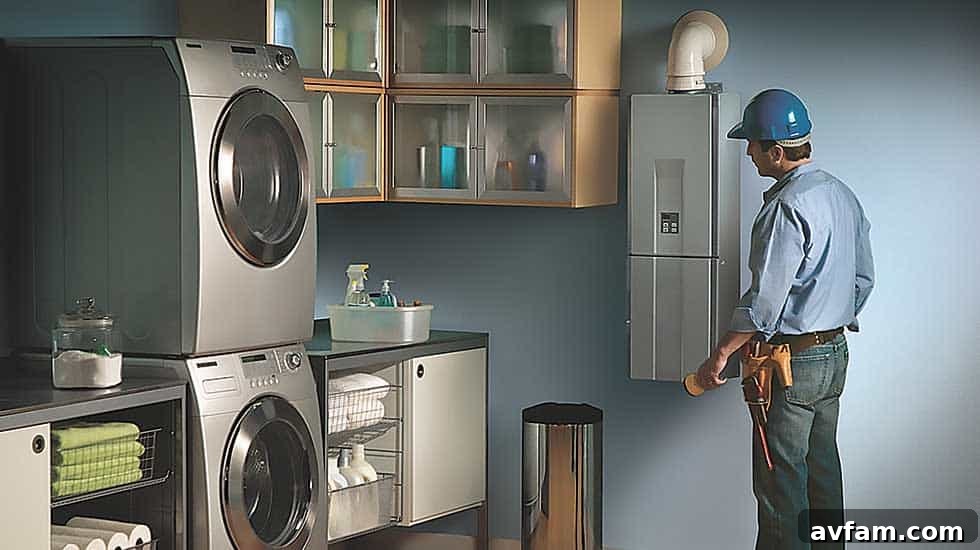
- The ultimate space-saver is a tankless propane water heater. These units are significantly smaller, typically mounted on a wall, freeing up valuable floor space in your utility room, garage, or basement. This design flexibility allows for installation in areas where a traditional bulky tank would be impractical.
2. Significant Long-Term Cost Savings
- In most parts of the country, propane gas offers a more economical fuel source compared to electricity or heating oil. This translates directly into lower annual ownership costs for high-efficiency storage tank and tankless propane models.
- Propane water heaters generally heat water at a faster rate than electric models, meaning less standby energy loss for tank units and quicker hot water delivery for tankless systems.
- For tankless propane units, the “on-demand” nature means you’re only heating water when you need it, eliminating the standby heat loss associated with traditional storage tanks. This can lead to substantial energy bill reductions over the lifespan of the appliance.
3. Environmental Responsibility and Lower Emissions
- When comparing emissions, standard electric storage tank water heaters often contribute to a larger carbon footprint due to how electricity is generated (often involving fossil fuels at power plants).
- Propane, a clean-burning fossil fuel, produces significantly lower greenhouse gas emissions. Specifically, tankless units running on propane produce up to two times fewer emissions than standard electric storage tank units. This makes propane an increasingly popular choice for environmentally conscious homeowners looking to reduce their carbon footprint.
4. Unlimited Hot Water on Demand (Tankless Advantage)
- One of the most appealing benefits of a propane tankless water heater is the virtually endless supply of hot water. Since water is heated only as it flows through the unit, you’ll never run out, even during peak demand times with multiple showers, laundry, and dishwashing happening simultaneously.
- This eliminates the inconvenience and frustration of cold showers or waiting for the tank to reheat, providing unparalleled comfort and convenience for modern households.
Smart Shopping: What to Look for in a New Water Heater
When you’re ready to shop for a new propane gas-powered water heater, ensuring you make an informed decision is paramount. Beyond the benefits listed above, one of the most critical factors to consider is energy certification. Always make sure the unit you choose is ENERGY STAR Certified.
ENERGY STAR is a government-backed symbol for energy efficiency, providing credible information to consumers and businesses. Products that earn the ENERGY STAR label meet strict energy efficiency guidelines set by the U.S. Environmental Protection Agency (EPA) and the U.S. Department of Energy (DOE). Choosing an ENERGY STAR certified water heater guarantees that your new appliance will operate more efficiently, use less energy, and contribute to lower utility bills while helping to protect the environment.
Other factors to consider include:
- Flow Rate (GPM): For tankless units, consider the gallons per minute (GPM) rating to ensure it can handle your household’s peak hot water demand.
- BTU Input: This indicates the heating capacity.
- Warranty: Look for comprehensive warranties on both the tank/heat exchanger and parts.
- Professional Installation: Always opt for certified and experienced professionals for installation to ensure safety and optimal performance.
Conclusion: Invest in Comfort, Efficiency, and Savings
Your water heater is more than just an appliance; it’s a cornerstone of your home’s comfort and efficiency. Ignoring its age or signs of inefficiency can lead to unnecessary expenses, daily inconveniences, and potential breakdowns. By understanding the benefits of modern, energy-efficient propane gas water heaters, especially tankless models, you empower yourself to make a smart investment that pays dividends in comfort, savings, and environmental responsibility.
Don’t wait for a cold shower surprise to force your hand. Proactively evaluating your water heater and considering an upgrade to an ENERGY STAR certified propane gas unit can transform your home’s hot water experience. Enjoy endless hot water, reduce your energy footprint, and keep more money in your pocket for years to come.
Photos courtesy of the Propane Education & Research Council.
This post is sponsored by the Propane Education and Research Council, but all opinions and statements are from Timothy Dahl of Charles & Hudson LLC.