
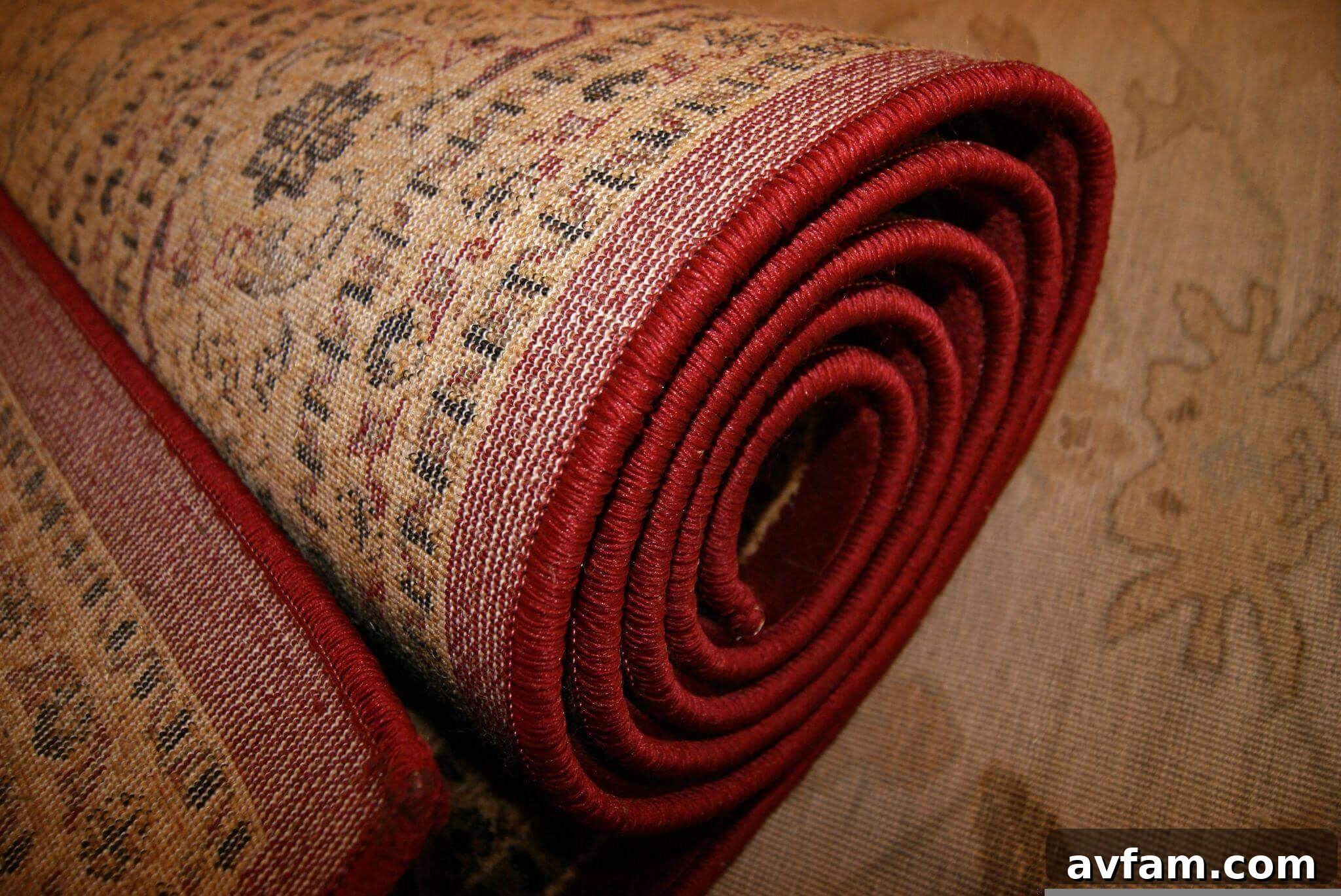
Modern interior design often emphasizes clean lines, raw materials, and open-plan layouts. Many people still assume soft textile floor coverings belong only in historic or vintage homes, but contemporary spaces benefit greatly from thoughtfully chosen rugs and mats.
Soft textiles soften hard surfaces and add warmth to sleek interiors. The right floor layer can turn a cool, minimalist room into a welcoming living environment without compromising its modern character.
Breaking the Traditional Stigma
Floor coverings were once associated with ornate patterns and heavy furniture. Today, designers treat soft textures as purposeful elements that enhance contemporary architecture rather than outdated remnants.
Neutral tones and restrained geometric patterns integrate easily into modern apartments. Smooth leather seating or streamlined sofas pair naturally with subtle floor designs, creating a balanced, cohesive look.
Selecting clean, simple patterns brings harmony to sharply defined spaces. Understated floor pieces allow architectural features and furniture to remain the focal points while adding a touch of comfort and cohesion.
Carefully chosen materials introduce character without distracting from structural lines. Thoughtful textile placement brings depth to living rooms and refreshes minimalist interiors with minimal effort.
Grounding Open Floor Plans
Large, open rooms can feel disjointed without clear visual boundaries. Designers often use textured floor pieces to define distinct zones—for dining, lounging, or work—without erecting walls.
Soft floor layers act as visual anchors, creating borders that organize furniture layouts and unify seating arrangements into purposeful, functional areas. Proper placement helps furniture read as a cohesive group rather than scattered elements.
These subtle divisions make expansive rooms feel intentional and ordered. Floating furniture reads as anchored when aligned with a textured base layer, and clear pathways preserve natural circulation through the space.
Thoughtful use of broad floor textiles turns sprawling lofts into comfortable, practical zones that feel both open and well composed.
Softening Industrial Architecture
Exposed brick, raw concrete, and steel beams contribute striking visual character to industrial interiors, but these materials can also make a space feel cold and austere.
Introducing soft floor layers adds a tactile counterpoint to hard structural surfaces. Designers report that well-placed handcrafted textiles reduce ambient echo and improve overall sound comfort in high-ceiling rooms.
Better acoustic control makes industrial spaces more liveable, and thick weaves or dense materials help absorb sound while providing underfoot warmth.
Natural fiber rugs and pads soften cold concrete floors and temper metallic frames and exposed ductwork, adding human warmth without diminishing the architectural edge.
Balancing Minimalist Aesthetics
Minimalist interiors risk appearing unfinished if floors remain bare. A carefully chosen floor layer adds depth and finishes a room without cluttering the space.
Minimal design depends on deliberate contrasts of material and texture rather than decorative excess. Soft textiles beneath simple furniture pieces introduce quiet visual tension that enhances the overall composition.
Monochromatic and muted palettes keep visual noise low while increasing physical comfort. A bare floor gains warmth and personality while preserving the clean aesthetic central to minimalism.
Structured weaves and subtle textures give pared-back rooms a subtle sense of luxury, allowing craftsmanship to show through within restrained interiors.
Elevating Modern Color Schemes
Contemporary spaces often rely on grays, whites, and soft earth tones. Floor textiles offer an easy way to introduce measured color accents without repainting or major renovations.
Effective accent choices include:
- Deep blue tones that contrast with light oak floors.
- Warm terracotta shades that soften gray concrete tiles.
- Olive green motifs that add an organic touch to modern palettes.
Swapping a single rug or runner lets homeowners refresh a room’s mood and subtly shift how light reads across surfaces. Coordinated floor patterns can tie together wall art, cushions, and window treatments to make the color story feel intentional.
Even modest color changes at floor level influence the overall atmosphere, brightening neutral settings and making them more inviting.
Adding Texture to Sleek Spaces
Glass tables, polished metal, and leather seating are staples of modern living rooms. Without varied textures, these smooth finishes can feel clinical.
High-pile rugs or structured flat weaves interrupt glossy surfaces and add tactile interest. Mixing textures makes minimalism feel warm and approachable rather than sterile.
Changing touch points across the day provides a richer sensory experience. Tactile layers—nubby weaves, soft wool, or tight flat knits—give contemporary rooms a finished, lived-in feeling.
Combining smooth glass with textured textiles creates sophisticated balance and prevents interiors from appearing flat. Varied materials naturally introduce depth and warmth into daily living spaces.
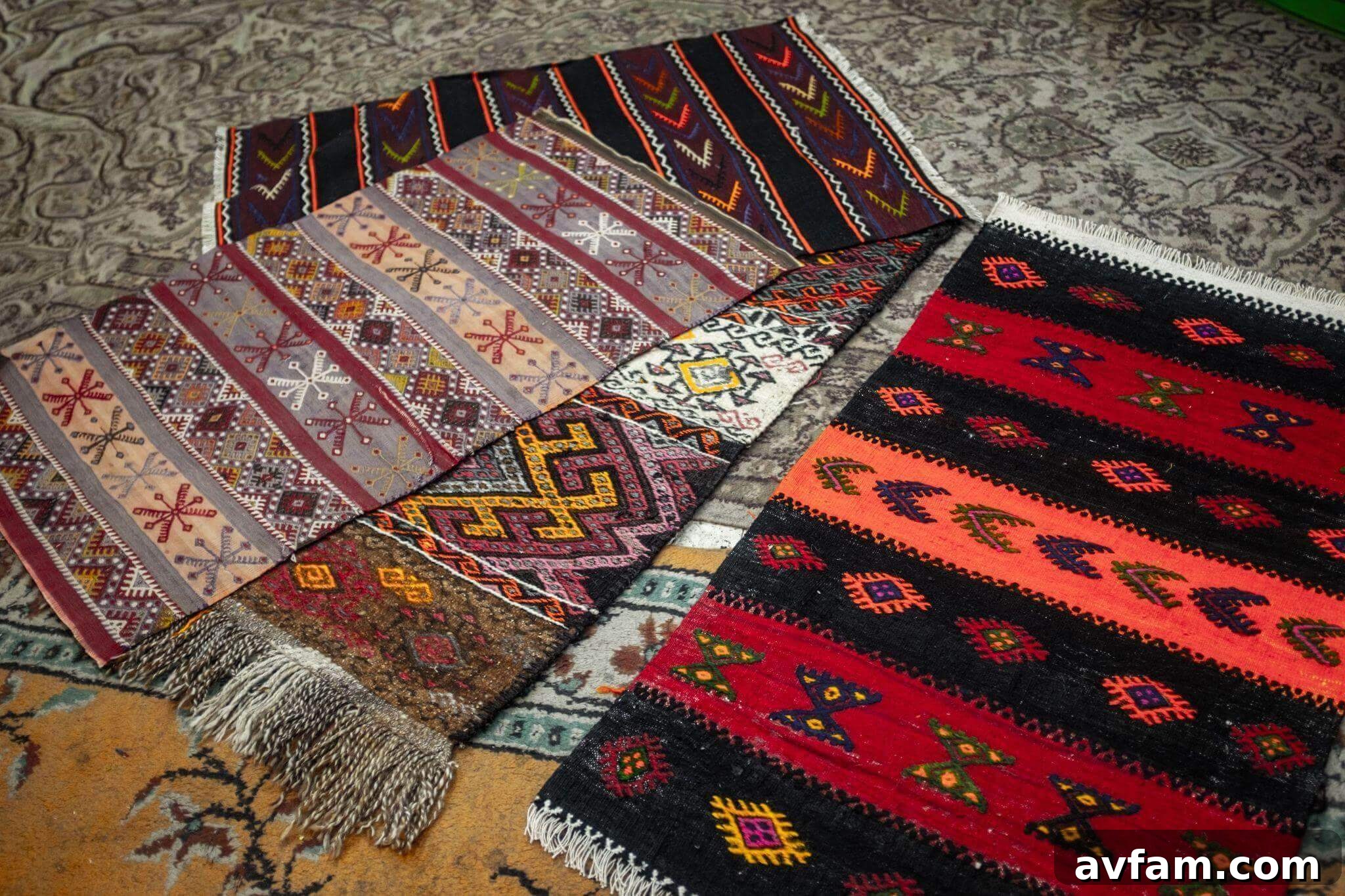
Protecting Contemporary Flooring
Hardwood, polished concrete, and luxury vinyl are significant investments. High foot traffic and moving furniture can quickly wear smooth surfaces if not protected.
Practical protective benefits of floor coverings include:
- Backings and pads that reduce scratches on hardwood.
- Cushioning that absorbs impact from daily use.
- Dense weaves that help prevent dents from heavy chair legs.
Covering main walkways preserves flooring quality over time and reduces the need for costly resurfacing. Durable textiles maintain appearance and value, combining functional protection with aesthetic improvement.
Creating Warmth in High-Ceiling Rooms
Lofts and modern homes with tall ceilings and large windows are visually dramatic, but they can feel chilly because heat rises.
Floor textiles act as natural insulation underfoot, especially in cooler months. Stepping onto wool or similarly warm materials immediately enhances comfort and reduces perceived chill.
Retaining warmth at floor level can ease heating demands and make lofty spaces comfortable year-round. Thick, natural-fiber coverings improve thermal comfort while also contributing to the room’s overall coziness.
Styling Tips for Modern Layouts
Choose a floor covering after measuring furniture footprints carefully. Ideally, main seating pieces should sit fully or partially on the central textile to create a unified grouping.
Leave about twelve inches of exposed floor at room edges to maintain a clean visual perimeter. This spacing preserves the modern sense of openness without making the room feel incomplete.
Simple geometric patterns and neutral weaves align well with linear modern architecture. Right-sized textiles keep rooms from feeling cramped or awkward and help highlight architectural details.
With careful selection and placement, soft floor treatments enhance contemporary interiors by blending functional comfort with clean design. Thoughtful textiles complete the look of minimalist rooms while adding warmth, protection, and a sense of home.