
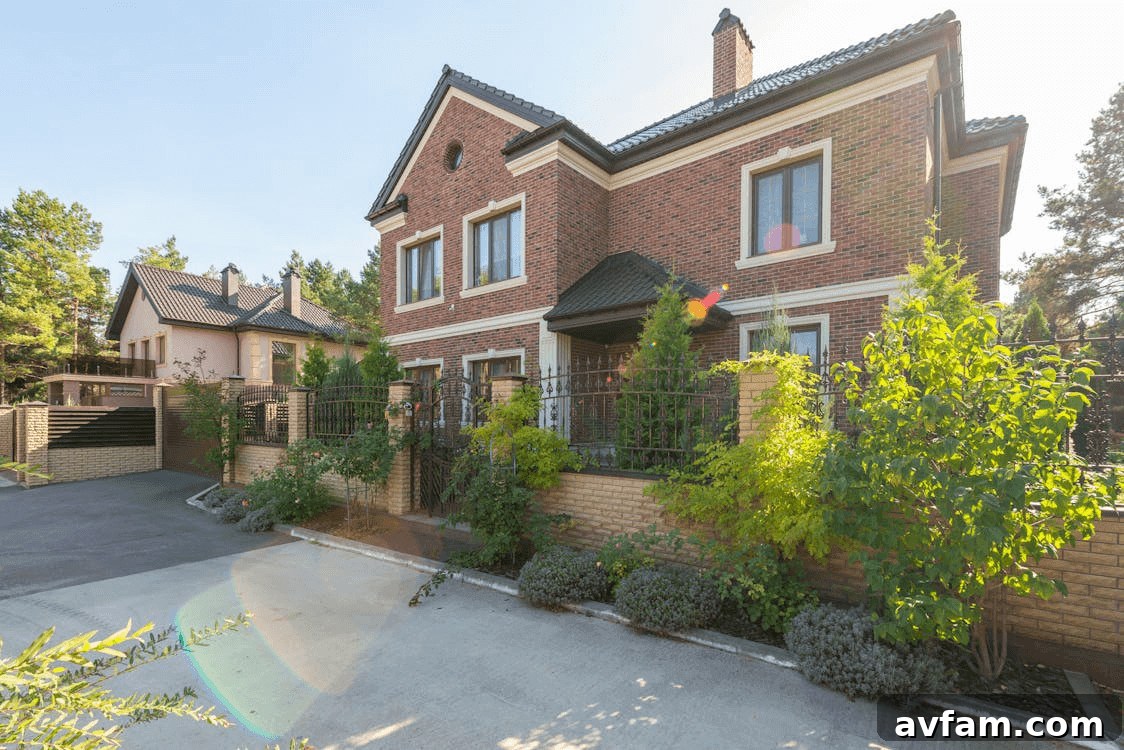
Foundation problems can start as small, easily overlooked signs—like a hairline crack in the drywall or a door that rubs on its frame—and grow into serious structural issues if ignored. Because a home’s foundation supports the entire structure, any movement or instability underneath can lead to a cascade of damage throughout the building. Addressing foundation concerns promptly helps protect the home, preserve property value, and avoid more extensive repairs later.
Homeowners facing ongoing settlement or uneven movement often look for permanent solutions rather than temporary surface fixes. One widely used long-term approach is drilled pier repair, a method that stabilizes a structure by transferring its loads to stable soil or rock layers well below the surface. This technique is commonly recommended when shallow soils are prone to seasonal movement or when lateral soil conditions continue to affect the foundation.
Understanding What Causes Foundation Problems
Foundation damage usually begins below grade long before visible symptoms show up inside the home. Several soil and environmental factors contribute to foundation issues: clay soils expanding and contracting with moisture changes, prolonged drought followed by heavy rains, poor drainage directing water toward the foundation, and natural soil settling after construction. These processes change the pressure and support conditions beneath the slab or footings.
When soil beneath part of a foundation shifts or compresses unevenly, that section of the foundation can sink or tilt. The result is uneven loads and stress distributed across walls, floors, and framing members. Rather than stabilizing on its own, such movement commonly continues or accelerates unless corrective measures are taken.
Homeowners should monitor early warning signs—cracked brick or mortar, doors and windows that stick, gaps appearing between trim and walls, sloping floors, and cracks in interior walls or ceilings. Recognizing and acting on these indicators can prevent minor problems from becoming extensive structural failures.
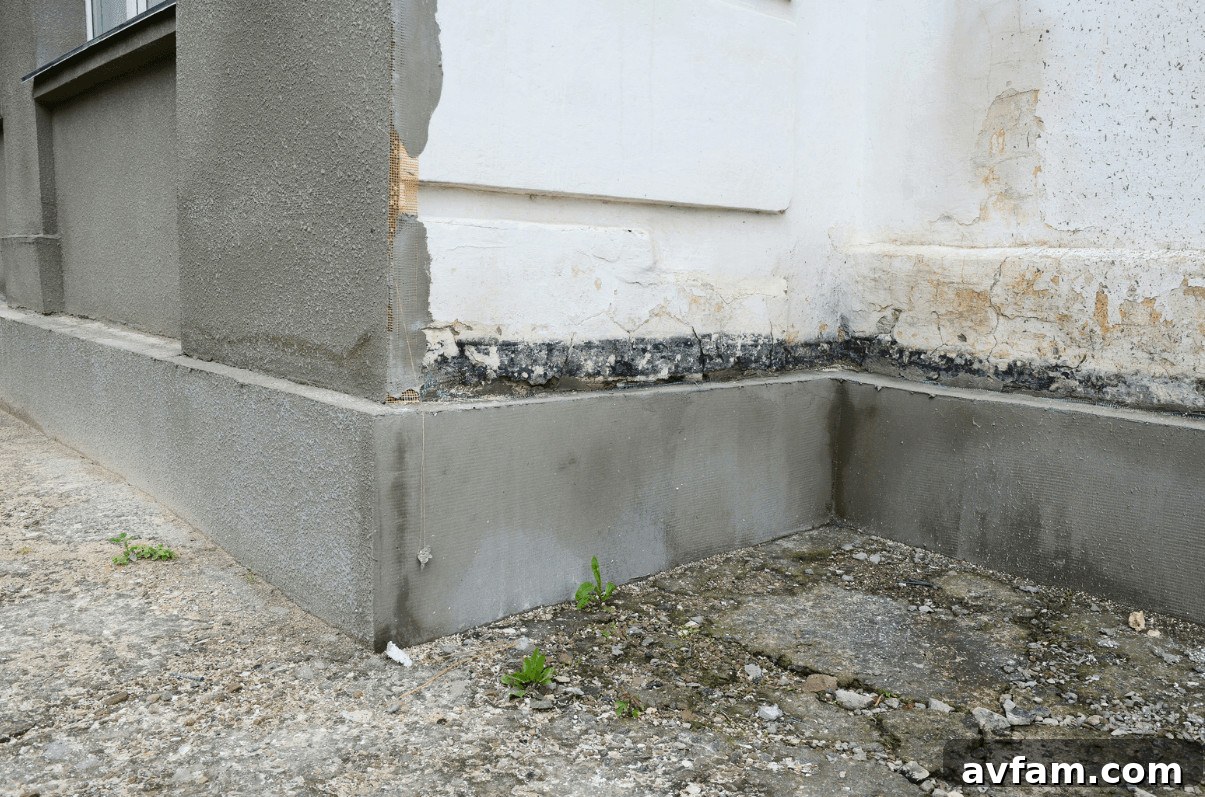
How Drilled Pier Repair Creates Long-Term Stability
Drilled pier repair is designed to restore long-term support by reaching down to competent soil or bedrock and establishing a new load path for the structure. Technicians drill through unstable surface soils and install concrete piers or steel-reinforced elements that extend to stable strata. The building’s load is then transferred onto these deep piers, reducing reliance on the variable soils near the surface.
Because the piers anchor the structure to more consistent subsurface layers, this method resists recurring movement caused by shallow soil expansion, contraction, or erosion. Compared with patching cracks or raising a settled slab without addressing deeper causes, drilled piers deliver a durable foundation solution that can last for decades when properly installed and maintained.
Signs You Should Not Wait to Address Foundation Damage
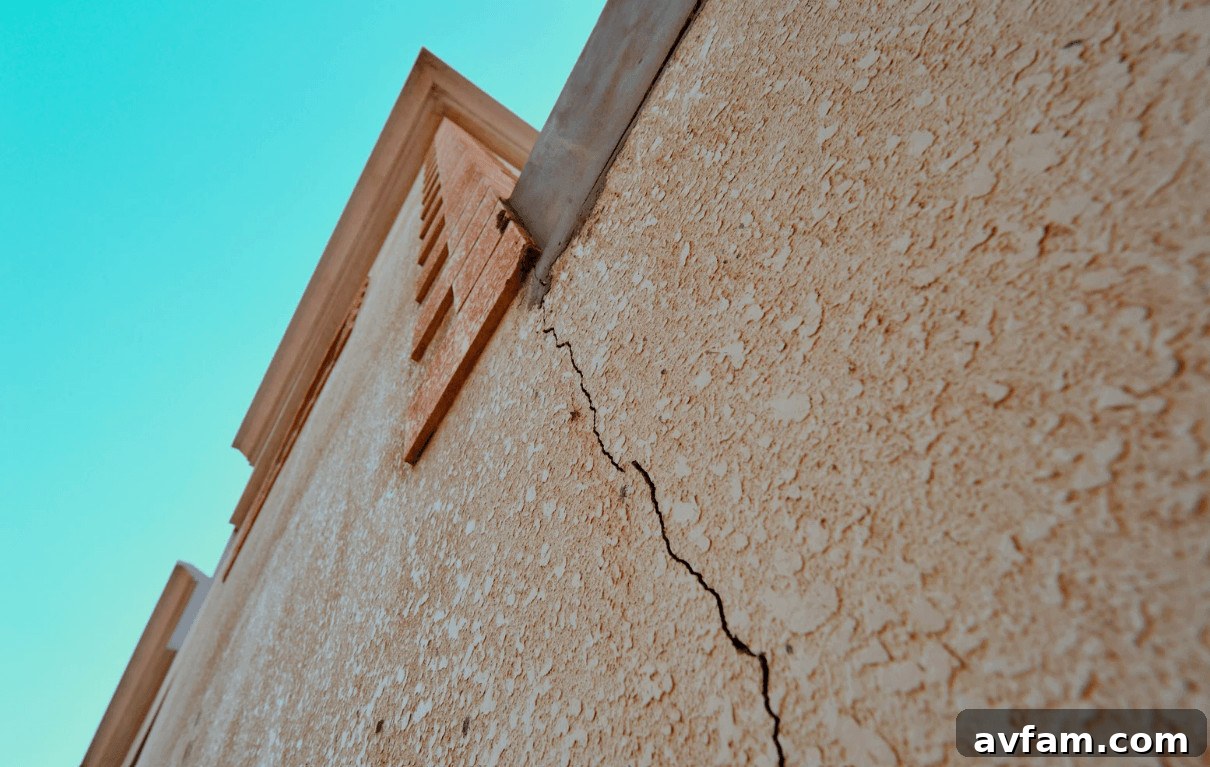
Foundation movement seldom affects a single, isolated spot. As subsurface shifts continue, stress transfers into surrounding building components—walls may crack, floors may slope, cabinets can separate from walls, and plumbing may develop leaks due to misalignment. Large or widening cracks, noticeable floor tilt, and gaps around window and door frames are strong signals that you should consult a foundation professional promptly.
Delaying repairs often increases overall cost because additional systems—interior finishes, structural framing, and utility lines—may require correction once damage spreads. Early intervention typically reduces repair scope and expense, and preserves more of the home’s original materials and finishes.
A qualified foundation contractor can evaluate soil conditions, determine the extent of settlement, and recommend appropriate remedies. Companies experienced in deep foundation solutions can help homeowners choose the best long-term option to stabilize their property. For homeowners seeking durable results, drilled piers are one of several proven approaches that focus on fixing the cause of movement rather than only treating visible symptoms.
Taking action early—by assessing warning signs, consulting professionals, and selecting a repair method aimed at lasting stability—will protect your investment and provide greater peace of mind in the years ahead.