
Unveiling the Power: Is Brushless Motor Technology Worth the Investment for Your Cordless Tools?
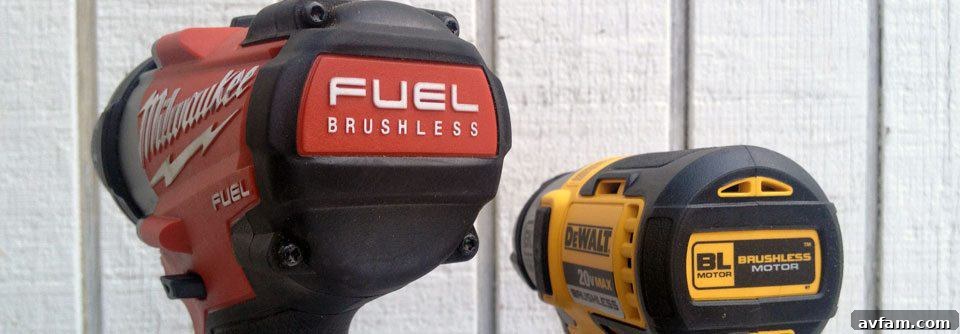
In the dynamic world of cordless power tools, few innovations have captured as much attention and generated as much discussion in recent years as brushless motor technology. Once a premium feature found only in specialized equipment, brushless motors have now become a staple across almost every major power tool manufacturer’s lineup. Brands like Milwaukee, DeWalt, Makita, and many others have heavily invested in showcasing the superior capabilities of their brushless offerings, often paired with their most advanced battery platforms. But amidst the marketing hype and the promise of groundbreaking performance, a crucial question remains for consumers, from seasoned professionals to enthusiastic DIYers: Is the switch to brushless motors truly worth the added cost?
This comprehensive guide delves into the intricacies of brushless motor technology, exploring its fundamental differences from traditional brushed motors, outlining its myriad benefits, and candidly addressing the factors that influence its price point. By the end, you’ll have a clear understanding of whether investing in a brushless cordless power tool aligns with your specific needs, usage patterns, and budget.
The Evolution of Power Tool Motors: Brushed vs. Brushless
To truly appreciate the advancements of brushless technology, it’s essential to understand its predecessor. For decades, the ubiquitous brushed DC motor was the workhorse of power tools. These motors rely on physical carbon brushes to transfer electrical current to the commutator, which then reverses the current direction in the motor’s coils, causing the rotor to spin. This design, while robust and cost-effective, inherently comes with limitations.
Brushless motors, by contrast, represent a significant leap forward. While not an entirely new concept in the broader engineering world, their widespread application in handheld cordless power tools is a relatively recent phenomenon, gaining massive traction after major manufacturers launched extensive lineups in the last few years. The fundamental difference lies in their operation: brushless motors replace the physical brushes and commutator with an electronic control board. This board precisely manages the timing and direction of the electrical current flowing to the motor’s stator coils, creating a rotating magnetic field that drives the permanent magnets in the rotor.
This electronic commutation system is the cornerstone of all the advantages brushless motors offer, eliminating the friction and wear associated with physical brushes and allowing for far more sophisticated control over the motor’s performance.
Key Advantages of Brushless Motor Technology
The absence of brushes and the integration of smart electronics translate into a host of compelling benefits that directly impact a tool’s efficiency, power, durability, and user experience. These advantages are particularly pronounced in the demanding environment of cordless power tools, where every watt of energy and every ounce of performance counts.
Enhanced Efficiency and Extended Runtime
One of the most celebrated benefits of brushless motors is their unparalleled energy efficiency. Unlike brushed motors, which consume power continuously at their set speed, brushless motors are “smart.” They feature sensors that constantly monitor the load on the tool and adjust power delivery accordingly. If a drill senses significant resistance – say, when drilling into dense hardwood or driving a large lag screw – it will draw more power. Conversely, when the resistance is light, such as fastening a small screw into softwood, the motor will draw less power. This dynamic adjustment is a game-changer for battery life.
- Optimized Power Delivery: By drawing only the necessary power for the task at hand, brushless motors dramatically extend the runtime of your cordless tools on a single battery charge. This means fewer battery swaps, less downtime, and greater productivity, especially on large or continuous projects.
- Reduced Heat Generation: Less power wasted as heat also means the motor runs cooler, further contributing to efficiency and preventing premature wear on internal components.
Superior Power and Performance
Beyond efficiency, brushless motors deliver a noticeable boost in raw power and consistent performance. The precise electronic control allows these motors to generate higher torque and maintain more consistent RPMs even under heavy loads. This translates to:
- Increased Torque Output: You’ll experience greater turning force, making it easier to drive larger fasteners, drill through tough materials, or saw through dense wood with less bogging down.
- Consistent Speed Under Load: Brushed motors tend to lose speed as resistance increases. Brushless motors, with their intelligent control, actively work to maintain a more consistent speed, leading to smoother cuts and more precise drilling.
- Better Power-to-Weight Ratio: Often, brushless motors can deliver more power from a smaller, lighter package, contributing to more compact and ergonomic tool designs.
Increased Durability and Longevity
The most obvious mechanical advantage of brushless motors is the elimination of the wear-prone brushes. In brushed motors, brushes eventually wear down and need replacement, and the friction they create generates heat, which can degrade other components over time. Brushless motors bypass these issues entirely:
- No Brush Replacement: Since there are no brushes to wear out, the motor itself has a significantly longer lifespan and requires virtually no maintenance related to brush wear.
- Reduced Friction and Heat: The absence of physical contact between components within the motor dramatically reduces friction and heat buildup. This protects the motor’s windings, bearings, and other internal parts from thermal degradation, further enhancing the tool’s overall durability and reliability.
- Improved Resistance to Dust and Debris: Without open brush housings, brushless motors are generally better sealed and more resistant to ingress from dust and debris, a common culprit for premature tool failure in dusty work environments.
Compact Design and Reduced Weight
The simplified internal design of a brushless motor, often with the magnets on the rotor and the windings on the stator, can allow for a more compact and streamlined motor housing. This can lead to:
- More Ergonomic Tools: Smaller, lighter motors contribute to lighter and better-balanced tools, reducing user fatigue during prolonged operation and improving maneuverability in tight spaces.
- Sleeker Profiles: The overall form factor of brushless tools can often be more compact, which is beneficial for accessing confined areas or for easier storage and transport.
Lower Noise and Vibration
The smooth, electronically controlled operation of brushless motors often results in less mechanical noise and vibration compared to their brushed counterparts. This translates to a more pleasant working experience, especially during extended periods of use, and can contribute to a safer work environment by reducing noise-induced fatigue.
The Investment: Addressing the Cost Factor
Given the impressive array of benefits, one might wonder why all cordless tools haven’t transitioned to brushless motors. The answer, as with many advanced technologies, comes down to cost. Brushless tools are undeniably more expensive, typically commanding a price premium of 20-50% over comparable brushed models. This added cost stems from several factors:
- Advanced Electronics: The electronic control board, often referred to as a “controller” or “smart chip,” is a complex piece of engineering. It requires sophisticated programming and components to precisely manage motor speed, torque, and power delivery.
- Precision Manufacturing: The construction of brushless motors often demands higher precision in component alignment and assembly, contributing to increased manufacturing costs.
- Research and Development: Significant investment in R&D has gone into refining brushless motor technology for power tool applications, and these costs are naturally factored into the final product price.
This higher price point is the primary reason why brushless technology is not yet universal across all cordless tool segments. It forces consumers to weigh the benefits against their individual needs and budget.
Who Benefits Most from Brushless Tools?
While the advantages of brushless technology are universal, their value proposition differs significantly depending on the user’s profile:
- Professionals and Tradespeople: For carpenters, electricians, plumbers, HVAC technicians, and other skilled tradespeople who rely on their tools daily, the investment in brushless technology is often a no-brainer. The extended runtime means fewer battery changes on a job site, increased power translates to faster and more efficient completion of demanding tasks, and the superior durability ensures a longer tool lifespan, ultimately leading to a higher return on investment (ROI) over time. Their tools are their livelihood, and maximizing performance and reliability is paramount.
- Serious DIYers and Prosumers: Individuals who tackle ambitious home renovation projects, engage in woodworking as a serious hobby, or frequently use their tools for more than just occasional odd jobs will also find significant value in brushless tools. The enhanced performance and longevity will make challenging tasks easier and more enjoyable, and the tools will stand up better to consistent use.
- The Casual Homeowner/Weekend DIYer: For those who only occasionally pull out a drill for hanging pictures, assembling furniture, or performing very light-duty tasks around the house, the added cost of a brushless tool might be difficult to justify. A well-made, standard brushed cordless tool, especially when paired with a good battery, will likely perform perfectly adequately for these infrequent and less demanding applications. While you might gain the “badge” of owning a premium tool, the practical benefits in terms of efficiency and power might not be fully realized or genuinely needed for your specific use case.
The Crucial Role of Battery Technology
The rise of brushless motors has coincided with, and indeed been enabled by, significant advancements in battery technology. High-performance Lithium-ion (Li-ion) batteries are not just recommended for brushless tools; they are practically essential to unlock their full potential. The synergy between these two technologies is critical.
- Consistent Power Delivery: Li-ion batteries excel at delivering consistent power throughout their discharge cycle, which perfectly complements the intelligent power management of brushless motors. This ensures that the tool performs optimally from the first minute to the last, unlike older NiCd batteries that often saw a noticeable power drop as they discharged.
- High Energy Density: Li-ion batteries pack a lot of power into a relatively small and lightweight package. This contributes to the overall ergonomics and portability of brushless cordless tools.
- Advanced Battery Management Systems: Modern Li-ion battery platforms, such as Milwaukee Tool’s M18 Fuel series, DeWalt’s 20V Max XR lineup, and similar offerings from other leading brands, incorporate sophisticated electronic battery management systems. These systems communicate with the tool’s brushless motor controller to optimize power output, protect against overload, manage heat, and maximize battery life and health. This integrated intelligence ensures peak performance and extends both tool and battery longevity.
- No Memory Effect: Unlike NiCd batteries, Li-ion batteries do not suffer from a “memory effect,” meaning they can be charged or topped off at any time without degrading their capacity.
While excellent standard brushed cordless tools are available, and for many home-based jobs, you might not notice a dramatic difference in raw power compared to a brushless counterpart, the pairing of any cordless tool with a modern Lithium-ion battery is always a superior choice over older NiCd chemistries. The smaller size, lighter weight, faster charging capabilities, and consistent power delivery of Lithium-ion batteries are well worth their higher cost, regardless of the motor type.
Making the Right Choice: Brushless or Brushed?
Ultimately, the decision to invest in brushless motor technology comes down to a personal assessment of your specific needs and priorities. There is no universally “right” answer, as both brushless and advanced brushed tools have their place in the market.
- Consider Your Usage Frequency: If your tools see infrequent, light-duty use, a brushed model offers excellent value. If you use your tools regularly, perhaps even daily, the long-term benefits of brushless technology will almost certainly justify the upfront cost.
- Evaluate Your Typical Tasks: For demanding applications like heavy-duty drilling, prolonged cutting, or driving large fasteners, brushless power and efficiency will be a significant advantage. For lighter tasks like assembling furniture or small repairs, a brushed tool will perform adequately.
- Assess Your Budget: Be realistic about what you’re willing to spend. While the allure of the latest technology is strong, overspending on features you don’t truly need is unnecessary.
- Brand Ecosystem: If you’re already invested in a particular brand’s battery platform, explore their brushless offerings within that system. Often, the best value comes from staying within a single brand’s ecosystem for battery compatibility.
Remember that even within the brushed category, there are many top-performing tools that deliver reliable results. The key is to choose a reputable brand that offers quality construction and a good warranty, irrespective of whether you opt for brushed or brushless technology.
The Future of Cordless Power Tools
The trajectory of brushless motor technology suggests continued innovation. As manufacturing processes become more efficient and electronics become even more compact and powerful, the cost differential between brushed and brushless tools is likely to shrink. We can anticipate even more sophisticated control systems, leading to tools that are not only more powerful and efficient but also potentially “smarter,” with features like integrated diagnostics, connectivity, and adaptive performance profiles.
Brushless motors have undeniably revolutionized the cordless power tool landscape, pushing the boundaries of what’s possible in terms of power, efficiency, and durability. They represent a significant technological leap that provides tangible benefits for those who rely on their tools for demanding, frequent, or professional use. For the casual user, while the benefits are still present, a well-chosen brushed tool can still offer excellent performance and value. By carefully considering your individual requirements and understanding the core advantages, you can make an informed decision that empowers your projects and enhances your tool-owning experience.