

The scene is all too common: a frantic individual trying to complete a home renovation while simultaneously navigating the complexities of a move. Imagine someone on a renovation forum, recounting their ordeal of retiling a bathroom. They were living out of boxes at a friend’s place across town, making daily commutes to the worksite. Drive over, work until dark, drive back. After two grueling weeks, exhaustion led to a critical error – they’d used the wrong grout color. Not just once, but twice. This isn’t just a humorous anecdote; it’s a stark reminder of the unique pressures and costly mistakes that arise when you attempt a DIY home improvement project during a relocation.
This particular brand of chaos is incredibly familiar to many. People undertaking renovations during a move are often under immense time constraints, leading them to rush decisions and execution. And rushing a DIY project is, almost inevitably, an open invitation for things to go awry. Statistics from the U.S. Census Bureau on geographic mobility reveal that approximately 11% of Americans changed residences last year. A significant portion of these individuals find themselves caught in an overlap period – a challenging limbo where their old property still requires work, their new home isn’t quite move-in ready, or both scenarios present simultaneous demands. This unsettling gap between homes creates an overwhelming, often unrealistic, pressure to accelerate every task and “just get it done” as quickly as possible, frequently at the expense of quality and budget.
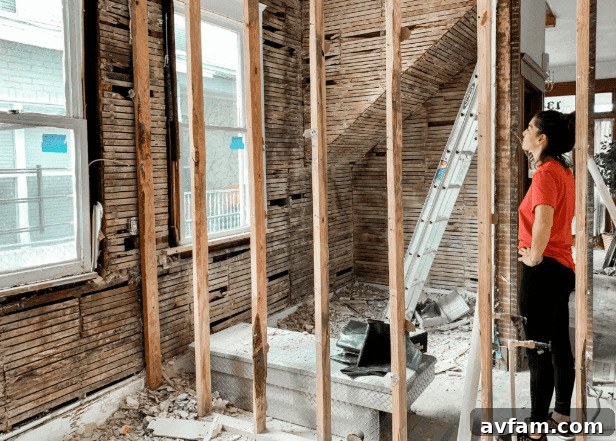
The Invisible Cost: Understanding the “Living Elsewhere” Tax on Renovations
One of the most frequently underestimated challenges during a renovation is the “Living Elsewhere” tax – a hidden cost of time, money, and sanity that accrues when you aren’t physically residing in the property you’re working on. It’s a topic rarely discussed in detail, yet its impact can be profound. When you’re not sleeping in the house, every forgotten tool, every unexpected missing supply, every impulse to make a quick adjustment, or every “I’ll grab that tomorrow” moment transforms into a frustrating 40-minute round trip, or often much longer, just to rectify a minor oversight. This constant back-and-forth drains valuable hours from your day, converting what should be productive work time into travel time and errands.
This phenomenon is well-understood by relocating professionals and frequent business travelers. Someone staying in short-term rentals near Square One in Mississauga or any other furnished temporary setup knows this drill intimately. They often find themselves coordinating contractors, making critical decisions, and managing logistics from an apartment halfway across the city. While a comfortable temporary abode can certainly help minimize the distraction of your personal living situation, the underlying cost remains significant: time. Every single errand takes longer, every site visit disrupts the entire day’s rhythm, and spontaneous problem-solving becomes an elaborate, time-consuming exercise. This “Living Elsewhere” tax isn’t just about fuel and travel; it’s about the erosion of efficiency, the compounding effect of minor delays, and the increased mental load of managing a project remotely. Some seasoned DIYers even suggest a rough rule of thumb: budget an additional 30% more time for your project if you’re not on-site. This directly translates to an estimated 30% increase in overall project cost, not just in labor but also in the potential for extended temporary accommodation expenses and increased stress levels.
Navigating Material Procurement: Why Bulk Buying Isn’t Always Best for Renovations
It seems counterintuitive, doesn’t it? The idea of bulk buying materials for a renovation project feels inherently efficient and economical. You’re already at the hardware store, you’ve got access to a truck, so why not load up with everything you might possibly need for the next three weekends? The appeal is strong: fewer trips, perceived savings, and the satisfaction of being prepared. However, this strategy can often backfire dramatically, especially when undertaking a renovation during the volatile period of a move.
The fundamental issue is that renovation plans, particularly under pressure, are rarely set in stone. What seems like a perfect match in the store might look entirely different once it’s installed alongside existing trim or under actual lighting conditions. Or perhaps, more alarmingly, you uncover unforeseen issues once demolition begins – hidden water damage behind a wall, an unexpected structural flaw, or outdated electrical wiring. Poorly planned relocations, by their very nature, tend to surface such unwelcome surprises faster, simply because there’s less time for thorough pre-move inspections and deliberate planning. Suddenly, you’re left with hundreds of dollars in materials – be it flooring, tiles, or paint – that you can’t return because the packaging has been opened, the product has been mixed, or the return window has expired. This leads to costly waste, unnecessary storage challenges, and further delays as you source new, appropriate materials. While buying materials in stages might mean more trips to the supplier, which can be annoying and eat into your limited time, it is ultimately far less vexing and financially damaging than being stuck with a garage full of expensive, unusable tiles or mismatched paint cans you’ll never put to use. Strategic, phased purchasing allows for greater flexibility, better decision-making based on real-time project progress, and ultimately, a more cost-effective and less wasteful renovation.
The Critical Role of Sequencing: Avoiding Costly Renovation Mistakes
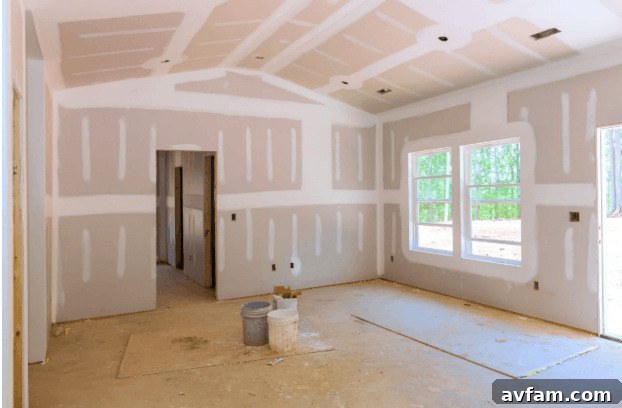
In the world of home renovation, there’s a meticulously established order for a reason. Experienced contractors adhere to a specific sequence of operations not out of habit, but out of necessity, efficiency, and to prevent costly rework. Electrical rough-ins must precede drywall installation. Structural framing comes before plumbing lines are run. The debate over whether to paint before or after flooring installations is one that contractors and DIYers alike will likely never fully settle, but even that discussion highlights the importance of specific timing. Skipping steps or doing things out of order is a recipe for disaster, significantly increasing the likelihood of damage, delays, and budget overruns.
Consider the modern professional. The Global Business Travel Association recently reported record highs in corporate travel spending. More professionals are spending extended periods working away from home, and for these individuals especially, the temptation to fast-track a renovation and jump straight to the visually gratifying cosmetic elements – painting, installing new fixtures, or adding decorative trim – is enormous. Emotionally, it makes perfect sense; you want to see tangible progress, a return on your investment of time and money. However, prioritizing finishing touches before the fundamental, “rough work” is properly sorted out is a critical error. Installing new flooring before the walls are plastered and painted can result in drips and scuffs. Hanging expensive light fixtures before the ceiling is finished might mean taking them down again. Putting up drywall before plumbing or electrical inspections are complete could necessitate tearing it all down to fix an issue.
The consequences of poor sequencing are severe. They include extensive rework, which means paying for labor and materials twice; potential damage to newly installed finishes, leading to replacement costs; and, perhaps most frustratingly, significant delays that push back your move-in date and extend temporary living expenses. The house, in its silent wisdom, does not care about your personal timeline or your desire for instant gratification. It simply demands that things be done properly, in the correct order, to ensure structural integrity, functional efficiency, and long-term durability. And if that means the bathroom remains aesthetically unappealing for another few weeks while essential underlying work is completed, remember this: far worse things can, and often do, happen when you cut corners in home renovation.
Beyond the Basics: Essential Tips for a Smoother Renovation During a Move
Successfully navigating a home renovation while simultaneously managing a relocation requires more than just avoiding common pitfalls; it demands strategic planning and a robust understanding of the challenges involved. First and foremost, develop a detailed project plan that outlines every step, from demolition to final touches, including realistic timelines for each phase. This plan should account for potential delays and include contingency time. Secondly, build a comprehensive budget that doesn’t just cover materials and labor, but also factors in unexpected costs – often 10-15% of the total budget – as well as the “Living Elsewhere” tax expenses like extended temporary housing, increased fuel costs, and dining out more often. Being financially prepared for the unknown will alleviate immense pressure when surprises inevitably arise.
Effective communication with contractors is paramount, especially when you can’t be on-site daily. Establish clear channels of communication, schedule regular check-ins (daily texts, weekly calls, site visits), and ensure all agreements are in writing. Providing detailed instructions and promptly answering questions can prevent misunderstandings that lead to costly errors. Prioritization is another key strategy: differentiate between what absolutely *must* be done before you move in for safety and essential functionality (e.g., working bathrooms, kitchen, heating) versus what can wait (e.g., cosmetic upgrades, landscaping, non-essential painting). Tackling the critical items first ensures you have a livable space, allowing you to finish less urgent tasks after you’ve settled in.
Finally, consider the mental and emotional toll. Renovating and moving are two of life’s most stressful events, and combining them amplifies the pressure. Schedule breaks, delegate tasks where possible, and don’t be afraid to seek professional help for aspects that are overwhelming. Whether it’s hiring a project manager or simply asking friends for assistance, managing your stress levels is crucial for making sound decisions and preventing burnout. By proactively addressing these additional considerations, you can transform a potentially chaotic period into a more manageable and ultimately successful transition to your newly renovated home.