
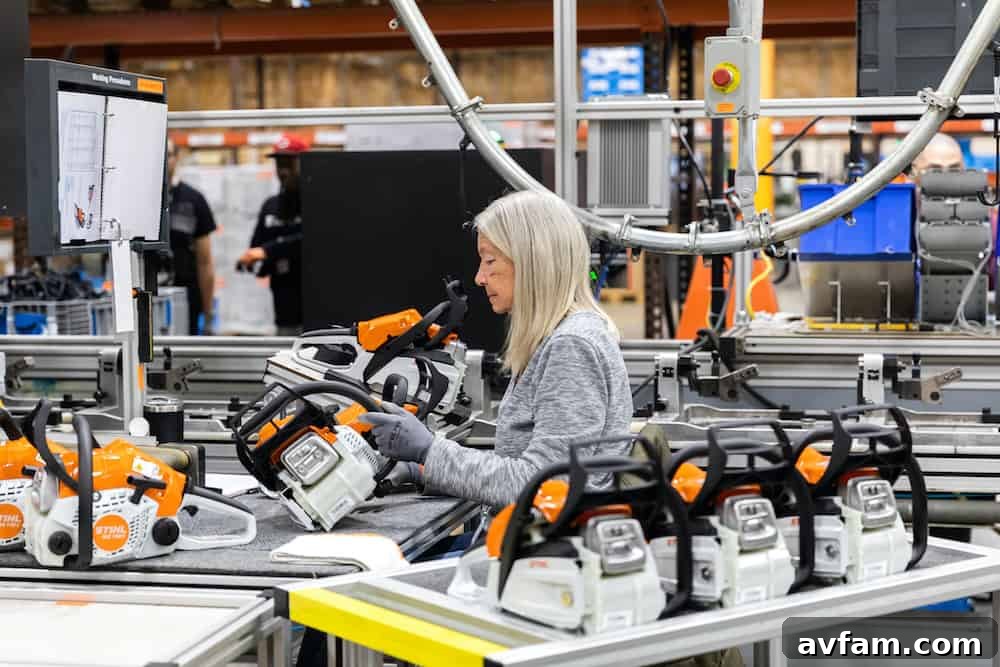
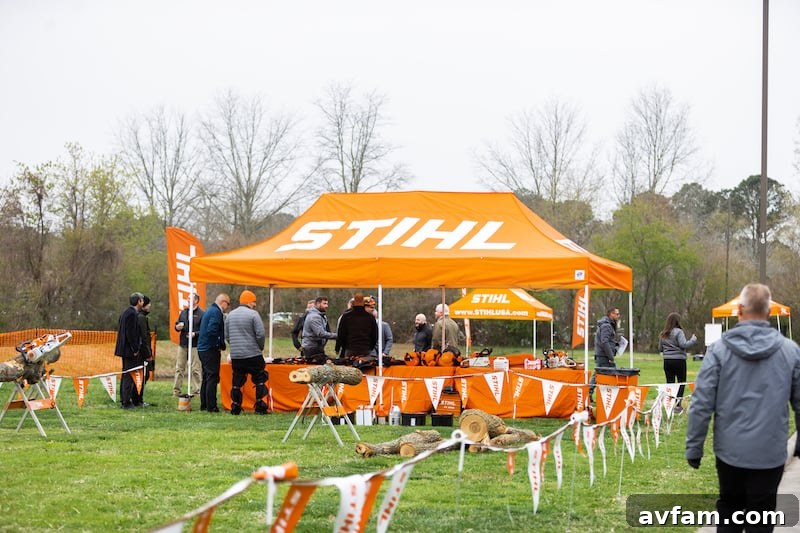
As the sun rose over Virginia Beach, signalling the start of another eventful day, I found myself, as is typical at high-profile media gatherings, rising early. After a quick splash of water to refresh and a Keurig brew to energize, I was primed for a deep dive into the world of Stihl. My itinerary included an exclusive tour of their expansive Virginia Beach factory and hands-on demonstrations of their latest battery-operated outdoor power equipment, all part of the much-anticipated Stihl 2024 Ride & Drive Event.
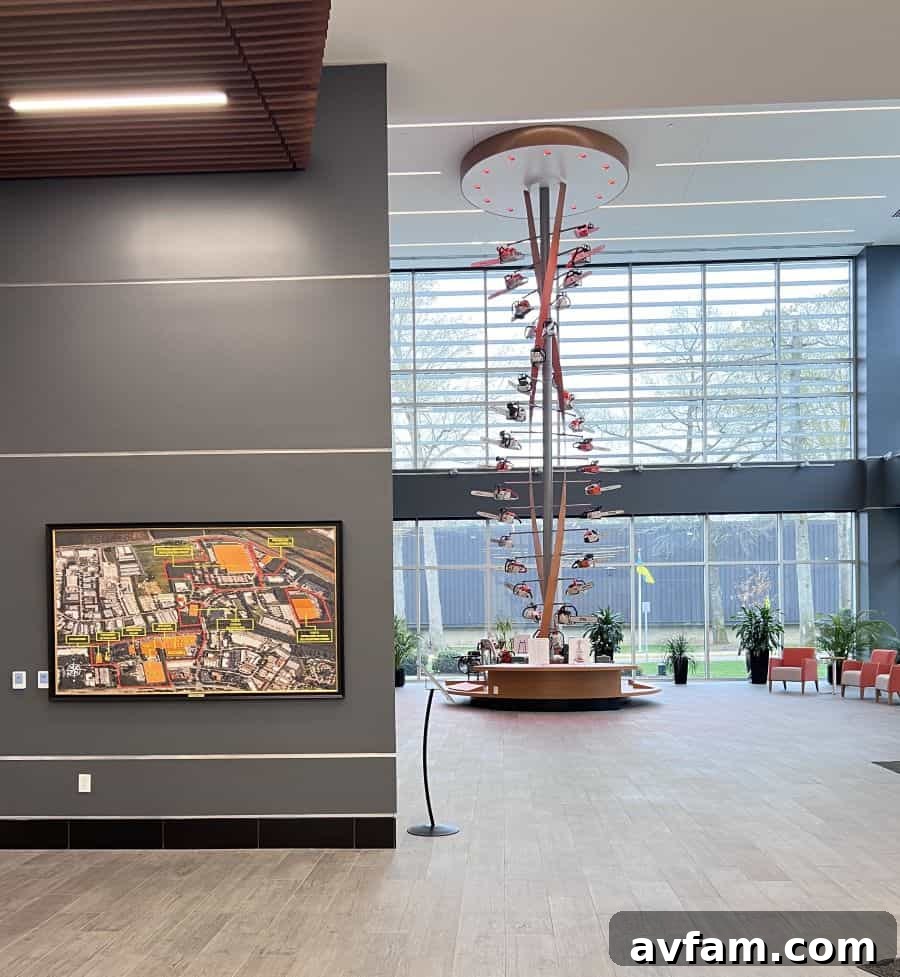
Stihl, a name synonymous with robust chainsaws and unparalleled outdoor power solutions, had extended invitations to a diverse group of 18 journalists, YouTubers, bloggers, and industry influencers. Our destination was their impressive 150-acre campus, strategically located near the bustling port of Norfolk. Here, we were set to explore their cutting-edge advancements in battery-powered tools, spanning everything from powerful chainsaws to a comprehensive range of outdoor power equipment imaginable. It’s a testament to Stihl’s global footprint that more than half of the world’s Stihl equipment, encompassing both battery-operated and gas-powered models, is manufactured right here in Virginia Beach, with a significant portion exported internationally.
My two-day immersion in Virginia yielded several critical insights that I’m eager to share. However, before diving into the core takeaways from the event, I must first share a brief, yet highly relevant, personal anecdote that underscores the profound impact and necessity of reliable outdoor power equipment.
A Timely Backstory: When Nature Calls for Professional Power
My property boasts a remarkably flat yard, punctuated by majestic patches of mature, old-growth trees. This unique landscape creates a specific challenge: when it rains, especially anything less than an inch, the water doesn’t drain effectively. Instead, it systematically and almost imperceptibly migrates downslope, pooling directly into my neighbor’s yard, which sits just below mine.
Being good neighbors, we’ve diligently attempted to manage this rainwater runoff from both sides of the property line. Despite our collective efforts, a subtle, persistent tension lingered, an unspoken concern about potential water damage or erosion.
Then, a few weeks ago, an exceptionally heavy downpour occurred. The deluge was significant enough to thoroughly saturate and soften the ground, particularly on my neighbor’s side of the fence. While other environmental factors certainly played a role, this prolonged rain proved instrumental in loosening the soil around a particular pine tree – one with an abnormally shallow root system. Gradually, its roots began to lift, imperceptibly at first, then more noticeably. This 30-foot pine started to lean at a distinct five-degree angle, a tilt that became increasingly apparent. The situation was exacerbated by subsequent strong winds, which pushed the tree further, directly towards my neighbor’s house, creating a precarious and urgent situation.

Promptly, a local tree removal team arrived early the following morning. Utilizing my driveway for optimal access, they brought in a colossal crane to meticulously address the troubled pine and another adjacent tree. It was a formidable operation that showcased the blend of skill and robust equipment required for such tasks.
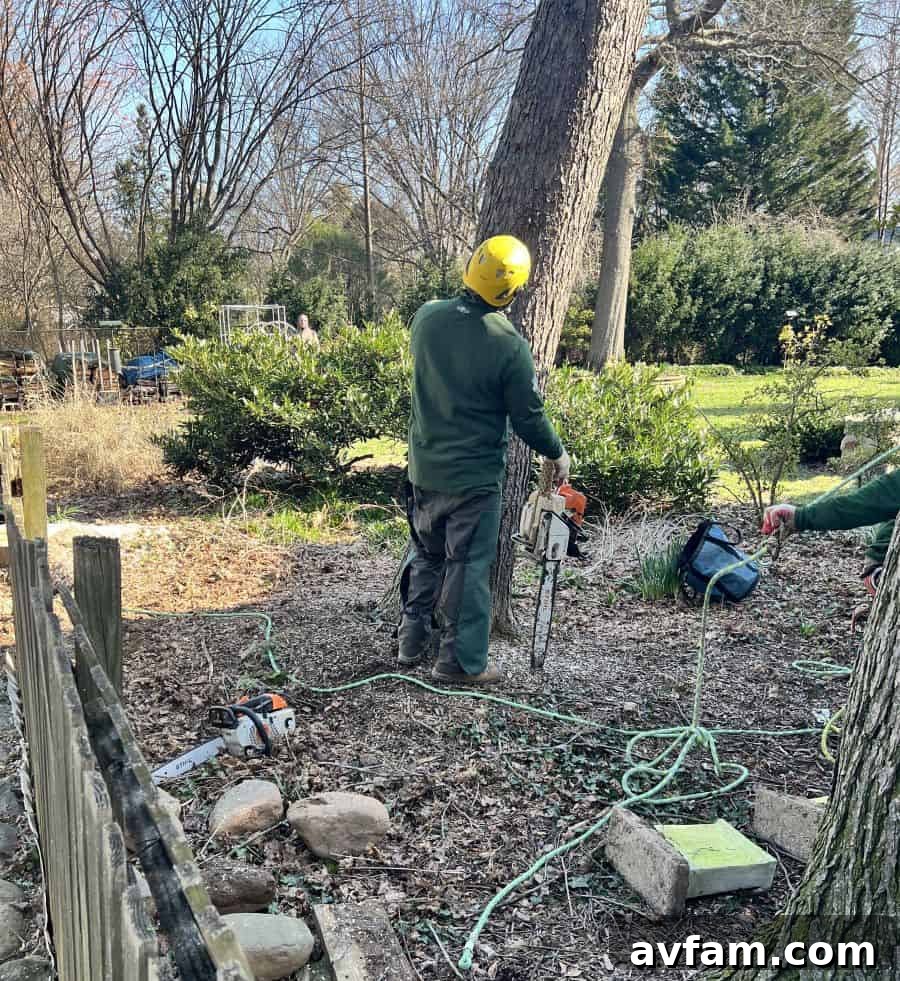
The team comprised a crane, its experienced operator, a skilled climber, and two ground crew members efficiently managing the cutting, cleanup, and feeding of the shredder. Their arsenal of tools included four Stihl chainsaws of varying sizes and a Stihl backpack blower— all gas-powered and all essential. By 11 a.m., both 30-foot trees were safely brought down and cut to stumps. A potential disaster was averted, preserving both a home and, crucially, a positive neighborly relationship. This real-life event powerfully underscored the critical role that reliable, powerful, and durable outdoor equipment plays in everyday life, a testament to the legacy Stihl has built.
A Century of Innovation: The Enduring Legacy of Stihl
The name Stihl is inextricably linked with innovation in outdoor power equipment, a legacy that began with Andreas Stihl. He is widely recognized for developing the world’s first gas-powered chainsaw in 1929, an invention that revolutionized forestry and landscaping. Over the nearly century that followed, the Stihl company continued its pioneering spirit, introducing numerous industry firsts. These include the groundbreaking invention of the first chain brake, significant advancements in anti-vibration systems that dramatically improved user comfort and safety, and the introduction of the chainsaw’s first fuel injection system, enhancing performance and efficiency. Today, almost 100 years since its inception, Stihl proudly stands as the #1 selling chainsaw brand globally and holds the #1 position as the selling brand of gasoline-powered handheld outdoor power equipment in the United States.
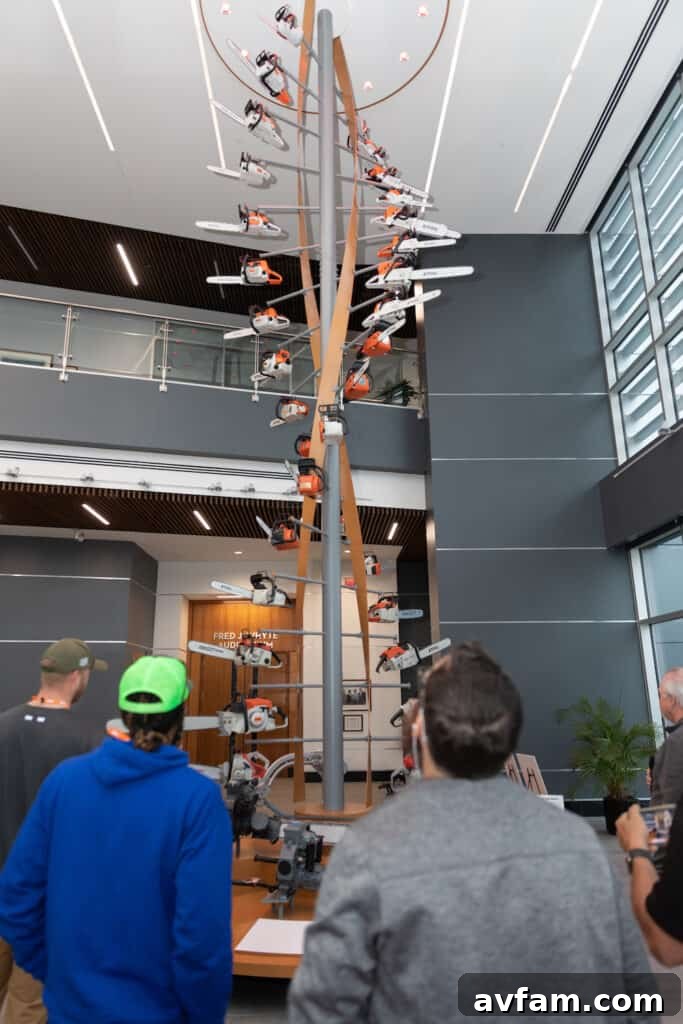
Still operating under the ownership of the Stihl family, the company is poised to celebrate its 50th anniversary in America later this year, a significant milestone reflecting its enduring commitment to the U.S. market. As an owner of an MS 210, I can personally attest to its reliability; it has consistently been the perfect chainsaw for all my general yard maintenance needs, making it difficult to imagine managing my property without it. My recent experience with the tree crew further solidified this sentiment; it’s hard to conceive how they could perform their crucial work without such powerful and dependable tools. From vital forestry services to emergency firefighting efforts, Stihl chainsaws are indispensable. Where significant cleanup or demanding outdoor work is required, Stihl equipment is almost always present, and often, it’s still the trusted gas-powered models leading the charge.
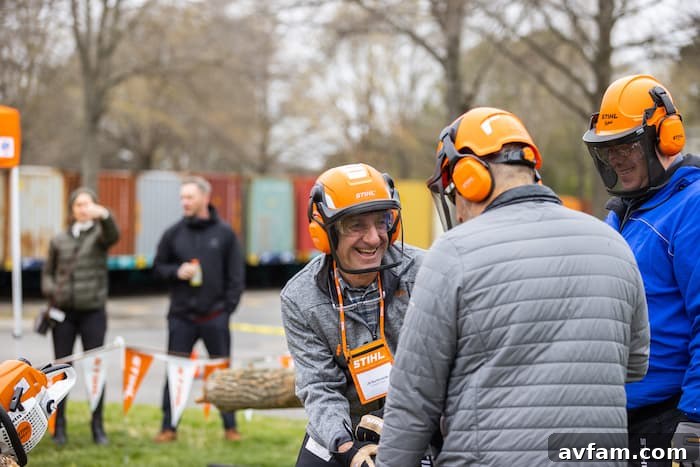
Despite the enduring popularity and performance of gas-powered equipment, our visit to Virginia Beach intentionally steered conversations away from gasoline. The primary focus throughout the event, reflecting a significant shift in industry trends and Stihl’s strategic direction, centered squarely on their rapidly expanding and increasingly sophisticated line of Stihl battery-operated outdoor power equipment.
The Evolving Landscape: Battery Tech, the EV Dilemma, and the Enduring Role of Gas
During a lunch break, I had the valuable opportunity to chat with Stuart Morrison, Stihl’s Vice President of Assembly. He provided profound insight into what he described as Stihl’s current “headspace” regarding technological advancements. Morrison emphasized that battery technology has reached a critical inflection point, with rapid advancements such as tab-less and gel technologies emerging at an accelerating pace. This maturing technology is now capable of powering tools of sufficient quality and performance to proudly bear the revered Stihl name, marking a significant stride in the company’s evolution.
Stihl’s commitment to the battery-powered sector is evident. Large sections of their factory are currently undergoing significant construction and repurposing, specifically to accommodate increased battery production and assembly. Morrison, however, also articulates a nuanced understanding of the market. He recognizes that while the technology is ready, the primary consumer base, the necessary charging infrastructure, and the associated costs are not yet universally aligned for a complete transition. He drew a compelling parallel to the current state of Electric Vehicles (EVs). Like EVs, battery-powered outdoor tools offer substantial benefits: reduced emissions, decreased reliance on fossil fuels, and potentially lower long-term operating costs. Yet, for many consumers, the decision still boils down to a fundamental comparison of the “Cost of Purchase” versus the “Cost of Ownership.” The initial investment in high-quality battery-powered tools and their accompanying battery packs often carries a relatively hefty price tag, a barrier for some.
Battery Power: The Future in Sight, While Gas Commands the Present
Intriguingly, Morrison also highlighted recent spikes in sales for certain lines of Stihl’s gas-powered equipment. This phenomenon illustrates that despite the clear industry trajectory towards electrification, gas remains a robust and preferred option for a significant segment of users. He acknowledges that some of Stihl’s main competitors are either fully electric, are in the process of transitioning, or have already committed entirely to battery-operated products. While speed to market is undeniably crucial, Morrison sagely recognizes that many of Stihl’s most loyal and valued consumers continue to depend on the unmatched durability, raw power, and proven dependability of Stihl’s gas-powered offerings. These users, often professionals or those with extensive property, prioritize sustained performance in demanding conditions.
This candid discussion with Stuart Morrison effectively crystallized the two overarching takeaways from my entire visit to Stihl. Firstly, Stihl is a company deeply committed to two fundamental principles: uncompromising quality in every product they produce, and unwavering loyalty to their extensive network of dealers and the end-users they serve. Secondly, just as Stihl values the loyalty of its dealers and customers, this loyalty is reciprocated. While Stihl is undeniably making substantial inroads with its advanced battery-powered tools, and production efficiencies are expected to make these costs more reasonable over time, it’s abundantly clear that gas-powered equipment will retain its vital role in the market for the foreseeable future. The transition is ongoing, but the present still firmly includes the roar of a Stihl gas engine.
The Stihl Advantage: A Unique Sales Model Through Authorized Dealers
Stihl distinguishes itself in the highly competitive outdoor power equipment market through its unwavering commitment to an exclusive sales model: direct distribution solely through Authorized Stihl Dealers. Globally, this network encompasses approximately 10,000 dealers. While you might find Stihl products at reputable retailers like Ace Hardware, you will not find them in major big-box stores or mass online marketplaces like Amazon. This deliberate strategy underpins much of Stihl’s success and customer satisfaction.
Wes Bartosik, a respected contributor at Tool Box Buzz, enthusiastically champions this particular sales model. He notes, “There is often a face-to-face exchange when you want to purchase a piece of Stihl equipment.” This personalized interaction is invaluable. When a customer walks into an Authorized Stihl Dealer, they don’t just pick a product off a shelf. Instead, they receive expert guidance, have their specific questions answered comprehensively, and often witness an in-person demonstration of the equipment. Crucially, in many instances, they interact with the very same technician who would ultimately service their machine should any issues arise. This direct line of communication and personalized support fosters unparalleled trust and ensures customers are fully equipped and informed.
Stihl manages its extensive distribution network through six corporate marketing and distribution centers, further distributing exclusively to five independent centers strategically located across the country. This robust network of dealers ranges from small, local tree care and lawn maintenance shops to larger, more established power equipment retailers. Each dealer is an integral part of the Stihl ecosystem, providing localized sales, service, and expertise.
During our factory visit in Virginia Beach, we were given a glimpse into an exemplary showroom. This setup showcased what an Elite Stihl Dealer embodies. In such showrooms, for handheld tools specifically, there is an exclusivity to the Stihl brand, highlighting their premier offerings. Beyond this elite tier, there’s also a secondary level of dealer certification. These dealers are required to meet additional rigorous stocking and training requirements, all meticulously administered through the Stihl Retail Readiness (SRR) Program. This multi-tiered system ensures that regardless of the dealer type, a high standard of product knowledge and customer service is maintained. Furthermore, Stihl categorizes its dealers based on their specialization, including full-line dealers offering the complete range, battery-exclusive dealers focusing on the electric future, zero-turn dealers for larger properties, and rental/industrial dealers catering to commercial needs.
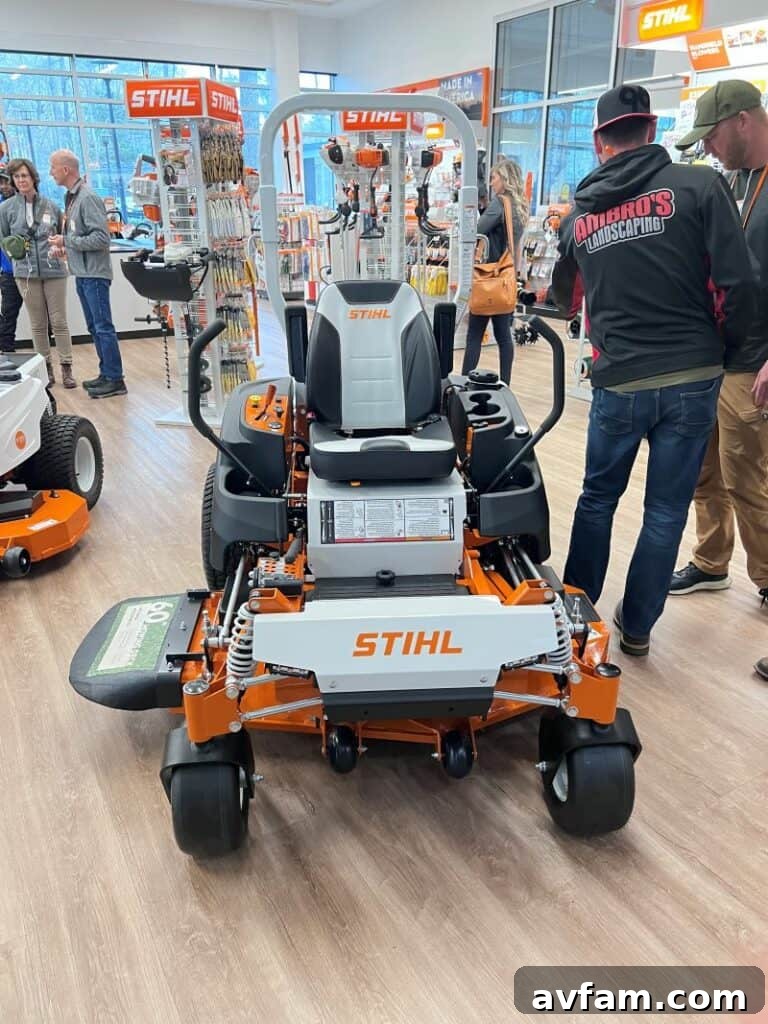
While the emphasis is on in-person sales and service, it’s worth noting that, contrary to some assumptions, Stihl products can be found at a select few authorized online locations. These include reputable platforms like Ace Hardware, Northern Tool, and Acme Tool. However, for the most comprehensive product knowledge, in-depth advice, and unparalleled technical support across all of Stihl’s extensive product lines, I unequivocally recommend seeking out a Stihl Elite Dealer in your local area. Their specialized expertise provides an unmatched customer experience that online portals simply cannot replicate.
Inside the Engine of Innovation: The Stihl Factory Tour Experience
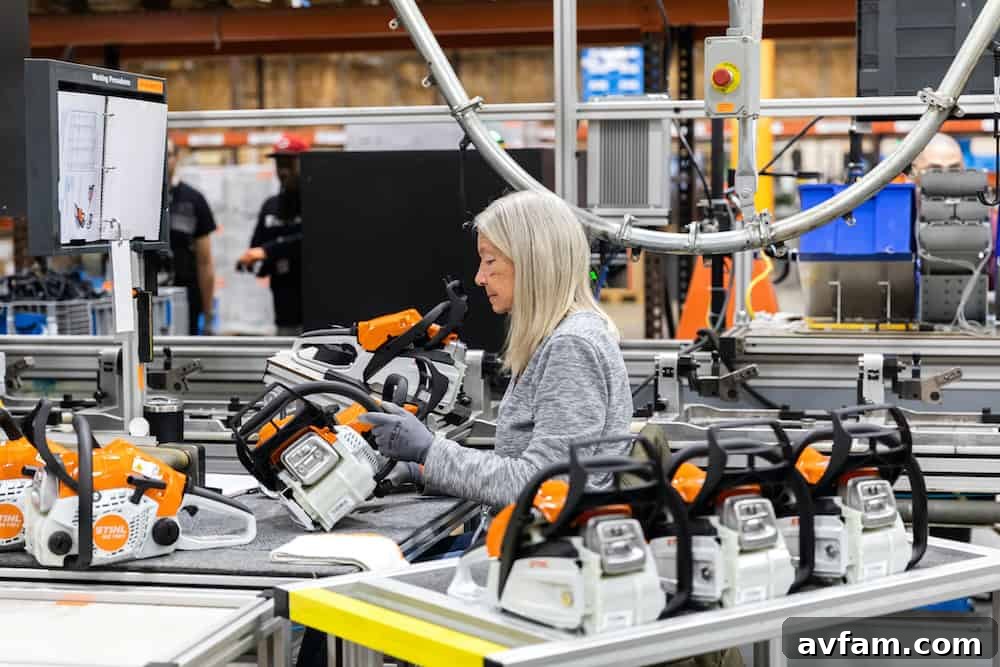
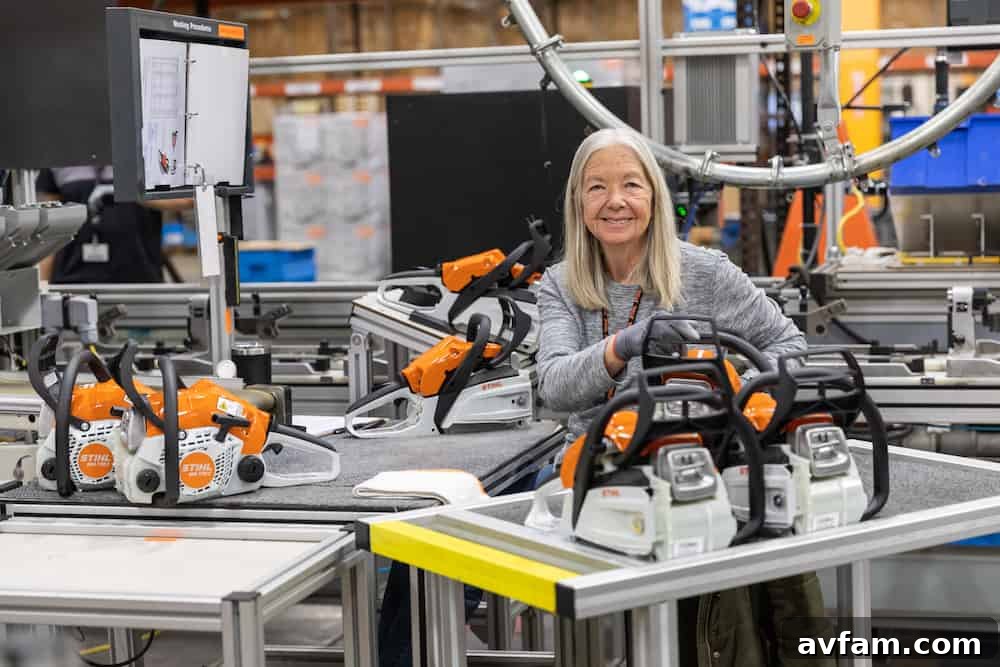
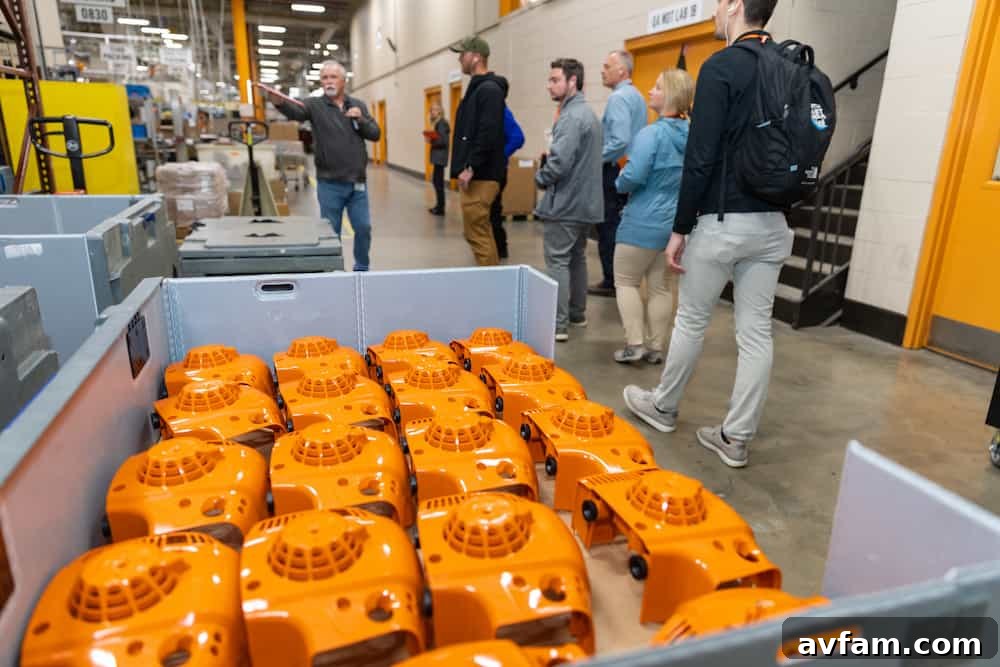
Stepping into Stihl’s Virginia Beach manufacturing facility is an impressive experience. The sheer scale is immediately apparent, with over 1,000,000 square feet of space under a single roof. This colossal operation is responsible for producing more than 100 different models of Stihl equipment. What’s more, a substantial volume of these parts and even finished products are exported directly from the nearby Port of Norfolk to over 80 countries worldwide. It’s quite remarkable to consider that a Stihl chainsaw purchased in China might very well have been manufactured in America, a true testament to their globalized, yet locally rooted, production strategy.
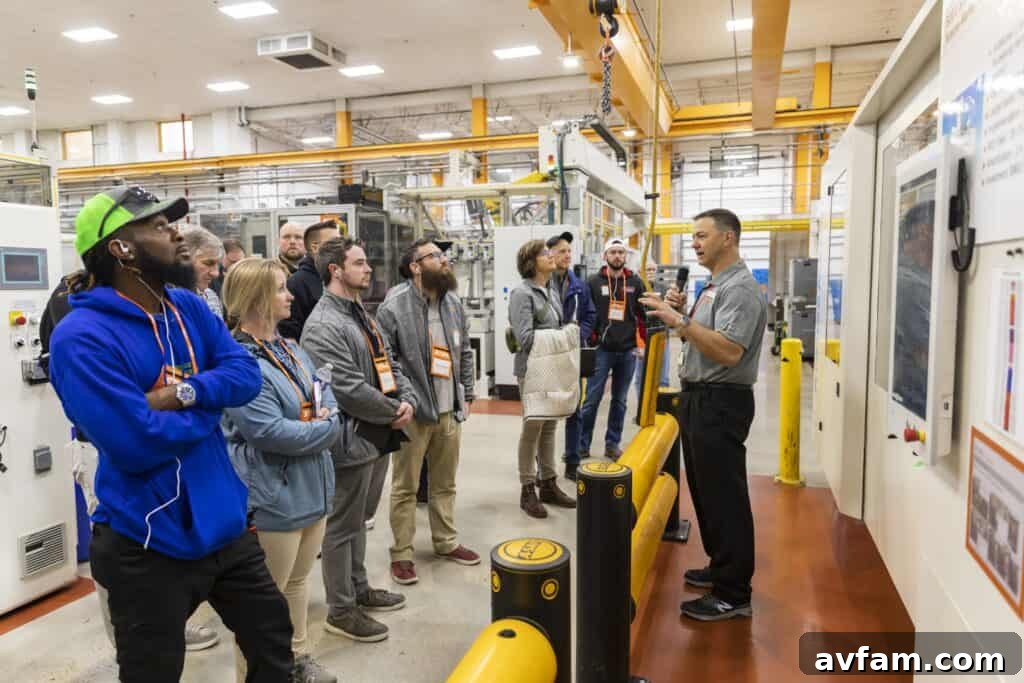
As a manufacturing endeavor, the Stihl factory operates with the precision and efficiency of a finely tuned machine, truly quite astonishing to witness. While certain raw materials are sourced externally and Stihl does collaborate with outside vendors for some components, I was genuinely amazed by the high percentage of parts that are actually produced entirely on-site. This vertical integration is a core aspect of Stihl’s operational philosophy, allowing them exceptional control over every stage of production.
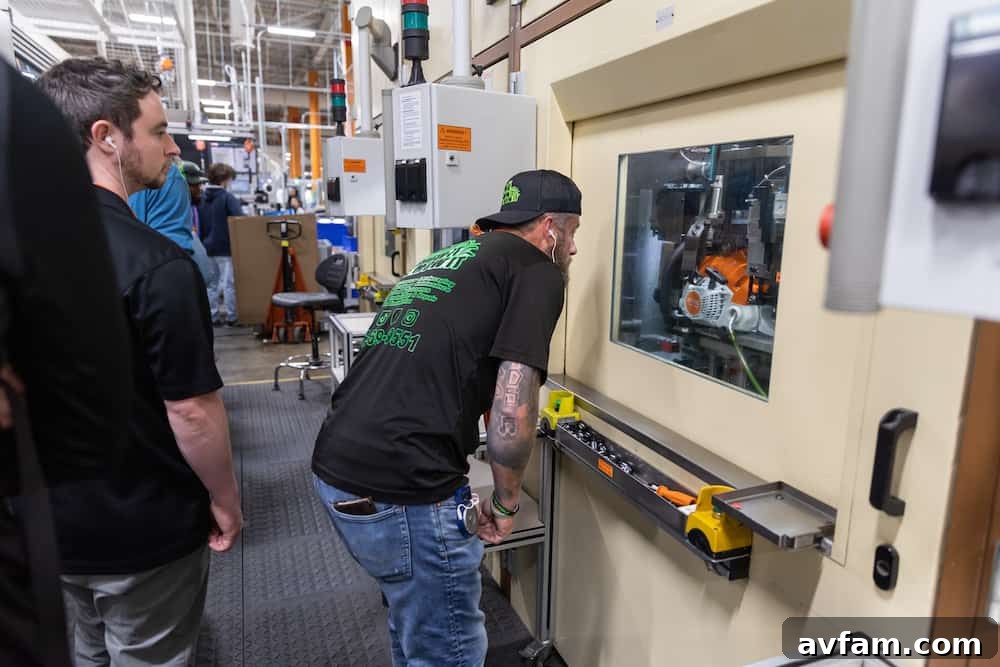
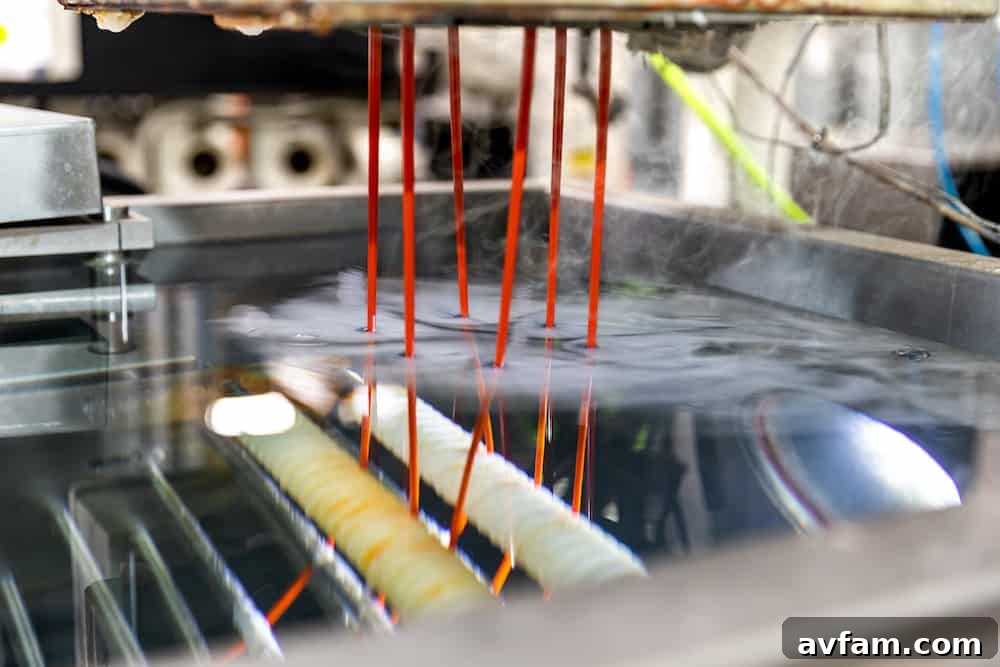
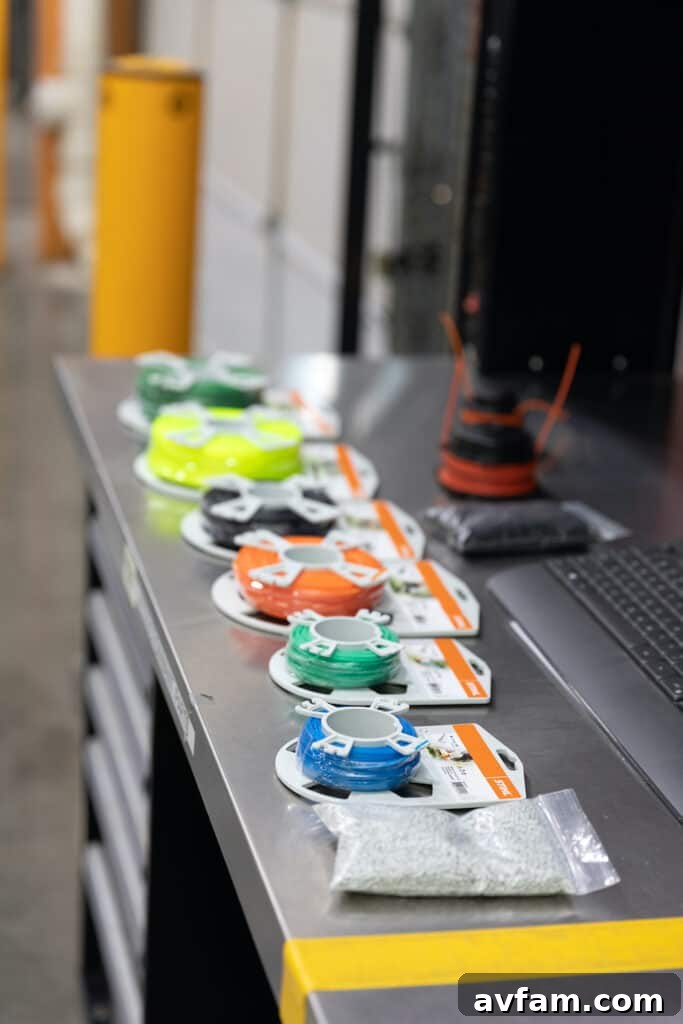
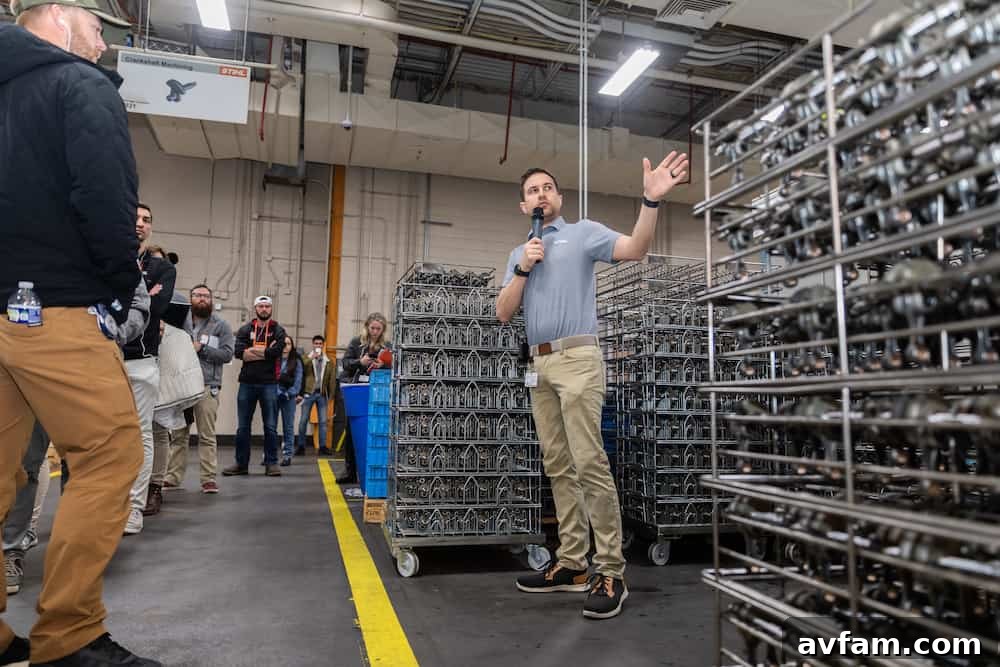
Our tour navigated through various state-of-the-art facilities, including those dedicated to machining critical components like pistons and crankshafts, advanced injection molding processes, cutting-edge battery production lines, and the meticulous final assembly areas. A particularly fascinating stop was the Trimmer Line Production unit, also known as Extrusion Molding. Here, Stihl doesn’t just assemble; they actively manufacture their own trimmer string, ensuring proprietary quality from the ground up. This unit even extends its capabilities to producing its own specialized packaging. Furthermore, demonstrating a strong commitment to sustainability, waste plastics generated during these processes are meticulously reground and reintegrated, minimizing environmental impact and maximizing resource efficiency.
The Cornerstone of Excellence: Unwavering Quality Control
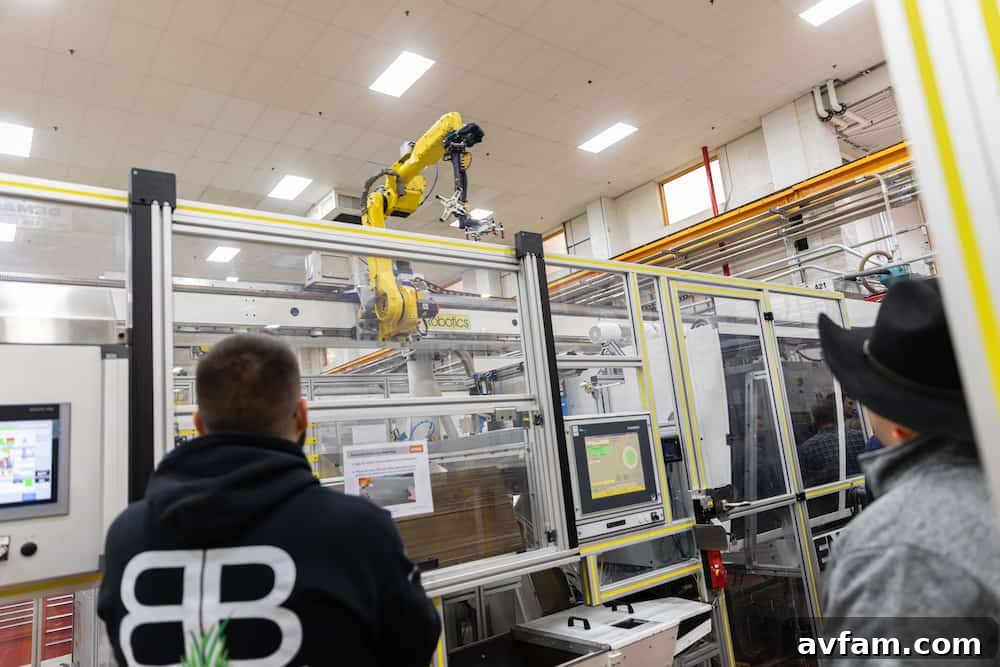
Much of the manufacturing process, as one might expect in a facility of this caliber, is highly automated. Advanced robotics are extensively utilized for precision picking and packing, while Laser-Guided Vehicles (LGVs) autonomously zip around the factory floor, continuously transporting materials from station to station with remarkable efficiency. Overhead screens display key Lean manufacturing adages such as “Balance in Tasks,” “Just In Time” production, and the importance of “Cross Training” employees. As someone who appreciates the principles of Lean manufacturing, I was particularly impressed to learn that each department within the factory operates with a dedicated production department, an independent Quality Assurance (QA) department, and a specialized maintenance team. This structured approach ensures continuous improvement and rapid problem-solving.
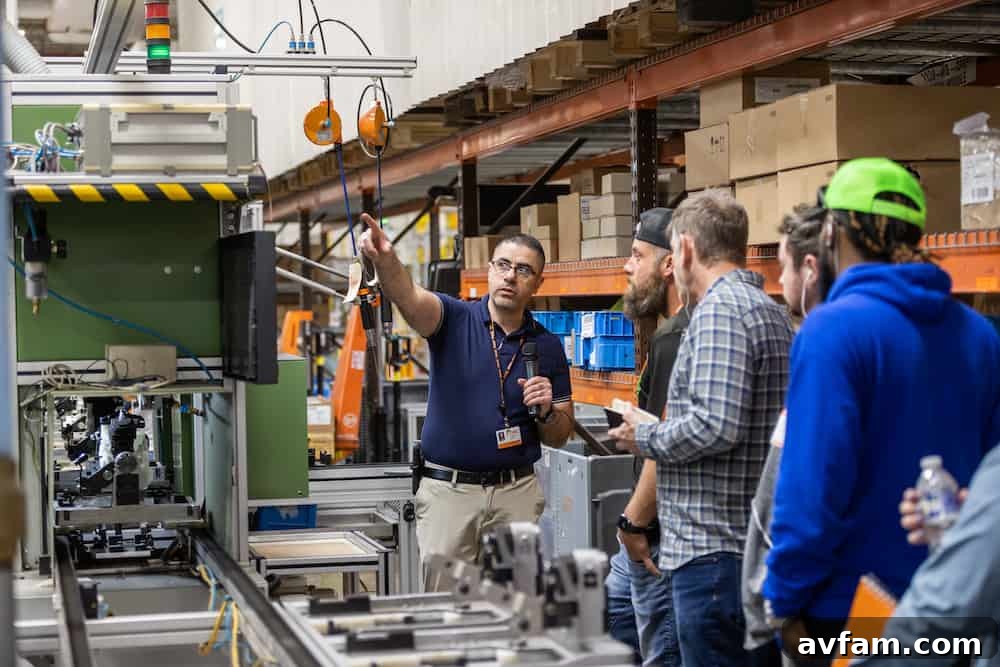
Throughout the factory tour, a consistent message resonated from various department heads, often paraphrased as, “We aim to control as many of our processes as possible so that we can ultimately control Quality.” This philosophy is not just rhetoric; it’s deeply embedded in their operational procedures. Stihl proudly claims an exceptionally low defect rate of merely 1.5%. Donny Tabor, the esteemed head of the Injection Molding unit, articulated this commitment perfectly, stating, “We know defects happen. The defects are fine, but the goal is to catch them before they leave the area in which they are introduced.” This proactive and vigilant mentality is a cornerstone of Stihl’s success, enabling the factory to maintain its highly efficient 24/7 operational schedule.
It’s impossible for me to fully convey the depth and breadth of this aspect of our visit. We observed many of Stihl’s 2,800 dedicated employees working with precision and commitment. The pervasive dedication to quality was evident everywhere: from advanced camera-based poka-yoke (mistake-proofing) systems integrated into assembly lines, to rigorous random sampling quality inspections, and a comprehensive “test box” setup at the conclusion of each production line. This final step ensures that every single engine, whether gas-operated or battery-powered, undergoes a thorough functionality check before it ever leaves the facility. (Furthermore, each engine is started at least one additional time during the dealer setup process, providing another layer of quality assurance before reaching the end-user.)
Expanding Horizons: Stihl Wheeled Goods – More Than Just Chainsaws
While Stihl’s Virginia Beach facility plays a pivotal role in global production, manufacturing over half of the company’s worldwide output, it’s clear that European influence continues to shape much of its product development and design philosophy. This influence is readily apparent throughout the factory, where most, if not all, product designs originate from Stihl’s headquarters in Germany. Similarly, the stringent quality standards applied in production, while often enhanced locally, trace their roots back to the German engineering ethos. This European heritage is particularly evident when examining Stihl’s newer product lines, such as their innovative push mowers and the latest generation of iMOW robotic mowers.
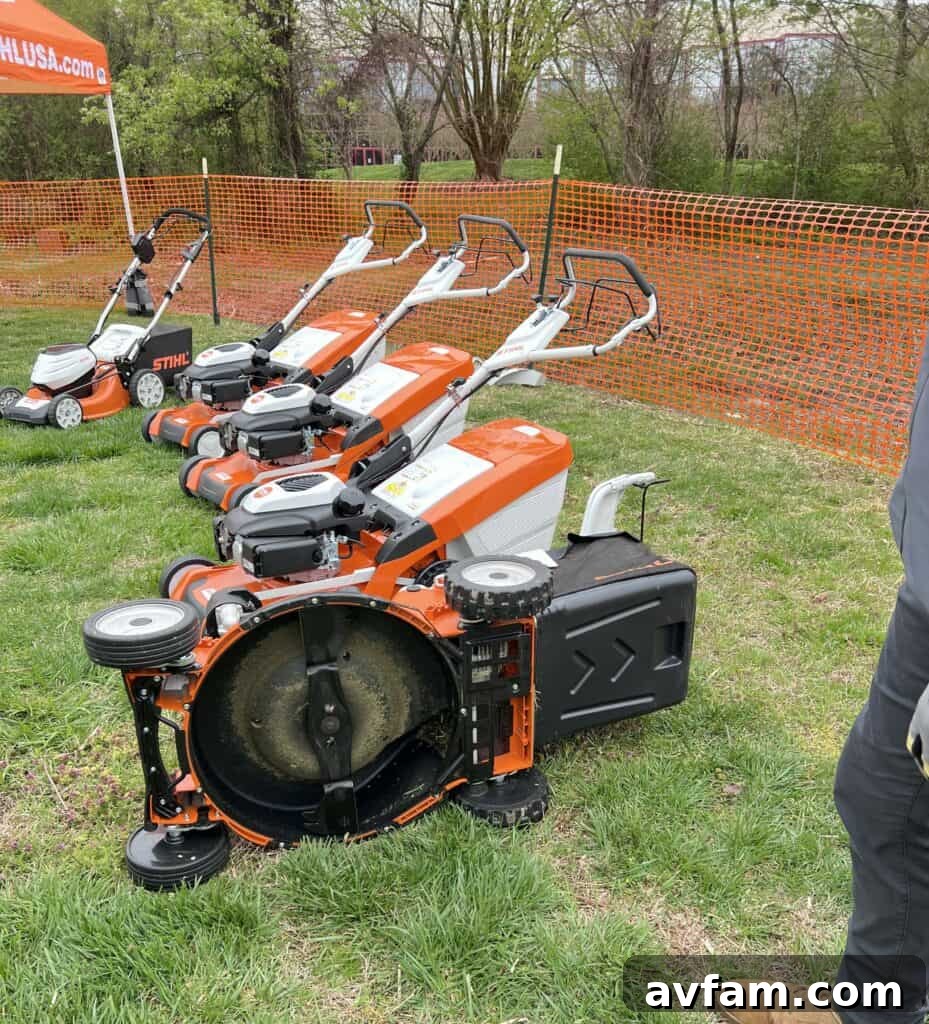
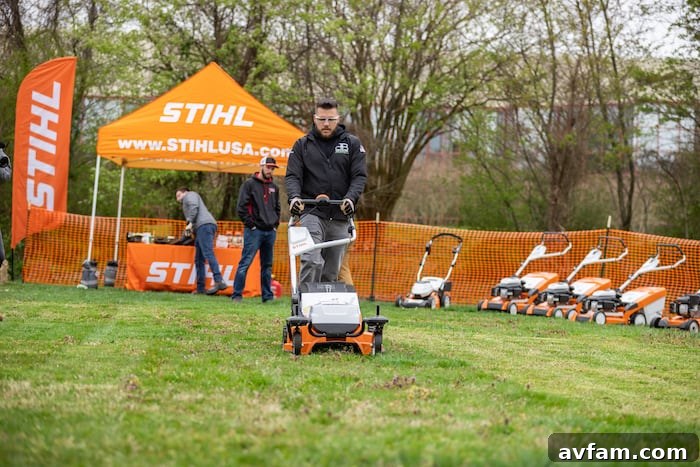
During our product demonstrations, while the focus was largely on battery power, there were instances where gas-powered innovations still commanded attention. We had an excellent opportunity to examine the powerful RMA 765 V (pictured below), but in this particular wheeled goods segment, gas models initially took the spotlight, showcasing Stihl’s continued commitment to both fuel types.
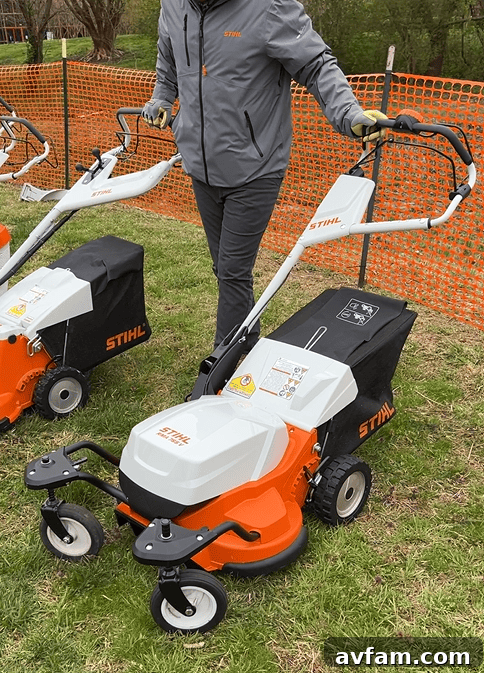
RM Push Mowers: Redefining Convenience
The mono-handle design featured on Stihl’s new RM line of push mowers is instantly striking and remarkably innovative. Product Manager Andrew Johnson was quick to highlight its considerable advantages. With only a single “rail” supporting the handle, users gain effortless access to the mower’s collection bag, simplifying emptying. Furthermore, this design allows for notably easier height adjustments, making it a breeze to adapt to varying grass conditions or desired cutting levels.
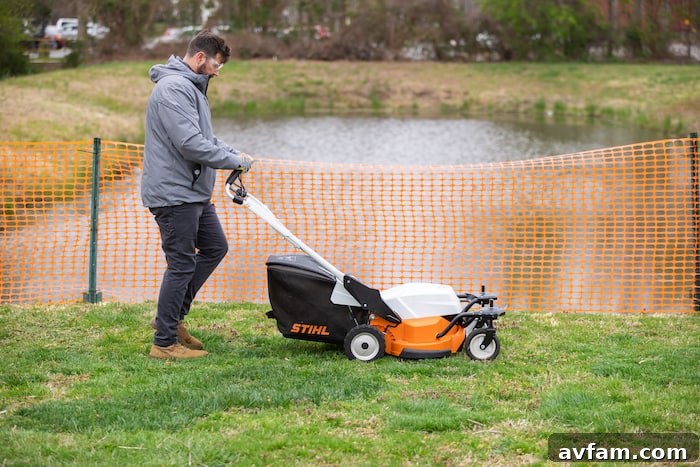
Other impressive features found across many models within the RM line include their air-assisted clamshell polymer collection bags, engineered for highly efficient collection of grass clippings, minimizing spillage and maximizing capacity. These mowers also boast exceptional portability and storage capabilities; they can effortlessly break down and literally fold in half, allowing for upright storage without any risk of oil or gas leakage, a significant advantage for homeowners with limited space. Stihl proudly states that this ingenious design has been rigorously tested and successfully implemented in Europe for several years, proving its reliability and user-centric benefits.
According to Product Segment Manager Louis Danet, an exciting reimagined iMOW robot has also garnered immense positive reception in Europe. These robotic mowers, along with some other groundbreaking products showcased, are so new that they have yet to appear on the Stihl USA website, underscoring their fresh entry into the market.
iMOW Robotic Mower: Intelligent Lawn Care
Unlike many autonomous lawn care devices, the new iMOW system utilizes a precise perimeter wire and a centrally installed guide wire—both of which can be discreetly buried—to expertly navigate the yard and efficiently find its way back to its docking station. A truly elegant aspect of this updated design is the flexibility it offers: mowing can be initiated from virtually any point along the guide wire. This innovative feature makes it entirely feasible to manage the front yard on one day and the backyard on another, providing unmatched scheduling convenience for homeowners.
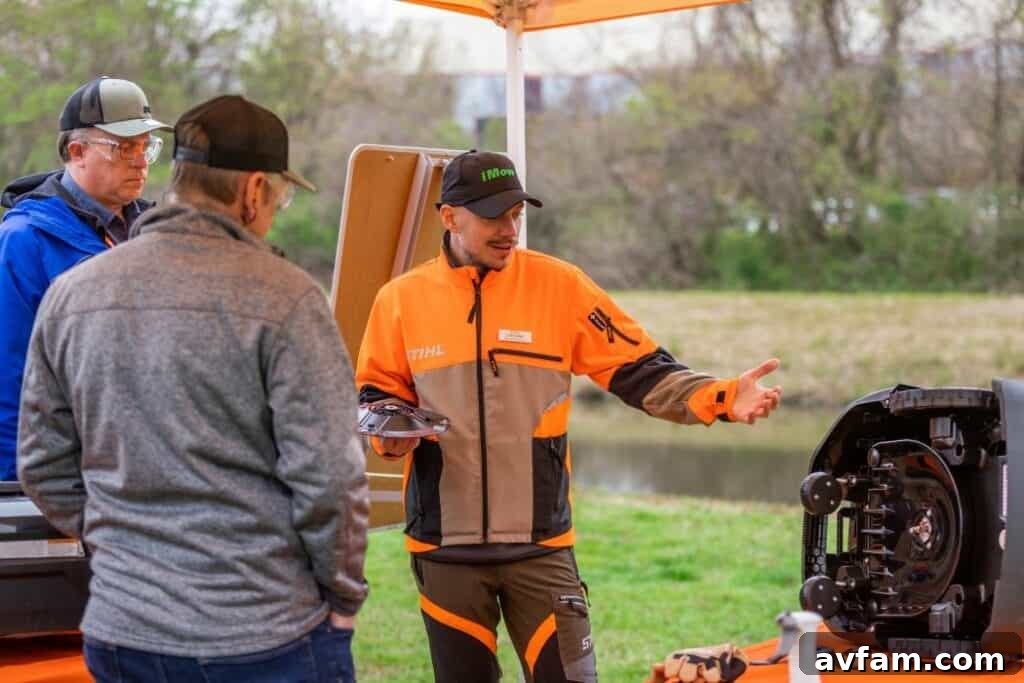
Much like popular robotic vacuums, the iMOW can be conveniently controlled and monitored directly from your smartphone or tablet, offering seamless integration into a smart home ecosystem. The top-tier model, the iMOW 7 EVO, is engineered to manage expansive lawns, capable of cutting up to an impressive one acre. It features an 11-inch wide cutting path, can effectively handle grass heights up to 4 inches, and boasts an approximate run time of four hours on a single charge. Specifications claim this robust robot can even tackle slopes up to 55 degrees with an optional upgrade kit, showcasing its versatility. Equipped with two advanced sensors, it intelligently detects obstacles and even incorporates a rain sensor to prevent mowing in adverse weather. Another ingenious detail is its cutting mechanism: it employs a set of three specially designed razor blades, which are remarkably durable and are said to last an entire mowing season, minimizing maintenance. (See it in action below.)
In This Video: Lawn Care Pro & Influencer, Blake Albertson showcases the iMOW 7 EVO.
Louis Danet, himself a European import, presented the iMOW’s capabilities brilliantly on paper, painting a compelling picture of its efficiency. However, as with any emerging technology, I’m eager to observe its performance in a truly diverse, real-world setting. Questions naturally arise: How effectively does it navigate irregular yard shapes? What about varied grass types, particularly areas prone to weeds? We all recall the early social media videos of robotic vacuums encountering unfortunate “accidents” and spreading messes indoors. For homeowners with relatively flat, regularly shaped yards and well-maintained grass, the iMOW could genuinely be a significant time-saver and a revolutionary approach to lawn care. Its potential is immense, but practical application in varied environments will be the ultimate test.
RZA 700 Series Professional Zero-Turn: Power for Expansive Properties
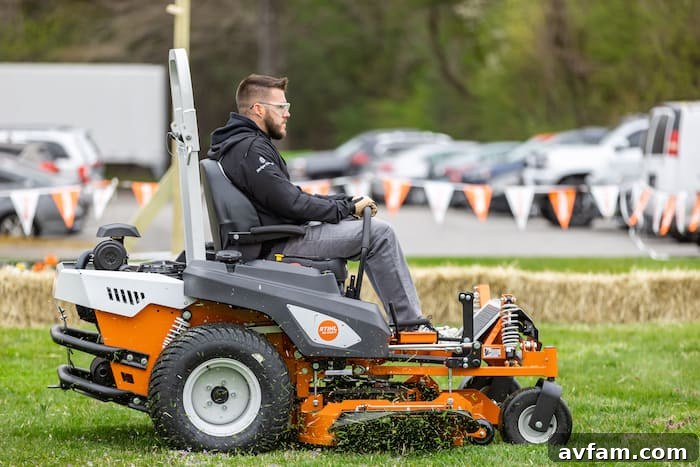
Just as I found myself pondering whether European landscaping demands truly mirrored the expansive, grassy landscapes common in the US, I turned to behold Stihl’s latest and most impressive Zero-Turn mower. This magnificent machine was showcased alongside six other models, predominantly gas-powered, that we reviewed that day, clearly indicating Stihl’s robust offering in this professional-grade category.
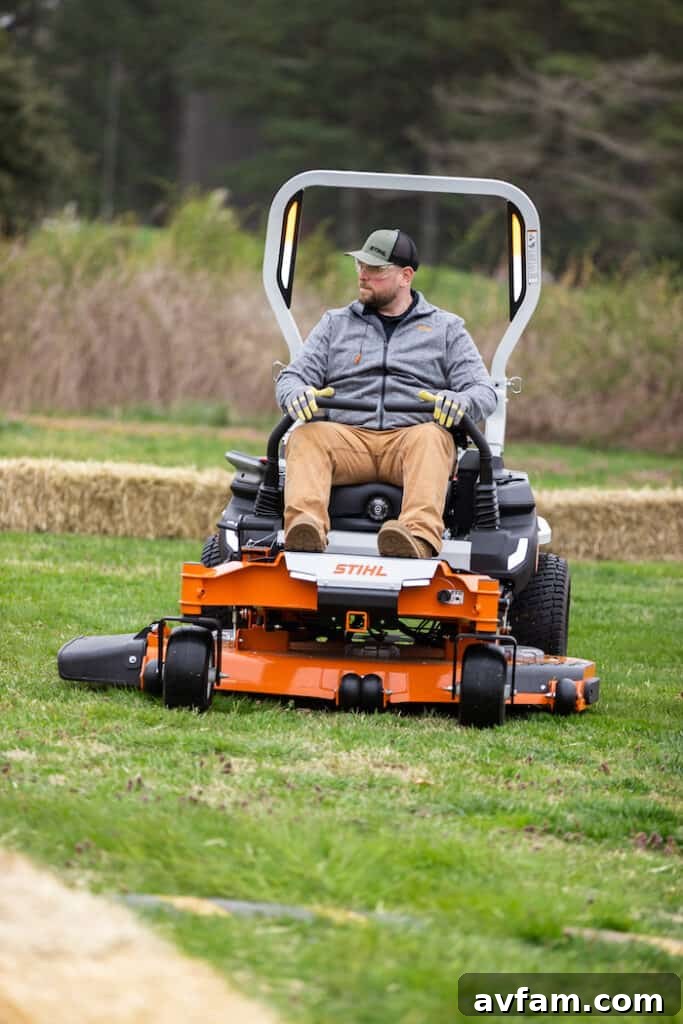
This was the RZA 700 Series Professional Battery-Powered Zero-Turn. With a sticker price comparable to a new Kia vehicle, its capabilities can be succinctly summarized with two words: game-changer. This machine represents a significant leap forward in battery-powered large-scale lawn care, promising efficiency and power without the reliance on gasoline. (Here it is in action below.)
In This Video: Reviewer, Jason Cockerham takes the RZA 760 for a test drive.
It’s worth noting Stihl’s strategic partnerships in its wheeled goods division. For their RM series gas mowers, Stihl has collaborated with Kohler to produce robust engines, leveraging Kohler’s expertise in small engine technology. Similarly, for their powerful gas-powered Zero-Turns, they have chosen Briggs and Stratton, another industry leader, to provide reliable and high-performance powerplants. These partnerships underscore Stihl’s commitment to delivering top-tier performance across its diverse product range, whether gas or battery-powered.
Decoding Stihl’s Battery Product Lines: Power for Every Need
Throughout the product demonstrations, the clear emphasis was placed on Stihl’s innovative and expanding range of battery-powered offerings. To simplify selection for consumers, Stihl has thoughtfully categorized its battery systems into three distinct lines: AS, AK, and AP. Each line is tailored to specific user needs and performance requirements, ensuring there’s a Stihl battery solution for every outdoor task.
In a nutshell, here’s a breakdown of the Stihl battery platforms:
- AS Line – Precision Gardening: This compact and lightweight battery system is designed for versatility and ease of use. Tools in the AS line are ideal for detailed work and lighter tasks around the garden, making them perfect for precision gardening where maneuverability and minimal weight are paramount.
- AK Line – The Homeowner Series: Representing a significant step up in power and runtime, the AK line is Stihl’s robust offering for general homeowner needs. This comprehensive platform powers a wide array of tools, from efficient lawn mowers and powerful blowers to versatile trimmers and homeowner-grade chainsaws. It strikes an excellent balance between performance and user-friendliness for typical residential property maintenance.
- AP Line – Professional Level Performance: The AP line is engineered for demanding professional applications, providing superior power, extended run times, and enhanced durability. Key batteries in this series include the AP 200, AP 300 S, and the high-capacity AP 500 S.
- With each successive model number in the AP series, users gain incrementally longer run times and greater power output, catering to the rigorous demands of landscape professionals.
- The AP line also extends to include the high-capacity AR 2000 L and the AR 3000 L Backpack Batteries. These external battery packs offer significantly longer operational periods, crucial for professional crews working extended hours.
- From my observations, the AR Backpack Batteries are highly versatile, designed to power both the incredibly potent BGA 300 Pro Blower and the higher-end walk-behind mower, the RMA 765 V, underscoring their cross-platform compatibility for professional users.
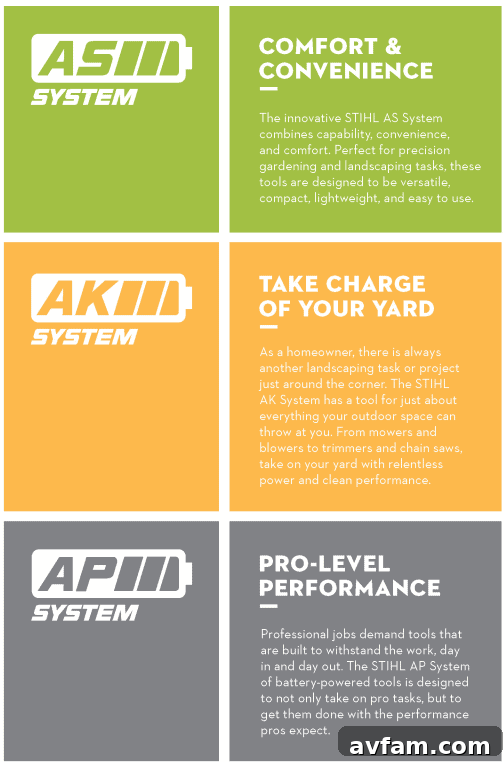
Pro Tip for Stihl Identification: The inclusion of an ‘A’ in a Stihl model number is your key indicator that it is a battery-operated tool. For instance, while ‘RM’ typically denotes gas-powered lawnmowers, ‘RMA’ signifies their battery-powered counterparts. This consistent nomenclature ensures that all Stihl Battery-Operated Outdoor Power Equipment seamlessly integrates with one of these three distinct and powerful battery platforms.
Stihl Battery-Operated Outdoor Power Equipment: A Closer Look at the Demos
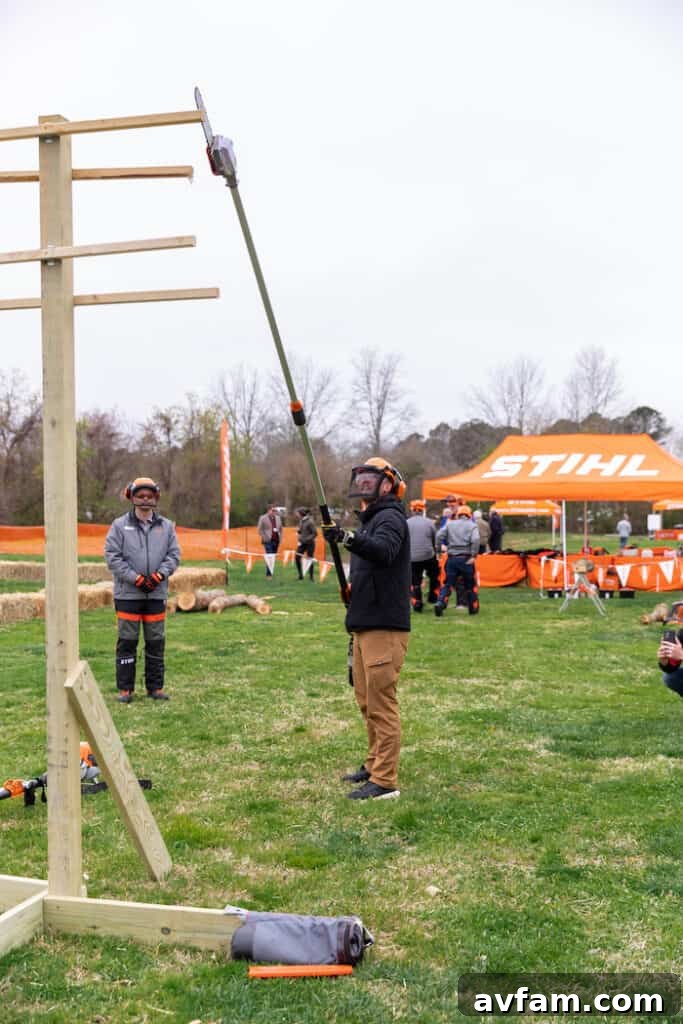
During our extensive product demonstrations, we encountered an impressive array of Stihl’s latest battery-operated outdoor power equipment. While time constraints prevent me from detailing every exceptional tool we saw – and I firmly believe every homeowner could benefit from a quality battery-operated pole saw – below is a concise overview of the most notable and innovative battery-powered offerings from Stihl.
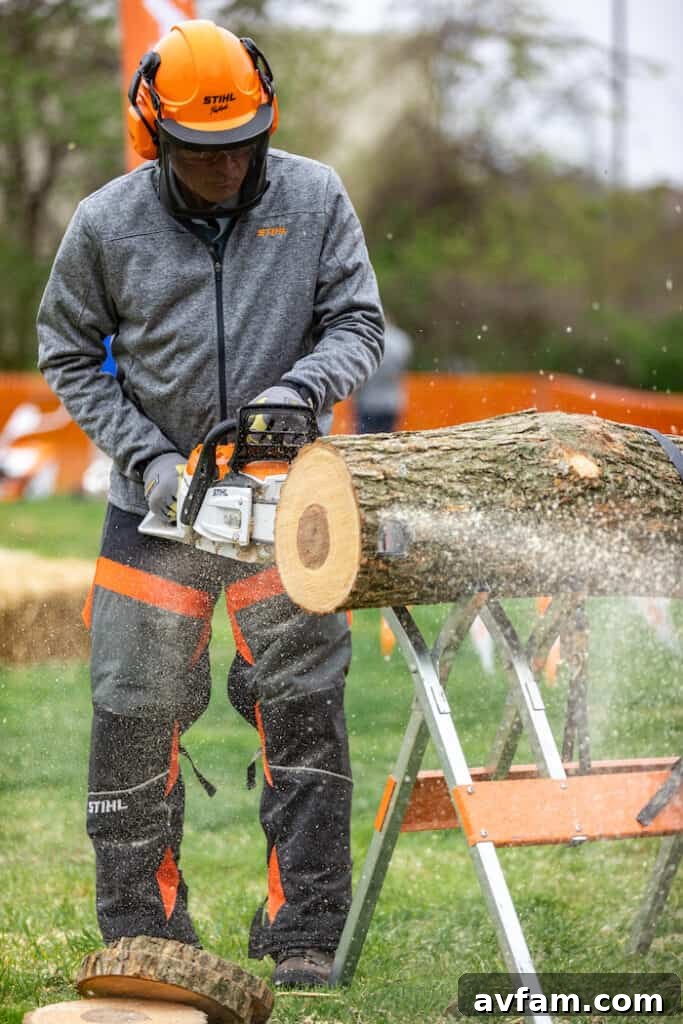
For a complete exploration of their diverse range, Stihl’s full product catalog is readily available on the Stihl USA website.
AS Line: Precision & Portability for Everyday Gardening
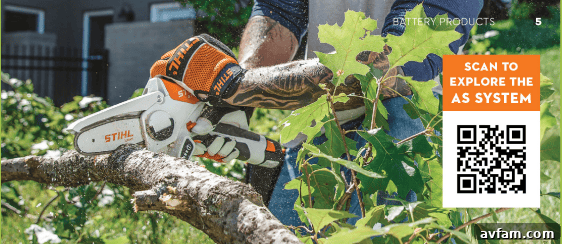
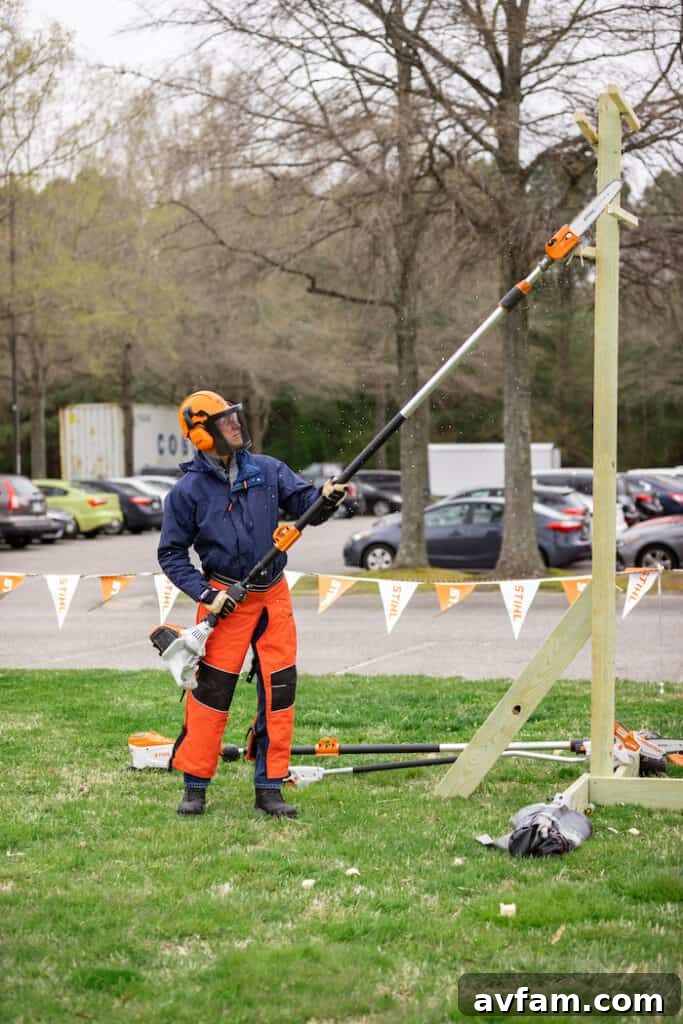
- GTA 26 Pruner + AS 2 10.8V: This innovative tool is essentially a miniature chainsaw, featuring a 4-inch guide bar perfect for precise pruning tasks. It offers remarkable versatility, as it can also be extended with a pole for reaching higher branches. Powered by the included AS 2 battery, users can achieve up to 80 cuts of 1.6-inch diameter wood on a single charge, making it incredibly efficient for a variety of gardening needs.
- HSA 30 & HSA 40 Hedge Trimmers: For homeowners who require a cordless hedge trimmer more than just once or twice a year, these models are an absolute must-consider. At an outstanding price point of $149.99, including two AS2 batteries, they offer exceptional value. The HSA 30 and HSA 40 are remarkably lightweight, making them easy to handle and maneuver during extended trimming sessions. Crucially, they deliver what I would describe as exceptional cutting power for their class, effortlessly tackling dense hedges. Both models are rated for an impressive runtime of 80 minutes, ensuring ample power for most yard tasks.
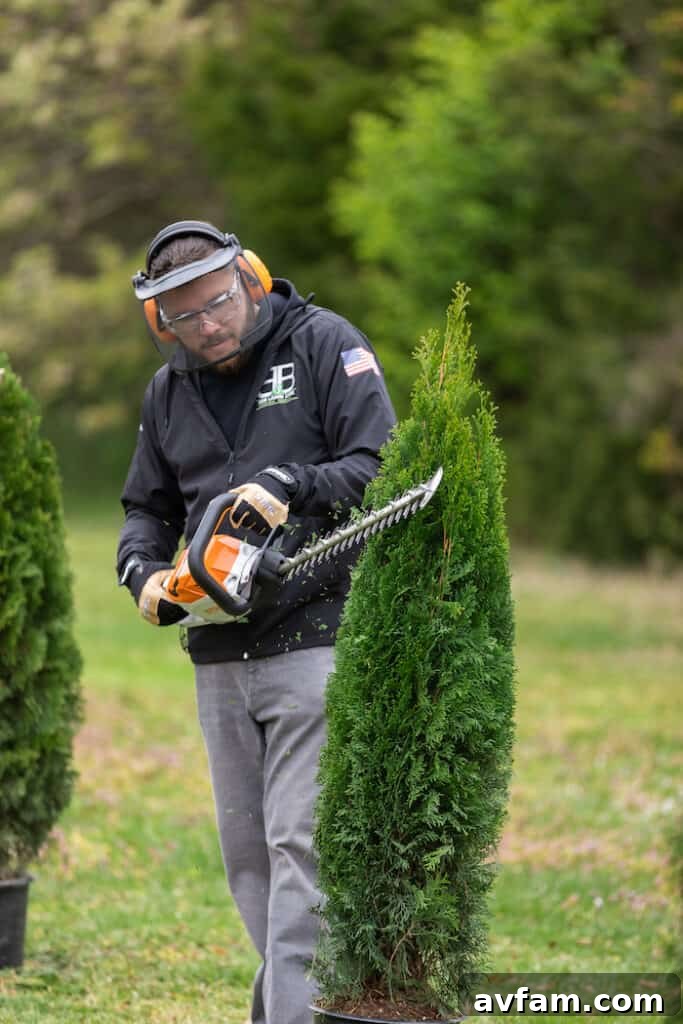
For those requiring even more power and extended capabilities in hedge trimming, exploring the AK platform is highly recommended. The HSA 50 and HSA 60 models are particularly worth a closer look for their enhanced performance and longer runtimes, catering to more demanding tasks or larger properties.
AK Line: Robust Solutions for the Dedicated Homeowner
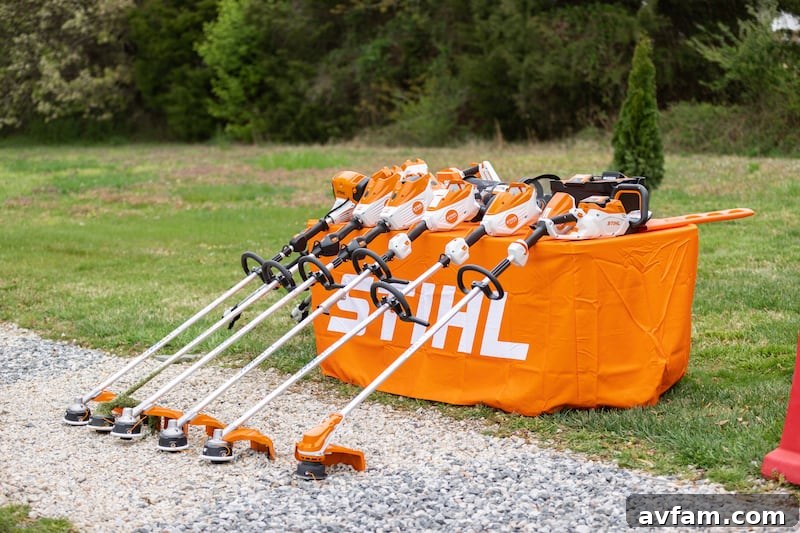
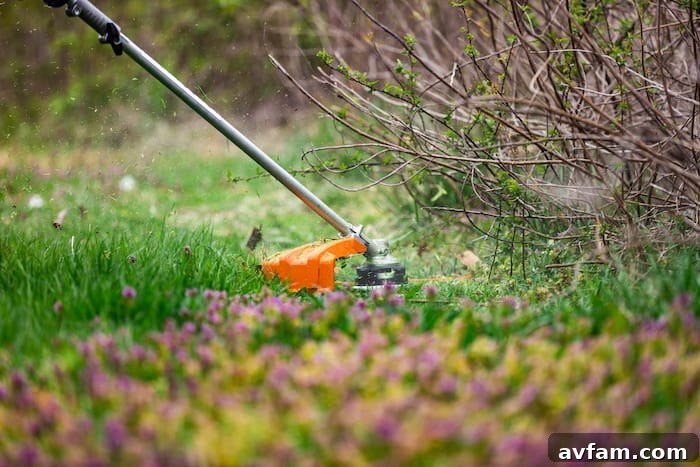
- FSA 80 (with Bicycle bars) & FSA 80 R: These models, typically shipping with an AK20 battery and charger, represent a higher-end option compared to entry-level homeowner string trimmers. As an owner of a rival brand’s trimmer, I must admit that the Stihl FSA 80 offered a superior feel and balance. The quick-adjust handle made it incredibly easy to find the most comfortable and balanced operating position. Paired with this, the FCA 80 is a dedicated edger, providing crisp, clean lines for a polished lawn appearance.
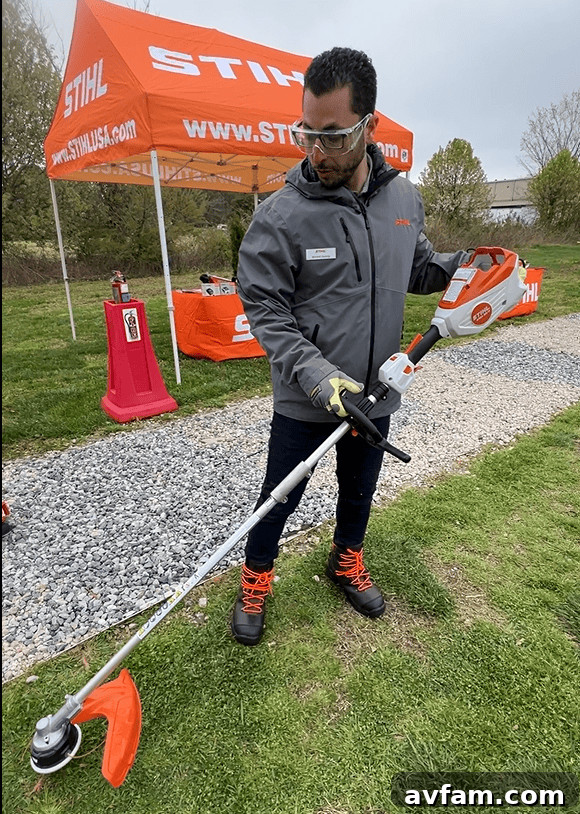
- KMA 80 Multi-Tool (pictured above): Designed with advanced homeowners in mind, this versatile tool builds upon the robust foundation of the professional KMA 200 RM KombiMotor. The KMA 80 features a highly adaptable KombiMotor powerhead that opens up a world of applications. It can be transformed for tasks such as precise edging, efficient trimming, thorough cleaning of driveways, sidewalks, and decks, effective cutting of branches, meticulous hedge trimming, and much more. This all-in-one powerhead proudly accepts 14 KombiSystem Attachments, allowing users to customize their tool for virtually any outdoor task. From a reliable Pole Pruner to a precise Trimmer, and even surprising options like a Cultivator for garden beds or a Power Sweep for debris, the KMA 80 offers unparalleled utility. (A comprehensive list of available KombiSystem Attachments & their respective Run Times is provided below.)
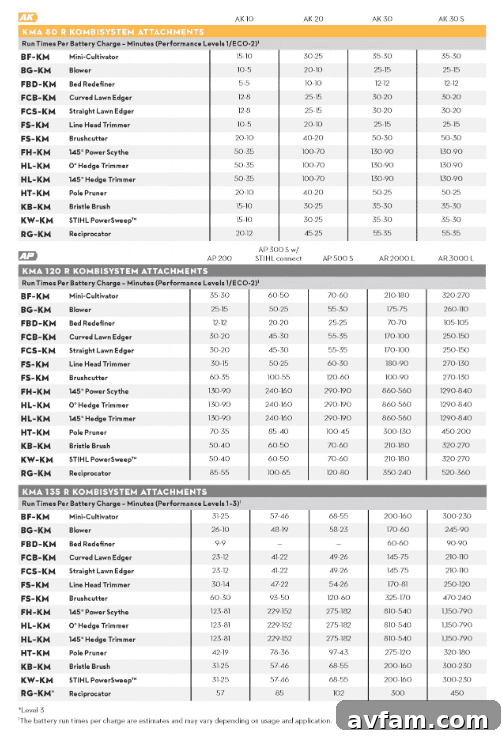
The KMA 80 can be purchased as a kit, typically shipping with an AK 30 Battery, an AL 101 Charger, and its Line Trimmer Attachment, all at an attractive MSRP of $499.99. I am genuinely eager to put this multi-tool through its paces in a real-world setting. On paper, its versatility and engineering are incredibly compelling for advanced homeowners seeking to consolidate their outdoor power equipment. While I appreciate its theoretical advantages, this is one power tool I would need to extensively use for a period before confidently endorsing it without reservation. Its potential, however, is undeniable.
AP Line: Professional Grade Power & Performance
- FSA 200 & 200 R String Trimmers: These models represent the professional-grade evolution of the FSA 80, previously discussed. Engineered for intense, continuous use, they boast significantly longer run times and are proudly touted as the most powerful battery-operated trimmers available across the entire Stihl lineup. They are designed to meet the rigorous demands of landscape professionals.
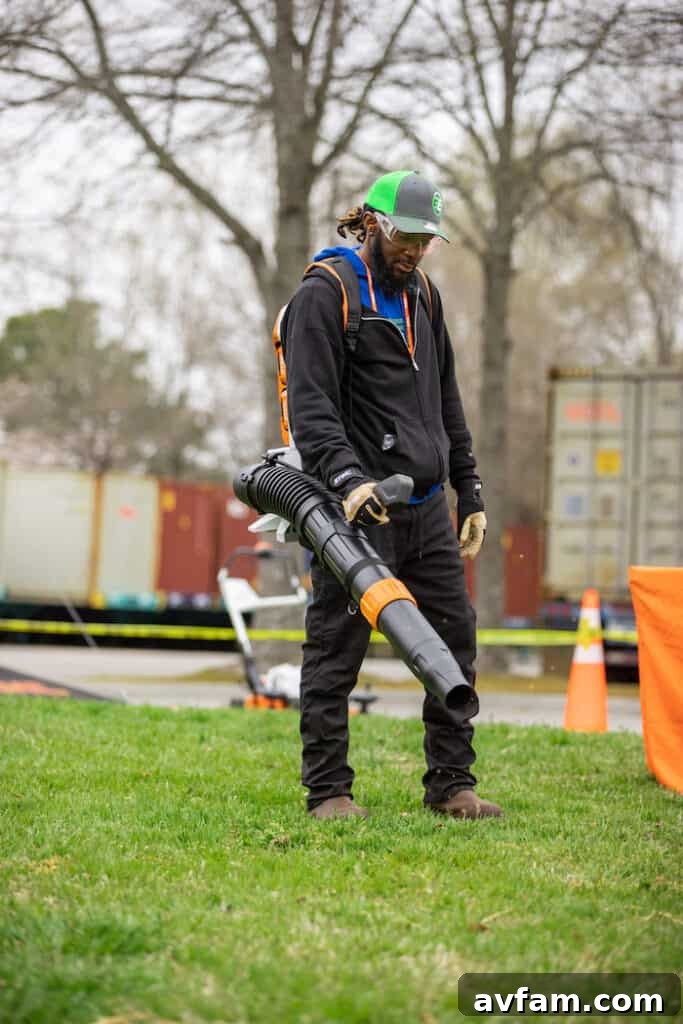
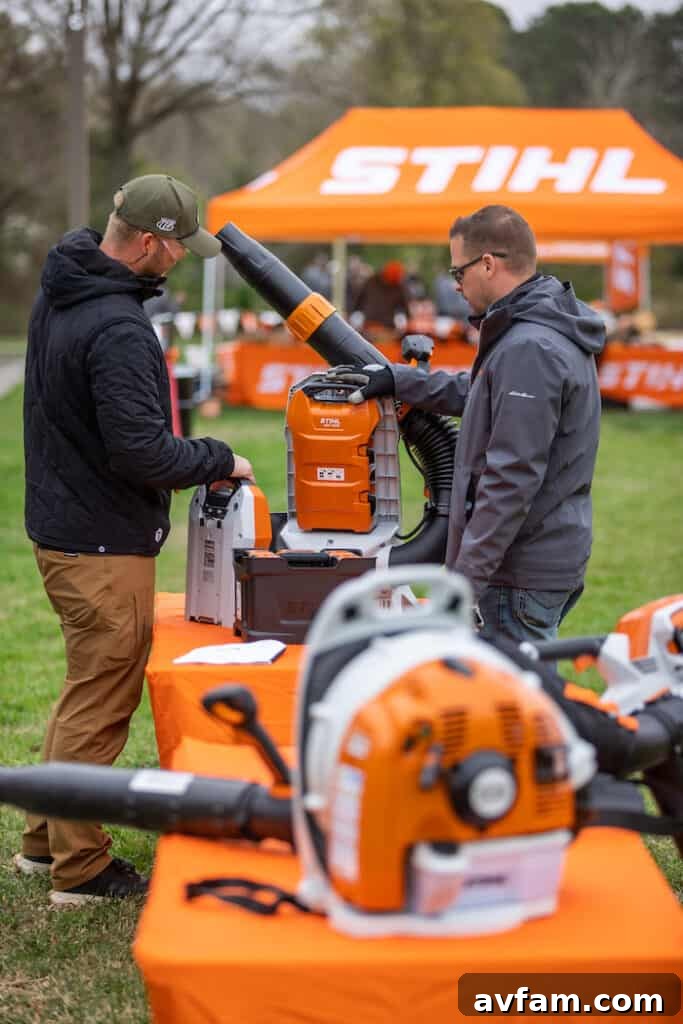
- BGA 250 Handheld Blower: Stihl’s newest Pro Handheld Blower impressed with its ergonomic design and exceptional balance, making it comfortable for extended operation. It is said to deliver power comparable to the larger BGA 300 Backpack Blower, making it incredibly potent for a handheld unit. Designed with meticulous attention to ergonomics, its innovative shape helps to significantly reduce the force of torsion on the wrist, minimizing fatigue. During the demo, I was easily able to move a small paver brick across a parking lot with its impressive blowing force, a clear indicator of its professional capability.
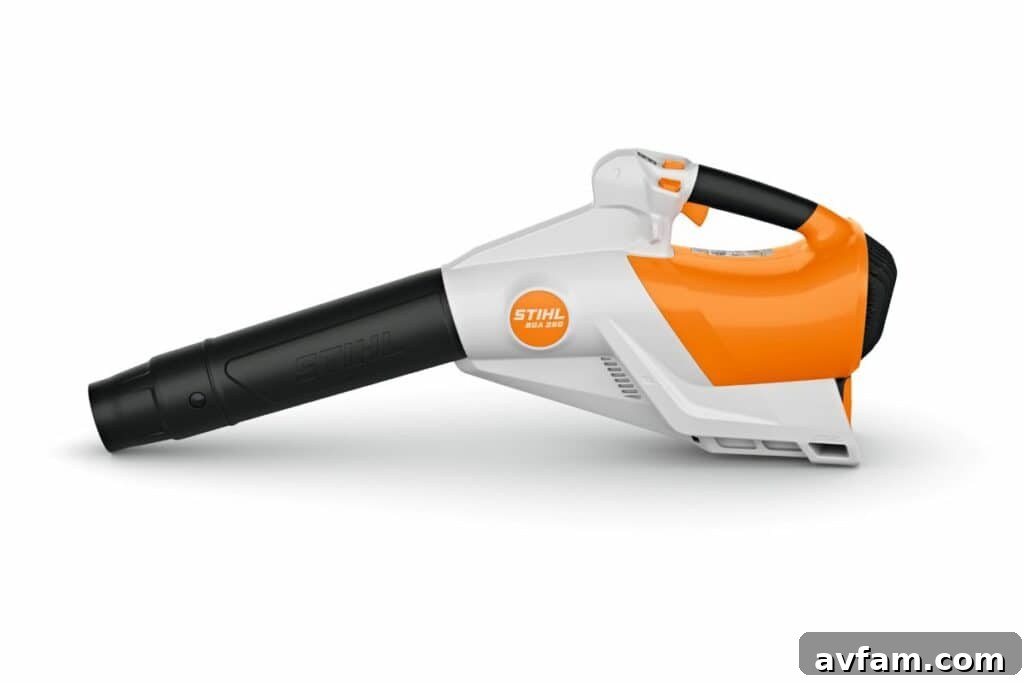
Both the BGA 300.1 Backpack Blower and the BGA 250 handheld model boast an impressive blowing force rating of 26 Newtons and a high air speed of 190 MPH, underscoring their capacity to tackle even the most demanding leaf and debris clearing tasks with professional efficiency.
Innovations in Accessories: Enhancing the Stihl Battery Ecosystem
- CM 12 – Charging Management Unit: One of the most groundbreaking accessories we encountered was the revolutionary CM 12. This intelligent battery management system allows for the simultaneous charging of up to 30 batteries overnight without risking an overload to a standard 120-circuit. Its advanced technology intelligently monitors the state of each battery, dynamically increasing or slowing the charge as needed to optimize battery life and charging efficiency. This innovation directly addresses a critical infrastructural challenge for professional landscape crews, making a large-scale transition away from gas-powered equipment significantly more feasible and practical. It represents a genuine game-changer for businesses aiming for full electrification.
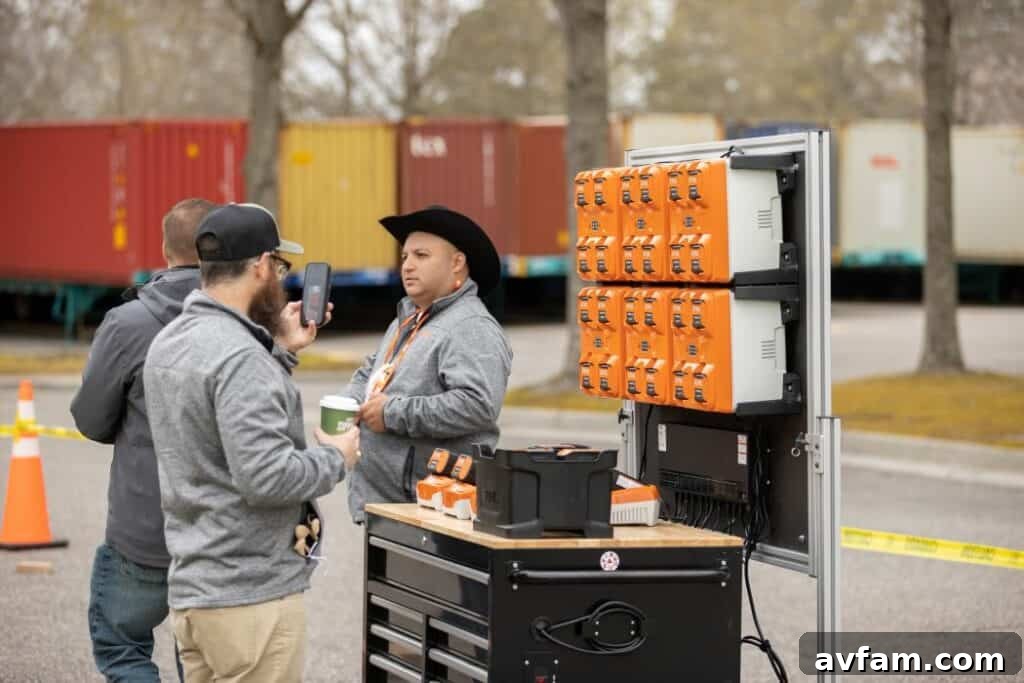
While the CM 12 is a marvel of efficiency, it’s important to note that it doesn’t encompass all the innovative accessories Stihl offers. Other standout products include the new ADA 1000 Backpack Blower Battery Adapter, which enhances versatility; the Stihl Smart Connector 2A, providing valuable data and connectivity for tool management; and the incredibly lightweight, breathable, and space-aged Advanced Arborist Chaps with SuperFabric technology, which we had the opportunity to wear during our Stihl product demos, highlighting Stihl’s commitment to user safety and comfort.
Pioneering Tomorrow: The Landscaper of the Future, Powered by Stihl
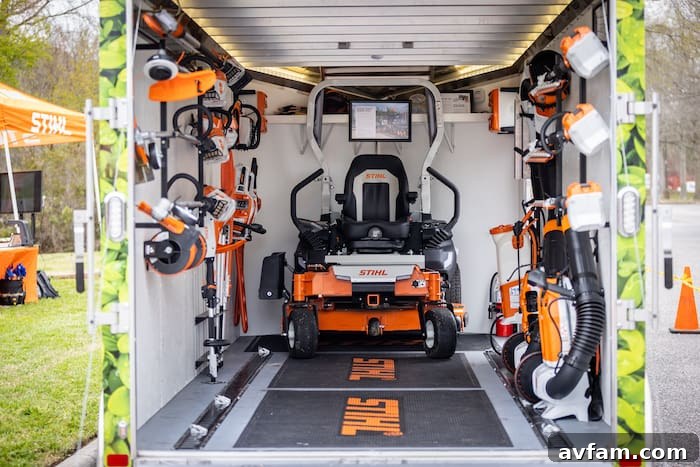
Stuart Morrison, Stihl’s VP of Assembly, is quick to assert that he no longer views Stihl as simply “that chainsaw company,” despite its iconic legacy in that realm (a sentiment I echoed at the start of this article). Instead, he emphatically frames Stihl as “That Outdoor Power Equipment Company.” This evolution in identity is nowhere more apparent than when stepping inside the specially designed trailer, which Product Manager Paul Bebowski proudly dubs the “Landscape Crew of the Future.”
Indeed, Stihl is already widely recognized as the leading brand for both gas- and battery-operated outdoor power equipment among lawn and landscape professionals in America. This established leadership positions Stihl perfectly to support the comprehensive transition of landscape and lawn care professionals towards fully battery-powered operations. The vision is clear: a future where professional crews can perform all their tasks with the efficiency and power of electric, backed by Stihl’s legendary reliability.
As powerfully demonstrated in the video above, virtually every tool traditionally available in gas for any professional landscaping application is now meticulously engineered and available in a battery-powered format. This comprehensive offering ensures that landscapers can seamlessly transition their entire fleet without compromising on performance or productivity, further cementing Stihl’s role as an industry leader.
Stihl Battery-Powered Chainsaws: Cutting-Edge Performance
During our demonstrations, there was a moment that felt almost scripted, yet was entirely authentic: the similarly sized MS 271 Farm Boss gas chainsaw struggled to cold start on a crisp 40-degree-plus day, even under the skilled hand of Product Manager John Allen. This contrasted sharply with the effortless readiness of its battery-powered counterpart.
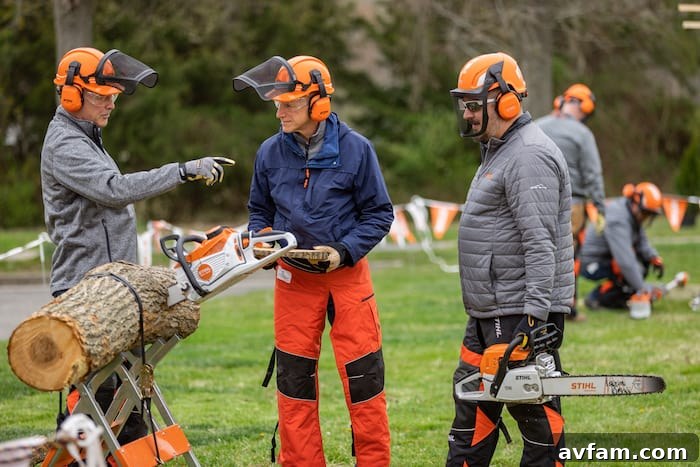
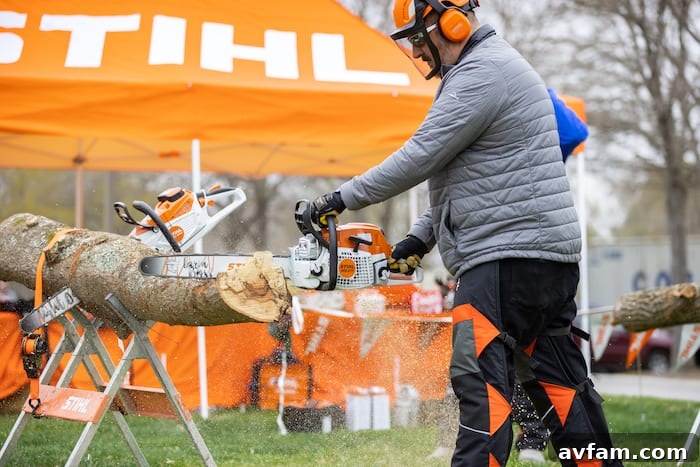
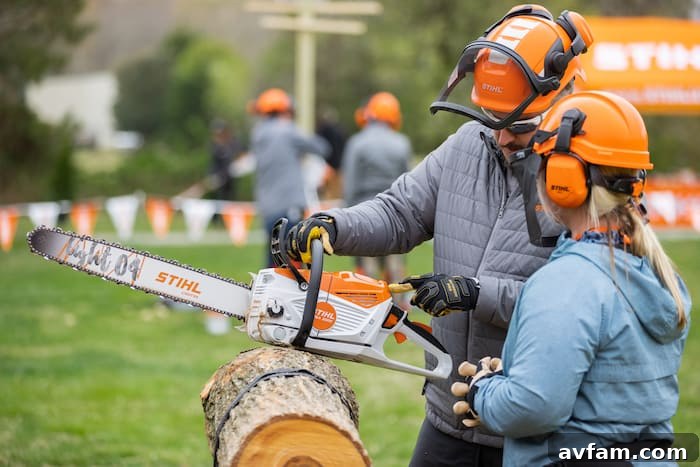
We quickly realized there was no such hesitation or cold-start issue when we moved on to test the MSA 300 M C-O battery-powered chainsaw. During my demo, with just a couple of button presses, the saw was instantly ready to perform. Using this highly capable battery-operated chainsaw, I effortlessly cut 10-inch “cookies” (cross-sections of wood) with impressive ease and efficiency, experiencing no operational challenges whatsoever. This immediate responsiveness and robust cutting power are key advantages for users.
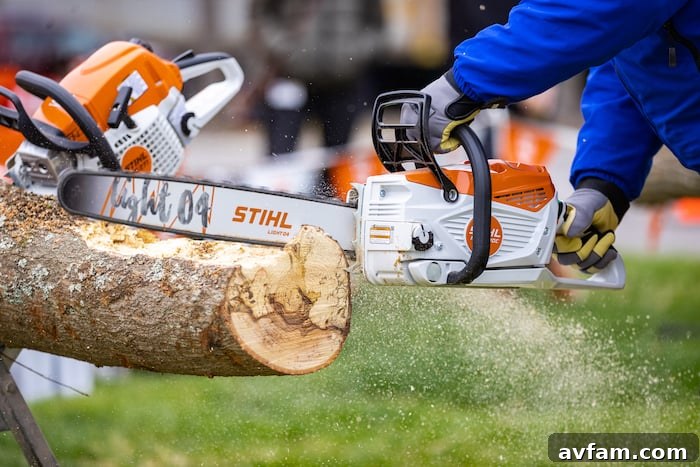
While I haven’t directly compared the precise specifications side-by-side, the MSA 300 M C-O did feel marginally heavier than its gas equivalent, the MS 271 Farm Boss. However, in my personal opinion, this slight difference in weight was negligible and did not detract from its overall performance or user experience. When discussing fuel longevity, we were informed that it typically requires two AP 500 S batteries to achieve a comparable run time to one full tank of gas on the Farm Boss, providing a clear metric for energy capacity and planning for professional tasks.

###
This time of year often brings the comforting sounds of baseball games on television, interspersed with commercials for innovative outdoor power equipment, many of which now feature battery-operated solutions. Stihl, alongside its competitors, is a prominent presence in these advertising slots, effectively conveying its message of power, reliability, and innovation to a broad audience.
Based on my comprehensive visit, I can confidently state that Stihl Battery-Operated Outdoor Power Equipment is unequivocally worth a serious look. The quality, performance, and thoughtful engineering behind their battery platforms are truly impressive, offering compelling alternatives for both homeowners and professional landscapers. I encourage anyone in the market for new outdoor power tools to visit a local Stihl Dealer today. Experience the future of outdoor power firsthand and discover how Stihl continues to redefine what’s possible in lawn and garden care.
Disclosure: Stihl USA generously covered my travel expenses associated with attending this event. All opinions and views expressed within this article are entirely my own and reflect my independent assessment of the products and experiences. I maintain journalistic integrity in all my reporting.