

As seasons change, so do our needs for various items around the house. From vibrant holiday decorations to cozy winter clothing, robust outdoor gear, and specialized tools, seasonal belongings often accumulate, threatening to overwhelm our living spaces if not managed efficiently. Without a proper system, these items can quickly lead to clutter, reduce accessibility, and even suffer damage over time. The goal of effective seasonal item storage is not just to tuck things away, but to preserve their condition, simplify retrieval, and maintain an organized, serene home environment year-round.
A thoughtfully designed seasonal storage strategy goes beyond simply finding a spot for everything. It involves strategic planning, proper cleaning, choosing the right protective containers, and implementing an intuitive organization system. This proactive approach safeguards your investments, minimizes stress during seasonal transitions, and maximizes the functional space within your home. Imagine effortlessly retrieving your cherished holiday ornaments or warm winter coats without a frantic search or encountering dusty, damaged goods – this is the promise of superior seasonal storage.
This comprehensive guide offers an array of practical, SEO-friendly tips and expert advice designed to help you store your seasonal items safely, utilize every inch of available space effectively, and maintain impeccable organization with minimal effort. Whether you’re a seasoned organizer or just starting your decluttering journey, these strategies will empower you to create a streamlined system that works for your home and lifestyle, transforming the way you approach seasonal changes.
1. Strategic Planning: Assessing Your Available Storage Space
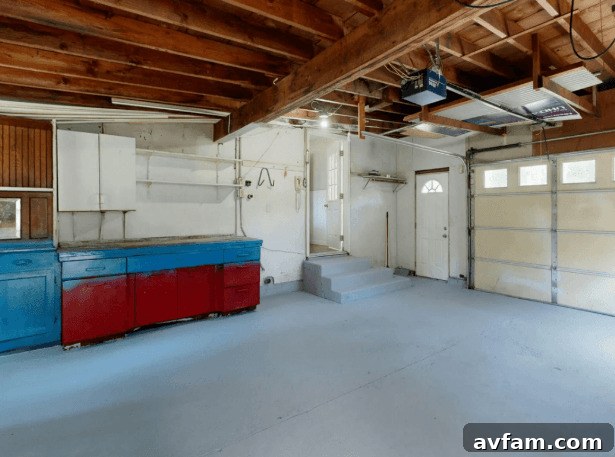
Before embarking on the physical process of packing away your seasonal items, the foundational step is a thorough assessment of your existing and potential storage areas. This proactive planning prevents wasted effort and ensures that each item finds its ideal temporary home. Begin by identifying all potential storage zones within your property—this could include spacious closets, dry basements, temperature-stable attics, under-bed spaces, garage corners, or even dedicated external storage units.
Once identified, meticulously evaluate the suitability of each area for different types of seasonal belongings. Delicate holiday decorations, sensitive electronics, or certain fabrics may require specific environmental conditions, such as consistent temperature and humidity control, protection from direct sunlight, or pest-free environments. A damp basement might be acceptable for plastic outdoor furniture, but it could be detrimental to antique wooden decorations or wool blankets. Conversely, a scorching attic might warp plastic items or degrade delicate textiles.
Creating a detailed inventory of items slated for storage, along with their dimensions and any special requirements, is paramount. This can be a simple handwritten list, a spreadsheet, or a dedicated inventory app. Categorize items by season, type (clothing, decor, tools), and frequency of use. Measure your storage spaces and match items to locations, considering the volume and weight. The more detailed and organized your initial plan, the smoother and more efficient the entire seasonal storage process will be. This systematic approach reduces overwhelming feelings and lays a clear path for effective home organization.
2. Thorough Cleaning: Essential Before Storing Seasonal Items
One of the most critical, yet often overlooked, steps in preserving your seasonal items is ensuring they are impeccably clean before being packed away. Storing items with residual dust, dirt, food stains, or moisture can lead to a host of problems over time, including irreversible damage, unpleasant odors, and the attraction of pests. Months of storage can allow minor issues to escalate into significant damage, diminishing the lifespan and appearance of your cherished belongings.
- Seasonal Clothing and Textiles: All seasonal garments, especially bulkier items like winter coats, sweaters, scarves, and outerwear, should be thoroughly washed or dry-cleaned according to their care labels. Even seemingly clean clothes can harbor invisible oils, skin cells, or subtle odors that can attract moths and other pests. Ensure all items are completely dry before folding them neatly. Any residual moisture is a breeding ground for mildew and mold, which can permanently stain and damage fabrics, leaving a musty odor that is difficult to remove. For delicate items, consider acid-free tissue paper between folds to prevent creasing and preserve fabric integrity.
- Holiday and Home Decorations: Before stowing away festive decor, wipe down all surfaces. Dust and grime can become deeply ingrained over time, making future cleaning more challenging. For fabric-based items like wreaths, garlands, or cloth ornaments, a light vacuuming or gentle spot cleaning may be necessary. Ensure everything is dry to prevent mold growth. Fragile ornaments should be individually wrapped to protect against chips and breaks.
- Outdoor Gear and Equipment: Tents, sleeping bags, camping chairs, hiking boots, gardening tools, and patio cushions accumulate significant dirt, mud, and moisture during active use. Each item must be meticulously cleaned and completely dried. Tents should be pitched and aired out, boots scrubbed and dried, and tools cleaned and lightly oiled to prevent rust. Leaving outdoor gear dirty not only degrades its material but also creates an inviting environment for mildew, mold, and even insect infestations.
Investing the time to properly clean your seasonal items before storage ensures they remain in pristine condition, ready for immediate use when their season returns. This diligent preparation also makes the eventual unpacking process far more pleasant and less arduous, saving you time and effort in the long run.
3. Selecting the Ideal Storage Containers for Seasonal Organization
Choosing the right storage containers is paramount for safeguarding your seasonal items and maintaining an organized home. The effectiveness of your storage system heavily relies on selecting containers that are appropriate for the nature of the items they will hold, as well as the storage environment. Different items require different levels of protection, breathability, and accessibility.
- Clear Plastic Bins with Lids: For the vast majority of seasonal items such as clothing, holiday decorations, small sporting equipment, and linens, clear plastic bins are an exceptional choice. Their durability provides robust protection against dust, moisture, and pests. The stackable design maximizes vertical storage space, and crucially, their transparency allows for easy identification of contents without the need to open each bin. This transparency is a significant time-saver, streamlining retrieval during busy seasonal transitions. Look for bins with secure, airtight lids to offer superior protection.
- Vacuum-Sealed Storage Bags: When space optimization is a top priority, especially for bulky items like seasonal clothing (e.g., winter coats, bulky sweaters), comforters, pillows, and bedding, vacuum-sealed bags are invaluable. These innovative bags allow you to remove excess air, compressing soft items to a fraction of their original size. This can free up considerable space in closets, under beds, or within larger storage bins. However, ensure that items are completely dry before sealing to prevent mildew, and be mindful that some delicate fabrics might be better off with less compression.
- Specialty Storage Boxes and Organizers: Certain seasonal items benefit immensely from specialized storage solutions. Garment bags, particularly those made of breathable fabric, are ideal for delicate formalwear, suits, or high-quality coats, protecting them from dust while allowing air circulation. Ornament storage boxes with individual dividers protect fragile holiday decorations from shifting, chipping, and breaking. Shoe boxes, hat boxes, and specific archival boxes for photos or documents offer tailored protection. Investing in these specialized containers prevents damage, maintains the item’s shape, and prolongs its life.
- Fabric Bins and Baskets: While not as protective against pests or moisture as plastic, decorative fabric bins and baskets can be excellent for items stored in visible areas (e.g., living room, shelves) that are less susceptible to environmental damage. They offer an aesthetic solution for items like seasonal throws, magazines, or frequently accessed light items. Ensure these are used in clean, dry environments.
Regardless of the type, always prioritize sturdy containers that can withstand the weight and contents you intend to store. Proper storage containers are the backbone of an efficient seasonal organization system, making it significantly easier to store, protect, and retrieve items precisely when they are needed.
4. The Power of Labeling: Streamlining Seasonal Item Retrieval
Effective labeling of your storage bins, boxes, and containers is not merely a suggestion; it is a fundamental pillar of an organized seasonal storage system. A clear, concise, and consistent labeling strategy can dramatically reduce frustration and save countless hours when you need to locate specific items. Think of labels as the key to instantly unlocking the contents of your storage, eliminating the need for guesswork or rummaging.
- Descriptive and Specific Labels: Move beyond generic and vague labels that offer little insight. Instead of simply writing “Winter Items” or “Holiday Decorations,” opt for highly descriptive labels that specify the exact contents. Examples include “Christmas Tree Ornaments (Fragile),” “Winter Outerwear – Adults,” “Camping Gear – Tents & Sleeping Bags,” or “Spring Garden Tools.” The more detailed your label, the quicker you’ll find what you’re looking for, preventing the exasperating experience of opening multiple bins to find one particular item. Consider adding details like “Front Door Wreaths” or “Table Linens – Fall.”
- Include Dates for Inventory Management: For items that might have a shelf life, are part of a rotation, or whose condition you wish to track, incorporating dates into your labels is incredibly useful. For instance, labeling “Christmas Decor – 2023” or “Winter Clothes – Stored 2024” can help you monitor how long items have been in storage. This is particularly beneficial for managing sentimental items, tracking inventory for seasonal businesses, or simply knowing when it might be time to declutter, donate, or replace older items. Dates provide a historical context to your storage system.
- Utilize Color-Coding and Numbering Systems: Enhance your labeling with a color-coding system. For example, all bins containing winter items could have blue labels, while spring items could have green, and holiday decorations red. This visual cue can help you quickly identify categories. For larger storage setups, a numbering system linked to a digital inventory (spreadsheet or app) can be incredibly powerful. Each bin gets a unique number (e.g., “Bin #001”), and your digital inventory details the exact contents of that bin, along with its storage location.
- Placement and Durability of Labels: Ensure labels are affixed securely and are easily visible, preferably on multiple sides of the container if it’s stored in a way that its front might be obscured. Use durable, smudge-proof markers or printed labels that won’t fade or fall off over time. Clear packing tape over handwritten labels can provide extra protection.
Investing a small amount of time in creating a clear, consistent, and comprehensive labeling system will yield significant returns in terms of efficiency and peace of mind. It transforms a potentially chaotic storage area into an organized, easily navigable archive of your seasonal belongings, making every transition seamless.
5. Masterful Storage Techniques for Seasonal Clothing
Properly storing seasonal clothing is crucial for maintaining its shape, fabric integrity, and freshness, ensuring garments are ready to wear season after season. Haphazard storage can lead to wrinkles, stretching, pest damage, and permanent fabric degradation. Employing specific techniques designed for different types of garments will protect your investment and simplify your wardrobe transitions.
- Utilize Breathable Garment Bags for Delicates and Formalwear: For delicate or formal clothing such as valuable winter coats, suits, dresses, or evening wear, breathable garment bags are indispensable. Unlike plastic dry-cleaning bags, which can trap moisture and chemicals, breathable bags (often made of cotton, canvas, or non-woven fabric) protect garments from dust, pests, and light while allowing essential air circulation. This prevents moisture buildup, mildew, and the unpleasant “storage smell.” Ensure clothes are clean and completely dry before placing them in garment bags.
- Opt for Quality Hangers Over Wire: The type of hanger you use profoundly impacts the longevity and shape of your clothing. Avoid flimsy wire hangers, which can cause shoulders to stretch, fabric to crease, and heavy garments to sag. Instead, invest in padded, wooden, or sturdy plastic hangers that provide proper support for the garment’s structure. Wooden hangers, particularly cedar, also offer natural pest repellent properties. Use velvet-flocked hangers for slippery items to prevent them from sliding off.
- Fold Larger and Knit Items Neatly: Sweaters, knitwear, heavy blankets, denim, and other large, bulky items are best folded rather than hung. Hanging these items, especially knits, can cause them to stretch and distort over time due to their weight. Fold them neatly and store them flat in drawers, shelves, or clear plastic bins. To further protect against creasing, place acid-free tissue paper between folds. Avoid overpacking storage bags or boxes, as this can lead to deep, stubborn wrinkles and compress fabrics, potentially damaging their fibers.
- Pest Protection and Environmental Control: Incorporate natural pest deterrents such as cedar blocks, lavender sachets, or cedar chips within your clothing storage areas. Avoid traditional mothballs unless absolutely necessary, as their strong chemical odor can permeate fabrics and be difficult to remove. Ensure the storage area for clothing is clean, dry, dark, and has consistent temperature and humidity levels to prevent mold, mildew, and fading. For very long-term storage, consider specialized archival boxes for delicate garments.
By adopting these meticulous storage practices, you can preserve the quality, fit, and appearance of your seasonal clothing, ensuring each piece is fresh, well-maintained, and ready to be enjoyed as soon as its season returns, extending the life of your wardrobe for many years.

6. Utilizing Secure Storage Units for Off-Season Items
For many homeowners, especially those with limited space or a significant volume of seasonal items, renting a secure storage unit becomes an invaluable part of their overall organization strategy. External storage units offer a practical, safe, and often climate-controlled solution for items that are not needed daily or even monthly, minimizing clutter within the home and protecting valuable belongings.
A secure storage unit provides a dedicated off-site location for larger items like boats, jet skis, snowmobiles, large outdoor furniture sets, extensive holiday decorations, or collections that simply don’t fit into residential spaces. More importantly, these facilities offer enhanced security features and often climate control, which are difficult to replicate in home attics, basements, or garages. Climate-controlled units maintain a consistent temperature and humidity level, which is critical for preventing damage from extreme heat, cold, dampness, and dryness – conditions that can warp wood, crack leather, foster mold/mildew, or degrade electronics and sensitive fabrics.
For example, exploring options like secure storage units in Bainbridge, GA, can reveal a reliable solution for residents in that area seeking accessible and safe places to store their seasonal items. Such local facilities offer the convenience of relatively quick access combined with professional-grade security, giving you peace of mind. Whether you’re rotating out winter sports equipment during the summer or carefully packing away cherished holiday heirlooms between seasons, a reputable storage unit provides both convenience and robust protection.
When considering a storage unit, several key features should guide your decision:
- Climate Control: Essential for temperature-sensitive items like electronics, artwork, antique furniture, photographs, and musical instruments.
- Security Measures: Look for facilities with 24/7 surveillance, gated access, individual unit alarms, and on-site management. This significantly reduces the risk of theft or vandalism.
- Accessibility: Determine the hours of operation and ease of access. Do you need 24/7 access, or are standard business hours sufficient? Consider drive-up units for heavy or bulky items.
- Pest Control: Inquire about the facility’s pest management program to protect your belongings from insects and rodents.
- Insurance Options: Many facilities offer insurance, or you can check if your homeowner’s or renter’s insurance policy extends to items stored off-site.
- Unit Size and Type: Select a unit size that appropriately fits your belongings without overpaying for unused space. Consider if you need a drive-up, indoor, or specialized vehicle storage unit.
Choosing the right external storage unit can be a smart, cost-effective solution for managing seasonal overflow, ensuring your valuable items are preserved in optimal conditions and readily available when their season arrives.
7. Maximizing Vertical Space: Optimizing Your Home Storage
When organizing seasonal items within your home, one of the most effective strategies to combat clutter and maximize capacity is to think vertically. Often, valuable storage space goes unused simply because we focus on floor area. By effectively utilizing vertical dimensions, you can store significantly more items without encroaching on your living areas, creating a more organized and spacious feel.
- Strategic Stacking of Bins and Containers: Capitalize on the vertical space in closets, basements, garages, and utility rooms by stacking your storage bins. This is a simple yet powerful technique. Always place heavier, more stable items and their containers at the bottom of the stack to ensure stability and prevent crushing lighter items. Lighter, less frequently accessed items can be stored higher up. Clear, sturdy plastic bins are ideal for stacking due to their uniform shape and durability.
- Installing Shelving Units: Adding robust shelving units to any available wall space – be it in a garage, basement, laundry room, or even within a large closet – instantly creates ample storage for various seasonal items. Shelves can accommodate smaller bins, boxes, sports gear, camping supplies, or holiday decor. Adjustable shelving systems are particularly versatile, allowing you to customize shelf height based on the size of the items you need to store. For items you access less frequently, consider installing overhead shelving in garages or storage rooms, keeping them out of the way until needed.
- Over-the-Door Organizers and Wall-Mounted Solutions: Don’t overlook the back of doors. Over-the-door organizers with pockets or shelves are perfect for smaller seasonal items like scarves, gloves, hats, or even small craft supplies. Wall-mounted racks, hooks, and pegboards can efficiently store items like gardening tools, ski equipment, bikes, or sports equipment, keeping them off the floor and easily accessible.
- Under-Bed Storage Solutions: While not strictly vertical, under-bed storage often uses previously wasted vertical space. Low-profile bins, especially those with wheels, are excellent for storing seasonal clothing, extra bedding, or holiday items that you don’t need to access constantly.
- Custom Built-Ins and Closet Systems: For a more permanent and tailored solution, consider custom built-in shelves or a professional closet organization system. These can be designed to maximize every inch of vertical space, incorporating specialized compartments, drawers, and hanging rods for a highly efficient storage environment.
By consciously planning and implementing vertical storage solutions, you transform dead space into dynamic storage zones. This not only allows you to store more seasonal belongings effectively but also significantly contributes to maintaining a clutter-free and more functional home environment, making seasonal transitions smoother and less chaotic.
8. The Crucial Role of Temperature and Humidity Control in Storage
When preparing to store seasonal items, particularly those of significant value, sentimental worth, or sensitive composition, overlooking environmental factors like temperature and humidity can lead to irreversible damage. Items stored in uncontrolled environments such as uninsulated attics, damp basements, or non-climate-controlled garages are highly susceptible to extreme fluctuations that can degrade their quality and shorten their lifespan.
Many items are inherently sensitive to these changes:
- Electronics and Appliances: Extreme heat can damage internal components, melt plastics, and shorten battery life. High humidity can cause corrosion and short circuits.
- Artwork and Photographs: Fluctuating temperatures and humidity levels can cause canvases to crack, paper to yellow, ink to fade, and mold to grow, leading to permanent damage.
- Wooden Furniture and Musical Instruments: Wood is highly susceptible to moisture changes. High humidity causes it to swell, while low humidity causes it to shrink and crack. Extreme temperatures can warp and split wood, ruining furniture and instruments.
- Leather and Fabric Goods: Leather can dry out and crack in low humidity or develop mildew in high humidity. Fabrics, especially delicate silks, wools, and antique textiles, are prone to mold, mildew, fading, and deterioration in unstable conditions.
- Books and Documents: Paper products can yellow, become brittle, or grow mold in conditions with high humidity and fluctuating temperatures.
- Collectibles and Valuables: Coins, stamps, comic books, and other collectibles require stable environments to maintain their condition and value.
To mitigate these risks, consider temperature-controlled storage solutions. If storing at home, this might involve using dehumidifiers in basements, ensuring attics are properly insulated, or utilizing interior closets that maintain a more consistent household temperature. However, for truly sensitive or valuable items, a professionally managed, climate-controlled storage unit is often the superior choice. These facilities are designed to maintain a consistent temperature range (typically 55-80°F or 13-27°C) and controlled humidity levels (usually 35-55%), creating an ideal environment that prevents:
- Mold and Mildew Growth: Thrives in damp, warm conditions.
- Rust and Corrosion: Accelerated by high humidity.
- Cracking and Warping: Common in wood and plastics due to extreme temperature shifts.
- Pest Infestations: Stable environments are less appealing to pests seeking shelter from extremes.
- Fading and Degradation: Prolonged exposure to fluctuating conditions accelerates the breakdown of materials.
Investing in climate-controlled storage, whether through careful management at home or by renting a specialized unit, is an essential step in protecting your seasonal investments, ensuring they remain in pristine condition for years, and preserving their value and integrity.
Conclusion: Effortless Seasonal Storage for a Harmonious Home
Storing seasonal items doesn’t have to be a daunting task that contributes to household chaos. By adopting a proactive, systematic approach, you can transform the way you manage your belongings, leading to a more organized, clutter-free, and serene living environment. The key lies in strategic planning, meticulous preparation, and intelligent utilization of available resources.
From the initial assessment of your space and the thorough cleaning of each item, to the careful selection of appropriate storage containers and the implementation of a precise labeling system, every step plays a vital role in protecting your valuables. Mastering specific techniques for clothing storage, exploring the benefits of external secure storage units, creatively maximizing vertical space within your home, and understanding the critical importance of temperature and humidity control are all components of an effective seasonal storage strategy.
By embracing these essential tips, you will not only safeguard your seasonal items from damage and premature wear but also drastically reduce the time and frustration associated with seasonal transitions. Imagine the ease of locating your holiday decorations, your winter wardrobe, or your outdoor gear, perfectly preserved and ready for immediate enjoyment. This level of organization saves you time, money, and most importantly, provides immense peace of mind. Make seasonal storage an efficient, stress-free, and rewarding aspect of maintaining a beautifully organized home.