

By the time you hold the keys to a home in Lenexa, nearly everyone has already vetted you: lenders checked your credit, inspectors examined the roof and attic, and appraisers compared nearby sales. Yet when it comes to moving day, many buyers abandon that careful process and pick the first crew that answers the phone. The result is often a team that shows up late, understaffed, or unprepared. Use a clearer sequence to avoid those pitfalls and protect your time, belongings, and peace of mind.
Start with the date, not the mover
Your moving date should follow your closing timeline, not your mood. Closings commonly delay: funding may be held up, repair credits can be renegotiated, or title issues can surface at the last minute. Before contacting moving companies, decide on a target move date and a realistic fallback if the closing slips by three to five business days.
When you request quotes, ask each company how they handle rescheduled dates and whether any fees apply. Moving firms that treat rescheduling as routine are likely experienced with real estate timelines; those that impose steep penalties may be less practiced at working with buyers. If your closing falls between late May and August, book well in advance—this is peak season across the Kansas City metro and month-end Fridays fill up first.
Confirm they are actually licensed to do the job
Ask for a USDOT number and, if your move crosses state lines, interstate operating authority. These can be verified through the Federal Motor Carrier Safety Administration’s SAFER system to review inspection and crash histories. That check takes only a few minutes and provides important context about a carrier’s safety record.
For moves contained entirely within Kansas, interstate rules change and oversight of intrastate household moving falls to the state. Ask the company which authority governs your move and what consumer protections apply. Legitimate operators explain this clearly; vague answers or defensiveness are red flags. Also verify the business address: a company with a physical warehouse in the metro is generally more accountable than one that lists only a phone number and website.
Insist on an in-home or video survey
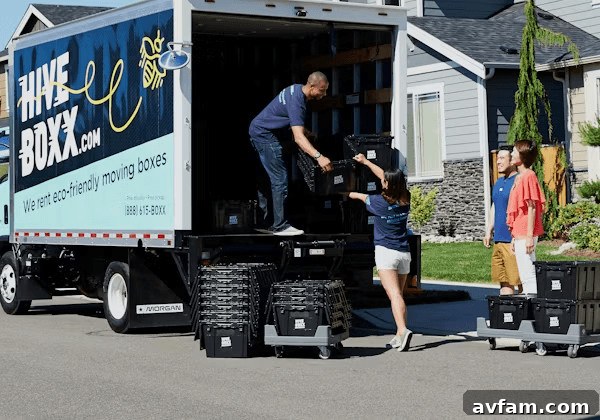
Phone estimates for an entire household are guesses. A proper estimate requires someone to walk your current home or conduct a detailed video walkthrough to count and assess your belongings. During the survey, the estimator should ask about both origin and destination. Details about your Lenexa house—steep driveways, long walks from curb to door, narrow stairwells, or tight landing turns—affect labor and time. An estimator who only inspects your current space has not priced your actual move.
Learn the three estimate types before you compare
Quotes can look similar but mean very different things. Know the estimate types so you compare apples to apples:
- Non-binding estimate: An approximation. Final cost is determined by actual weight or hours worked and can be higher.
- Binding estimate: A fixed price for the inventory listed. If you add items, the price changes accordingly, so the inventory sheet is important.
- Binding not to exceed: A maximum price. You pay the lower of the final cost or the quoted ceiling.
When gathering three quotes, confirm all are the same estimate type. A low non-binding quote next to a binding not-to-exceed number is not a fair comparison. Also read exclusions carefully—long carries, stair charges, shuttle services, appliance disconnection, and handling bulky items like pianos or safes are commonly itemized. Ask which fees, if any, will apply to your move.
Understand what valuation coverage actually pays
Movers do not sell traditional insurance; they offer valuation coverage. The default option is usually released value protection, which pays a set dollar amount per pound per article. That can be reasonable for heavy, low-value goods but inadequate for electronics or high-value items. Full value protection costs more and obligates the mover to repair, replace, or settle for the current market value. Ask about deductibles, exclusions, and how self-packed boxes are treated—many companies treat crew-packed and self-packed boxes differently. Review your homeowner’s policy too, since coverage for goods in transit can vary.
Match the mover to your actual house
Lenexa’s housing stock varies, and that should influence your mover choice. Older homes near Old Town often have narrow stairwells, tighter doorways, and basements accessed by turns that challenge a small crew. Newer subdivisions typically offer wider driveways and easier truck access but may require longer carries from curb to door. Ask how many crew members will be assigned, whether they are employees or day labor, and who will lead the job on site. Confirm protection standards—floor runners, door jamb padding, and blanket wrapping for furniture should be standard practices, not pricey add-ons.
Watch for the standard red flags
- Requests for a large cash deposit up front
- No written estimate or a full-house quote given only by phone
- A blank or partially filled contract presented for signature
- No verifiable physical business address
- Pressure to decide immediately because “the date is about to go”
- A price dramatically below other quotes you collected
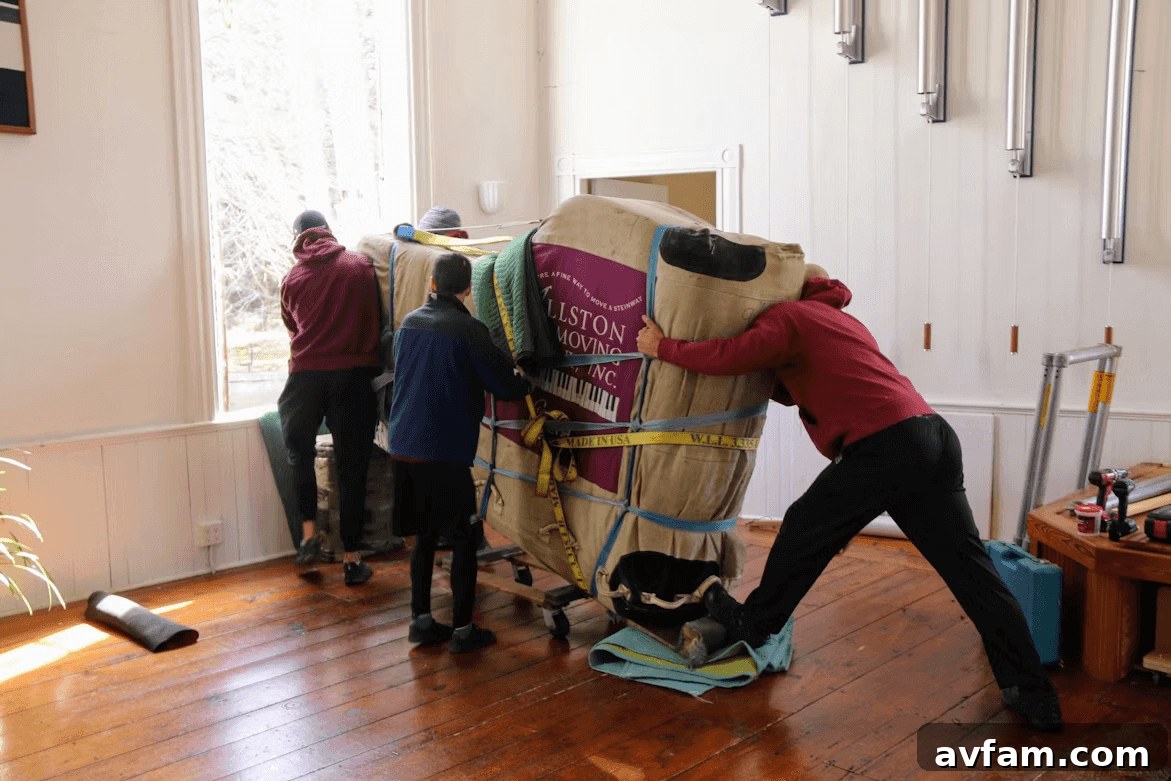
Any one of these signs warrants caution; two together are a reason to stop and regroup.
The checklist, condensed
Before you sign a contract, confirm these items:
- Target move date plus a fallback if closing slips
- USDOT number verified independently
- In-home or video survey completed, including destination assessment
- Three quotes of the same estimate type with exclusions reviewed
- Valuation option chosen deliberately and deductible understood
- Crew size, lead contact, and protection standards confirmed
- Complete written contract with no blank fields and no large cash deposit requested
You spent months vetting the house. Give the final step—the move—the same level of attention so your first days in your Lenexa home start smoothly.