Unlocking Adventure: Why the Toyota Land Cruiser 100 Series is the Ultimate Overlanding Vehicle
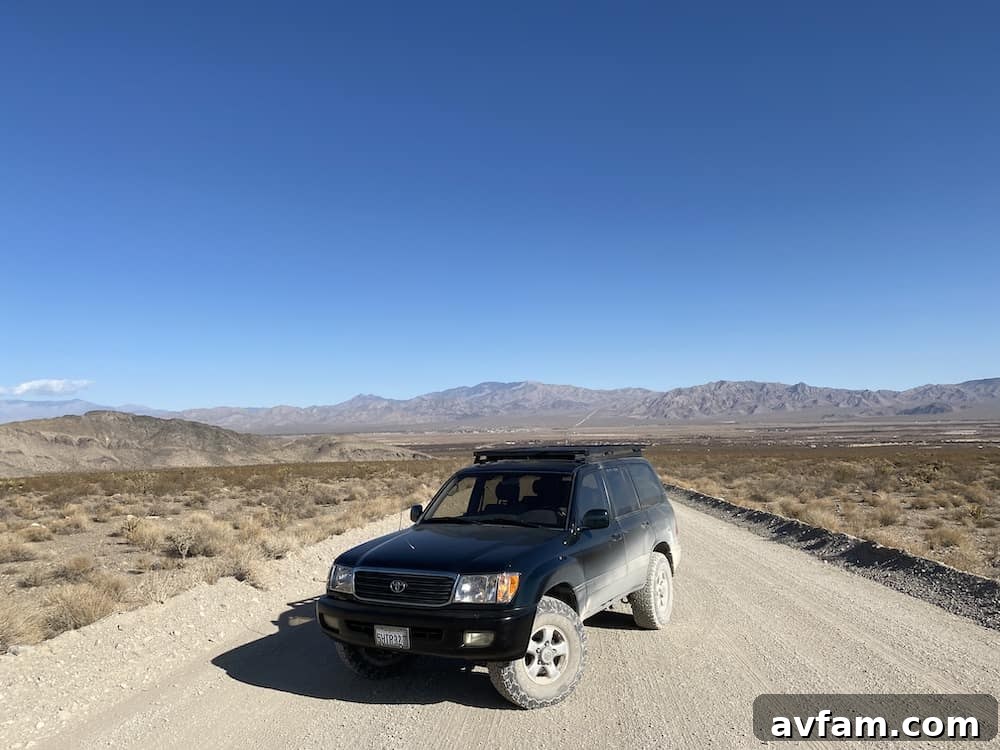
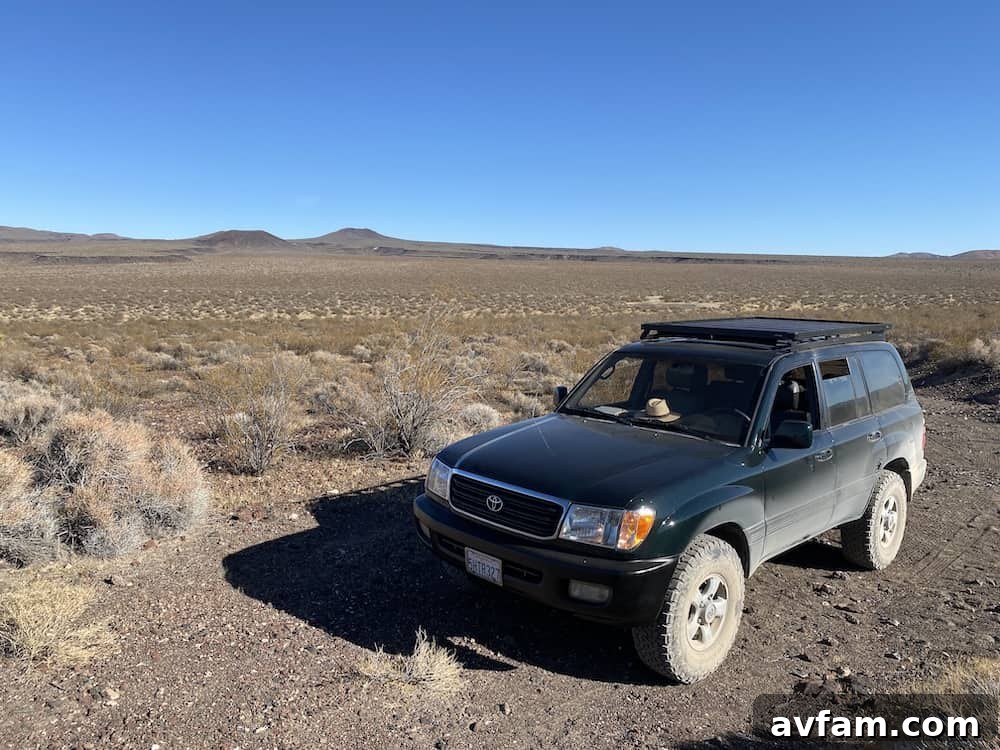
For years, I dreamt of owning a vehicle that could blend daily practicality with unparalleled off-road prowess and long-distance comfort. That dream has finally materialized with my acquisition of a 1999 Land Cruiser 100 Series. While some may perceive this iconic SUV as a mere luxury mall crawler, seasoned off-roaders and overland enthusiasts know its true potential. The Toyota Land Cruiser lineage is legendary, and the 100 Series, in particular, holds a special place, often hailed as one of the finest overland and off-road platforms available today.
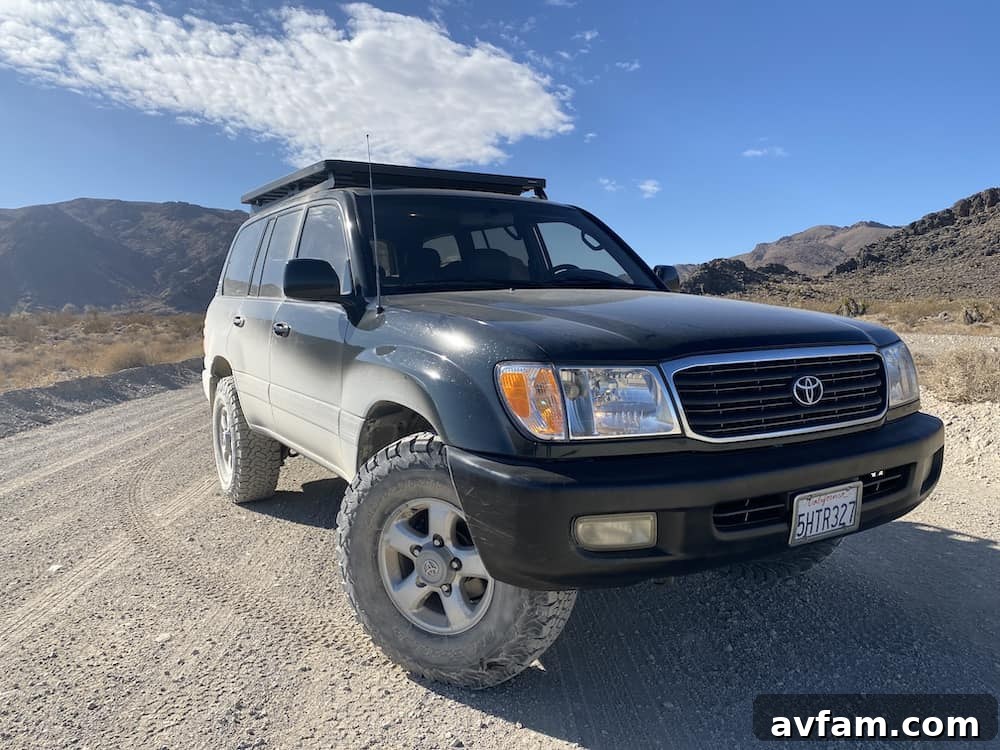
The Land Cruiser’s reputation for rugged reliability and exceptional capability has made every generation highly coveted by thousands globally. But what precisely makes the 100 Series stand out as a uniquely special choice for both serious adventurers and those seeking a comfortable, capable daily driver?
Exploring Previous Generations: The Legacy and Limitations of FJ62 and FJ80 Land Cruisers
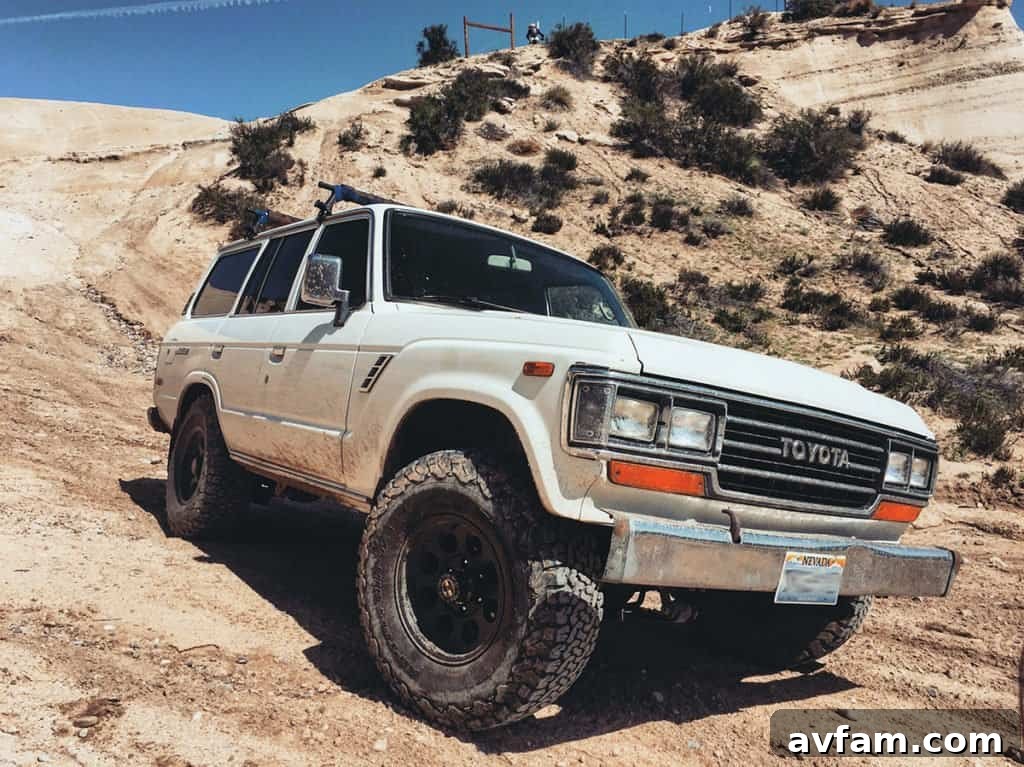
Before settling on the 100 Series, I had the pleasure of owning a 1989 FJ62 Land Cruiser. While undeniably iconic and robust, its leaf spring suspension system and somewhat primitive highway manners were not ideal for long-haul family road trips. The ride, while durable for rough terrains, could be jarring on extended pavement stretches, making it less than perfect for its role as a versatile family road trip vehicle.
The subsequent generation, the FJ80 Land Cruiser, is often regarded as the pinnacle of both on-road refinement and off-road performance for its era. It notably retained the revered solid front axle, a hallmark of all previous Land Cruisers, which is celebrated for its maximum articulation and durability in extreme off-road conditions. Additionally, the FJ80 introduced more creature comforts, making it a significant leap forward in terms of long-distance travel capability compared to its predecessors. Both the FJ80 and FZJ80 models featured coil spring suspension front and rear, which greatly improved ride quality and offered more flexibility for lifting the vehicle and fitting larger tires. However, even with these enhancements, the FJ80 still couldn’t quite match the supreme comfort of a 100 Series Land Cruiser for extended highway driving.
The contemporary 200-series Land Cruiser represents the ultimate evolution of this platform, boasting unparalleled luxury and technological advancements. While it undeniably sits at the apex of the Land Cruiser family tree, current models remain beyond my budget. Nevertheless, I had the incredible opportunity to experience the 2020 Land Cruiser Heritage Edition, a truly sublime vehicle that perfectly blended comfort, sophisticated style, and legendary utility.
The Land Cruiser 100 Series (UZJ100): The Perfect Fusion of On-Road Comfort and Off-Road Capability
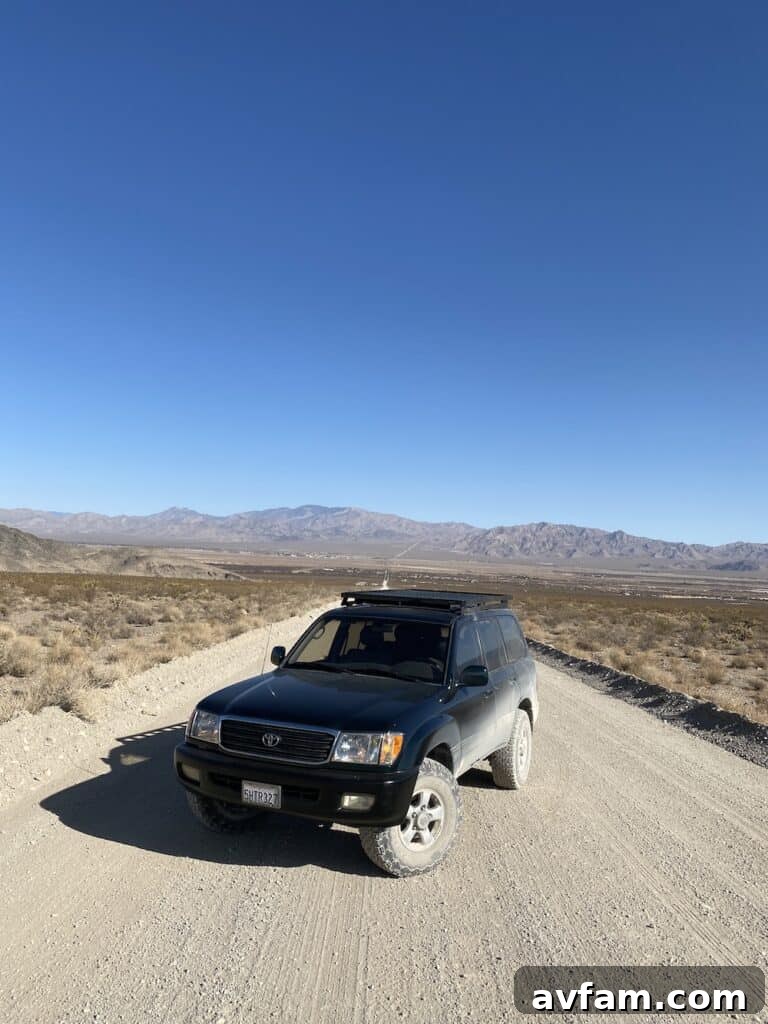
My search for the ideal Land Cruiser ultimately narrowed to the 100 Series, produced by Toyota from 1998 to 2007, before its succession by the 200 Series. This generation struck me as the perfect compromise, offering a balance of modern comfort and robust capability that earlier models couldn’t quite achieve and newer ones surpassed in price.
The Legendary 2UZ-FE 4.7L V8 Engine: Power and Durability
The 100 Series Land Cruiser marked a significant turning point in the model’s history by introducing a V8 engine—the venerable 4.7L 2UZ-FE. This powerful addition was warmly received, addressing the common criticism that the 80 Series was somewhat underpowered for the demands of modern highway driving and heavier overland builds. The 2UZ-FE quickly established itself as a workhorse, shared with other robust Toyota platforms like the Tundra and Sequoia.
Widely regarded by many enthusiasts and mechanics as one of the finest V8 engines Toyota has ever produced, the 2UZ-FE V8 is celebrated for its incredible durability and capability of reaching 300,000 miles or more with proper care. Its primary maintenance consideration is the timing belt, which requires replacement approximately every 90,000 miles, a service that typically costs between $800 and $1,400. Despite this periodic expense, the engine’s long-term reliability and abundant torque make it an ideal powerplant for overlanding, towing, and daily driving.
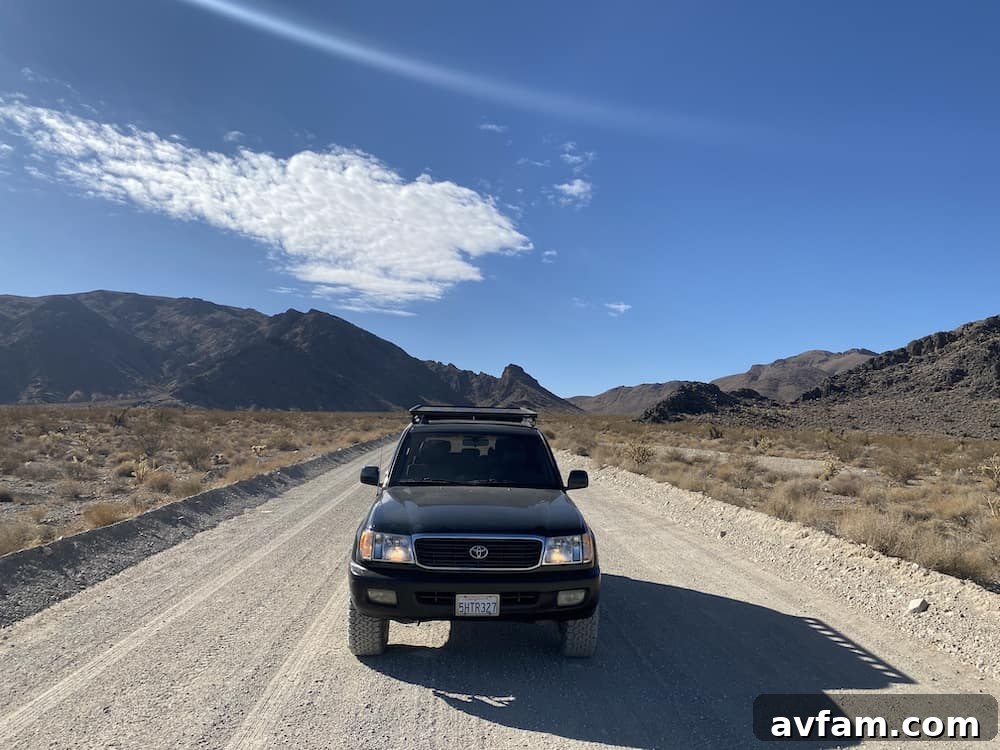
Independent Front Suspension (IFS): A New Direction for Land Cruiser Comfort
Another monumental change introduced with the 100 Series was the implementation of Independent Front Suspension (IFS). Found on nearly every modern vehicle, IFS is praised for its ability to deliver a remarkably comfortable ride and superior handling, both on paved roads and mild off-road trails. Its inclusion in the 100 Series was a notable departure from the Land Cruiser’s long-standing heritage of a solid front axle, which is renowned for maximizing wheel articulation and traction in extremely challenging off-road scenarios, particularly rock crawling.
The 100 Series suspension system combines front torsion bars with rear coil springs. While the torsion bars contribute to the comfortable on-road feel, they inherently limit overall wheel travel. As a result, lifting the front of a 100 Series typically involves “cranking” the torsion bars to gain a modest height increase, often paired with slightly larger tires. The rear can be lifted more substantially with taller, higher-rate coil springs. However, overall suspension lifts on the 100 Series are generally milder compared to the more dramatic lifts achievable on earlier models like the FJ80.
Despite these differences, it’s crucial to understand that an IFS-equipped 100 Series Land Cruiser remains an incredibly capable trail machine. While it might face limitations when tackling severe rock crawling compared to a highly lifted, solid-axle 80 Series, this specific niche is often the only area where the 80 Series truly holds a distinct advantage. For my needs—a reliable daily driver capable of handling weekend excursions to the mountains, beaches, and deserts, coupled with ambitious overland expeditions—the 100 Series perfectly fits the bill. My intention is to implement targeted modifications that will allow my Land Cruiser to confidently navigate the occasional rock garden, without sacrificing its primary role as a comfortable family hauler.
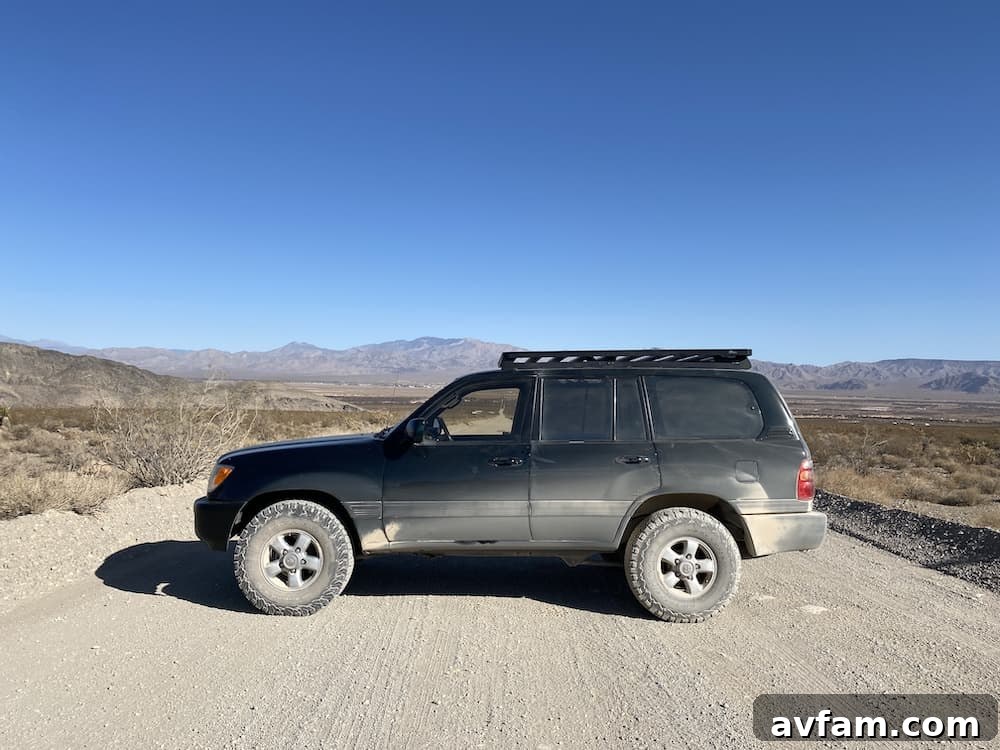
The Hunt for a Land Cruiser: Tips for Prospective Buyers
The journey to acquiring my Land Cruiser was an adventure in itself, spanning almost a year of diligent searching across platforms like Craigslist, AutoTempest, and OfferUp. I focused my efforts on finding either a 100 Series Land Cruiser or its luxurious twin, the Lexus LX 470. This process taught me invaluable lessons, which I plan to detail in a separate comprehensive guide on “How to Buy a Land Cruiser.”
My quest involved several near misses and frustrating experiences. For instance, I once flew all the way to Albuquerque only to return empty-handed after inspecting a 2005 LX 470 that was drastically misrepresented by its owner. Another promising lead, a one-owner 2000 LX 470 with just 80,000 miles, slipped through my fingers when I delayed getting a deposit, only to find it sold. There was also a memorable trip with my family to Big Bear to view a Land Cruiser that, despite being rough, I was ready to buy, until the owner revealed at the last minute he didn’t possess the title.
Finally, serendipity struck. A day after that last disappointment, my 1999 Land Cruiser appeared on OfferUp. I immediately drove to the valley and secured it on the spot. When undertaking such a significant purchase, it’s immensely helpful to have a trusted friend who is a fellow Land Cruiser enthusiast and, ideally, a 100-series owner, available for consultation. My personal lifeline throughout this process was Chris O’Neill of Mountain West Car Spotter on Instagram. Chris not only offers expert advice but also runs an excellent YouTube channel where he reviews and highlights the newest vehicles on the road. His endorsement gave me the confidence to proceed with my purchase.
Introducing My 1999 Toyota Land Cruiser UZJ100: A Diamond in the Rough
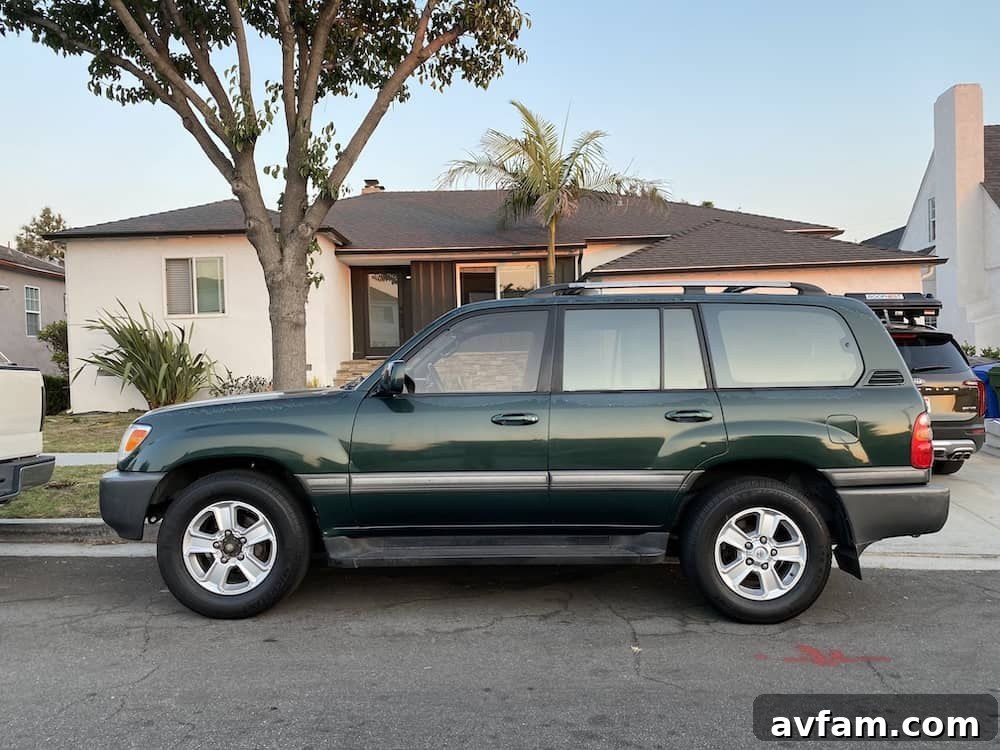
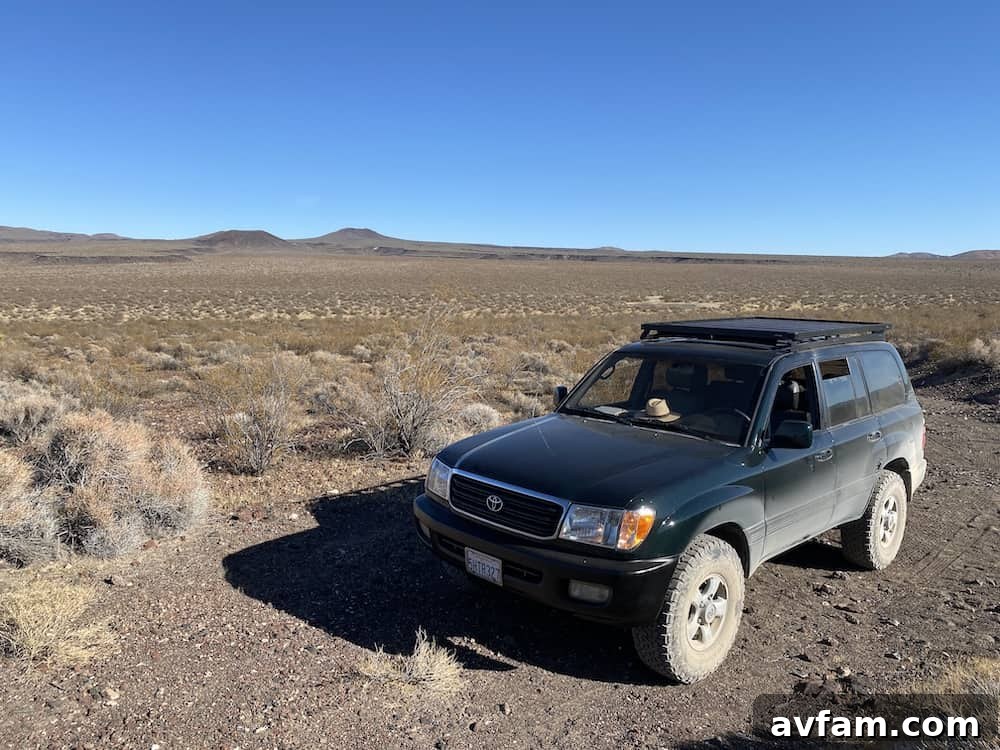
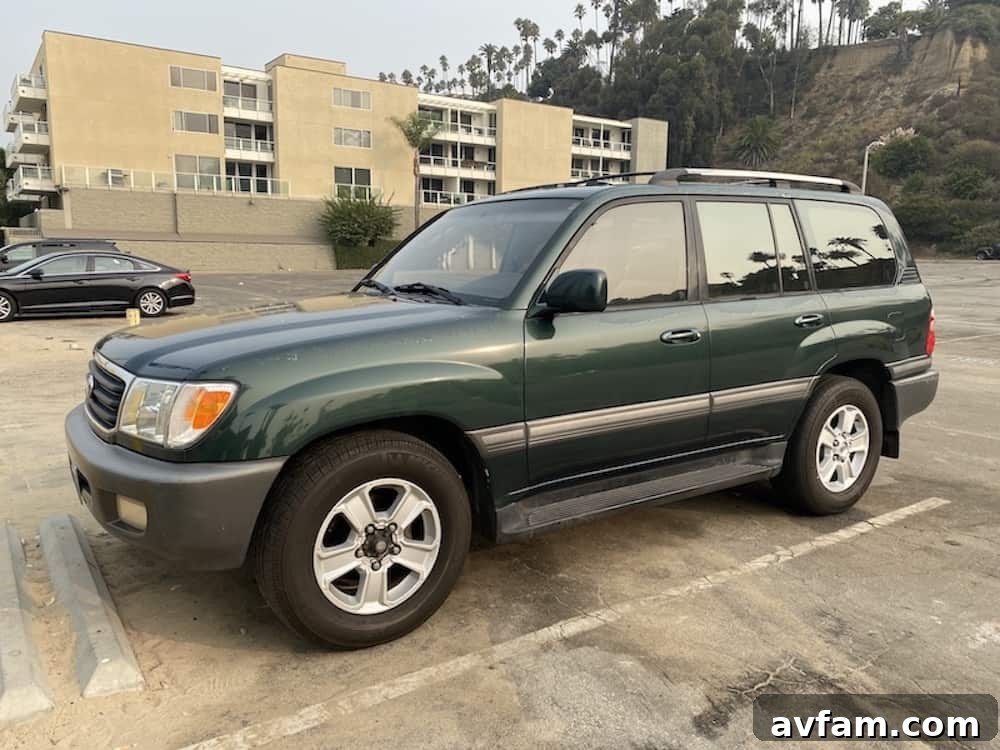
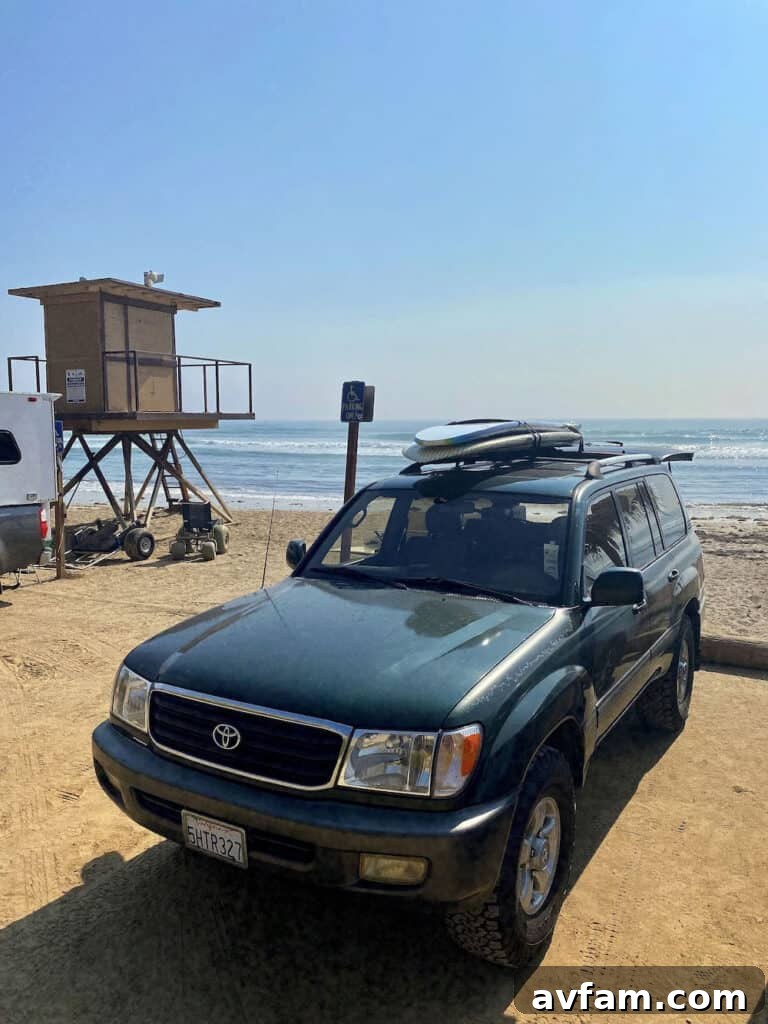
Here are the details of my freshly acquired 1999 Toyota Land Cruiser, a vehicle ripe with potential for adventure:
- Ownership: 2-owner vehicle, indicating a relatively stable history.
- Mileage: 185,000 miles – a testament to the Land Cruiser’s legendary longevity. For these vehicles, high mileage is often a non-issue if properly maintained.
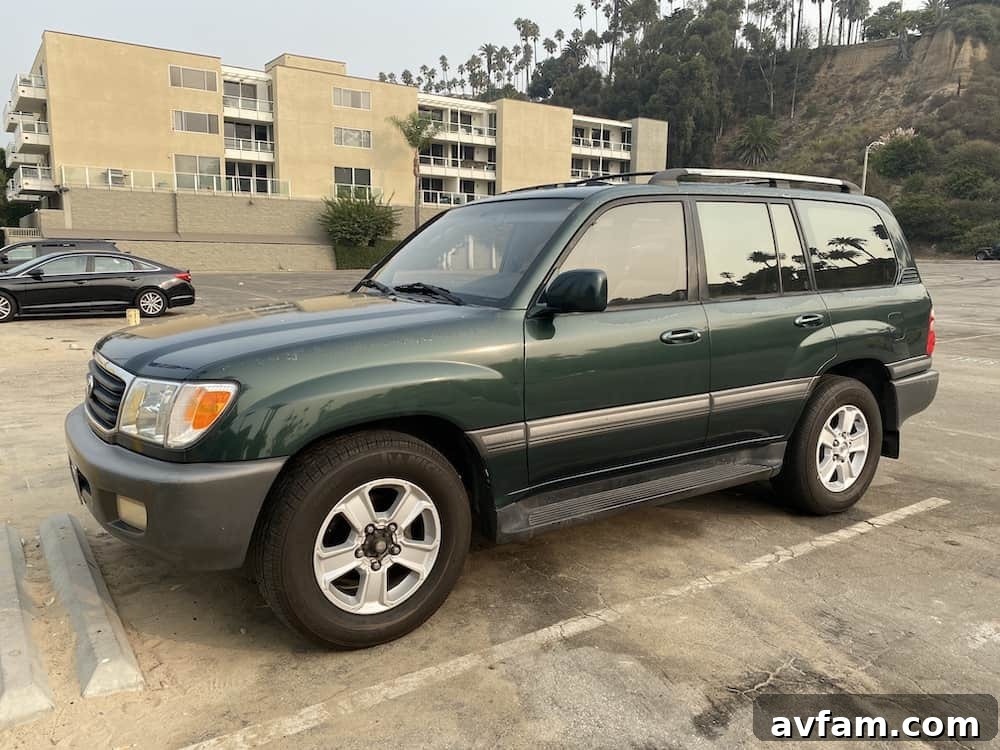
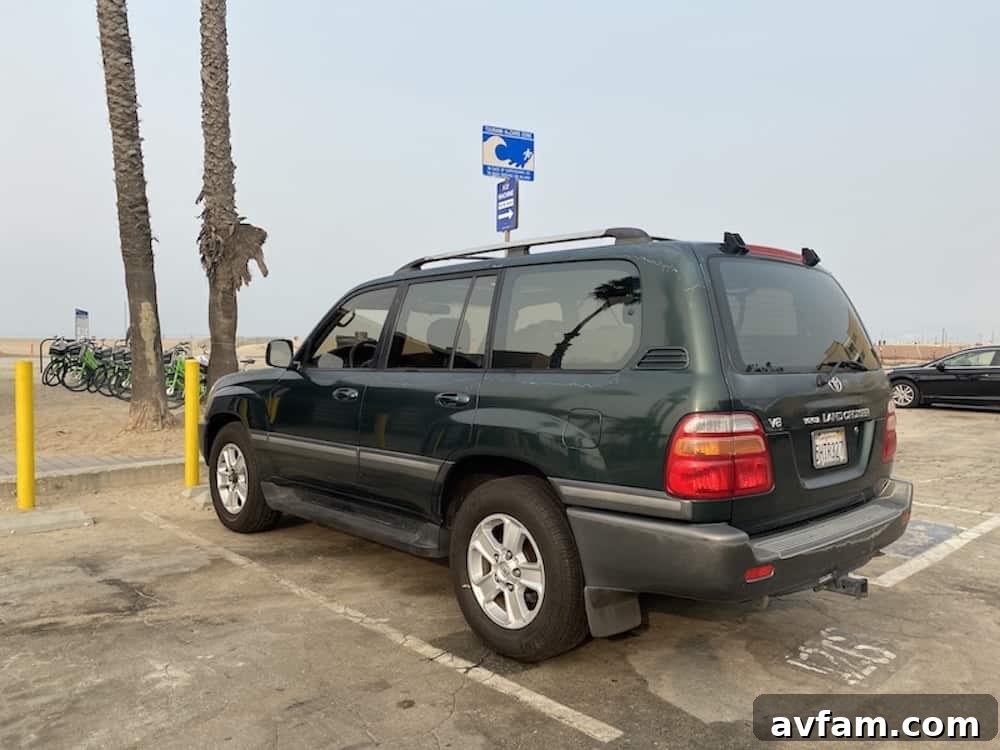
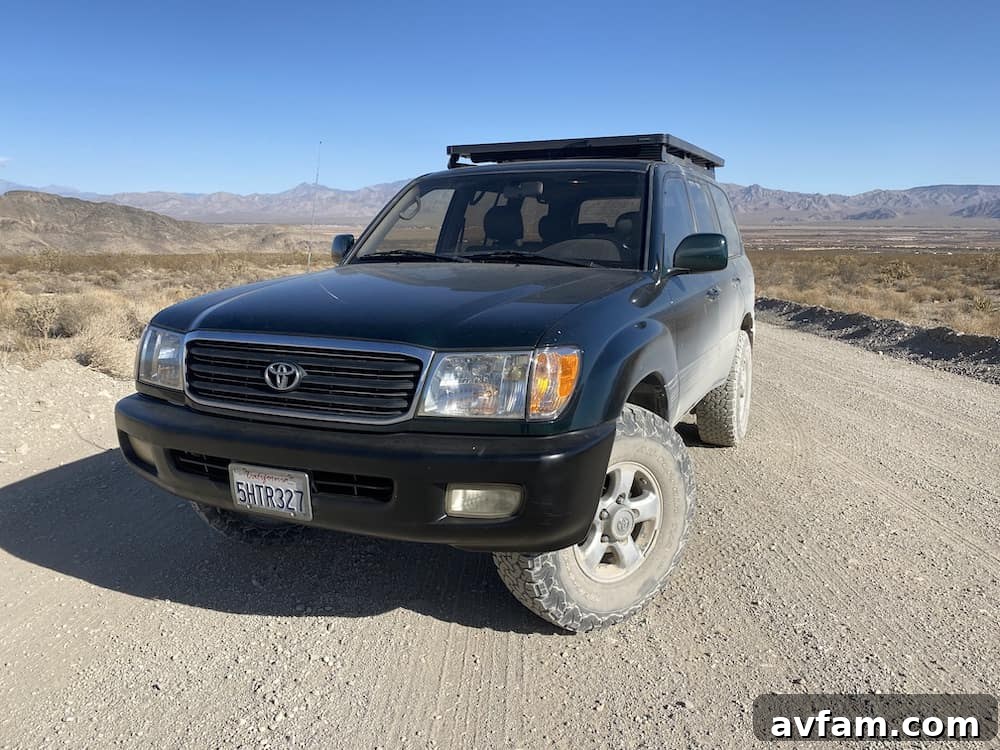
- Condition: A cherished California vehicle with absolutely no rust, a critical factor for any vintage SUV.
- Modifications: Completely stock, never modified, providing a clean slate for my custom build.
- Off-road History: Crucially, it had never been off-road, suggesting less wear and tear on critical components.
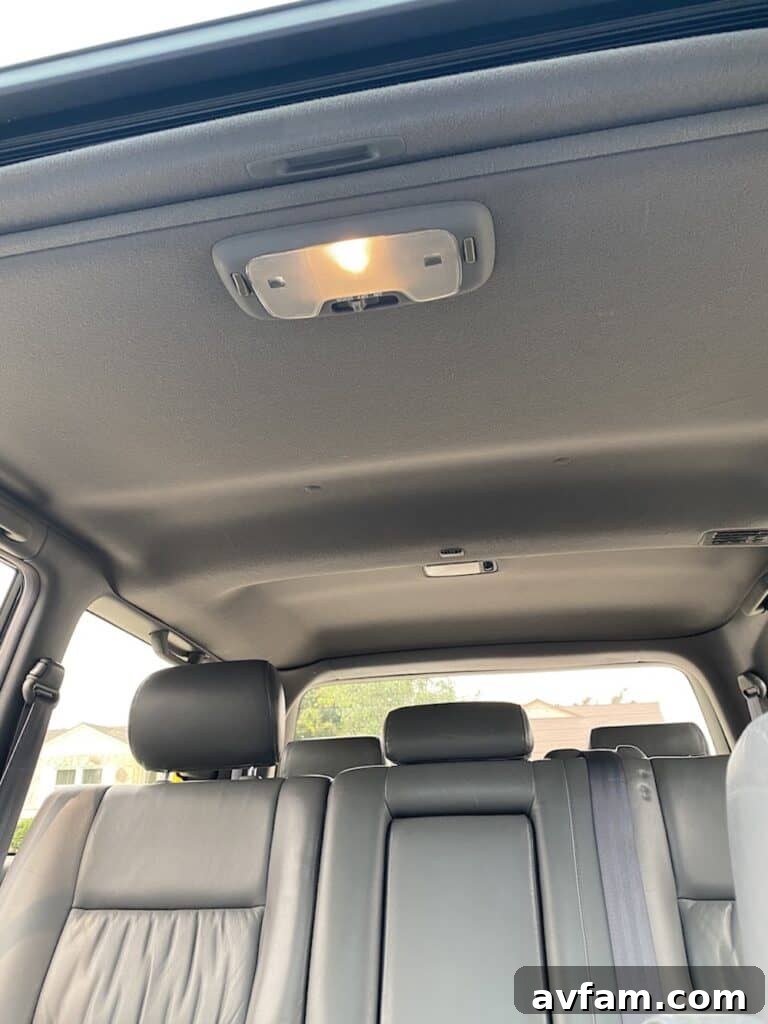
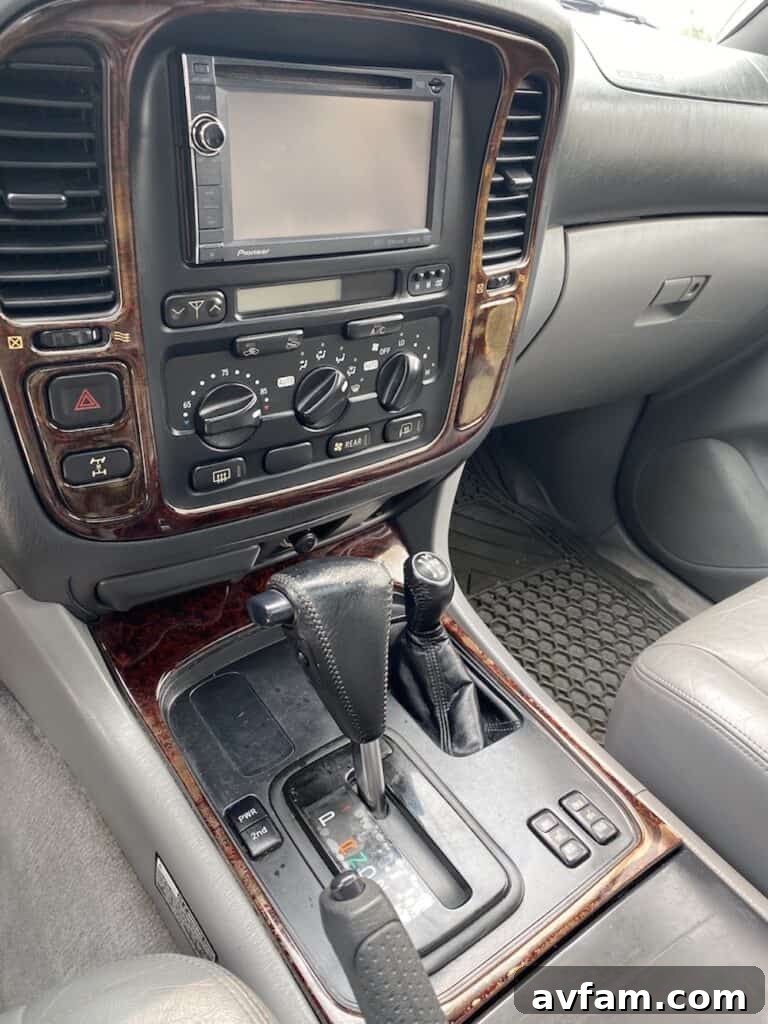
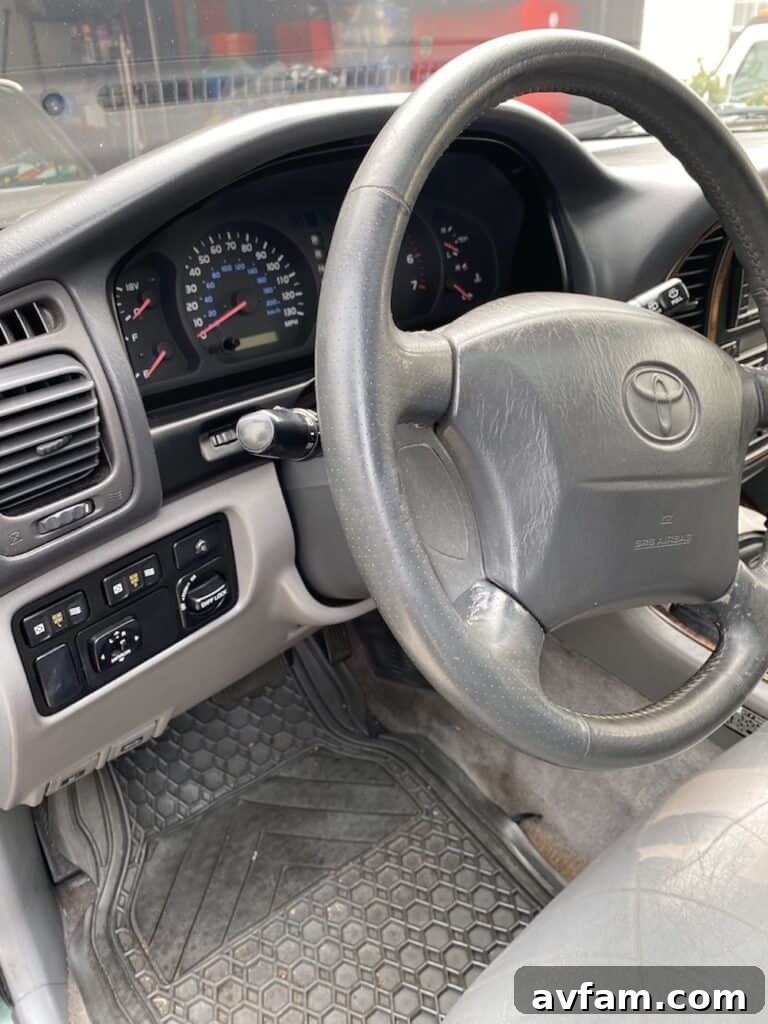
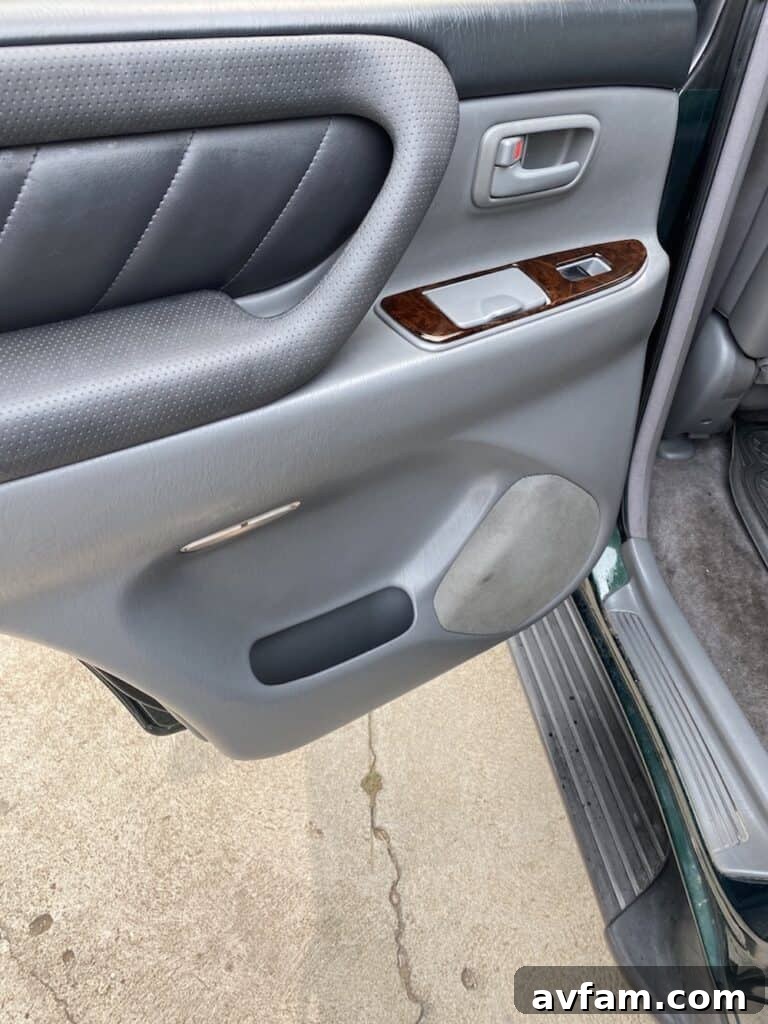
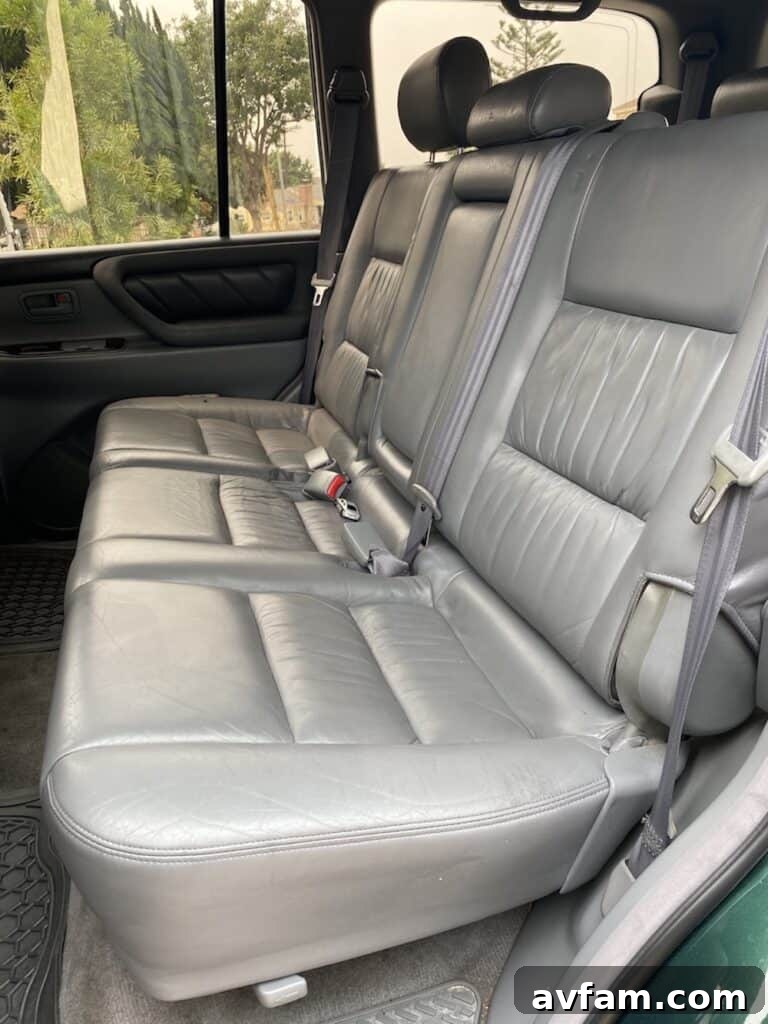
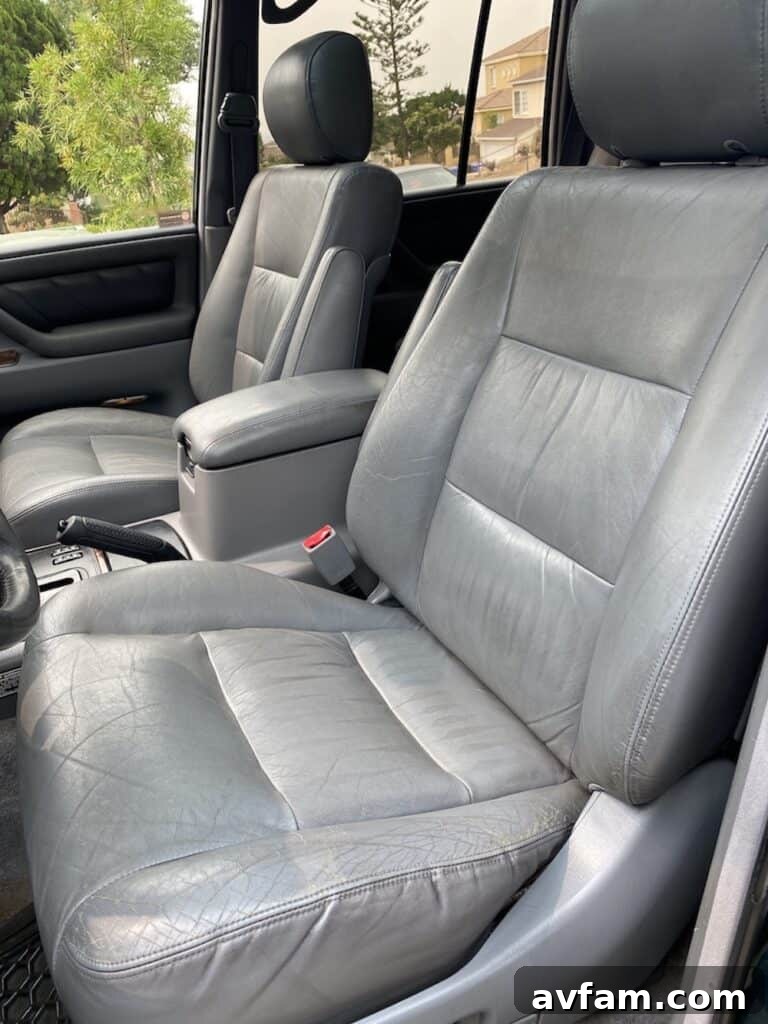
- Aesthetics: Stunning Imperial Jade Mica exterior paired with a classic grey interior.
- Key Feature: Equipped with a factory rear locker, a highly desirable feature for serious off-road capability.
While high mileage is generally acceptable for a well-maintained Land Cruiser, this particular vehicle came with a notable absence of maintenance records. Neither the Toyota website nor Carfax yielded much in the way of service history. This meant my decision hinged entirely on my initial assessment, the test drive, and my trust in the owner’s description of the vehicle’s condition. It passed the crucial “eyeball test” with flying colors and drove exceptionally well, convincing me to complete the purchase. For $8,000 and an hour of paperwork, I was driving my dream SUV home.
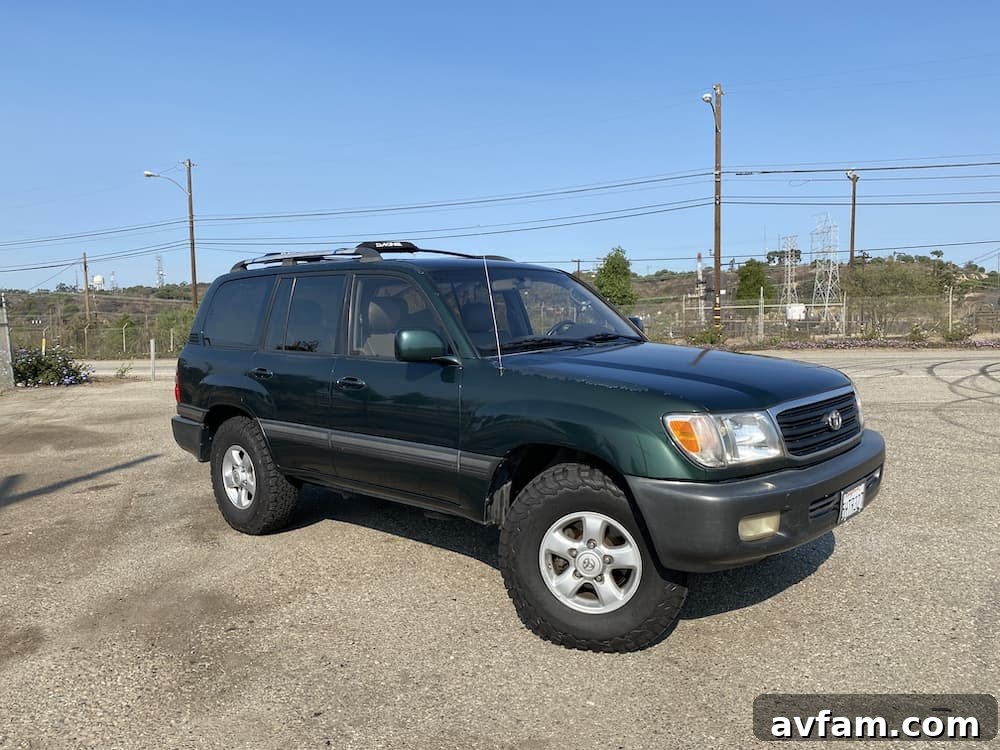
Upon acquiring the Land Cruiser, I immediately identified a few essential needs:
- Paintwork: The exterior exhibited the classic peeling clear coat along the roofline, windows, and doors, common for vehicles of this age. The hood also appeared to have been previously repainted. A full respray, estimated at $1,500-$2,000 from a reputable body shop like Maaco, was on the agenda to restore its aesthetic appeal.
- Timing Belt and Water Pump: The previous owner was unsure of the last timing belt replacement, and no sticker indicated recent service. This critical maintenance item, along with the water pump, was a priority, anticipating another $1,000 expense.
Within the first week, the Land Cruiser was in the shop for the timing belt and water pump service, a complete baseline of all fluids, and a thorough post-purchase inspection. Fortunately, no major issues were uncovered beyond a minor leak from a lower ball joint and the need for new shocks. Even the smog technician commented on the vehicle’s exceptional cleanliness, confirming my initial observations of no significant leaks or rust. With the initial baseline complete, it was time to embark on the exciting journey of modifications, transforming this capable SUV into the ultimate overlanding and family hauler it was destined to be.
Essential Land Cruiser 100 Series Modifications for Overlanding and Daily Driving
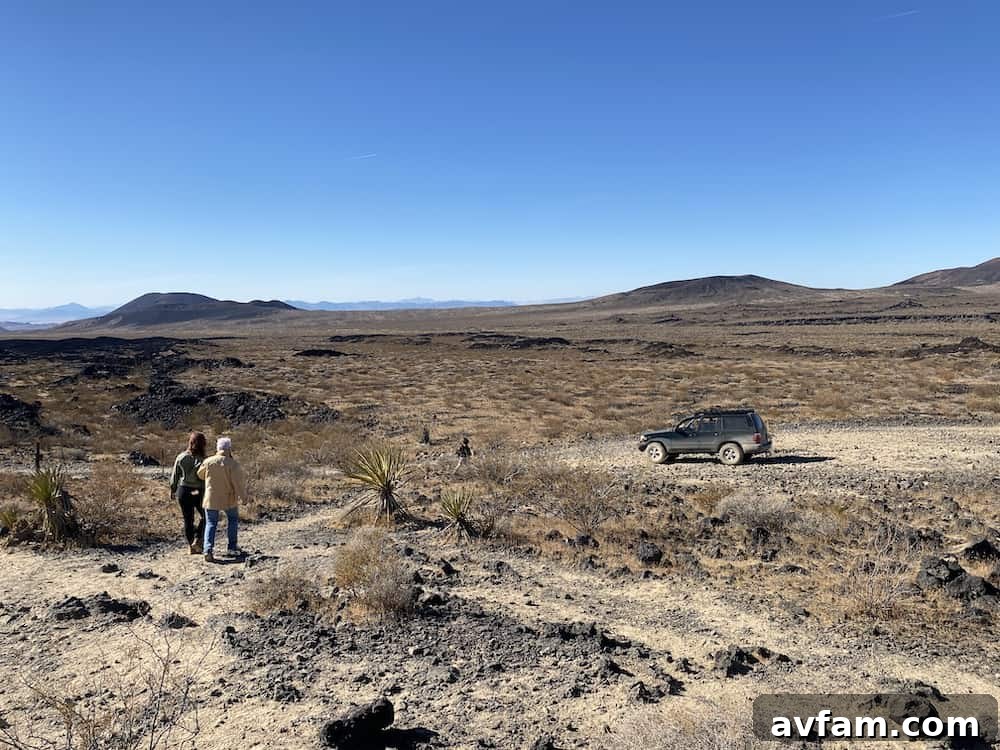
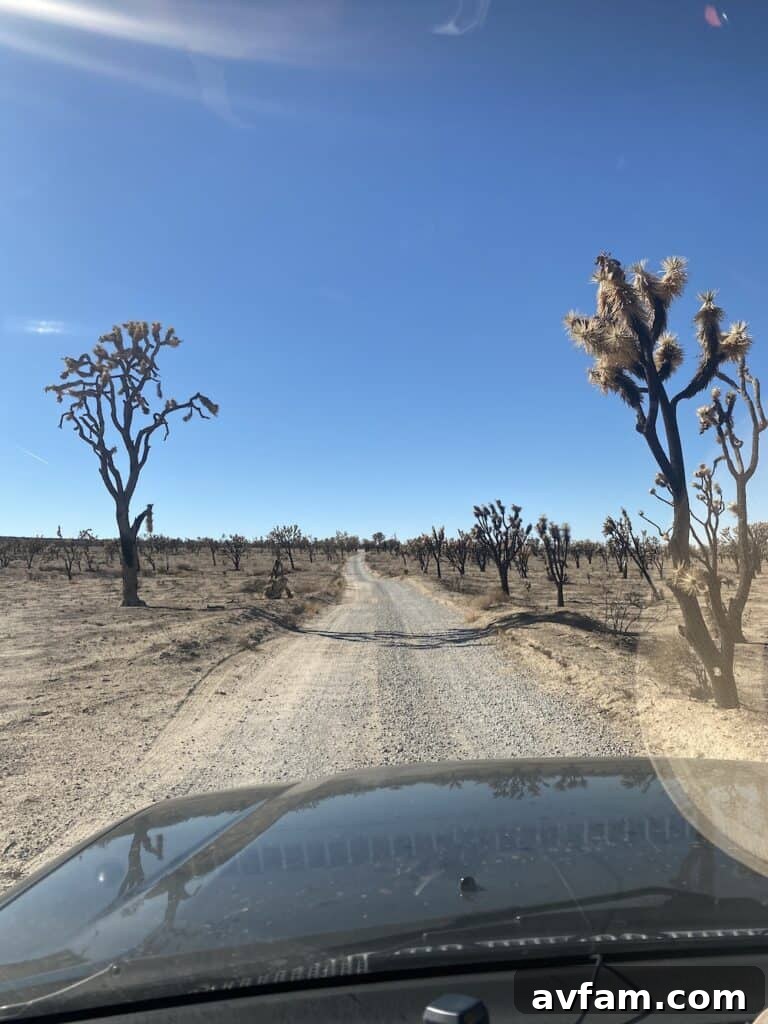
When planning modifications for any vehicle, the first and most crucial step is to define its intended use. For my Land Cruiser, the objective is clear: it will serve as my daily driver in bustling Los Angeles, frequently transporting my wife and children. My wife will also drive it periodically. This dual role dictates a setup that prioritizes street comfort and safety, while simultaneously offering the robust capability to confidently tackle any dirt road or mild trail encountered on weekend adventures and extended overland trips.
Tires: The Foundation of On and Off-Road Performance
If I were limited to making only one modification to transform this stock Land Cruiser into a truly off-road-worthy machine, it would undoubtedly be the tires. Replacing the aging Falken LTs with BFGoodrich All-Terrain T/A KO2 tires was a no-brainer. I had these on my previous FJ62 and was consistently impressed by their performance. They are legendary in the off-road community for their exceptional balance of on-road handling, quiet ride, excellent wear characteristics, and formidable off-road grip.
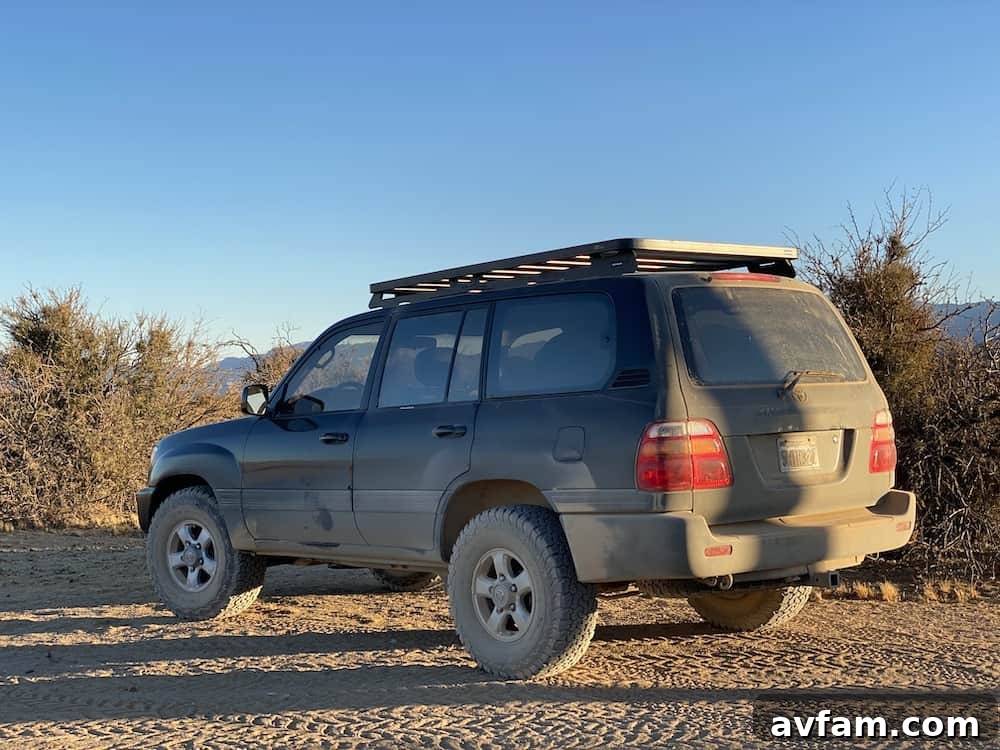
My positive experience with KO2s on the FJ62 made them the immediate choice for the 100 Series. I opted for a slight upsizing to 285/75 R16, which measure just under 33 inches tall. This size is typically the largest you can fit on a stock 100 Series without requiring any rubbing or modifications to the wheel wells or suspension. This subtle increase in tire size provides approximately an inch of additional ground clearance, a valuable gain for tackling uneven terrain.
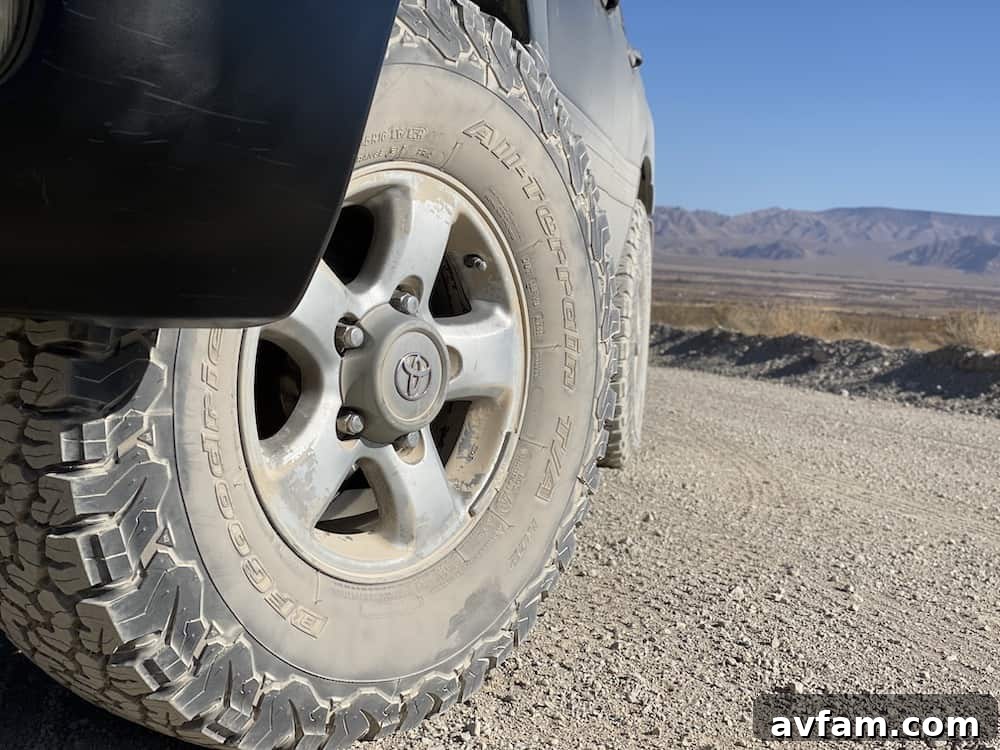
Beyond their size and aggressive tread pattern, the BFGoodrich KO2s offer several benefits vital for overlanding. They can be safely aired down for off-roading, significantly improving traction on loose surfaces like sand and dirt, while also enhancing ride comfort over rough terrain. Furthermore, these specific KO2s are E-rated, meaning they boast a higher load capacity, making them suitable for the additional weight of future heavy accessories like a rear bumper, roof-top tent, or other gear.
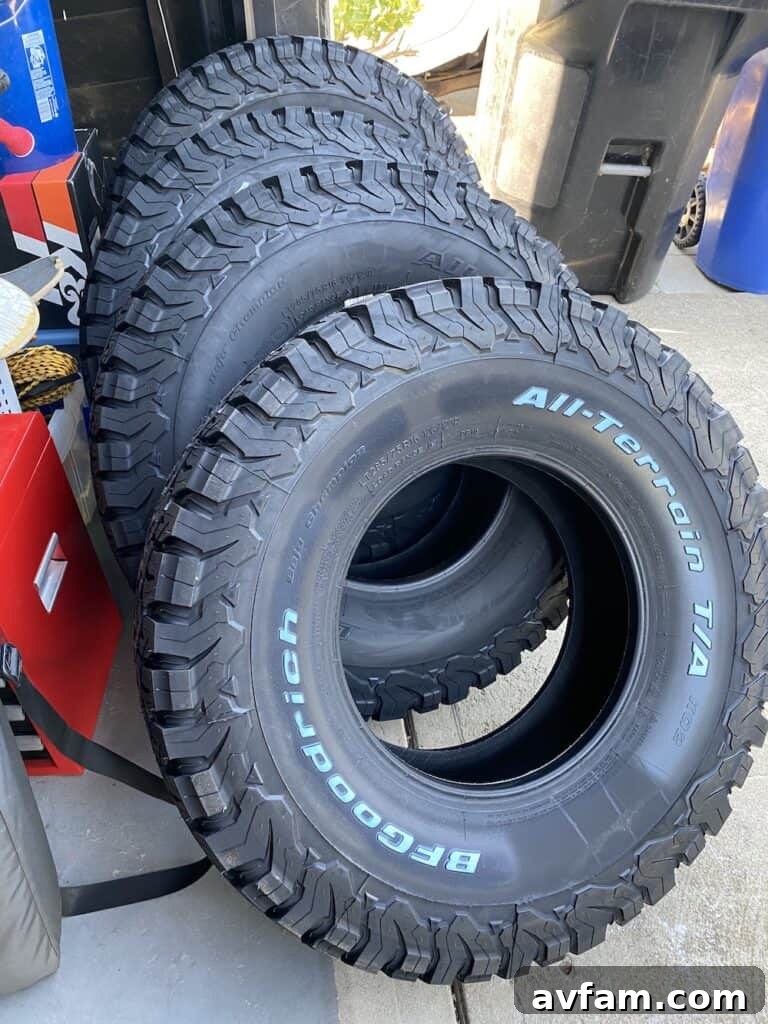
Revered worldwide by the off-roading community, BFG KO2s have proven their worth on countless expedition rigs. They are even severe snow rated, although my adventures will primarily involve dirt, dust, and sand. With a 60-day satisfaction guarantee and a 50,000-mile mileage warranty, their quality and performance are confidently backed. The tires were shipped promptly, and I had my local tire shop professionally mount and balance them, including a crucial full-size spare, an absolute necessity for remote travel.
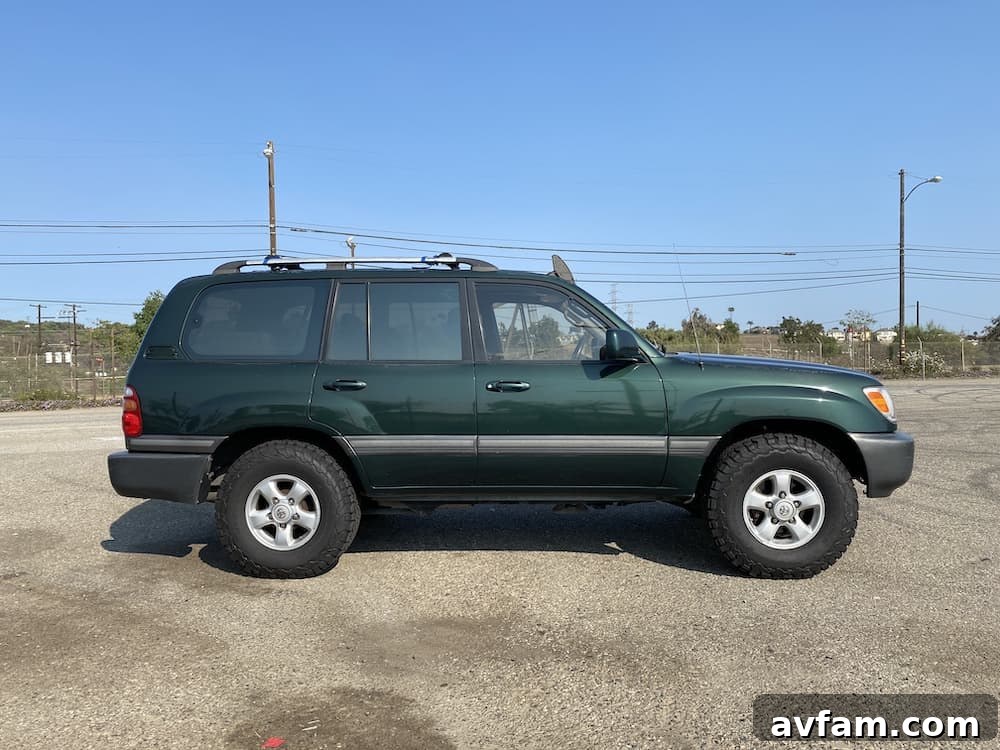
I chose to mount these aggressive tires on the factory 16-inch forged aluminum wheels. Unlike many aftermarket cast aluminum wheels which can be weaker and heavier, the OEM forged wheels offer superior strength and a classic, vintage off-roader aesthetic that I prefer. However, I remain open to upgrading if a set of black TRD Pro BBS forged wheels, originally designed for Land Cruisers, Tundras, or Sequoias, becomes available.
Expedition-Style Roof Rack: Expanding Your Adventure Capacity
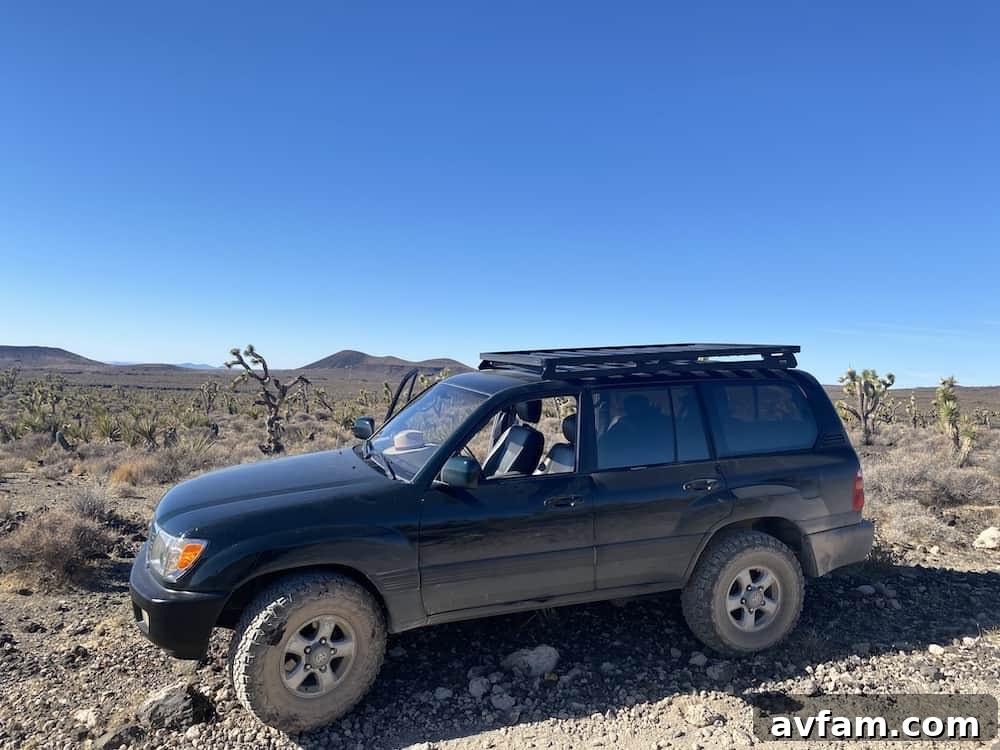
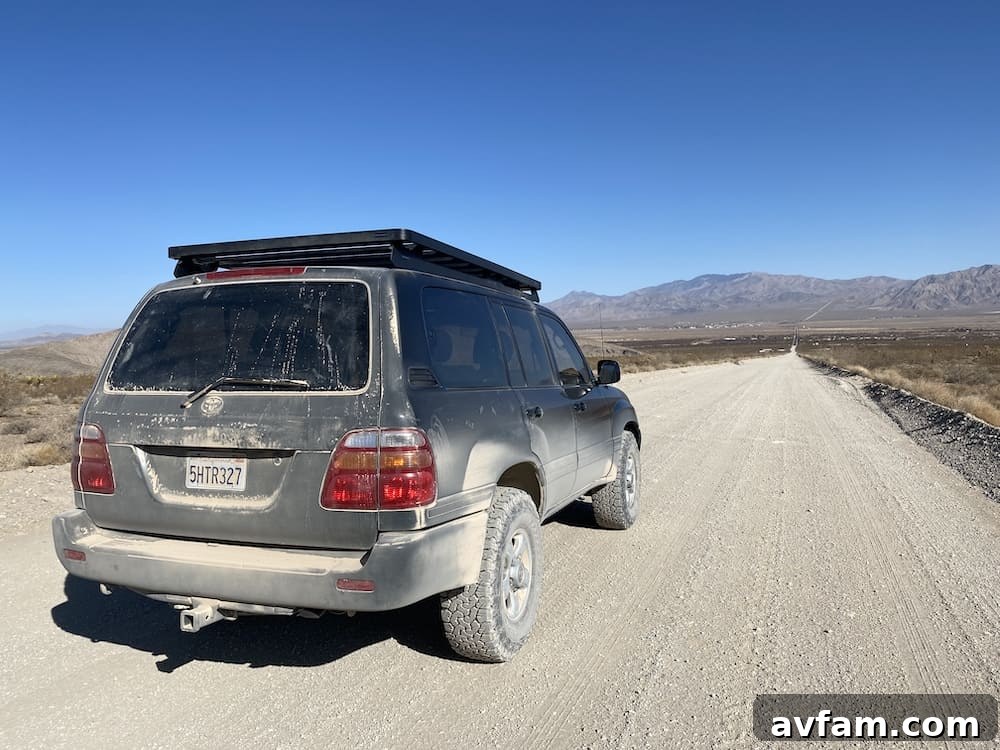
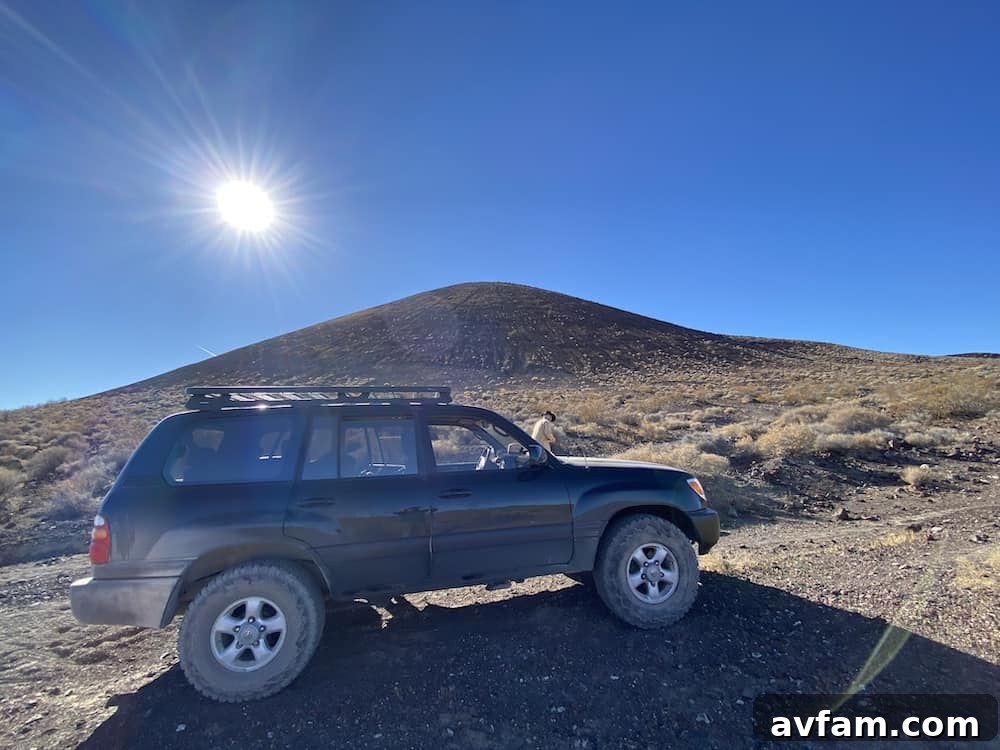
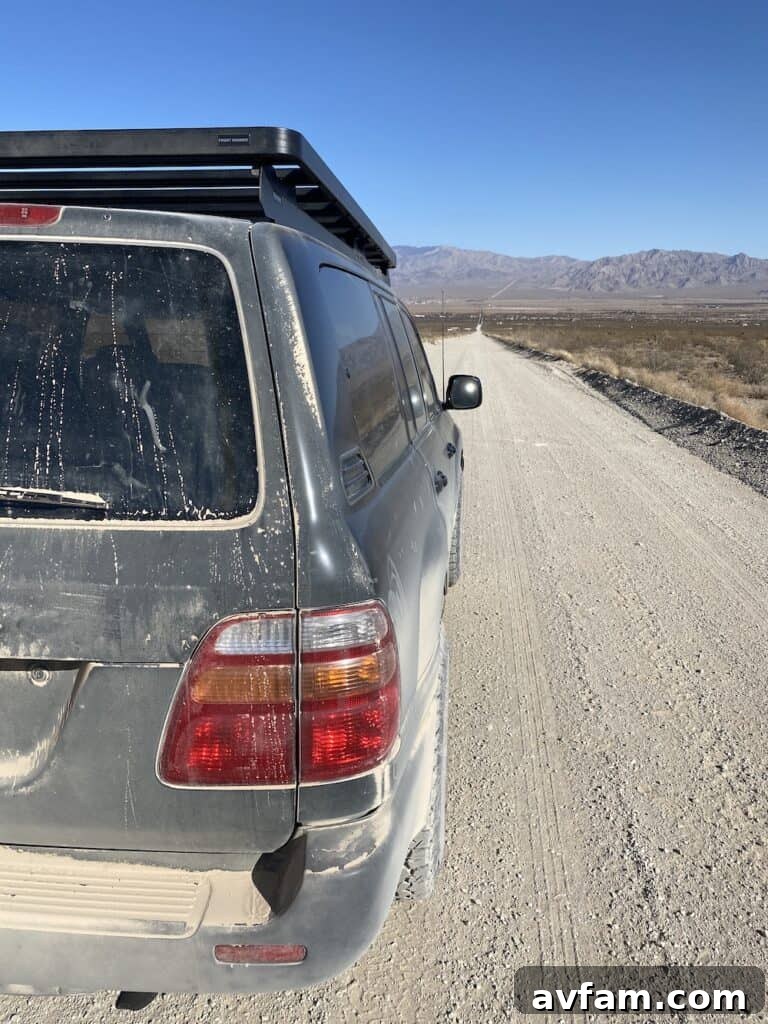
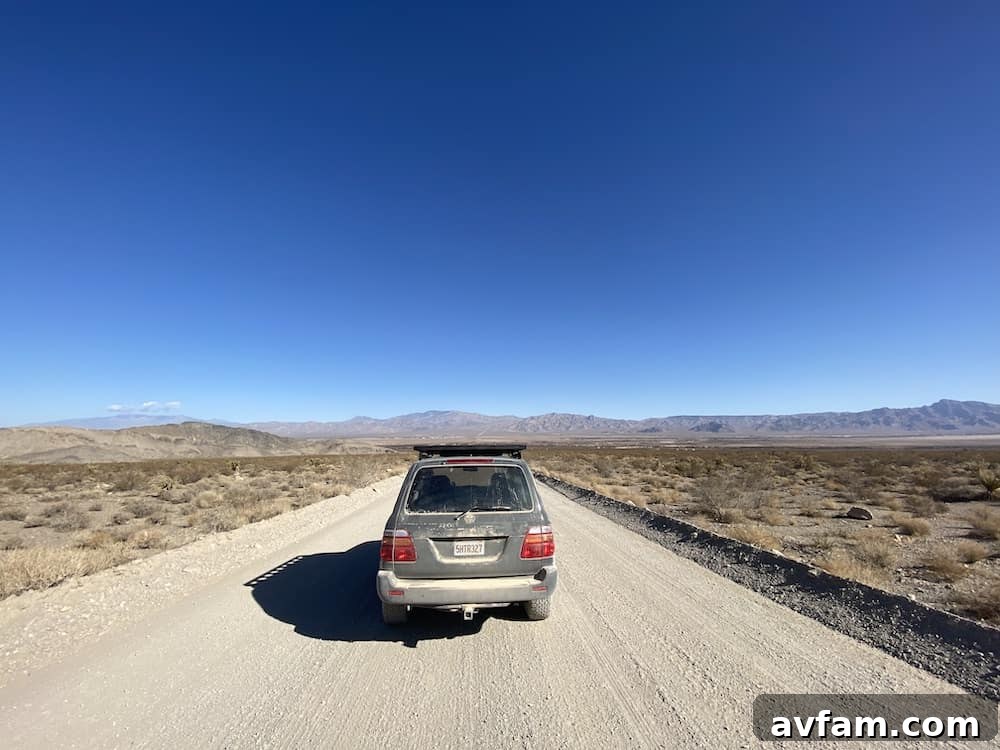
Having experienced the exceptional performance of a Front Runner Slimline II roof rack on my previous Land Cruiser, it was an obvious choice for the 100 Series. Why deviate from perfection? The addition of an expedition-style platform roof rack like the Front Runner Slimline II instantly transformed my truck’s utility, elevating it from an extremely capable car camping vehicle to a safari-worthy rig, capable of securely carrying virtually any gear imaginable.
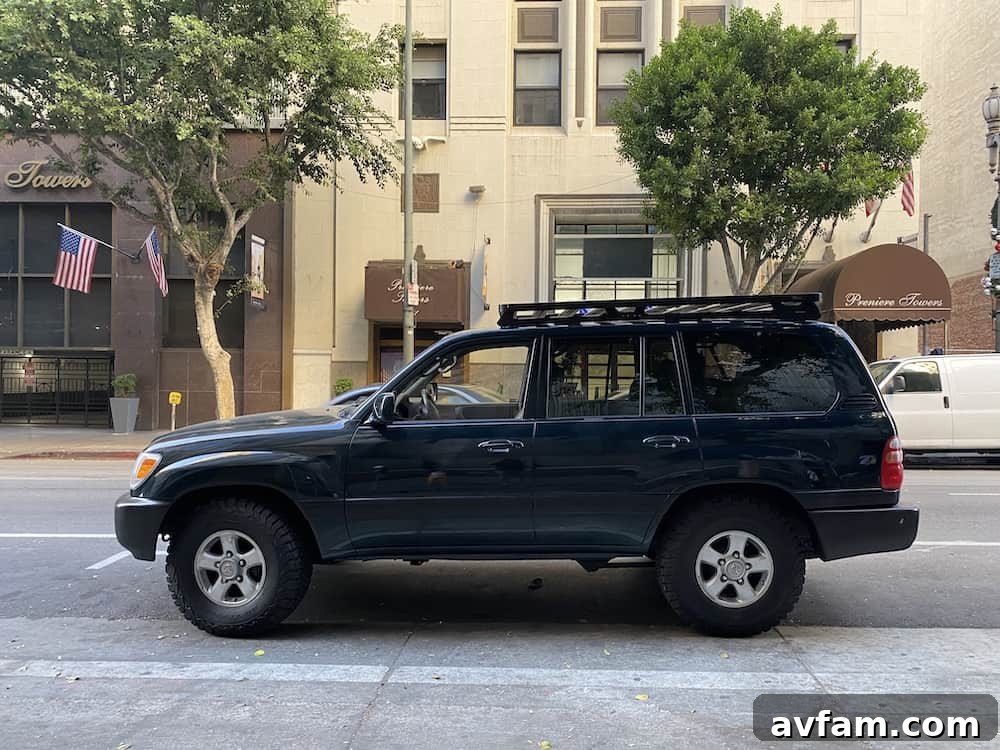
Unlike conventional crossbar roof racks (like those from Thule or Yakima), an expedition-style platform roof rack, typically constructed from robust steel or aluminum, offers a much higher degree of utility and versatility. The Front Runner rack exemplifies this design, not only complementing the vehicle’s rugged aesthetic but also serving as a highly adaptable base for all outdoor pursuits. Its low-profile design minimizes wind noise and drag while providing a massive flat surface for mounting anything from recovery gear to camping equipment.

Front Runner boasts an impressive ecosystem of over 50 accessories specifically designed for their roof racks. These accessories enable users to securely transport everything from surfboards, stand-up paddleboards (SUPs), kayaks, skis/snowboards, and bikes. However, where Front Runner truly excels is in its comprehensive range of camping, overlanding, and off-road-specific attachments. From rooftop tents and awnings to fuel and water can holders, shovel mounts, and recovery gear solutions, the system is engineered to support extensive expeditions. I will delve into a more detailed review and my specific use cases for the Front Runner rack in a dedicated follow-up article, but for my needs, it is an indispensable modification.

Additional Modifications: Enhancing Form and Function
Beyond the major upgrades, a series of smaller, yet impactful, modifications quickly added up to significantly enhance both the visual appeal and functional capability of my Land Cruiser. To manage costs effectively, I undertook almost all of this work myself, a strategy I highly recommend as labor charges can accumulate rapidly.
- Removal of Running Boards/Side Steps: This simple modification provided an instant visual “lift” to the vehicle’s profile and, more importantly, prevented potential damage from rocks or debris when off-road. It also created valuable space for future rock slider installations, which will offer robust protection for the rocker panels.
- Weathertech Floor Liners: Essential for protecting the interior from dirt, mud, and spills, especially with frequent outdoor adventures and family use.
- Philips HIR Headlight Bulbs: An easy and effective upgrade to improve nighttime visibility, crucial for both highway safety and dimly lit trails.
- Interior LED Lights (Warm LEDs): Swapping out old incandescent bulbs for warm-toned LEDs modernized the interior lighting, providing brighter illumination while drawing less power.
- Cabin Air Filters: Surprisingly, many Land Cruisers, despite having a filter housing, were often delivered without a cabin air filter installed. Adding one significantly improves air quality inside the cabin, filtering out dust, pollen, and other particulates.
- OME 2865 Rear Springs: The original rear springs were visibly sagging due to age and typical Land Cruiser weight. These Old Man Emu (OME) springs maintained a factory ride height but offered a higher spring rate, restoring the vehicle’s stance and improving load-carrying capability.
- OEM Shocks All Around: Replaced the worn-out aftermarket shocks with new Original Equipment Manufacturer (OEM) shocks to restore the factory-intended ride quality and control, ensuring optimal comfort and handling.
- Bora 1.25″ Wheel Spacers: These spacers subtly widened the overall track width of the truck. This not only enhances stability but also brought the wheels flush with the fenders, providing a more aggressive and aesthetically pleasing stance.
- Rear Mud Flap Eliminators: Removed the bulky factory mud flaps to prevent them from catching on obstacles off-road and to further clean up the rear profile.
Future Modifications: Evolving the Ultimate Overlander
The list of potential future modifications for my Land Cruiser is extensive and likely to evolve as my needs and experiences dictate. However, for now, these are the planned upgrades that make the most sense for further enhancing its overlanding and daily driving capabilities:
- Hard Shell Rooftop Tent: The Roofnest Sparrow was an outstanding tent on my previous vehicle, and I’d love to add a similar hard shell tent to the Land Cruiser. The main challenge lies in the desire not to keep it mounted permanently and the limited storage space available when not in use. Resolving these logistical hurdles will be key to this addition.
- Upgraded Suspension: While I’m currently satisfied with the budget-friendly setup of new OEM shocks, cranked torsion bars, and OME rear springs, I’m open to a more robust suspension system if my off-road duties demand it. Systems from reputable brands like Ironman or Tough Dog are strong contenders for a more comprehensive lift and enhanced performance.
- Light Bar: Adding a 40-inch LED light bar to the Front Runner roof rack would dramatically improve nighttime visibility on remote trails. Furthermore, if I upgrade to an aftermarket front bumper, I’d consider mounting a pair of powerful LP9 lights for auxiliary illumination.
- Rock Sliders: I favor the bolt-on White Knuckle sliders, which offer multi-functional benefits. They provide essential protection for the rocker panels against trail damage, serve as convenient steps for easier entry and exit, and offer a stable platform for accessing the rooftop tent or roof rack cargo.
- Front Bumper: The classic, utilitarian look of an ARB bumper is very appealing, though low-profile designs from Dissent Off-Road and TJM also catch my eye. A steel front bumper would provide legitimate recovery points, enhance front-end protection, and offer sturdy mounting locations for auxiliary lights and a winch.
- Rear Bumper: My preference is to avoid a swing-out tire carrier, as I require quick and unobstructed access to the rear cargo area for daily use. However, a new steel rear bumper would be a significant upgrade, providing robust tow and lift points, along with increased protection for the vehicle’s rear.
- Surfboard and Kayak Carrying Accessories: Leveraging the versatility of the Front Runner rack, I plan to add dedicated accessories for transporting surfboards and kayaks, fully embracing my passion for watersports.
- Flowmaster Muffler: A performance-oriented Flowmaster muffler would be considered to potentially free up a bit more horsepower and achieve a more satisfying exhaust note from the V8 engine.
I invite you to follow along on my Instagram for regular updates on my Land Cruiser build, as well as detailed trip reports from our family adventures. I am incredibly excited to spend more time exploring with the 100 Series, looking forward to countless big and small adventures with my family. Ultimately, creating lasting memories out in the wild is what this journey is truly all about.