
Mastering Window Replacement: A Comprehensive Guide to Energy-Efficient Home Windows
Embarking on a window replacement project for your home can initially feel overwhelming, given the vast array of options now available. However, this wealth of choice is a testament to the remarkable advancements in window technology over the past couple of decades. Modern windows are engineered to transform your living spaces, offering unparalleled energy efficiency, enhanced comfort, and improved aesthetic appeal that homeowners could only dream of in the past. Understanding these innovations is key to making an informed decision that will benefit your home for years to come.
Replacing old, inefficient windows is one of the most impactful home improvement projects you can undertake. It’s not just about updating the look of your house; it’s about investing in a more comfortable, quieter, and significantly more energy-efficient home. This comprehensive guide will walk you through the essential considerations, from the advanced properties of window glass to the diverse characteristics of frame materials, ensuring you select the perfect windows tailored to your specific needs and climate.
Understanding Advanced Window Glass Technology
The glass in your windows plays a critical role in determining their overall energy performance. Gone are the days of simple single-pane glass; today’s options are sophisticated barriers designed to regulate indoor temperatures effectively. When evaluating window glass, several key metrics and features come into play, with energy efficiency being the paramount concern for most homeowners.

The Science of Energy Efficiency: U-Factor and Solar Heat Gain Coefficient (SHGC)
To truly grasp a window’s thermal performance, you need to understand two primary metrics: U-Factor and Solar Heat Gain Coefficient (SHGC). These measurements provide a clear indication of how well a window insulates and manages solar radiation, directly impacting your home’s heating and cooling costs.
- U-Factor: This measures the insulating value of windows and other fenestration products. Unlike R-value, which quantifies a material’s resistance to heat flow, the U-Factor measures the rate of heat transfer through a window. Therefore, a lower U-Factor indicates better insulation, meaning the window is more effective at preventing heat from escaping your home in winter and entering it in summer. A low U-Factor is crucial in all climates, but particularly in northern regions where retaining indoor heat is a priority.
- Solar Heat Gain Coefficient (SHGC): SHGC quantifies how much solar radiation (heat from the sun) passes through a window and is absorbed as heat inside your home. A lower SHGC value means the window blocks more solar heat, which is highly beneficial in southern climates where air conditioning is essential. By reflecting the sun’s heat away, low-SHGC windows help keep your home cooler and reduce the load on your HVAC system.
Comparing these efficiency ratings before purchasing is crucial. By selecting windows with appropriate U-Factor and SHGC values for your climate, you can significantly lower heating and cooling costs, maximizing the return on your investment.
Navigating ENERGY STAR® Certification
An easy and reliable way to identify energy-efficient windows is to look for products that meet ENERGY STAR® requirements. This esteemed program, developed by the U.S. Environmental Protection Agency and the U.S. Department of Energy, simplifies the selection process by certifying products that meet stringent energy performance standards.
ENERGY STAR® performance requirements for windows are specifically tailored to address the unique needs of different climates across the United States. For instance:
- In Southern climates, a low SHGC is paramount to minimize unwanted heat gain.
- In Northern climates, a low U-Factor is most important for retaining heat indoors and preventing drafts.
Choosing ENERGY STAR® certified windows assures homeowners that their selected products are optimally suited for their geographic area in terms of energy efficiency, providing peace of mind and measurable savings.
The Marvel of Low-E Coatings
Most high-performing windows today incorporate Low-E (low-emissivity) glass. This innovative feature involves applying a microscopically thin, transparent metallic oxide coating to the glass surface. The primary function of Low-E coating is to improve the window’s thermal efficiency by reflecting heat. In colder months, it helps keep heat inside your home, while in warmer months, it reflects external heat away, preventing it from entering. Additionally, Low-E coatings effectively block a significant portion of damaging ultraviolet (UV) rays, which can fade furniture, flooring, and artwork.
Different types of Low-E coatings exist, each optimized for specific performance characteristics and climates. Some are designed for maximum solar heat reflection, ideal for hot climates, while others allow more solar gain to help warm homes in colder regions. Consulting with a window expert can help you determine the best Low-E option for your home’s unique orientation and local climate.
Beyond Low-E: Other Glass Enhancements
While Low-E glass is a cornerstone of modern window technology, other glass types and options further enhance performance and comfort:
- Clear Glass: This is the fundamental material for windowpanes. While basic, in modern contexts, it’s often enhanced with special glazings like Low-E to meet contemporary energy efficiency demands. It provides maximum light transmission but offers minimal thermal insulation on its own.
- Heat-Absorbing Glass: Treated with subtle gray, green, or bronze tints, heat-absorbing glass works by absorbing up to 45 percent of incoming solar energy. This absorption reduces the amount of heat transmitted into your home, further increasing the window’s energy efficiency, particularly in sunny environments. These tints can also slightly reduce glare.
- Reflective Glass: Glass coated with a reflective film is highly effective at controlling solar heat gain, especially beneficial during hot summers. This film acts like a mirror, bouncing sunlight and heat away from the building. While excellent for heat control, it also reduces the passage of visible light and solar transmittance year-round, which might be a consideration if maximizing natural light is a priority.
- Glass Layers and Air Spaces (Multi-Pane Systems): The number of glass panes significantly impacts a window’s insulating value.
- Single-Pane Glass: This is the least energy-efficient option, providing only a thin barrier to the outside elements with very little insulating value, characterized by a high U-Factor. It’s largely obsolete for modern energy-efficient homes.
- Double-Pane (Insulated Glass Units – IGUs): Consisting of two panes of glass separated by a sealed air or gas-filled space, double-pane windows drastically increase resistance to heat flow (decreasing the U-Factor) and significantly boost energy efficiency. This sealed space acts as an insulating layer.
- Triple-Pane Windows: Featuring three panes of glass and two sealed spaces, triple-pane windows offer superior insulation, further reducing U-Factors and enhancing sound dampening. They are particularly valuable in extreme climates or for homes where noise reduction is a priority.
An even more energy-efficient window results when these double or triple-pane units incorporate Low-E insulating glass combined with an inert gas fill, such as argon or krypton, between the panes. These non-toxic, colorless gases are denser than air, further slowing heat transfer and significantly improving the window’s thermal performance.
Selecting the Ideal Window Frame Material
Once you’ve determined the optimal glass type for your home, the next crucial decision involves selecting the material for the window sash and frame. The frame not only holds the glass in place but also contributes significantly to the window’s overall insulation, durability, and aesthetic appeal. The most popular options, each with distinct advantages and disadvantages, include aluminum, fiberglass, vinyl, and wood.
Aluminum Windows: The Economical Choice
- Pros: Aluminum windows are typically the most budget-friendly option. They are lightweight, strong, and require minimal maintenance. Their narrow frames allow for larger glass areas, maximizing views.
- Cons: A significant drawback of aluminum is its high thermal conductivity. This means aluminum frames can easily transfer heat and cold, leading to conductive heat loss and gain, and often resulting in condensation around the frame. If your home currently has aluminum windows, you might experience noticeable temperature differences when standing near them. While they can be painted, the finish may not look as natural or refined as painted wood or fiberglass.
Fiberglass Windows: The Modern Performer
- Pros: Fiberglass windows are a relatively newer entrant to the market and are quickly gaining popularity due to their exceptional performance. They are among the most energy-efficient frame materials available because they exhibit remarkable thermal stability—meaning they won’t warp, shrink, swell, rot, or corrode, even in varied and extreme climates. This stability also makes them excellent for holding large expanses of glass without compromise. Fiberglass can be painted, offering design flexibility, and its durability means a long lifespan with minimal maintenance.
- Cons: The primary downside of fiberglass windows is their cost, which is typically higher than aluminum or vinyl, placing them closer to the premium end of the spectrum alongside high-quality wood windows.
Vinyl Windows: Popular and Practical
- Pros: Vinyl windows are one of the most popular materials on the market, known for being durable, generally lower in cost compared to wood or fiberglass, and energy-efficient. Made from PVC (polyvinyl chloride), they are low-maintenance, never needing painting, scraping, or staining. They come in a wide variety of factory-applied light colors and styles, making them a versatile choice for many homeowners.
- Cons: A key limitation of vinyl is its inability to be reliably painted a different color if your home’s exterior design changes, as paint does not adhere well to vinyl. Another critical consideration is climate; in areas of extreme heat, vinyl can soften, sag, or expand and contract significantly, potentially compromising the seal between the glass and the frame over time. Repeated exposure to extreme temperature fluctuations may lead to reduced energy efficiency and structural integrity.
Wood Windows: Classic Aesthetics and Natural Insulation
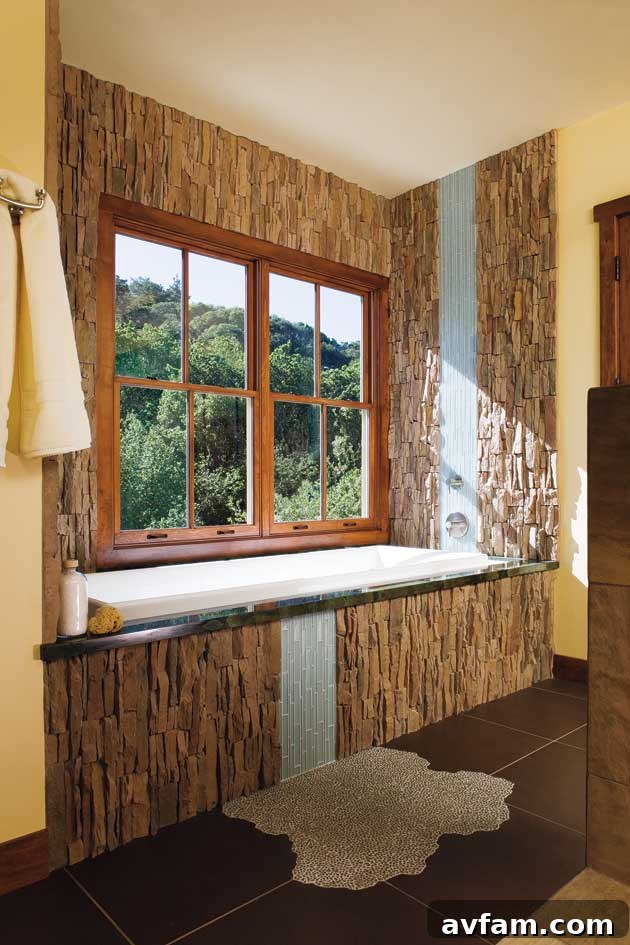
- Pros: As the original material for windows and doors, wood continues to be a wise choice for many homeowners seeking to upgrade their home’s original windows with more energy-efficient models while preserving a classic aesthetic. Wood is a natural insulator, offering excellent resistance to temperature extremes and making it less prone to condensation than metal frames. Its natural beauty, warmth, and ability to be painted or stained in virtually any color offer unmatched design versatility. Many modern wood windows feature protective aluminum or vinyl cladding on the exterior, which drastically reduces external maintenance while retaining the interior warmth of wood.
- Cons: Wood windows typically come at a higher price point than vinyl or aluminum. They also require more maintenance, especially unclad wood exteriors, which need regular painting or staining to protect against weathering, rot, and insects.
Composite Materials: Blending the Best
Beyond these traditional choices, some manufacturers offer composite windows, which combine different materials to leverage their individual strengths. For example, some might feature a wood interior for aesthetics and an extruded aluminum or fiberglass exterior for durability and low maintenance. These hybrid options often aim to deliver enhanced performance and design flexibility, though they typically come at a premium cost.
Crucial Considerations Beyond Glass and Frames
While glass and frame materials are foundational, a successful window replacement project involves several other critical factors that impact performance, longevity, and your overall satisfaction.
Understanding Window Styles and Their Impact
The style of your windows significantly affects ventilation, natural light, and even security, in addition to contributing to your home’s architectural style:
- Double-Hung Windows: Classic and versatile, both sashes slide vertically, allowing for easy ventilation from the top or bottom.
- Casement Windows: Hinged on the side, they crank open outward, offering excellent ventilation and an unobstructed view. Their tight seal when closed also contributes to superior energy efficiency.
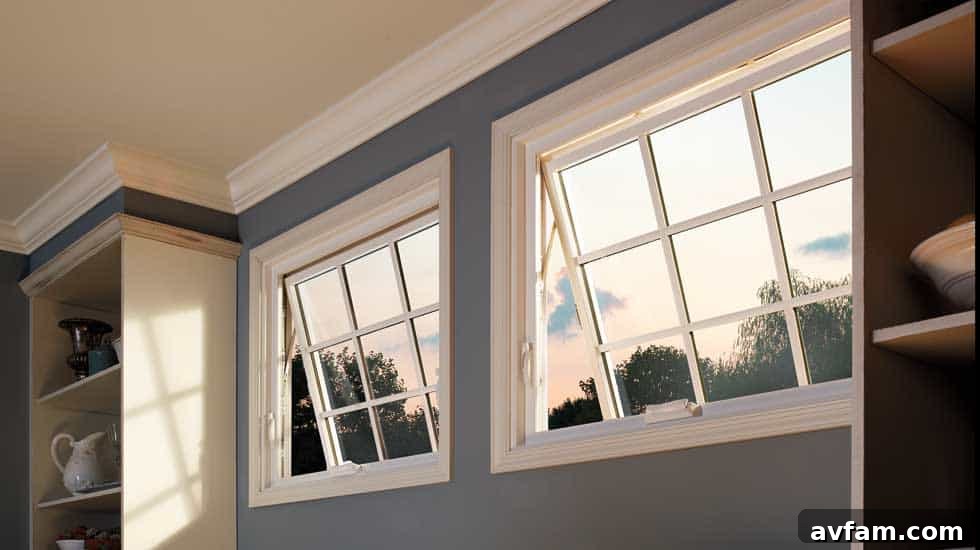
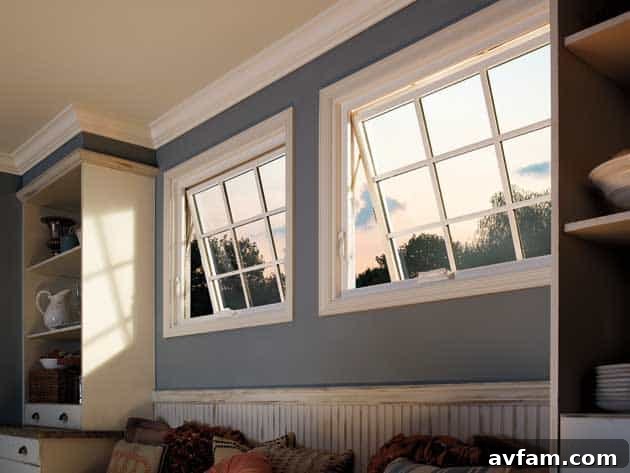
- Awning Windows: Hinged at the top, they open outward and upward, providing ventilation even during light rain, often used in bathrooms or basements.
- Picture Windows: Fixed and non-operable, these offer maximum light and unobstructed views, making them the most energy-efficient as there are no sashes to leak air.
- Bay and Bow Windows: These project outward from the home, creating an expanded sense of space and providing panoramic views. While aesthetically pleasing, their multi-unit construction requires careful sealing to maintain efficiency.
Choosing the right style involves balancing aesthetic preferences with functional needs and considering how each style impacts energy performance and ease of use.
The Paramount Importance of Professional Installation
Even the highest-quality, most energy-efficient windows will perform poorly if they are not installed correctly. Professional installation is non-negotiable for maximizing your investment. A skilled installer ensures:
- Proper Fit: Windows must be level, plumb, and square within the rough opening.
- Air Sealing: Gaps around the frame must be meticulously sealed with insulation and caulk to prevent air leaks, which can negate the energy benefits of new windows.
- Flashing: Correct flashing techniques are essential to prevent water intrusion, protecting your home from moisture damage and mold.
- Operational Smoothness: Properly installed windows operate smoothly and lock securely, ensuring both convenience and security.
Always choose a reputable contractor with proven experience in window installation, as their expertise is vital to the long-term performance and durability of your new windows.
Long-Term Benefits and Return on Investment
Investing in new, energy-efficient windows offers a multitude of long-term benefits:
- Reduced Energy Bills: This is often the most immediate and tangible benefit, with homeowners seeing significant savings on heating and cooling costs year-round.
- Enhanced Home Comfort: New windows eliminate drafts, hot spots, and cold spots, creating a more consistent and comfortable indoor environment.
- Increased Home Value: Updated windows are a highly attractive feature for prospective buyers, significantly boosting your home’s curb appeal and resale value.
- Noise Reduction: Multi-pane windows, especially those with inert gas fills, are highly effective at blocking outside noise, leading to a quieter, more peaceful home.
- UV Protection: Low-E coatings protect your interior furnishings, flooring, and artwork from fading due to harmful UV rays.
- Reduced Maintenance: Modern materials like vinyl and fiberglass, or clad wood, require minimal upkeep compared to older wooden windows.
Making an Informed Decision
The journey to selecting the perfect new windows for your home is an exciting one, promising a blend of enhanced comfort, beauty, and significant energy savings. Given the complexity of options—from U-Factors and SHGCs to Low-E coatings, inert gas fills, and diverse frame materials—it’s wise not to navigate this process alone.
We strongly recommend checking with the experts at your local window store or a trusted contractor. They can provide invaluable guidance, helping you understand how different window technologies and materials perform in your specific climate and for your unique home. Their expertise ensures that you select options that not only meet your aesthetic preferences but also provide optimal energy performance and durability, making the most of your significant investment.
Photos courtesy of Pella Windows and Doors.