
Beyond the Holidays: Ensuring Year-Round Home Fire Safety
When thoughts turn to home fire safety, many instinctively recall the festive holiday season. Images of flickering candles, twinkling decorative lights, and the potential for overloaded electrical outlets often come to mind. While the holidays indeed present unique fire hazards, it’s a critical misconception to believe that fire risks diminish once the decorations are packed away. In reality, the colder, darker months that follow – particularly January, February, and sometimes extending into March – often present an even greater, yet frequently overlooked, period of heightened danger for household fires. During these “doldrum months,” as the frigid weather prompts increased use of various heat sources and encourages people to spend more time indoors, the potential for an emergency escalates significantly. This makes the implementation and regular practice of a robust family fire emergency plan not just advisable, but absolutely essential for the safety and well-being of every household member.
The Hidden Dangers of Winter Fires: A Seasonal Threat
The transition from the holiday buzz to the quieter winter months brings with it a specific set of fire risks that often go underestimated. As temperatures plummet, homes become sanctuaries of warmth, leading to a pervasive reliance on heating appliances and other heat-generating devices. This extended and sometimes excessive usage can strain electrical systems and introduce new vulnerabilities into the home environment. The very comfort we seek can inadvertently become a source of peril.
Common Winter Fire Hazards and Prevention
Understanding the common culprits behind winter fires is the first step in prevention. Proactive measures can drastically reduce the likelihood of an incident:
- Space Heaters: These portable devices are a leading cause of home heating fires. While convenient, they demand respect. Always ensure space heaters are placed on a flat, stable surface, at least three feet away from anything combustible – including bedding, curtains, furniture, and even paper. Never leave a space heater unattended or plug it into an extension cord. Always turn them off before leaving a room or going to sleep.
- Fireplaces and Wood Stoves: The crackle and warmth of a fireplace are quintessential winter comforts, but they require diligent maintenance. Ensure your chimney is professionally inspected and cleaned annually to prevent creosote buildup, which can cause dangerous chimney fires. Always use a sturdy screen to prevent sparks from escaping. Burn only seasoned wood, never trash or cardboard. Dispose of ashes in a metal container, outdoors and away from anything flammable, only after they have completely cooled.
- Cooking Equipment: With more time spent indoors, cooking becomes a more frequent activity. Unattended cooking is the number one cause of home cooking fires. Never leave food cooking on the stovetop or in the oven unsupervised. Keep flammable materials like oven mitts, paper towels, and food packaging away from heat sources. Have a fire extinguisher readily accessible in the kitchen and know how to use it.
- Electrical Overload: The sustained use of multiple appliances, especially during peak heating demands, can overwhelm electrical circuits. Avoid using damaged or frayed electrical cords. Never run cords under rugs where they can be damaged or become a tripping hazard. If an outlet feels warm or sparks, have it inspected by a qualified electrician immediately. Consider having an electrician inspect your home’s wiring if it’s an older property.
- Candles and Smoking: While often associated with holidays, candles are used year-round. Always place candles on a stable, heat-resistant surface, away from anything that can burn, and never leave them unattended. Extinguish all candles before leaving a room or going to bed. For smokers, ensure cigarettes are fully extinguished in a deep, sturdy ashtray, away from flammable materials. Never smoke in bed or when feeling drowsy.
Why a Fire Emergency Plan is Non-Negotiable
Despite our best efforts in prevention, accidents can happen. This is where a well-rehearsed fire emergency plan transitions from a good idea into a life-saving necessity. The psychological impact of a fire is profound, often overriding rational thought processes.
The Human Element: Panic and Disorientation
Let me share a stark personal truth: this blogger has, in the past, been directly involved in a fire incident. I can attest with absolute certainty that when confronted by the immediate, overwhelming presence of smoke, flames, and the terrifying crackle of burning items, all semblance of reason and coherent thought can vanish. The instinctive, life-saving advice of “stop, drop, and roll,” drilled into us by diligent elementary school teachers nationwide, does NOT automatically spring to mind. The primal fear and disorientation take over, making even simple actions incredibly difficult. This firsthand experience underscores why drills are so vital – they embed a sequence of actions into our subconscious, allowing us to react effectively even when panic threatens to paralyze us.
Protecting Your Most Vulnerable: Children and Seniors
While your personal safety is paramount, the true urgency of a fire plan often centers on the most vulnerable occupants of your home – especially your children and elderly family members. Children, by nature, possess a developing sense of judgment and an immediate, overwhelming instinct of fear and panic when faced with a threatening situation. Depending on their age, their gut reaction might be nothing more than to curl up in bed and cry out for you, unwittingly inhaling the toxic fumes of melting building materials and endangering themselves further with every precious second they remain still.
Making this point even more compelling, groundbreaking research has revealed a critically important detail: children between the ages of 6 and 13 often cannot distinguish the specific tone of a standard fire alarm in their sleep. This startling finding means that relying solely on the familiar screech of a smoke alarm to rouse them from deep slumber is a perilously dangerous gamble. The same crucial study, however, offered a ray of hope: children did consistently awaken to the sound of their parent’s familiar voice. Recognizing this vital distinction, innovators have developed programmable smoke alarms that allow you to record your own voice. This kind of advanced gadget offers more than just an alert; it can not only dramatically increase the chances of saving your child’s life but also provides a sense of familiar direction and calm in an otherwise chaotic and terrifying emergency situation, guiding them towards safety with a voice they trust implicitly.
Crafting Your Family Fire Emergency Plan: A Step-by-Step Guide
Creating and regularly practicing a comprehensive fire emergency plan is the most effective way to equip everyone in your household with the knowledge and tools needed to escape safely, ensuring that only worldly possessions are left to turn to ash.
Step 1: Install and Maintain Alarms Diligently
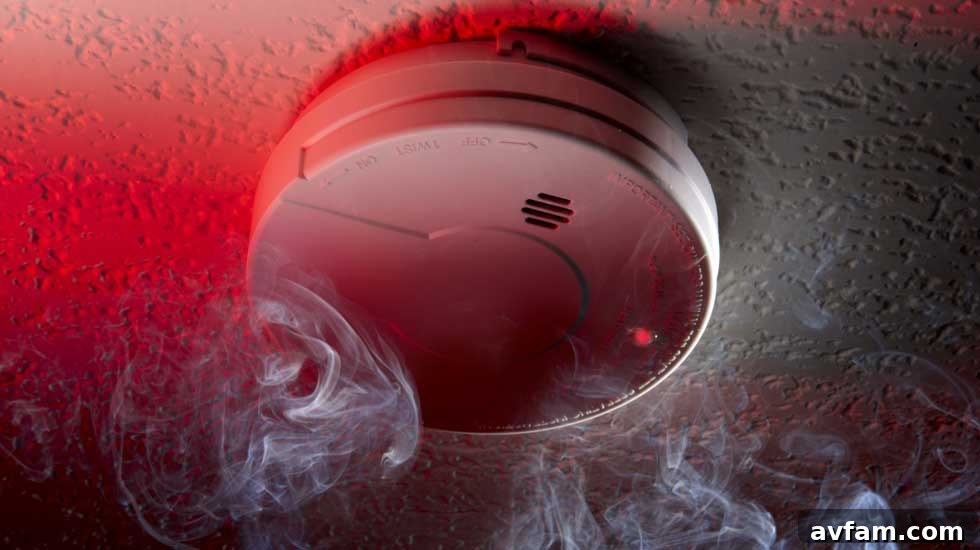
Smoke alarms are the frontline defense against fire. Install them on every level of your home, inside each bedroom, and outside every sleeping area. Opt for interconnected alarms so that when one sounds, they all sound. Test all smoke alarms monthly by pressing the test button. Replace batteries twice a year (a good reminder is when you change your clocks for Daylight Saving). Replace the entire smoke alarm unit every 10 years, as the sensors can degrade over time. Beyond smoke alarms, consider installing carbon monoxide detectors, especially if you have fuel-burning appliances or an attached garage. Carbon monoxide is an invisible, odorless killer, and detectors provide a crucial early warning.
Step 2: Identify and Plan Multiple Escape Routes
For every room in your home, identify at least two distinct ways out. This might be a door and a window. Ensure that all windows can be easily opened and are not painted shut or obstructed. Practice opening them. For upper-story windows, consider purchasing and practicing with fire escape ladders, ensuring they are stored in an easily accessible location.
Step 3: Designate a Safe Outdoor Meeting Point
Choose a specific, easily identifiable meeting point outside your home, a safe distance away from the structure. This could be a neighbor’s mailbox, a specific tree, or a street lamp. The purpose of this meeting point is to ensure everyone is accounted for. Once you reach the meeting point, stay there and do not re-enter the burning building for any reason.
Step 4: Practice, Practice, Practice Regularly
A plan is only effective if it’s rehearsed. Conduct fire drills with your family at least twice a year. Practice both day and night scenarios, as navigating in the dark adds another layer of difficulty. Emphasize crawling low under smoke, checking doors for heat before opening them, and calling 911 (or your local emergency number) from a safe location once everyone is out. Make it a routine, almost a game, especially for younger children, to reduce fear and build muscle memory.
Step 5: Address Special Considerations
Tailor your plan to everyone in your household. If you have infants, elderly family members, or individuals with disabilities, assign specific adults to assist them. Discuss how to help pets escape. Teach older children how to assist younger siblings if an adult isn’t immediately present. If someone becomes trapped, they should close doors between themselves and the fire, use wet towels to seal cracks, signal for help from a window, and wait for professional rescuers.
Step 6: Educate and Empower
Teach your children about the sound of smoke alarms and what it means. Explain that it’s not just a loud noise, but a signal to get out. Practice calling 911 or your emergency number. Ensure they know their address and phone number. Emphasize that once they are out, they should never go back inside for a pet or a toy.
Beyond the Drill: Essential Fire Safety Equipment
While a well-practiced plan is paramount, supplementing it with essential safety equipment significantly enhances your home’s preparedness.
- Fire Extinguishers: Equip your home with at least one ABC-rated fire extinguisher, suitable for common types of fires (ordinary combustibles, flammable liquids, electrical). Place them strategically in high-risk areas like the kitchen and garage. Learn how to use them (P.A.S.S. method: Pull the pin, Aim at the base of the fire, Squeeze the handle, Sweep side to side) and only attempt to extinguish a small, contained fire if the escape route is clear. When in doubt, evacuate immediately.
- Fire Escape Ladders: For multi-story homes, fire escape ladders are crucial for upper-floor bedrooms. Ensure they are easily accessible and that family members know how to deploy and use them safely during an emergency. Regular practice is key here, too.
- Home Sprinkler Systems: Though a more significant investment, residential sprinkler systems offer unparalleled protection. They can extinguish or control a fire in its early stages, significantly reducing damage and, most importantly, providing occupants more time to escape safely.
A Call to Action: Protect Your Loved Ones Today
Whether or not you currently believe your family absolutely “needs” to create a fire emergency plan, take this advice to heart: do it for your children. Do it for the peace of mind that comes from knowing you’ve given them the best possible chance of survival in a terrifying situation. Creating such a plan, practicing it often, and equipping your home with the right tools will provide every individual in your household with the critical knowledge and muscle memory needed to exit safely and efficiently during a fire, leaving only material possessions to the mercy of the flames. Don’t wait for an emergency to realize the importance of preparedness. Act now, and make fire safety a consistent priority in your home, protecting what truly matters most.