
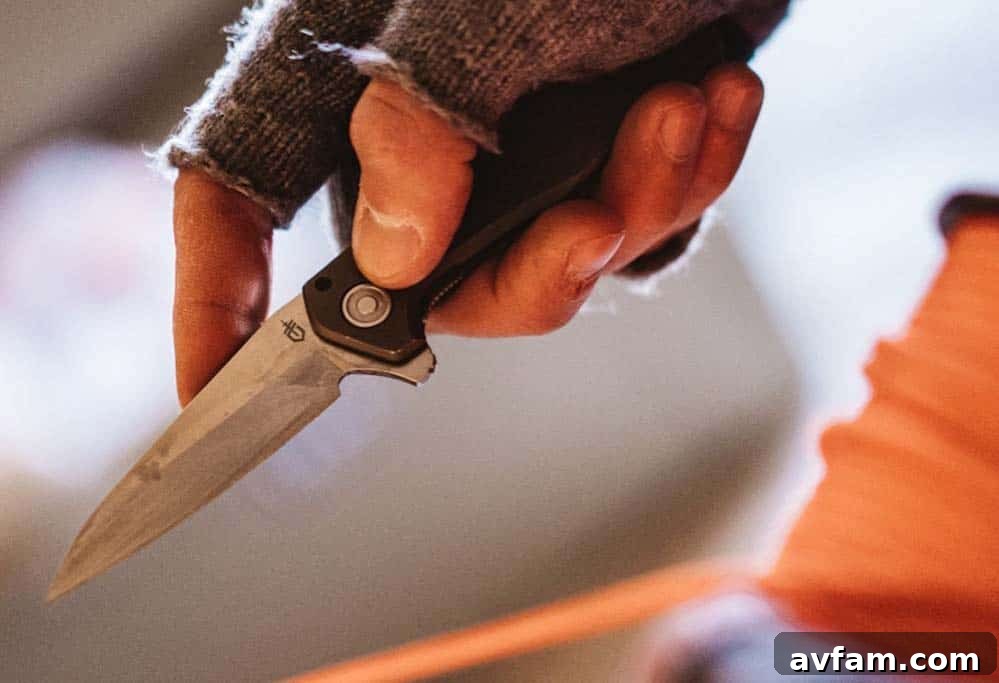
The performance of a pocket knife is profoundly influenced by the type of steel used in its blade. From maintaining a sharp edge to resisting rust and enduring heavy use, the steel choice dictates the knife’s capabilities and, ultimately, its value. While a higher price often correlates with superior steel quality, the “best” steel isn’t simply the most expensive; it’s the one that perfectly matches your specific needs and intended use.
Navigating the vast array of knife steels can be daunting. Each alloy presents a unique balance of properties, optimized for different tasks and user preferences. This comprehensive guide will demystify the world of pocket knife steels, helping you understand their key characteristics and empowering you to make an informed decision for your next everyday carry (EDC) or specialized blade.
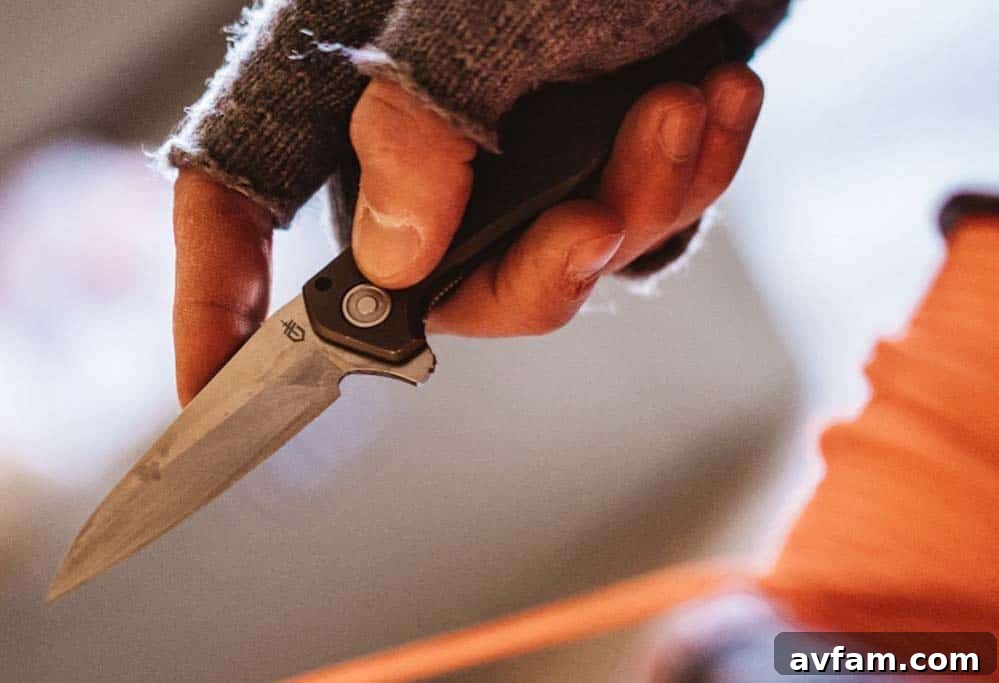
Understanding Key Steel Properties
Before diving into specific steel types, it’s crucial to grasp the fundamental properties that define a knife blade’s performance. These characteristics often represent a delicate balancing act, as improving one aspect might compromise another.
- Edge Retention: This refers to how long a blade can maintain its sharpness during use. Steels with high edge retention require less frequent sharpening, ideal for demanding cutting tasks. It’s often linked to the steel’s hardness and the presence of wear-resistant carbides.
- Toughness: A tough blade resists chipping, cracking, or breaking under impact or lateral stress. It’s vital for knives that might encounter unexpected obstacles or be used for prying. Generally, harder steels are less tough, creating a trade-off.
- Corrosion Resistance: This is the blade’s ability to resist rust and staining when exposed to moisture, acids, or harsh environments. High chromium content (typically 13% or more) is key for stainless steels. While important for maintenance, extreme corrosion resistance can sometimes come at the expense of edge retention.
- Ease of Sharpening: How difficult or easy it is to bring a dull edge back to razor sharpness. Steels with high wear resistance and hardness can be challenging and time-consuming to sharpen, often requiring specialized equipment.
- Wear Resistance: The steel’s ability to resist abrasive wear (friction) and adhesive wear (material transfer). High wear resistance contributes significantly to excellent edge retention. It’s achieved through high hardness and the presence of hard carbides in the steel structure.
The Critical Role of Heat Treatment
It’s important to note that the raw steel composition is only half the story. The final performance of a knife blade is heavily dependent on its heat treatment process. This controlled heating and cooling procedure fundamentally alters the steel’s microstructure, optimizing its hardness, toughness, and edge retention. Even the finest steel can perform poorly if improperly heat-treated, making the manufacturer’s expertise as crucial as the chosen alloy.
Popular Pocket Knife Steels Explored
S30V Steel
S30V, a flagship powder metallurgy stainless steel developed by Crucible Industries, revolutionized the knife world by offering a previously unattainable balance of properties. Its alloy composition typically includes 14% chromium for excellent corrosion resistance, 4% vanadium for high wear resistance due to the formation of hard vanadium carbides, and 1.5% molybdenum to enhance toughness and hardenability. This meticulously engineered blend results in a steel renowned for its outstanding edge retention and impressive toughness, making it a benchmark for high-performance pocket knives and everyday carry (EDC) blades.
Considered a highly versatile and pioneering high-performance steel, S30V maintains a sharp edge remarkably well even after extended use. While not the absolute easiest to sharpen compared to some budget steels, it is generally more manageable than ultra-premium options, striking a good balance for enthusiasts familiar with basic sharpening techniques. Its ability to achieve high Rockwell hardness levels (typically 58-61 HRC) without becoming overly brittle solidified its reputation as one of the first truly accessible high-performance steels for the general public, widely adopted by leading knife manufacturers.
CPM S35VN Steel
CPM S35VN is an advanced evolution of the highly successful S30V, engineered by Crucible Industries in collaboration with knifemaker Chris Reeve. This powder metallurgy stainless steel refines the S30V formula by introducing niobium (0.5%) and slightly adjusting other elements. The inclusion of niobium, alongside its 14% chromium and 2% molybdenum, creates finer, more uniformly distributed carbides within the steel structure. This modification significantly enhances the steel’s toughness, making it notably more resistant to chipping and breaking than S30V, while maintaining excellent wear resistance and edge retention.
One of CPM S35VN’s most celebrated improvements is its increased ease of sharpening compared to its predecessor, S30V. This makes it more user-friendly for a wider range of knife owners who prefer a high-performance steel without the extreme sharpening challenges of some ultra-premium alloys. Its superior toughness, coupled with superb edge retention and corrosion resistance, positions CPM S35VN as a top-tier choice for a diverse array of demanding applications. It is frequently featured in high-end hunting and outdoor knives, tactical blades, and premium kitchen cutlery where durability and lasting sharpness are paramount. Furthermore, it’s often seen as a moderately priced option within the high-performance steel category, offering exceptional value for its capabilities.
CPM S90V Steel
CPM S90V stands as a titan among high-performance stainless steels, specifically formulated for extreme wear resistance and edge retention. Manufactured using Crucible’s Particle Metallurgy (CPM) process, its formidable composition includes a staggering 9% vanadium, 14% chromium, 5% molybdenum, 1% tungsten, and 8% cobalt. The exceptionally high vanadium content leads to the formation of a dense network of hard vanadium carbides, which are incredibly wear-resistant. This makes CPM S90V one of the best choices for applications where maintaining an edge through countless cutting cycles is the absolute priority.
Often reserved for the most exclusive and high-end knives, CPM S90V excels in tasks requiring prolonged, precise cutting without frequent resharpening. However, this extraordinary performance comes with significant trade-offs. Its extreme hardness and wear resistance make it notoriously difficult and time-consuming to sharpen, often necessitating diamond sharpeners and specialized techniques. It also tends to be less tough than some other premium steels, making it susceptible to chipping if used for prying or striking hard objects. Due to its exceptional properties and the challenges involved in working with and sharpening it, CPM S90V is among the most expensive knife steels on the market, appealing primarily to experienced users and enthusiasts who prioritize ultimate edge retention above all else.
M390 Steel
Bohler M390 is a third-generation powder metallurgy stainless steel renowned for its superior combination of edge retention, corrosion resistance, and reasonable toughness. Its complex alloy structure boasts an impressive 20% chromium, 10% molybdenum, 1.9% vanadium, 1% tungsten, and a significant carbon content. This “super steel” is often referred to as a “superclean” steel due to its advanced manufacturing process, which results in a very fine, homogeneous grain structure and an abundance of finely dispersed carbides. These attributes contribute to its exceptional wear resistance and the ability to hold a fine, long-lasting edge.
M390 is frequently found in premium and custom-made knives, particularly those destined for heavy use or demanding cutting tasks where both cutting longevity and resistance to the elements are critical. Its high chromium content ensures outstanding corrosion resistance, making it an excellent choice for outdoor, maritime, or kitchen environments where moisture exposure is common. While its wear resistance makes it somewhat challenging to sharpen, it is generally considered more approachable than CPM S90V. M390 also offers a good balance of toughness, making it less prone to chipping compared to some other ultra-hard steels. This trifecta of properties positions M390 as one of the most desirable and, consequently, one of the more expensive knife steels available, beloved by enthusiasts for its all-around premium performance.
S110V Steel
CPM S110V, another stellar offering from Crucible Industries’ Particle Metallurgy line, is engineered to push the boundaries of wear resistance and edge retention even further than S90V. Its sophisticated alloy includes a remarkable 10.5% vanadium and 3.5% niobium, in addition to 14% chromium and 2.75% molybdenum. This exceptionally high volume of hard vanadium and niobium carbides imbues S110V with unparalleled wear resistance, allowing it to maintain an incredibly sharp edge for an extended period, even under strenuous cutting conditions.
Often dubbed a “super steel,” S110V is considered by many to be among the absolute best knife steels available for raw cutting performance. Its superior edge holding makes it ideal for tasks where resharpening is impractical or undesired. However, these extreme properties come with significant challenges. S110V is notoriously difficult to sharpen, requiring advanced sharpening systems (like diamond stones) and considerable patience and skill. Its very high hardness also means it’s less tough than many other steels, making it potentially more prone to chipping if subjected to side loads or impact. Due to its exceptional performance characteristics and the difficulties associated with its manufacturing and working, S110V is one of the most expensive knife steels, primarily found in high-end, specialized, and outdoor knives where absolute edge retention is the paramount concern.
8Cr13MoV Steel
8Cr13MoV is a popular Chinese-made stainless steel that provides an excellent performance-to-cost ratio, making it a favorite for budget-friendly pocket knives and everyday tools. Its composition typically includes around 8% chromium for decent corrosion resistance, 0.13% carbon for hardness, along with added molybdenum and vanadium. These alloying elements contribute to improved hardness, wear resistance, and toughness, especially when compared to simpler stainless steels.
This steel offers a good, balanced set of properties: reasonable edge retention for daily tasks, adequate corrosion resistance for most environments, and, critically, it is very easy to sharpen. Its ability to take a keen edge quickly makes it highly appealing for users who prefer hassle-free maintenance. While it won’t hold an edge as long as premium super steels, its affordability and user-friendliness make it a staple in the entry-level to mid-range knife market. It is often compared favorably to AUS-8 and 440B steels in terms of its overall properties and performance, serving as a reliable choice for general-purpose use.
AUS-4 Steel
AUS-4 is a Japanese-made stainless steel that falls into the budget-friendly category, similar to 8Cr13MoV but generally regarded as offering a slightly more refined composition. It features a relatively low carbon and chromium content compared to higher-grade stainless steels, typically around 0.4% carbon and 13-14% chromium. This composition results in a steel that provides basic corrosion resistance, but its edge retention and overall toughness are modest when compared to more advanced alloys.
Despite its entry-level characteristics, AUS-4 is extremely easy to sharpen, allowing users to quickly restore a working edge with minimal effort. While it won’t hold that edge for extended periods under heavy use, its affordability and ease of maintenance make it a practical choice for knives where high performance isn’t the primary requirement. It is commonly found in very inexpensive pocket knives, basic kitchen cutlery, and other cutting tools designed for light, occasional use where cost-effectiveness and simple care are prioritized over extreme durability or long-lasting sharpness.
AUS-8 Steel
AUS-8 is a medium-quality, Japanese-made stainless steel that has long been a popular choice for knife manufacturers due to its well-rounded performance profile. It’s a medium-to-high carbon alloy, typically containing around 0.75% carbon and a significant amount of chromium (around 13-14%) for good corrosion resistance, along with additions of vanadium and molybdenum. These elements collectively contribute to a desirable balance of edge retention, toughness, and ease of sharpening.
Knives made from AUS-8 steel are known for being relatively easy to sharpen, capable of taking a very keen edge. While its edge retention doesn’t rival that of premium steels like S30V or VG-10, it’s perfectly adequate for most everyday cutting tasks and can be quickly brought back to sharpness. Its decent toughness means it’s less prone to chipping or breaking than harder alloys. This combination of properties makes AUS-8 a versatile and cost-effective option, frequently used in mid-range hunting knives, folding knives, tactical knives, and general utility blades where reliable performance and manageable maintenance are valued.
D2 Steel
D2 steel is a high-carbon, high-chromium tool steel, often referred to as a “semi-stainless” steel. Originating from the USA, it’s known for its exceptional wear resistance and good toughness, making it a premium choice for knives designed for heavy-duty use. With a chromium content typically around 12%, it offers superior corrosion resistance compared to non-stainless carbon steels, though not quite reaching the full stain resistance of true stainless alloys. Its high carbon content (around 1.5%) contributes significantly to its impressive hardness and edge-holding capabilities.
This air-hardening tool steel is favored for applications requiring sustained cutting power and durability, such as robust outdoor knives, tactical blades, and industrial cutting tools like dies and punches. D2 excels at holding an aggressive edge for a considerable duration due to its robust carbide structure. However, this same attribute makes it notoriously difficult to sharpen, often demanding diamond sharpening stones and a patient, skilled hand to achieve a fine edge. Its toughness is commendable for a steel of its wear resistance, providing a good balance that resists chipping under stress. While it requires a bit more care regarding rust prevention than true stainless steels, D2 remains a highly respected and popular choice among knife enthusiasts who prioritize ultimate edge retention and durability.
VG-10 Steel
VG-10 is a high-quality, high-carbon Japanese stainless steel, specifically developed by Takefu Special Steel Co. Ltd. for premium cutlery. It is celebrated for its remarkable balance of excellent edge retention, high corrosion resistance, and commendable toughness. The alloy’s distinct composition typically includes approximately 1% carbon, 15% chromium for superior stain resistance, 1.5% cobalt for enhanced toughness and hardness, 1% molybdenum, and 0.2% vanadium, which contributes to wear resistance and finer grain structure.
This carefully balanced blend makes VG-10 a favorite for high-end kitchen knives, particularly those with thin, sharp edges like Japanese chef’s knives, where both precision cutting and corrosion resistance are paramount. It also sees widespread use in folding knives and outdoor blades. VG-10 can achieve a very high Rockwell hardness (often 60-61 HRC), allowing it to hold a razor-sharp edge for an extended period. While it offers significantly better edge retention than AUS-8, it remains relatively easy to sharpen compared to the ultra-premium powder metallurgy steels, making it a highly practical choice for both professional and enthusiast users seeking top-tier performance without extreme maintenance demands. Its resistance to chipping is also quite good, further cementing its reputation as a versatile and reliable high-performance steel.
Damascus Steel
Damascus steel, unlike the modern alloy steels discussed above, is a historically rich and visually striking material created through a specialized forging process known as pattern welding. It is not a single type of steel but rather a technique that involves layering two or more different types of steel (typically with contrasting properties like a harder, high-carbon steel and a softer, more flexible steel). These layers are repeatedly forge-welded, heated, folded, and twisted to create intricate, mesmerizing patterns on the blade’s surface.
While historically prized for its legendary strength and sharpness, modern Damascus steel is predominantly valued for its unique aesthetic beauty. The performance of contemporary Damascus blades largely depends on the specific steels chosen for the layering process and the quality of the heat treatment. Often, the core cutting edge is made from a high-performance mono-steel, with Damascus layers forming the cladding for visual appeal. Because of the labor-intensive craftsmanship involved in its creation, Damascus steel knives are typically more expensive than those made from homogeneous steels. They are cherished by collectors and enthusiasts who appreciate the artistry and historical significance as much as, or sometimes more than, the absolute performance metrics.
Choosing the Best Steel for Your Pocket Knife
With such a diverse range of steels available, selecting the “best” one ultimately comes down to your personal priorities and how you intend to use your knife. Consider these questions:
- What is your primary use case? Light EDC, heavy-duty outdoor tasks, kitchen duties, self-defense, or collection?
- How important is edge retention to you? Do you need a blade that holds an edge for a very long time, or are you willing to sharpen more frequently for easier maintenance?
- What kind of environment will your knife be used in? Is high corrosion resistance critical (e.g., humid climates, saltwater, food prep)?
- Are you comfortable with specialized sharpening techniques and equipment? Or do you prefer a steel that’s quick and easy to sharpen?
- What is your budget? Premium steels often come with a premium price tag.
Conclusion
The steel in your pocket knife’s blade is undoubtedly its heart, dictating its overall performance, durability, and maintenance requirements. From budget-friendly workhorses like 8Cr13MoV and AUS-8 to the cutting-edge performance of CPM S35VN, M390, and CPM S90V, each steel offers a distinct blend of edge retention, toughness, corrosion resistance, and ease of sharpening. There is no single “best” steel; rather, there is the best steel for *your* specific needs and preferences.
By understanding the characteristics of different alloys and reflecting on your intended use, you can confidently choose a blade that serves you well for years to come. Remember that other factors like heat treatment, blade geometry, and handle ergonomics also play a crucial role in a knife’s overall quality and feel. Invest wisely, and your pocket knife will be a reliable companion for all your adventures.
For inspiration, explore some of our favorite knife brands that consistently utilize these premium steels, offering exceptional craftsmanship and performance tailored to discerning users.