
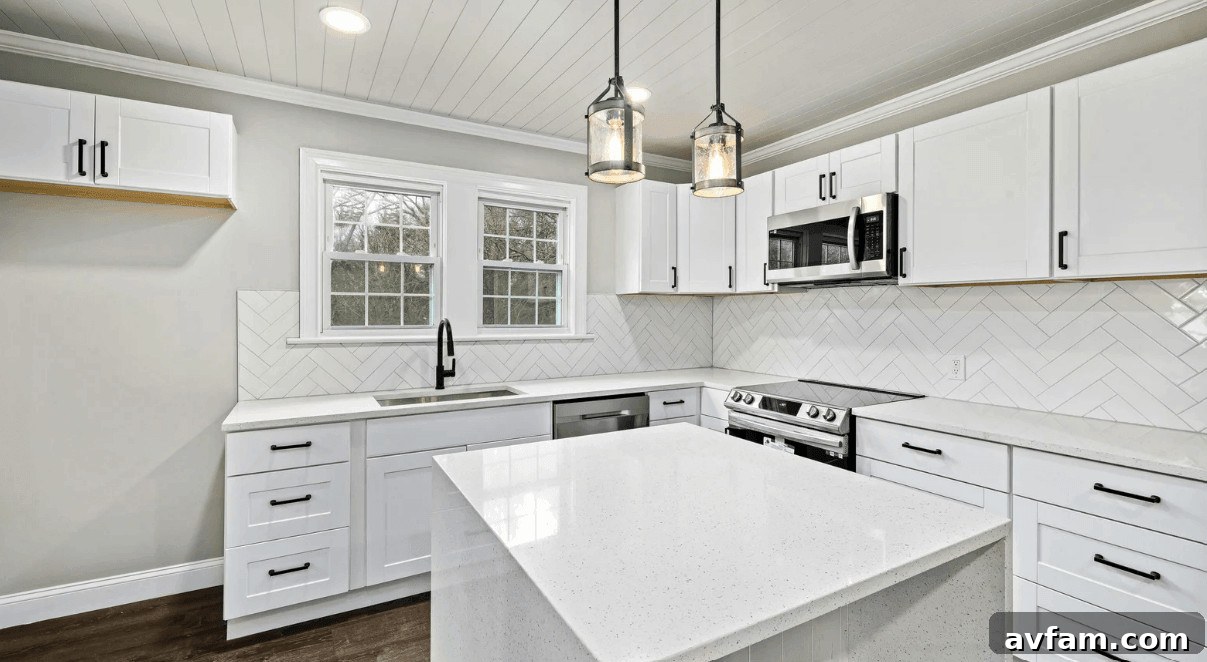
A kitchen renovation is a prime opportunity to create a space that truly reflects how you cook and live. If you view cooking as a creative pursuit rather than a chore, this is the time to design a kitchen that supports your process. A real culinary kitchen goes beyond new cabinets and countertops: it’s an efficient, inspiring space that supports every step of your cooking journey, from rinsing vegetables to presenting the finished dish. Thinking like a chef while you plan will help your updated kitchen become the heart of your home and the starting point for many memorable meals.
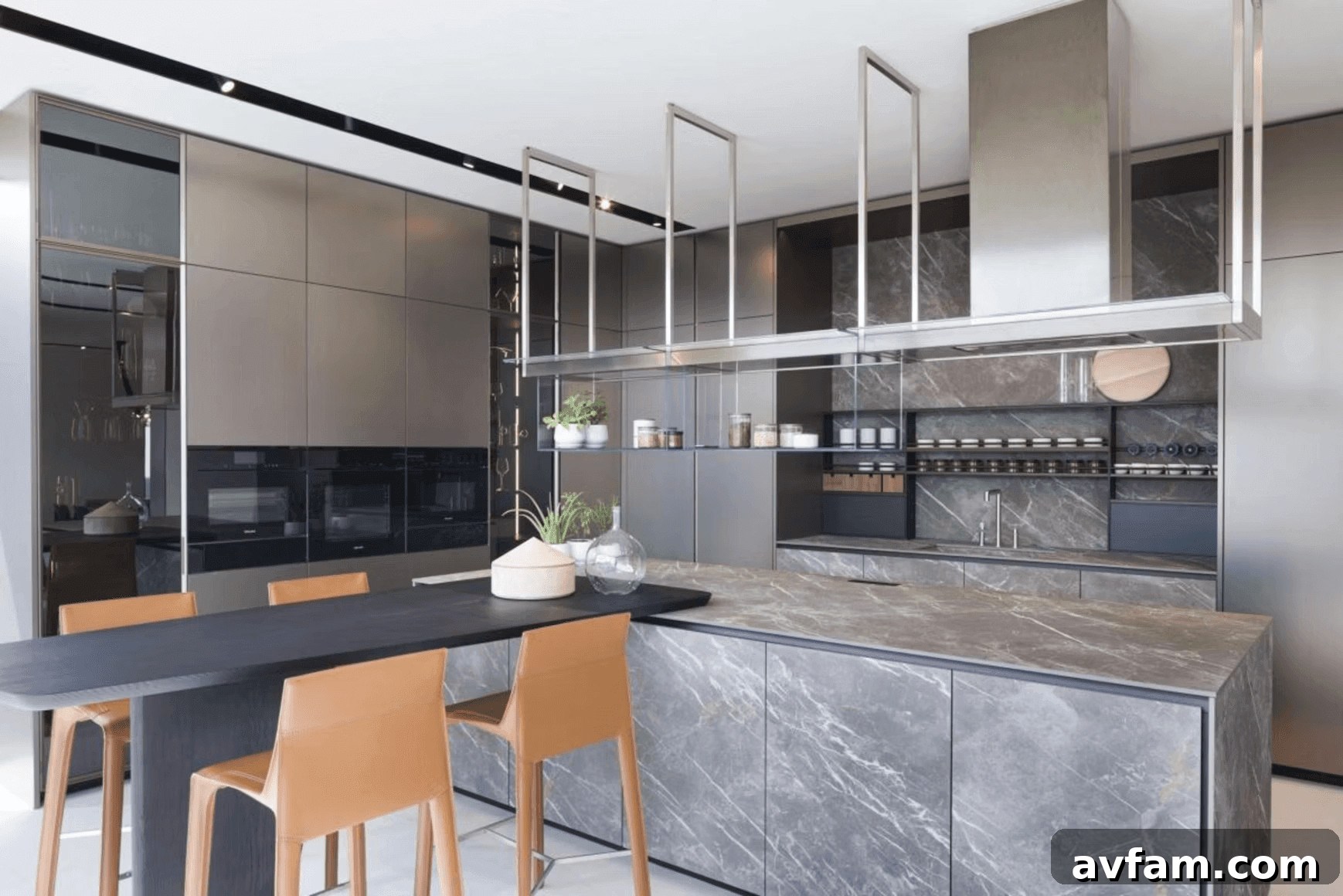
Image Credit: Unsplash
Plan Your Dream Kitchen Layout
Every excellent kitchen starts with a thoughtful layout. The classic “work triangle” linking sink, stove, and refrigerator still has value, but modern cooking often uses more appliances and different workflows. Many designers now favor a zone-based layout: organize the kitchen into distinct areas based on activities so everything is where you need it when you need it. Common zones include:
- Pantry & Fridge Zone: Storage for all your food and refrigerated items.
- Dish & Glass Zone: Everyday plates, glasses, and utensils, ideally located near the dishwasher for easy stowing.
- Cleaning Zone: Sink and dishwasher area for washing and cleanup.
- Prep Zone: A generous stretch of counter between sink and cooktop for chopping and assembling ingredients.
- Cooking Zone: Stovetop, oven, and microwave for heating and finishing meals.
When planning, watch how you move during meal prep. Do you pull produce from the fridge, rinse at the sink, chop on the counter, then transfer to the stove? Your layout should minimize extra steps and support a smooth flow. An island can be transformative, providing a central prep area or even a cooktop. In smaller spaces, a galley layout keeps everything close at hand. Before committing to a plan, map out your own cooking patterns so the kitchen adapts to you.
Storage Solutions for Fresh Ingredients
A well-organized pantry and thoughtful refrigerator layout are essential for anyone who cooks with fresh ingredients. Good storage keeps food visible and accessible, reduces waste, and speeds up meal prep. Consider pull-out shelves, clear containers, and labeled bins so every item has a defined spot. Use deep drawers for bulk staples like flour and sugar and shallower shelves for spices and canned goods to prevent items from disappearing in the back.
Choose a refrigerator with flexible shelving and humidity-controlled crisper drawers to extend produce life. Models with a full-width pantry drawer simplify storing trays or prepared ingredients. Keep strong-smelling foods tightly wrapped and stored in the coldest area to prevent aromas from transferring. Designing storage with these considerations in mind prevents frustration and preserves ingredient quality.
Open storage also has a place in a functional kitchen. Wire baskets for root vegetables, a ceramic bowl for seasonal fruit, or a small herb garden on a sunny sill make frequently used items easy to reach and add visual warmth. Thoughtful storage solutions make grabbing what you need intuitive and fast, letting you focus on cooking.
Essential Tools for the Home Chef
A kitchen intended for serious home cooking needs dedicated homes for tools and small appliances. Use the renovation to integrate storage that keeps gear accessible but out of sight. An “appliance garage” with a roll-up door tucks away mixers, blenders, and processors while keeping them ready for use. Vertical space matters: ceiling-mounted pot racks or overhead shelves free up cabinets for other items.
Inside deep drawers, sturdy dividers keep pots, pans, and lids organized so you avoid noisy digging. Mount a magnetic knife strip or install an in-drawer knife tray instead of a countertop block to protect blades and free counter space. Plan ample electrical access near prep areas and islands, including outlets for charging devices or powering multiple appliances simultaneously. Placing the right storage and outlets in the right places creates a smooth, efficient workflow.
Creating a Dedicated Prep Area
Mise en place—preparing ingredients before cooking—becomes much easier with a dedicated prep area. Aim for a long, uncluttered countertop situated between sink and cooktop so rinsed produce can be chopped and slid directly into a pan. Islands are ideal hubs for prep work, offering extra surface area and often space for a secondary sink.
Choose countertop materials that match how you cook. Butcher block offers a warm, forgiving surface that’s gentle on knives; stainless steel is durable, heat-resistant, and hygienic; and quartz is low-maintenance, scratch- and stain-resistant. Consider installing a small prep sink in the island for convenient rinsing and handwashing. Integrate pull-out bins for trash and recycling under your prep zone so cleanup is quick and contained, keeping the workspace tidy and efficient.
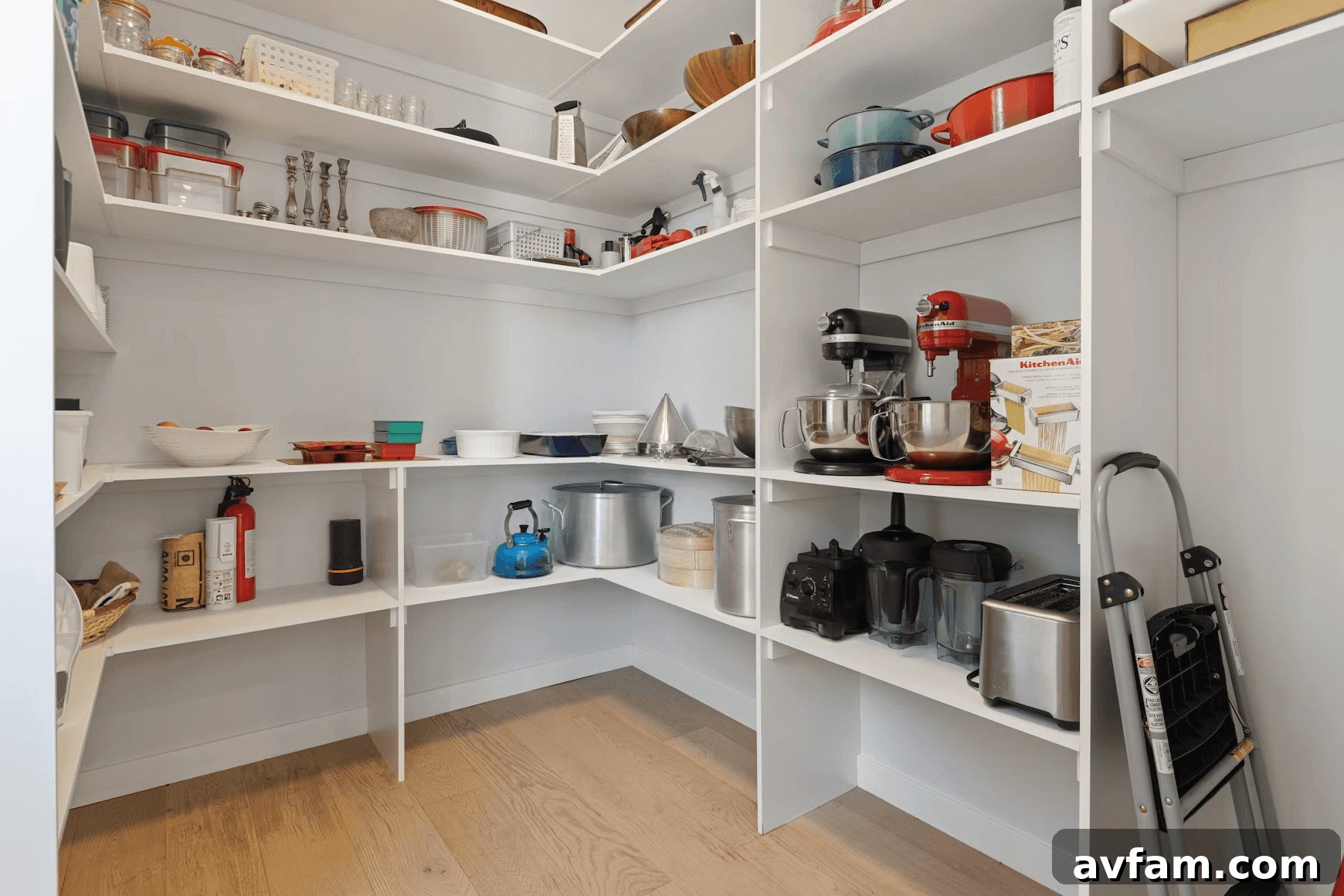
Image Credit: Unsplash
Sustainable Kitchen Choices
A renovation is a good moment to choose durable, eco-friendly options. Energy-efficient appliances, such as those rated for lower energy use, reduce utility costs and environmental impact. For cabinetry, consider rapidly renewable materials like bamboo or low-VOC plywood to support better indoor air quality. Countertops made from recycled glass or composite materials offer distinctive surfaces made with reclaimed content. Reclaimed wood floors or shelving add character while keeping usable materials out of landfills.
Water-saving fixtures, like low-flow faucets and dishwashers that handle smaller loads efficiently, reduce consumption. LED lighting lowers energy use and lasts much longer than incandescent bulbs. Combining these sustainable choices creates a healthier, more economical kitchen that aligns with modern priorities without sacrificing performance or style.
Designing a culinary-focused kitchen means prioritizing layout, sensible storage, and details that support how you actually cook. With thoughtful planning, your renovated kitchen will invite creativity, simplify daily tasks, and become a welcoming place to prepare and share great food.