
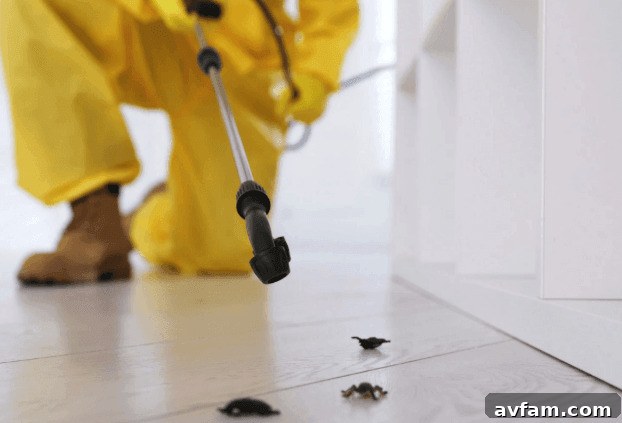
Effective Apartment Pest Control: A Comprehensive Guide to Sealing Entry Points
Keeping your apartment free from unwanted pests is a crucial aspect of maintaining a healthy and comfortable living environment. The most effective first line of defense against insects and rodents often begins with a proactive strategy: identifying and sealing the tiny gaps and openings they use to gain access. Even in meticulously constructed buildings, minute breaches can emerge over time due to natural settling, everyday wear and tear, or the interconnectedness of shared ventilation and utility systems. These subtle entry points frequently go unnoticed by residents until a full-blown pest problem develops, leading to frustration and potential health concerns.
By diligently locating and properly sealing these vulnerable entry points, you significantly reduce the risk of recurring infestations. This approach not only contributes to a cleaner and more hygienic living space but also minimizes the reliance on constant chemical treatments, which can be costly, potentially harmful, and often provide only temporary solutions without addressing the root cause. A well-sealed apartment acts as an impenetrable fortress against common household pests, ensuring your peace of mind and the sanctity of your home.
Understanding Common Pest Entry Points in Apartments
Pests are opportunistic creatures, constantly seeking food, water, and shelter. They are masters at exploiting even the smallest vulnerabilities in your living space. Recognizing their preferred access routes is the first step toward effective pest proofing. Knowing where to look will empower you to tackle the problem directly and prevent future intrusions.
Doors and Windows: The Primary Gateways
Doors and windows are arguably the most common and frequently utilized entry points for a wide array of pests. These fixtures, constantly exposed to the elements and daily use, are prone to developing small gaps around their frames, especially in older buildings where materials may have warped or deteriorated over time. Insects, with their minuscule sizes, can effortlessly slip through hairline cracks, while more determined pests like rodents can squeeze through openings as small as a quarter-inch, particularly near worn or damaged weatherstripping and door sweeps.
A slight misalignment in a door frame, a deteriorated window seal, or a missing piece of caulking can create an inviting passage. Sealing these gaps is paramount, as these openings often lead directly into areas where food is stored, prepared, or where warmth and moisture are abundant—factors highly attractive to pests.
Utility Openings and Vents: Hidden Pathways
Beyond doors and windows, utility openings represent another significant, yet often overlooked, category of access points for pests. These include penetrations for plumbing pipes, electrical cables, gas lines, and ventilation ducts. These areas frequently connect to shared walls, utility chases, or larger building spaces, making them harder to inspect and monitor.
Insects like cockroaches and ants can readily travel between units through concealed wall cavities and utility shafts, using these openings as a vast internal highway system. Rodents, with their remarkable climbing abilities and flexibility, can also utilize these hidden pathways to navigate through the building structure, emerging into your apartment through unsealed gaps around pipes under sinks, behind appliances, or through damaged vent screens. Regular, diligent checks of vents, utility connections, and any points where utilities enter your walls can help you identify weak spots early, preventing them from escalating into larger, more complex pest issues.
Essential Materials for Sealing Apartment Entry Points
Choosing the right materials for sealing is just as important as identifying the entry points themselves. Different types of gaps and surfaces require specific sealants and tools to ensure maximum effectiveness and longevity.
Caulking and Sealants for Fixed Gaps
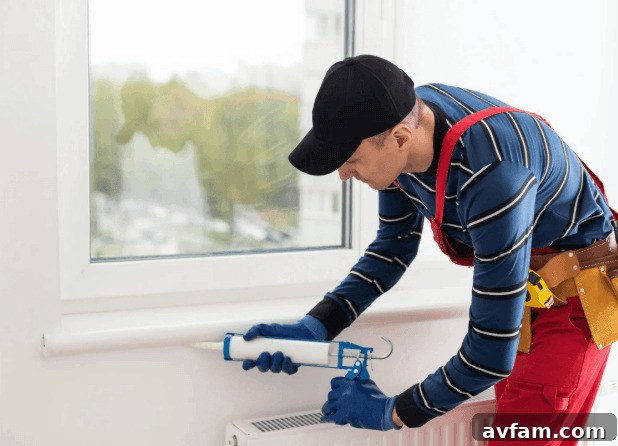
For stationary cracks and gaps in non-moving areas such as around window frames, along baseboards, where walls meet floors, or around stationary pipe penetrations, high-quality caulking and sealants are indispensable. These materials create a durable, flexible barrier that effectively blocks pest entry. Beyond pest control, caulking also plays a vital role in improving your apartment’s insulation, reducing drafts, and saving energy.
When selecting a sealant, consider the specific application:
- Acrylic Latex Caulk: Easy to apply, water-soluble for easy cleanup, and paintable. Ideal for indoor, less exposed areas.
- Silicone Caulk: Highly durable, extremely flexible, waterproof, and resistant to extreme temperatures. Best for areas exposed to moisture (bathrooms, kitchens) and outdoor applications, though it can be harder to paint.
- Polyurethane Sealant: Offers superior adhesion and flexibility, making it excellent for larger gaps, exterior use, and high-traffic areas. It’s paintable and very long-lasting.
Proper application involves cleaning the surface thoroughly, ensuring it’s dry and free of debris, then applying the caulk evenly and smoothing it for a seamless, protective seal. When applied correctly, these materials provide long-lasting protection, significantly reducing the need for frequent repairs or reapplication.
Weatherstripping and Mesh Screens for Dynamic Openings
Weatherstripping is a specialized material designed for doors and windows that open and close frequently. Its primary purpose is to seal gaps around the moving parts of these fixtures without impeding their functionality. Available in various forms—such as foam, felt, vinyl, and metal—weatherstripping creates a compressible seal that effectively blocks insects, drafts, and moisture.
Key types of weatherstripping include:
- Self-adhesive Foam Strips: Easy to install, good for irregular gaps, and cost-effective. Best for low-traffic windows.
- Tension Seal Strips (V-Strips): Made of vinyl or metal, they fold into a V-shape to spring open and seal against the frame when a door or window is closed. Durable for doors and windows.
- Door Sweeps/Bottom Seals: Attached to the bottom of doors, these create a seal against the threshold, preventing pests and drafts from entering underneath.
For vents, drains, and other areas requiring continuous airflow, mesh screens are the ideal solution. High-quality metal mesh (like hardware cloth) or fine-gauge fiberglass screens should be securely installed over these openings. This allows for proper ventilation while creating a physical barrier against flying insects, spiders, and even small rodents. When installed properly, these simple yet effective upgrades can significantly enhance your apartment’s daily comfort and pest resilience.
A Step-by-Step Guide to Inspecting Your Apartment for Pests
A thorough and systematic inspection is the cornerstone of effective pest prevention. Hidden entry points are common, and only a detailed search will uncover them. Taking the time to perform this inspection can save you considerable trouble down the line.
Inside the Apartment: Your Personal Detective Work
Begin your inspection inside your apartment, focusing on areas known for pest activity. You’ll want to carefully check behind heavy appliances such as refrigerators and stoves, under sinks in both kitchens and bathrooms, and along all corners where floors meet walls. Pay close attention to baseboards, cabinet edges, and any areas with plumbing or electrical access points.
Look for tell-tale signs of pest activity, which can include:
- Droppings: Small, dark pellets indicating rodent or cockroach presence.
- Grease Marks/Smudges: Oily trails left by rodents as they travel along walls.
- Gnaw Marks: Chewed wood, plastic, or wires, a clear sign of rodent activity.
- Shed Skins: Cockroaches and other insects shed their exoskeletons as they grow.
- Webs or Nests: Indicative of spiders or other nesting insects.
- Damaged Materials: Any unexplained holes, tears, or deterioration in walls, flooring, or screens.
A powerful flashlight is an invaluable tool for this inspection. It allows you to illuminate dark crevices and spot tiny cracks or gaps that are easily missed in ambient light. Regular inspections, perhaps quarterly or bi-annually, help you catch issues early, preventing minor vulnerabilities from evolving into major infestations.
Exterior and Shared Area Checks: Beyond Your Walls
Pests do not recognize property lines, and shared spaces within apartment buildings can serve as critical entry points for an entire complex. Hallways, basements, utility rooms, boiler rooms, and even exterior common areas often serve multiple units, meaning that a single unsealed gap or structural weakness can affect several apartments simultaneously.
When inspecting shared spaces, focus on:
- Foundations: Look for cracks, crumbling mortar, or unsealed openings where pipes or wires enter the building.
- Shared Pipes and Conduits: Check for gaps around large pipes or conduits that pass through walls or floors between units or into common areas.
- Structural Joints: Examine areas where different building materials meet or where there are expansion joints, as these can create vulnerabilities.
- Communal Entrances: Ensure entry doors close tightly, weatherstripping is intact, and screens on windows are undamaged.
- Garbage Disposal Areas: These are prime pest attractants, so ensure waste containers are sealed and the area is clean.
In many cases, addressing issues in shared areas may fall under the responsibility of the building management or landlord. Document any findings and communicate them promptly. For larger, more persistent problems that extend beyond a single unit, it may be necessary for building management to contact professional pest control services, such as pest control Whitby or pest control Oshawa, to implement a building-wide strategy.
Effective Sealing Techniques for Various Gaps
Once you’ve identified the entry points, applying the correct sealing technique is critical for a lasting solution. The approach will vary depending on the size and nature of the gap.
Sealing Small Cracks and Crevices
Sealing small cracks and crevices is a relatively straightforward DIY task that doesn’t require extensive tools or expertise.
- Preparation is Key: Start by thoroughly cleaning the area around the crack. Remove any dirt, dust, old caulk, or debris. A clean, dry surface ensures proper adhesion of the sealant. You might use a brush, vacuum, or a damp cloth.
- Apply Caulk Evenly: Using a caulk gun, apply a continuous, even bead of the chosen caulk (silicone or acrylic latex is often suitable for small interior cracks) directly into the gap. Ensure the caulk completely fills the void.
- Smooth the Seal: Immediately after application, use a wet finger, a caulk tool, or a damp cloth to smooth the caulk bead. This creates a clean finish and ensures the caulk is pressed firmly into the crack for a watertight and pest-proof seal.
Remember, even the smallest cracks are potential entry points for tiny insects. A diligent approach to sealing these minor vulnerabilities helps create a robust, continuous barrier throughout your apartment.
Addressing Larger Openings and Fixtures
For larger gaps around plumbing lines, electrical wiring, or structural elements that cannot be adequately sealed with standard caulk, more robust solutions are necessary. These openings require materials that can expand, fill significant voids, and resist chewing from rodents.
Consider the following materials and techniques:
- Expanding Foam Sealant: For irregularly shaped or larger gaps (e.g., around pipes entering walls, large cracks in foundation), expanding foam provides an excellent seal. It expands to fill voids, creating an airtight and waterproof barrier. Use a minimal expanding foam to avoid over-expansion, which can be messy.
- Reinforced Patch Materials: For larger holes in drywall or plaster, use patching compounds combined with fiberglass mesh tape or metal lath for added strength.
- Metal Mesh or Hardware Cloth: For openings prone to rodent activity, such as larger pipe penetrations, weep holes, or gaps around vents, simply sealing with foam or caulk might not be enough. Rodents can chew through many materials. For extra protection, cut pieces of coarse metal mesh (like hardware cloth with 1/4-inch openings) and firmly stuff or secure them into the opening before applying caulk or expanding foam over them. This metal barrier deters rodents from chewing through the weaker sealing materials over time.
Always ensure that any materials used are rated for the specific application (e.g., fire-rated foam for certain electrical penetrations) and follow manufacturer instructions carefully.
Ongoing Maintenance and Prevention for a Pest-Free Apartment
Sealing entry points is a critical first step, but maintaining a pest-free apartment requires an ongoing commitment to prevention and regular maintenance. A “set it and forget it” approach rarely works when dealing with determined pests.
The Importance of Regular Inspections and Seal Integrity
The integrity of your seals can diminish over time due to various factors. Seasonal temperature fluctuations cause building materials to expand and contract, leading to new cracks or the degradation of existing seals. Building movement, normal wear and tear, and even high humidity can weaken caulking and weatherstripping. Therefore, regular checks are absolutely key to keeping your apartment sealed effectively.
Aim to inspect your seals at least twice a year, perhaps in the spring and fall, to catch any signs of deterioration early. Look for:
- Cracked or Peeling Caulk: Replace any caulk that has lost its adhesion or become brittle.
- Worn Weatherstripping: Replace frayed, torn, or flattened weatherstripping around doors and windows.
- Damaged Screens: Repair or replace any screens with holes or tears.
- New Gaps: Keep an eye out for any newly formed cracks, especially after significant weather changes or building settling.
Promptly addressing these minor issues will prevent them from becoming major access points for pests.
Ongoing Pest Prevention Practices: Beyond Sealing
Long-term pest control is a holistic endeavor that combines effective sealing with consistent good daily habits. A well-sealed apartment can still attract pests if the interior conditions are inviting. Comprehensive pest prevention practices include:
- Proper Food Storage: Store all food items, including pet food, in airtight containers. Avoid leaving food out on counters.
- Waste Management: Use garbage bins with tight-fitting lids and empty them frequently. Keep the area around bins clean.
- Moisture Control: Fix leaky faucets, pipes, and drains immediately. Use dehumidifiers in damp areas like basements or bathrooms. Pests like cockroaches and silverfish thrive in moist environments.
- Decluttering: Reduce clutter in your apartment, as it provides hiding spots and breeding grounds for pests.
- Cleanliness: Regularly clean floors, counters, and appliances, paying attention to crumbs and spills.
- Yard Maintenance (if applicable): If you have a patio or balcony, keep it clean and free of debris. Trim shrubs or trees that touch the building to prevent pests from climbing into your apartment.
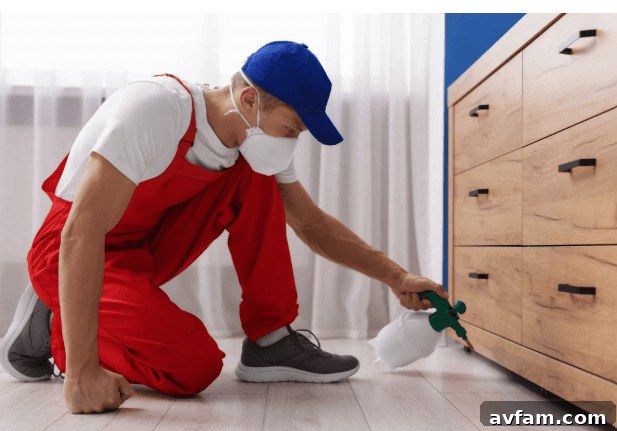
In some situations, particularly in multi-unit dwellings or areas with high pest pressure, ongoing support from professional pest control services, such as pest control Whitby or pest control Oshawa, may be a necessary component of your prevention strategy. These experts can provide regular inspections, identify hard-to-find entry points, and apply targeted, environmentally responsible treatments when needed. Combining your proactive sealing efforts with professional assistance and diligent daily habits ensures the most robust and lasting protection against pests.
Conclusion: Your Apartment, Pest-Free and Protected
Sealing entry points stands as one of the most fundamental and effective strategies for preventing bugs and rodents from invading your apartment. By adopting a proactive mindset—diligently identifying weak spots, selecting and applying the correct sealing materials, and conducting regular inspections—you can dramatically reduce pest activity and preempt the development of larger, more challenging infestations.
This comprehensive approach not only provides immediate relief from existing pest problems but also establishes a long-term defense mechanism, contributing to a consistently cleaner, healthier, and more comfortable living space. With consistent maintenance of your seals and the integration of good daily hygiene habits, you can ensure your apartment remains a protected sanctuary, free from the nuisances and potential hazards that pests can bring.