
Mastering the Summer Heat: A Comprehensive Guide to Keeping Your Home Cool Without Air Conditioning
The relentless summer sun can transform even the most comfortable home into an unpleasantly stifling oven, especially when the air conditioning falters or is simply not an option. Having recently navigated several intensely hot, A/C-free days, I’ve gained a profound appreciation for the art of staying cool naturally. It’s a challenge, undoubtedly, but one that can be successfully overcome with the right tools – a strategic combination of fans, effective window coverings, and a healthy dose of ingenuity. This experience illuminated how many passive cooling techniques we instinctively adopted, underscoring the power of simple, yet highly effective, methods.
My inspiration for delving deeper into this topic stemmed from an insightful article published by Natural Home magazine, a superb resource for anyone passionate about green and environmentally friendly living. Web editor Susan Melgren’s comprehensive round-up of tips on living without air conditioning highlighted many strategies my family and I unknowingly employed during our own A/C outage. This realization sparked a desire to expand upon these principles, offering a more in-depth guide to embracing natural cooling and transforming your home into a cool sanctuary, even on the hottest days.
The Philosophy of Natural Cooling: More Than Just Comfort
Beyond simply enduring the heat, choosing to minimize or forgo air conditioning offers a myriad of benefits. Environmentally, it significantly reduces your carbon footprint, contributing to a healthier planet. Economically, it translates into substantial savings on your utility bills, freeing up resources for other priorities. Health-wise, adapting to natural temperatures can improve your body’s thermoregulation and reduce reliance on artificial environments. Embracing natural cooling is about harmonizing with your environment, promoting sustainability, and fostering a deeper connection with your home’s natural rhythms.
Key Strategies for Beating the Heat Naturally
Achieving a comfortable indoor climate without air conditioning involves a multi-faceted approach, focusing on airflow, sun protection, and smart home management. Here are the most effective strategies to implement:
1. Harnessing the Power of Air Circulation: Fans and Strategic Ventilation
I cannot overstate the transformative power of fans! They don’t cool the air itself, but by creating airflow, they accelerate the evaporation of sweat from your skin, making you feel significantly cooler. Strategic placement of various fan types throughout your home will help create essential air circulation, pushing hot air out and drawing cooler air in.
- Mix and Match Fan Types: Don’t rely on just one kind of fan.
- Box Fans: Excellent for pushing air out of a window or pulling cooler air in. Place them facing out in an upstairs window to create an exhaust system, or facing in downstairs to draw air inside.
- Oscillating Stand or Tower Fans: Ideal for circulating air within a room, especially in living areas or bedrooms. Position them to sweep across your body.
- Ceiling Fans: A fantastic investment for year-round comfort. Ensure they are running counter-clockwise in the summer to push air down, creating a cooling breeze effect.
- Personal Clip-on Fans: For targeted relief. Confession: I sometimes sweat while getting ready in the morning, so I clipped a small fan onto the side of our bathroom vanity. Not only do I stay cool, but the gentle breeze makes me feel like a supermodel with my hair blowing!
- Master Cross-Ventilation: The goal is to create a pathway for air to flow through your home. Open windows on opposite sides of a room or house to allow a natural breeze to move stagnant air out. If possible, open windows that face prevailing winds.
- Leverage Night Purging: This is perhaps one of the most effective passive cooling techniques. As soon as the sun sets and outdoor temperatures drop, open all your windows and use fans to pull in the cooler night air. This process, known as “night purging,” flushes out the accumulated heat from your home’s structure and furniture. Close everything up again before the sun gets too high in the morning to trap that cool air inside.
- Whole-House Fans: For homes with an attic, a whole-house fan can be a game-changer. Installed in the attic, it pulls cool outdoor air through open windows and exhausts hot indoor air through the attic vents, effectively cooling your entire home in minutes after the sun goes down.
2. Blocking the Sun’s Relentless Rays: Strategic Window Management
The sun is your home’s primary heat source during the day. Allowing direct sunlight to stream through your windows is akin to turning on a giant radiant heater inside your house. Reducing the amount of sunlight that penetrates your home is crucial for maintaining lower indoor temperatures.
- Keep Windows Covered During the Day: You might feel like you’re living in a cave, but the reduction in heat gain is immense.
- Heavy Curtains and Drapes: Opt for thick, light-colored curtains or drapes with thermal linings. Light colors reflect sunlight, while the thickness and lining provide insulation. Close them fully during daylight hours, especially on south and west-facing windows.
- Blinds and Shades: Venetian blinds, cellular shades, or roller shades can also be very effective. Close blinds completely or angle them upwards to reflect sunlight back out. Cellular shades offer excellent insulation.
- DIY Solutions: During our A/C outage, we went so far as to cover some windows with insulating boards and then lowered the blinds over them, creating a highly effective dual layer of window covers. This simple trick dramatically reduced heat transfer.
- Consider Exterior Shading: The most effective way to block heat is before it even reaches your window.
- Awnings: Install exterior awnings over south and west-facing windows to block direct sun.
- Exterior Shutters: Functional shutters can be closed during the hottest parts of the day.
- Reflective Window Films: These films can be applied to windows to reflect solar radiation, reducing heat gain without significantly obscuring your view.
3. The Green Shield: Strategic Landscaping for Natural Shade
Your outdoor environment plays a significant role in your home’s internal temperature. Strategic landscaping can create a living, exterior barrier that substantially reduces heat absorption by your home’s walls and roof.
- Deciduous Trees for Seasonal Shade: Susan Melgren specifically recommends placing deciduous trees and shrubs on the east and west sides of your home. These trees provide dense shade during the summer when their leaves are full, blocking intense morning and afternoon sun. In winter, after their leaves fall, they allow sunlight to warm your home, offering a perfect natural balance.
- Evergreen Trees for Year-Round Windbreaks: While deciduous trees are great for sun, evergreens can be useful as windbreaks on the north side of your home to protect against winter winds, indirectly helping with overall energy efficiency.
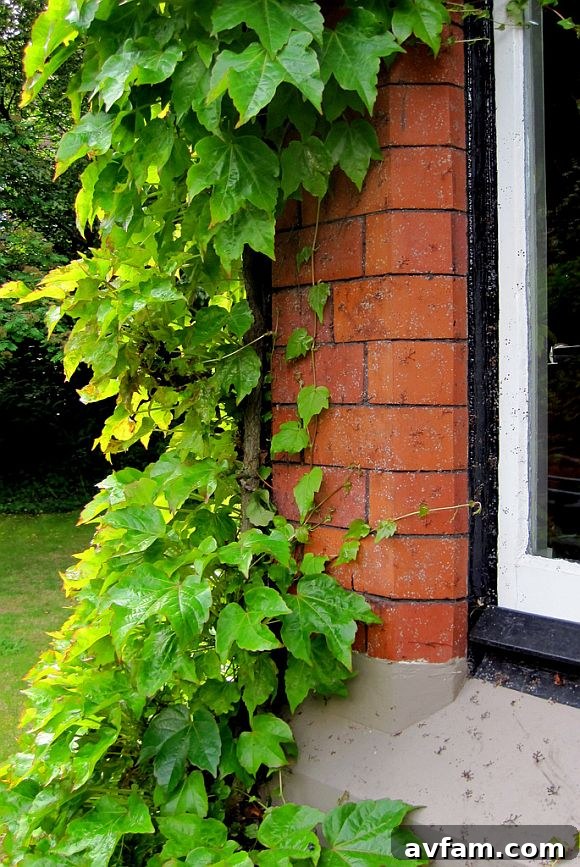
- Vines for Wall Protection: Planting vines to grow up trellises or directly on your home’s exterior walls can provide a protective green layer that shields the walls from direct sun, keeping them cooler and reducing heat transfer into your home. Ensure proper maintenance to prevent damage to your siding.
- Leafy Groundcovers: Planting leafy groundcovers around your home’s foundation helps cool the immediate area by reducing the amount of heat radiating from bare ground or concrete. This microclimate cooling effect can subtly influence your home’s overall temperature.
- Shade for Patios and Driveways: Paved surfaces absorb and radiate a tremendous amount of heat. Shading these areas with trees or pergolas can significantly reduce the ambient temperature around your home.
4. Mastering Internal Heat Sources: Mindful Appliance Use
Many common household activities and appliances generate a surprising amount of heat, which then gets trapped inside your home. Being mindful of these internal heat sources can make a big difference.
- Limit Oven and Stove Use: Baking and extensive stovetop cooking generate substantial heat. Opt for grilling outdoors, using a microwave, a slow cooker (which produces less radiant heat), or preparing no-cook meals like salads and sandwiches during the hottest parts of the day.
- Run Appliances Strategically:
- Dishwasher: Run your dishwasher late at night or early in the morning when temperatures are cooler.
- Laundry: Same goes for your washing machine and dryer. The dryer, in particular, generates a lot of heat and humidity. Hang clothes to air dry whenever possible.
- Unplug Electronics: Even when turned off, many electronics in standby mode (“vampire draw”) generate a small amount of heat. Unplug chargers, computers, and other devices when not in use.
- Switch to LED Lighting: Old incandescent light bulbs generate a lot of heat as a byproduct of producing light. Switching to energy-efficient LED bulbs can significantly reduce this internal heat gain, as well as save energy.
5. Personal Comfort and Hydration: Cooling from Within and Without
While managing your home’s temperature is crucial, personal cooling strategies are equally important for comfort and well-being.
- Stay Hydrated: This cannot be stressed enough. Drink plenty of water throughout the day, especially on hot days, to help your body regulate its temperature. Keep a pitcher of water with lemon or cucumber in the fridge. Electrolyte-rich drinks can also be beneficial if you’re sweating a lot.
- Wear Light, Loose-Fitting Clothing: Choose natural fibers like cotton or linen. These materials breathe better than synthetics, allowing sweat to evaporate more easily. Loose clothing allows for better air circulation around your body, helping to keep you cool and comfy. Light colors reflect sunlight, whereas dark colors absorb it.
- Cool Showers or Baths: A quick cool shower or bath before bed can significantly lower your core body temperature and help you fall asleep more easily. Even a foot bath with cool water can provide surprising relief.
- Use Wet Cloths: Place cool, damp cloths on pulse points like your wrists, neck, and temples. This helps to cool the blood circulating through these areas.
- Eat Light and Cool: Opt for lighter meals that are easier to digest, such as salads, fruits, and vegetables. Avoid heavy, hot meals that can make your body work harder and generate more internal heat. And of course, keep an ample supply of Popsicles and ice cream in your freezer – a classic summer treat that provides instant internal cooling!
6. Optimizing Your Home’s Structure: Long-Term Solutions
For those looking at more permanent improvements, consider these structural enhancements:
- Improve Insulation: Good insulation in your attic and walls is not just for winter; it’s crucial for keeping heat out in the summer. A well-insulated home acts like a thermos, slowing down the transfer of heat from outside to inside.
- Seal Air Leaks: Cracks and gaps around windows, doors, and utility penetrations allow hot air to infiltrate your home. Use caulk and weatherstripping to seal these leaks, preventing unwanted heat transfer.
- Cool Roofs: If you’re due for a roof replacement, consider “cool roof” materials. These are designed to reflect more sunlight and absorb less heat than standard roofs, significantly reducing the heat load on your attic and home.
Embracing the Summer: A Cooler Home is Within Reach
Living comfortably through the summer months without relying solely on air conditioning is not only possible but can also be a rewarding experience. By implementing these strategies, you empower yourself to create a more resilient, energy-efficient, and naturally comfortable home. From the immediate relief of strategically placed fans to the long-term benefits of thoughtful landscaping and insulation, each step contributes to a cooler, more sustainable living environment. So, are you ready to be one of those brave souls who foregoes air conditioning during the summer, embracing natural comfort? Or do you find yourself an A/C-aholic, perhaps now inspired to explore alternatives?
Photo: Flickr.com/comedy_nose